
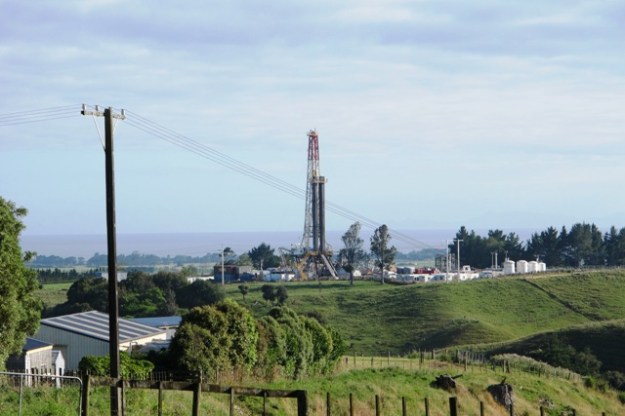
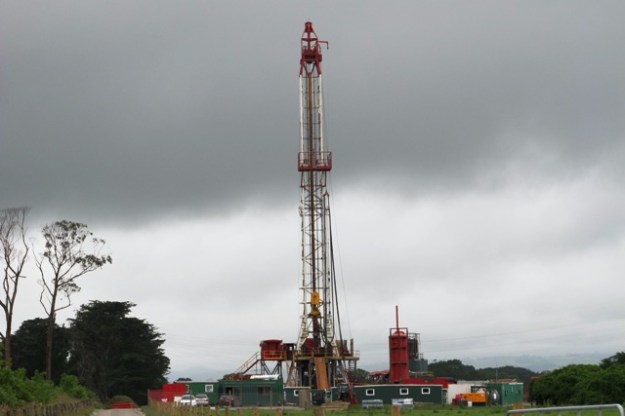
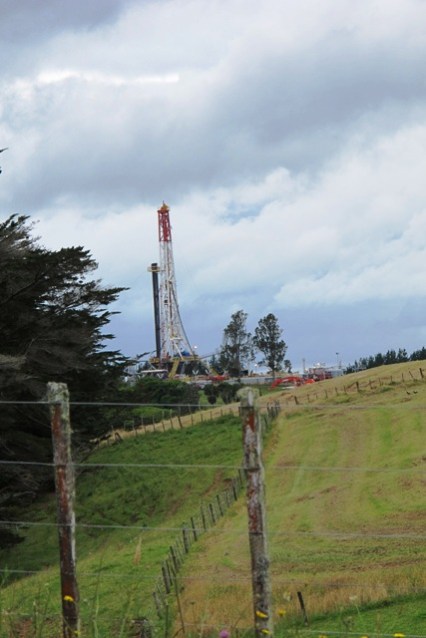
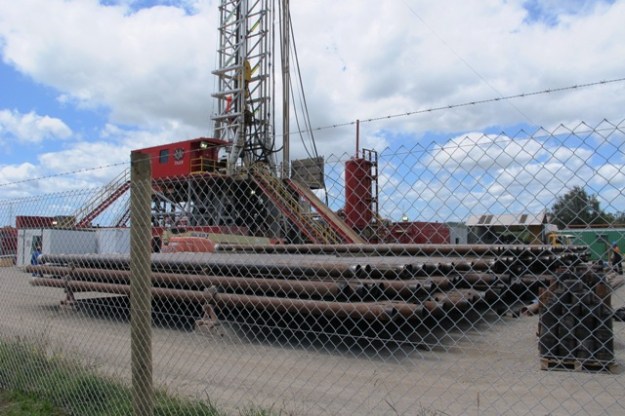
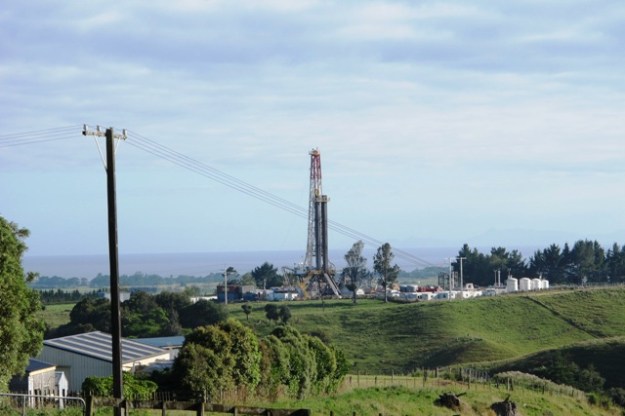
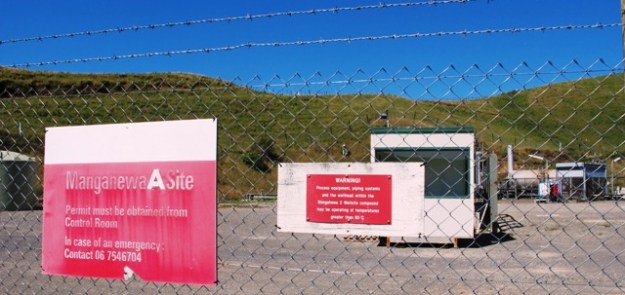
Another post about living in the Tikorangi Gaslands. Not plants and gardening but the other omnipresent aspect to our lives here.
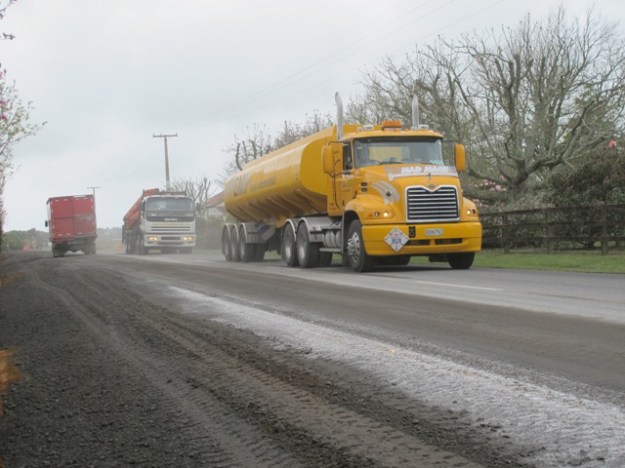
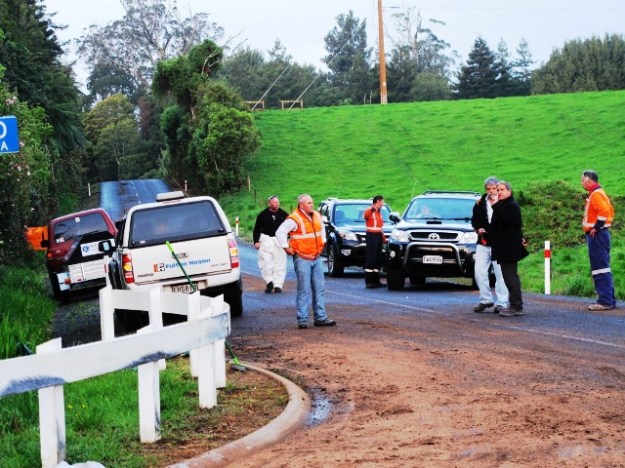
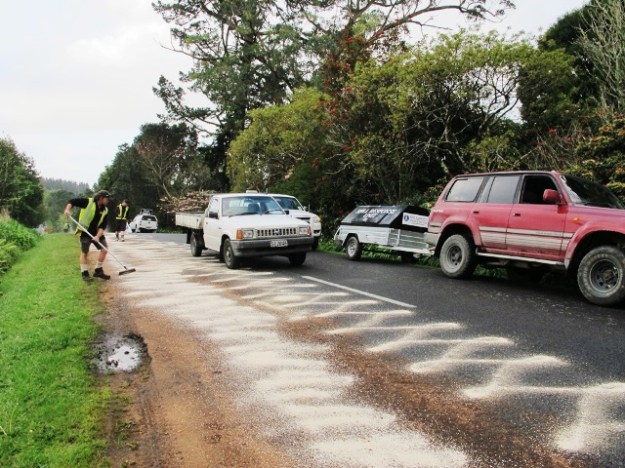
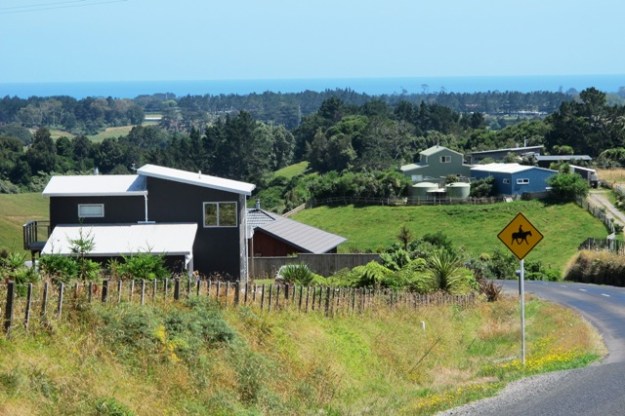
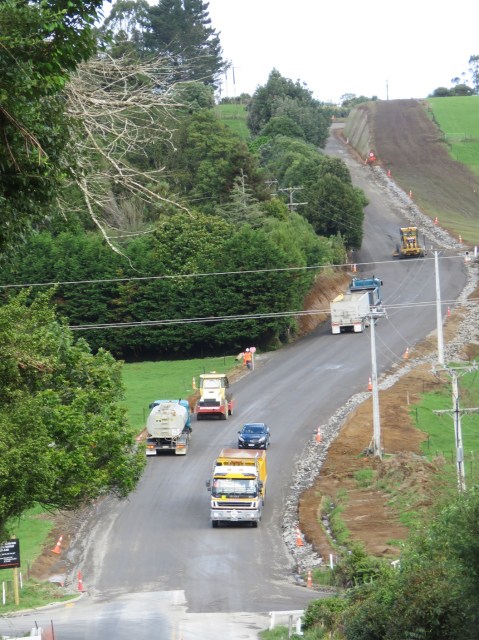 Three years ago, we were trying so hard to preserve something of old Tikorangi midst the ravages of petrochemical development. That included keeping the rural character of the roads and the immediate environment. Ha! We failed dismally, as witness these roadworks just past our place.
They are a reminder that staff at New Plymouth District Council were mostly just humouring us when they appeared to listen. Except for one memorable staffer who did not make any attempt to humour us. No sirree, he made it clear from the start that he was the boss-man and he did not need to be polite or listen to residents. What could we possibly know? He is not there anymore. He moved on some time ago. Or maybe he was shovelled out? The politer staff would nod and give a credible performance of listening attentively. But, as subsequent actions and policies show, they were not going to deviate from their chosen path.
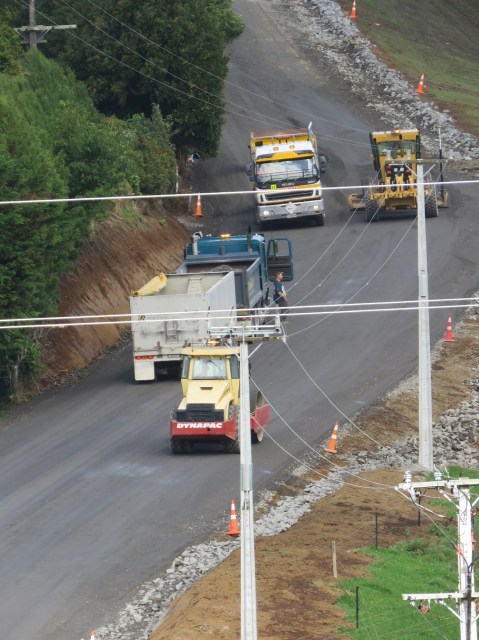 And so this road *improvement* has gone ahead, no doubt at considerable expense. In vain did we plead for rural amenity to be preserved while meeting the roading needs of petrochemical development. Make no mistake about it. The whole purpose of this super-duper rural road is to service the petrochemical industry, not the locals. Sure, some locals will see a wider, faster, heavily cambered road as “progress”. They don’t care about being able to stand on the side of the road and have a chat to a passing neighbour. I bet they don’t get out of their cars long enough to ever want to walk along the road verge. Presumably they don’t have any children who might, in the past, have biked to school. I am also guessing that they have never lost any dogs to speeding traffic. All they want to do is to get in their vehicles and plant foot, to get to their destination as fast as possible. That is how they see the modern world of progress.
We are living with a soundtrack of constant machinery from 7am until dark, Monday to Saturday. It has been interesting to me for several reasons. It is like a little monument to our failure in trying to make any changes for the better. But I am not feeling blue. It reminds me how successfully I have drawn in my world, circled the wagons, to exclude what goes on beyond our boundaries. And I have coped with the constant noise with equanimity. Some level of mindfulness or just simple inner tranquillity can indeed create a protective cloak.
Roading Steve, the architect of these roadworks, has also gone from Council now. Moved on. But he left a legacy. The road WILL be wider, stronger and faster for this short stretch.
No matter that since those plans were being mooted, the speed limit here has been dropped by the very same council to 80km/h, slowing the traffic overall to a safer speed.
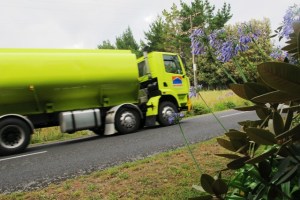
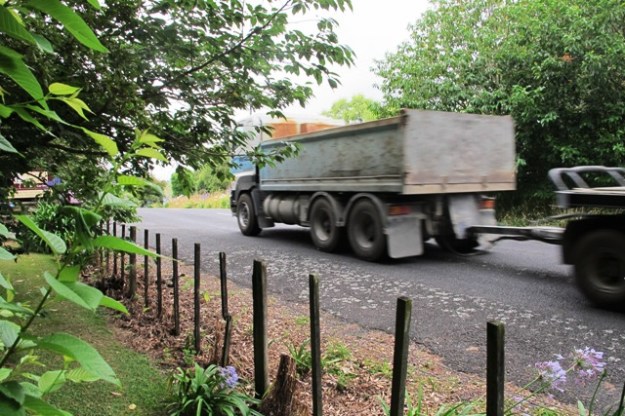
No matter that the petrochemical company has instigated a voluntary speed limit on its heavy transport of 60km/h on that very stretch of road.
No matter that the bottom has fallen out of the Taranaki oil and gas industry and it may never recover to the levels seen when Roading Steve thought this road *upgrade* looked like a good idea. Let us not forget that oil and gas is a twilight industry and public attitudes are changing to be less sympathetic.
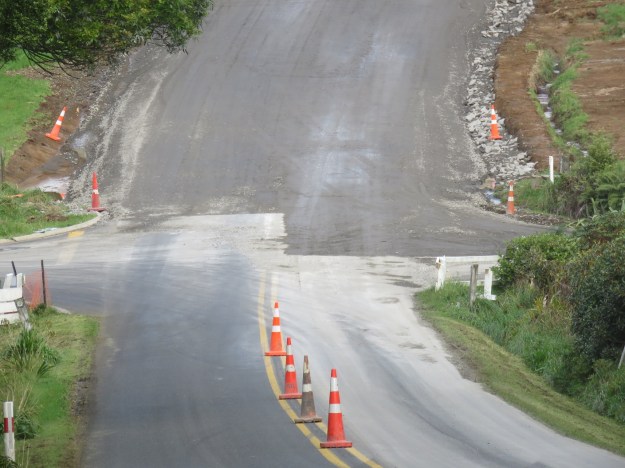
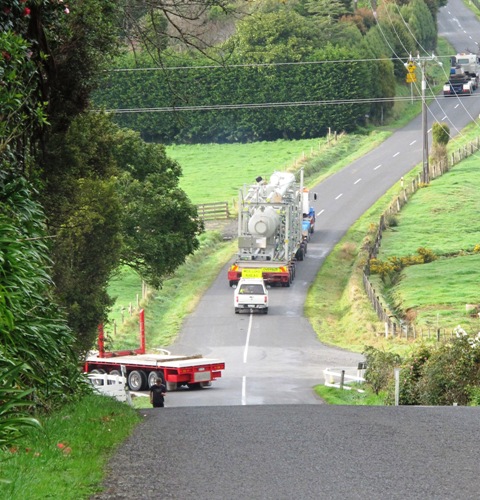
Where the new road has to narrow to meet the old, down the dip and on an intersection
No matter that this bright, shiny, new bit of road will encourage traffic to speed up coming down the hill until it terminates on a relatively risky intersection and narrows to the old width to climb the hill outside our place.
The work must go on. For such is the inexorable process of local body government. Once initiated, a project cannot, apparently, be stopped. And progress can be measured by wider, stronger roads to accommodate faster vehicles. For which we all pay through local and national taxes. It is why I have circled the wagons.
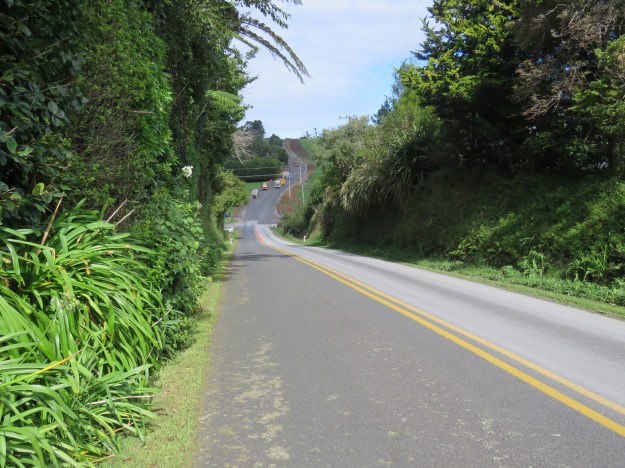
Our side of the hill remains untouched. For now.
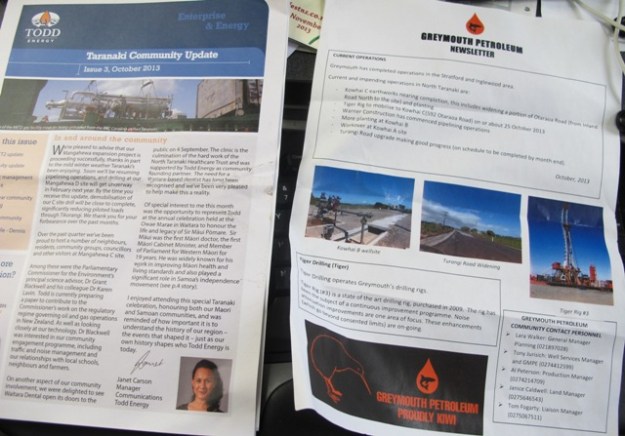
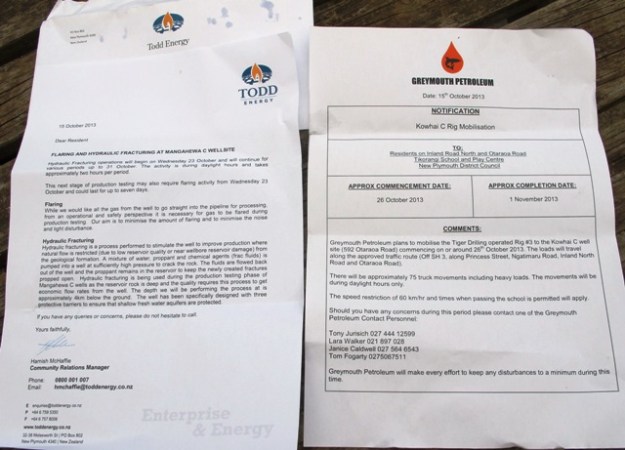
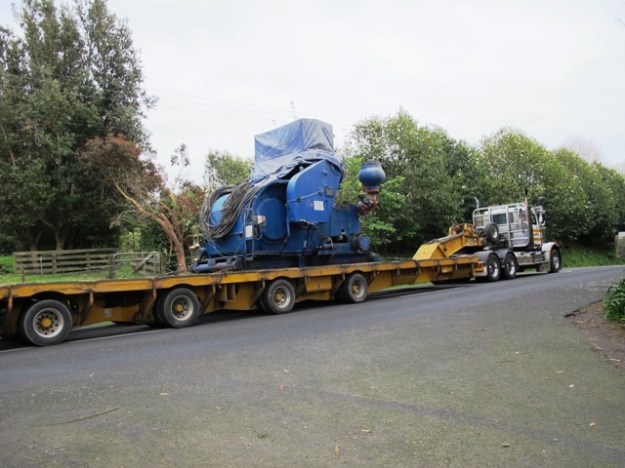
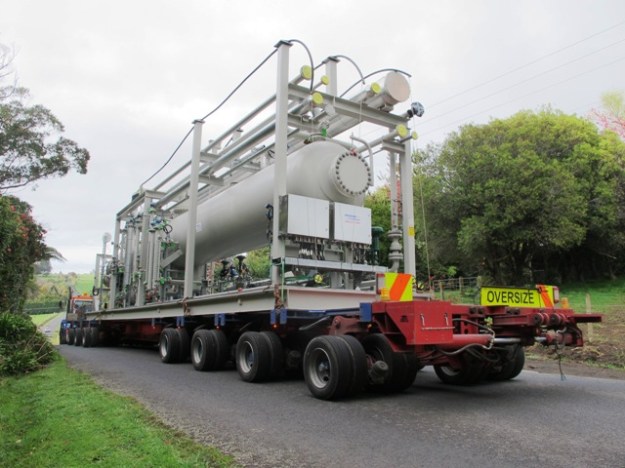


 • We at Council are deeply aware that traffic is a major issue for many Tikorangi residents but we have AWESOME news. We have brokered an arrangement between companies, their subcontractors and Tikorangi School. Starting next week, the trucks will be calling in to the school where the students will be painting happy faces on all the vehicles. We are confident that smiley faces will bring a smile to all Tikorangi residents as the trucks pass by. Drivers have also been instructed to give a cheery wave as they pass.

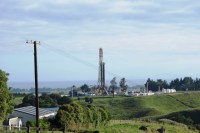 • Tikorangi residents will be as thrilled as Council is that the Len Lye Centre has been given the green light. It is only because of Toad Energy’s wonderful generosity that this project is going ahead. In recognition of the special relationship between Toad and Tikorangi, residents will be guaranteed free entry to the new centre when it opens for a period of five years.
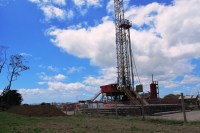
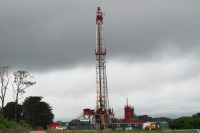
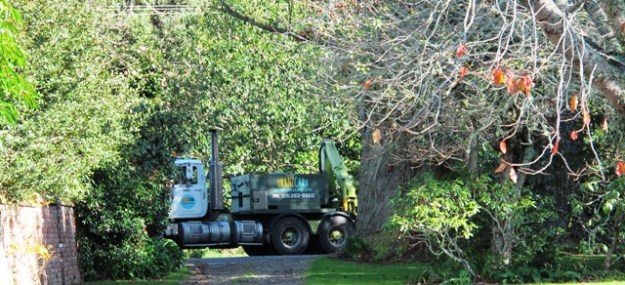
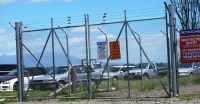 • A few residents have suggested that Greymooth are not abiding by their declared number of light vehicles on their Kowhai B site. We are pleased to report that Greymooth have assured us that they are abiding by all conditions of their consent. We suggest that busybody residents who have counted up to 17 light vehicles parked in the two carparks at the same time should perhaps find something better to do with their time and get a real job. There are only six light vehicles a day travelling to the Kowhai B site. Similarly, Toad have assured us that they too are keeping strictly to the terms of their consent and there are only 8 light vehicles and 3 heavy vehicles driving on to their Mangahewa C site in any 24 hour period during drilling activities.
  •
• 
 •
• We are acting on concerns raised by an elected councillor at a recent Council meeting regarding malcontents in Tikorangi “besmirching the reputation of the Council”. He suggested a public education programme might be required. Council categorically rejects any insinuation that this may be a case of shooting the messenger and is investigating models of re-education programmes pioneered in the Soviet gulags, the Chinese re-education through labour programmes and the Vietnamese voluntary relocation strategies of the 1970s. We are confident that any troublemaking dissidents in Tikorangi can and will be dealt with promptly and efficiently and will no longer be able to embarrass your council and to sully the reputation of Taranaki.



 Tikorangi The Jury Garden