Tag Archives: garden quotes

Garden lore

“I am very fond of the Spring-flowering colchicums, but unfortunately slugs are also, and those greedy gastropods and I have a race for who can see the flower-buds first. If I win I go out after dark with an acetylene lamp and a hatpin and spear the little army of slugs making for a tea-party at the sign of the Colchicum.”

Edward Augustus Bowles My Garden in Spring (1914)
Thrip infested leaves to the left, healthy to the right.

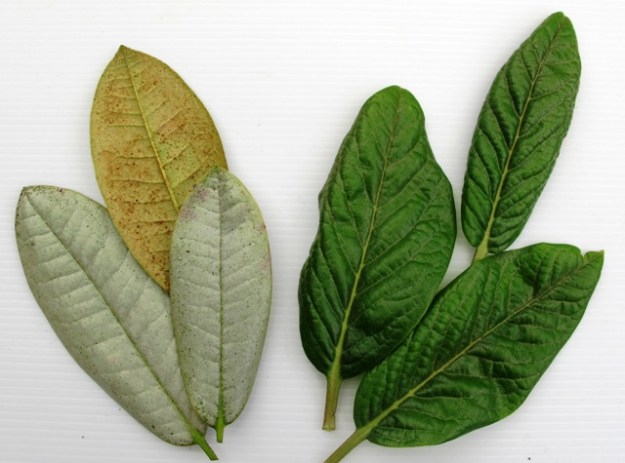
Thrip infested leaves to the left, healthy to the right.

Thrips galore

Clearly last summer’s drought stressed some plants more than we realised at the time. Thrips. We have thrip infestations on plants which do not normally suffer. Plants show the damage as silvering on the leaves. It is common in many rhododendrons but bay trees and photinia are also prone to infestations, along with other plants. You can’t turn the silver leaves green again. Turn over the leaf and you will see rusty looking spots behind. This is the residue of the thread-like thrips which suck the chlorophyll out of the foliage. The damage is done.

Prevention is better than a cure. A strong, healthy plant with plenty of air movement around it and good light levels is better able to withstand attack. There are systemic insecticides you can use which the plant absorbs into its system, killing the thrips from the inside out but you have to wait until the critters are active again – usually late November. The bands sold that you wrap around the trunk of the tree will either be soaked in systemic insecticide or in Neem oil. We have never tried Neem and are surprised if it works as a systemic, but others say it does.

Contact insecticides don’t work unless you can saturate the underside of every single leaf so most organic remedies won’t work. The fresh spring growth will hide a multitude of sins and we are hoping that the thrippy plants will look fine again. Some varieties are much worse affected and generally we choose to remove those and replace with better performing varieties because we do not want to have to use systemic insecticides just to keep plants healthy.

First published in the Waikato Times and reprinted here with their permission.
Garden lore

“Lady Cantal says that flowers can feel no pain. I asked if hers did, and she said yes, so I pointed to a hideous stone gnome overlooking a bed of very nice Stocks and told her the reason.”

H.L.V. Fletcher Purest Pleasure (1949)

022
Sowing seed

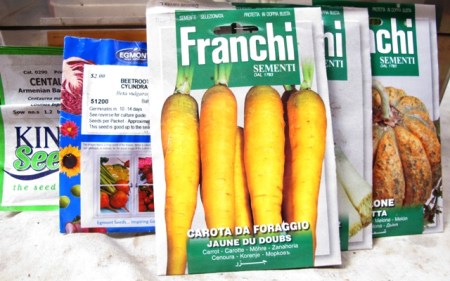
Most beginners think you can just scatter seed around the garden and it will grow but it does not take long to realise that the results can be very disappointing, non-existent even. It is worth learning how to grow seed. Some can be sown direct into the garden. There will be instructions on the back of commercial seed packs telling you how deeply to plant the seed. However, it is often more successful to sow into a seed tray or individual pots, germinating the seed in more controlled conditions.

Generally you need about 10cm of depth so egg cartons are only going to work for quick turnaround crops like peas or lettuces. It is best to buy a bag of seed raising mix which is sterile (so when a green shoot emerges you know it is your seed and not a weed) and also lower in fertiliser than a potting mix. Tamp the mix down to get rid of air bubbles. Individually sow large seeds or sprinkle fine seed carefully and then spread a thin layer of mix on top of the seeds. The smaller the seed, the lighter the covering but almost all seeds need a complete cover. Water carefully. A misting bottle (the well washed window or shower cleaner bottle with a pump spray) is ideal for fine seed. Don’t flood the seeds.

Until seeds germinate, place the pots or tray out of direct sun but in good light. It is usually wise to elevate the seed trays away from slugs and snails or cats who think it is a litter box.

First published in the Waikato Times and reprinted here with their permission.
Garden lore

The honeybee kills more people around the world each year than all the poisonous snakes combined, but the creature responsible for the most human deaths worldwide is the mosquito, by a considerable margin.”

Niall Edworthy, “The Curious Gardener’s Almanac” (2006)

003 (5) - Copy Garden Lore: bee food

We were interested to read an article last week reporting that Britons are being urged to plant bee-friendly flowers rather than to try home beekeeping. Amateur beekeeping is not for the ignorant but well-meaning enthusiast. It needs to be done properly or not at all and in London there is simply not enough food to feed the existing bees without adding more.

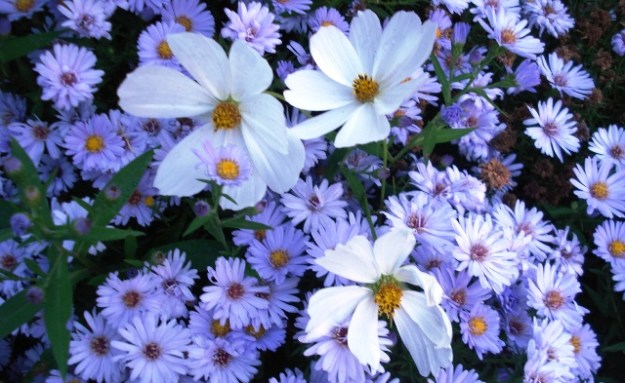
The plight of bees is a global problem. Without getting too carried away on this matter, the bees need as much help as they can get. What every gardener can do is to plant some food for the bees. Basically, bees need flowering plants with visible stamens. The simplest and one of the most effective ways is simply to sow some seed of flowering annuals along with your vegetables. Let one or two plants go to seed and then weed out those surplus to requirements in future years. Bees are needed in the vegetable garden and orchard in order for some plants to crop so make the environment more inviting for them. Besides, what is not to like about cosmos and poppies between your cabbages? Browse the seed stand or catalogue and pick flowers with plenty of golden stamens visible and a healthy track record. Hollyhocks can be vulnerable to rust and mildew and nobody needs more of these problems in the vegetable patch but most daisies, single poppies and calendula are fine and there are many other options.

First published in the Waikato Times and reprinted here with their permission.

Garden lore

“When Lord Teviot had despatched his letters, he found her in her garden,,, [it was] a first-rate gardener’s garden, every plant forming part of a group, and not to be picked or touched on any account; all of them forced into bloom at the wrong time of the year; and each bearing a name that it was difficult to pronounce, and impossible to remember.”

Emily Eden The Semi-Attached Couple (1830)

Dealing to wandering jew

Of all the pesky, invasive and difficult weeds to eradicate, wandering jew – also known as wandering willie or tradescantia – is right up there with the worst. It is usually impossible to eliminate in one hit and every single bit you miss or drop will grow again. Turn your back, and you will have a carpet of smothering foliage returning. It takes great persistence – either the removal of every single piece for alternative destruction or repeated chemical nuking.

Whether you are spraying or hand pulling, rake the top layers off first and remove. I hesitate to say send to landfill because I do not think that is what landfill is for. Piling it into black rubbish sacks, sealing them and then laying them on concrete under hot sun will kill it. Then you can compost the remains. If you are confident that you make a hot compost, you can put it straight into the heap but a cold compost mix won’t kill it. If you are not going to spray, then you just have to keep repeating this process.

If you are willing to spray, the bad news is that glyphosate is largely ineffective. You need a spray with the active ingredients of either triclopyr or amitrol. Grazon is probably the best known triclopyr brand but your garden centre will have other commercial sprays with these active ingredients. It will take at least two or three applications over several months to get rid of the regrowth.

Apparently this weed can cause terrible skin irritation to dogs and cats which is another good reason for eradicating it. Just don’t ever do it by chucking the bits over the fence. They will grow and return to your place to reinvade as well.

First published in the Waikato Times and reprinted here with their permission.

Garden lore

I never had any other desire so strong, and so like to covetousness, as that one which I have had always, that I might be master at last of a small house and a large Garden.

Abraham Cowley The Garden (1666)

“There is a psychological distinction between cutting back and pruning. Pruning is supposed to be for the welfare of the tree or shrub; cutting back is for the satisfaction of the cutter.”
Christopher Lloyd The Well-Tempered Garden (1973)
018 (3) Garden lore – spring pruning

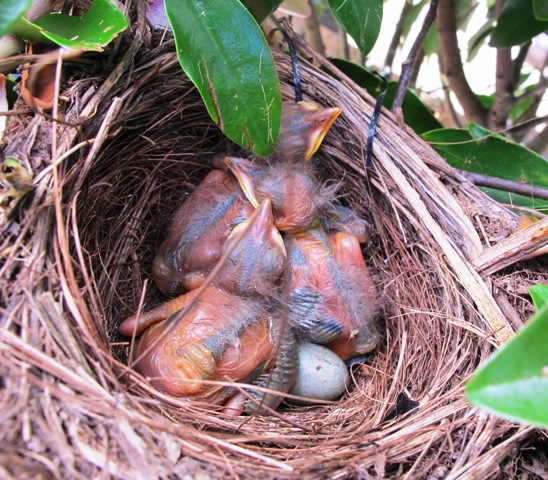
With spring now officially here – unofficially it arrived some weeks ago for many of us – it is the last call for hard pruning and clipping. The birds will be starting to nest and if you leave it any later, you will be carrying out the ornithological equivalent of mass infanticide. In addition to that, the sap will be starting to rise and it is generally better to prune when the plant is in a dormant or near dormant state. Grapevines in particular must be pruned right now. They weep for ages after pruning if you do it too late.

My definition of pruning and shaping is anything that requires a saw (be it a hand saw or chainsaw), loppers and secateurs. Hedge clippers, line trimmers and snips see you in the territory of clipping and shaping. If you are using a line trimmer on hedges or bushes in spring, do a check for nests first. Those mechanised tools are unforgiving and indiscriminate once they are going.

Raspberries and apples should also be pruned without delay.

First published in the Waikato Times and reprinted here with their permission.