589 Otaraoa Road, RD43, Waitara 4383, New Zealand
Email: jury@jury.co.nz | Tel & Fax: +64 6 754 6671
589 Otaraoa Road, RD43, Waitara 4383, New Zealand
Email: jury@jury.co.nz | Tel & Fax: +64 6 754 6671

Crocosmia hybrids
Latest posts: Friday 27 January, 2012
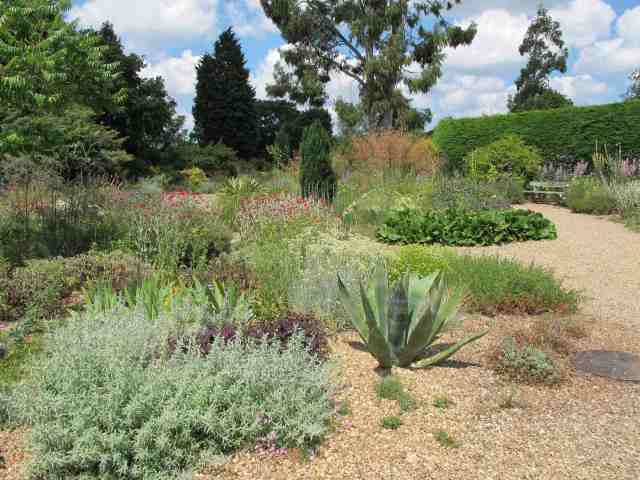
1) No amount of wishful thinking can alter the fact that we do not in fact have a Mediterranean climate here and romantic recreations of the glam of Med holidays are likely doomed to disaster. Abbie’s column.
2) A big, beautiful, fragrant rhododendron flowering in mid to late January? R. diaprepes in Plant Collector this week (but don’t expect to find this one offered for sale at your local plant store).
3) Grow it Yourself – broccoli. Personally I prefer not to. I have tried repeatedly over many years to learn to love broccoli and have met with dismal failure but others are more enthusiastic and it is fearfully good for you.
4) The latest instalment of our fortnightly garden diary as published first in the Weekend Gardener – dealing with prickly onehunga weed without resorting to lawn sprays and other garden matters.

The sad state of Camellia chyrsantha
Tikorangi Notes; Friday 27 January, 2012
It was only last year that I featured one of the best flowerings we have had on Camellia chyrsantha (it of the butter yellow flowers – bright New Zealand butter at that). It only took a decade or two to start performing well. Alas, it came off second best to the rapid descent of a massive old pear tree last week. The trouble is that it is a grafted plant and the trunk has been split. We are hoping it may still recover and live to bloom again. We can take the long view and wait another decade, if need be.
I have been photographing the different bulbs flowering this month. We were worried we had lost the yellow-orange form of crocosmia but it has leapt into flower and is remarkably showy with very large blooms. The red form (the one above is a hybrid called Lucifer) is such a strong grower that the chances of losing it are negligible, which means we take it completely for granted. Indeed, red crocosmia is a widespread roadside flower regarded as an invasive weed and known as montbretia in our area. The pink vallota is also looking particularly fetching. I would describe it more as peach than pink. There appears to be some debate about whether it is a vallota or a cyrtanthus so the pink vallota may in fact be the peach cyrtanthus. The auratum lilies are still fattening buds and not yet in full stride – just some tasters open so far.

The pink vallota. Or should that be the peach cyrtanthus?
Latest Posts: Friday January 20, 2012
1) How lovely is the golden-rayed lily of Japan? The auratum lilies (of which we have many) are just opening here.
2) Of matters related to social class and social conscience (or basil, cardoon and lawns, to put it in gardening terms).
3) Grow it Yourself – cardoon (warning: it needs space).
4) Tikorangi – the new Texas? What intensive petrochemical development next door actually means to us.
5) Lovely lily, lily love – the first instalment of photos this week in a new album of lilies currently in flower here posted on our Facebook garden page.

Just up the road - on the neighbouring property, in fact
Tikorangi Notes: Friday January 20, 2012
Our indifferent summer continues, the lilies are opening and the clematis look great. I am working in the rockery and we hear there are to be at least another 22 wells drilled in the close environs. Yes folks, we live in the proud energy heart of New Zealand, the new Texas of the Long White Cloud. Taranaki may be dairy heartland with one of the best growing climates possible, but we embrace the boom and bust of the petrochemical industry with unquestioning fervour. It is just a shame that a fair amount of it is centred right in Tikorangi where we live. To raise any objections is to be a sad-sack, a Luddite or worse – a greenie who stands in the way of progress and employment.
Over the years I have devoted a lot of time and energy to trying to get measures to mitigate the impact of the petrochemical industry on local residents. I don’t actually blame the private companies who will do as much or as little as is required of them in any given situation. And to be fair to the company involved next door to us, they have never employed the intimidatory and bullying tactics we saw in the past with other companies. In fact they are unfailingly courteous and do their utmost to keep us informed and to act on any concerns. But the bottom line is that their activities impinge heavily on residents close to their sites.
I hold the councils to account – the District Council and the Regional Council. And they have never done anything at all to inspire any confidence in their planning (what planning?) or in the rigour of their monitoring. No, they think it is great because it keeps the money flow going and they appear to do all they can to remove any impediments to the companies.

So we have learned to roll with the punches and take the long view. We can’t see the sites from our garden – even if that is because we have so many trees. I can generally avoid having to drive past the sites because most of them are up the road from us. We have adapted to the gradual increase in heavy traffic, much of which runs along our two road boundaries. I don’t want to be able to hear the site work either and most of the time I can’t. If fracking nearly the entire sub strata of the area where we live causes problems down the track as many around the world fear, we will cross that bridge when we come to it.
We are circling the wagons and looking inwards. Oil and gas is a finite resource. The Jury family were settled here and planting trees long before that resource was even discovered. I anticipate that we will still be settled and planting trees after the resource has been used up.
In the meantime we smell the lilies.


Latest Posts:
1) It is difficult to do justice to the Cyanella capensis in a photograph, but it must be one of the longest lasting summer bulb. It just gently flowers on and on in an unassuming way. “It looks like a blue gypsophila,” was Mark’s comment.
2) The weird and wonderful world of show vegetables – a competitive social phenomenon in the UK which has pretty much bypassed the more pragmatic gardeners in this country.
3) The wonderful world of growing parsnips. Okay, a bit of hyperbole there – just a bit of practical advice on how to grow one of the world’s less glamorous vegetables for winter.

Tikorangi Notes: Friday 13 January, 2012
I guess the one consoling factor in the continued run of dreary weather is that it is not limited to the area where we live! A misery shared is a misery halved, in the weather stakes at least. Even the Australian daughters are complaining about Sydney and Canberra weather and certainly it does not appear to be any better anywhere in the North Island of New Zealand. The raspberries are rotting before they have sweetened. The roses are mush. Anything bravely standing up is beaten down by the intermittent but torrential rain. The swimming pool cover remains resolutely in place. I have not even thought of going for a dip in recent weeks. The only consolation is that we know fine weather will return – it is just a matter of whether it is sooner or later.
The clematis remain valiant stars in all this dreary weather. We have lost the names on all of them though, should we feel the need, we know how we can get them identified. We have dug out the ones that are too rampant and thuggish in their ways and I remain unconvinced at the idea of ground cover types (too strong and choking). But given something to climb up, we have a range which are quiet and undemanding performers. All I do is cut them down once or twice a year to near ground level. Beyond that, they just get the standard treatment of other plants in the borders (a mulch of compost). I was told by a clematis expert that most of the hybrids can be cut back very hard after flowering, fed, watered and they will return with a new flush of blooms in six weeks time. I haven’t timed it, but it did make me realise that many clematis are not shy and timid plants and can take fairly ruthless handling. Should you feel the need to make a bamboo obelisk (you can just catch a glimpse of one supporting the clematis in the photo below, we gave step by step instructions in an earlier Outdoor Classroom.
The Turk’s cap and trumpet lilies are in flower with the auratums in heavy bud. It is the auratums that are the stars of summer display so we are hoping for better weather in the next fortnight.

Latest Posts:
1) A cautionary tale about garden weddings and completely excessive rain (subtitled: “The Bride Wore Orange”).
2) Hydrangea Libelle (white and blue lacecap) in Plant Collector this week.
3) Grow it Yourself – New Zealand yams (which just happen to be different to what the rest of the world call yams, for reasons unknown).
4) Of day to day matters in the garden – container plants and why we are not fans of water retention crystals.
And not my work at all, but check out the poignant study of “Locksley Avenue – A Portrait of a Street” by Adrienne Rewi. If you have ever wondered what happens to gardens when people are forced to walk away, Christchurch has many such examples. It doesn’t take long for nature to take over, even in a dry climate such as that of Canterbury.

We just refer to it as The Trichocereus
To be accurate, it is Echinopsis pachanoi (syn. Trichocereus pachanoi) and it is in full and fragrant flower again this summer.
Latest posts:
1) Finally found it – the proper Jacobean lily (though neither Jacobean nor a lily): Sprekelia formosissima
2) A touch of mea culpa on a very public spelling error – and a continuation of discussion on pohutukawa and other members of metrosideros family.
3) Grow It Yourself – or maybe not in the case of pizza counting as a vegetable in American school lunches.

Wet pigeons, awaiting the erection of the wedding marquees on the front lawn this morning
Tikorangi Notes:
The rain it raineth, unrelentingly alas. Mark’s pidgies are looking sad on the front lawn. I am merely contemplating the arrival of the marquee company, due any minute. On the bright side, at least the wedding party tomorrow did plan on two marquees and not trust to fine weather. And we have wonderful drainage so the grassed areas don’t get boggy and mucky. Add to that, we own a fair number of umbrellas. And it is not the wedding of one of one our own – though it is the daughter’s best friend. Maybe the rain will stop as the day progresses. Maybe the weather gods will smile and the forecasters have the timings wrong. Weather prediction in this country is a notoriously difficult activity, given that we are long, thin islands in the midst of vast oceans with competing tropical and polar air masses. But wait, do I detect a lightening in the sky to the north?
I am privy to all sorts of information about the wedding but my lips are sealed. All I can say is watch this space… The orange toilet brushes, dropped in yesterday by the bride’s father, rather caught my attention.
It would be so nice if the rains would stop. We will battle on otherwise – this is an unstoppable event – but it would be more fun if we were not making dashes around under umbrellas.