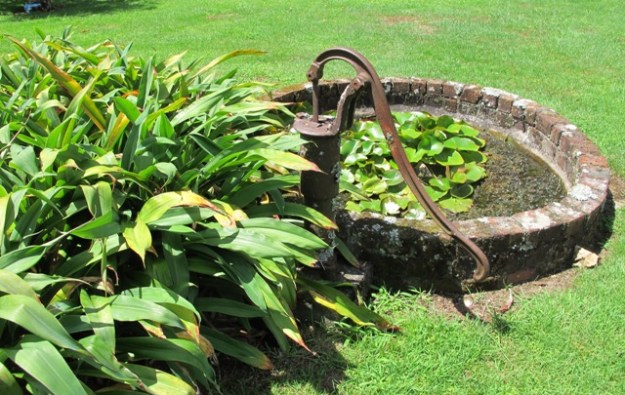
Do away with island beds in the midst of the lawn if you want to reduce maintenance
I thought I would spare readers from the New Year’s gardening resolution column. Most will resolve to weed more often and keep their garden looking tidier, only to fall by the wayside very quickly. So it is onto lower maintenance gardening this week.
Note the qualifier – lower maintenance. I don’t think there is any such thing as low maintenance gardening. These are mutually exclusive concepts. The only way to eliminate gardening altogether is by living on the upper floor of an apartment block.
You can do away with plants and pave, seal or turf your entire section but that should not be confused with gardening. Nor does it eliminate all maintenance. Paved areas need attention. Weeds will forever pop up in any cracks or gaps. Dust and grit accumulate and need to be swept or blown away. Shaded areas will grow moss and lichen and may become slippery. There is nowhere for the family pet to do its business.
You can grass out your section but it will need mowing. It will need a whole lot more than just mowing if you want a proper lawn. Maintaining even a half way decent lawn takes a surprisingly large amount of time and effort. But at least you can get a lawn mowing contractor in and trust him or her to get the grass down. But that is not a garden, either.
Gardens have plants and plants are tricky, messy and unreliable living organisms. They grow. They drop bits. Some grow too well, others not well enough. They also have the capacity to delight and to surprise, to soften a view and to blur the hard edges, particularly in an urban environment. It is about much more than just feeding the body by growing edible plants. You can wrap it up in a spiritual framework if you wish or you can be more prosaic in your terminology but the bottom line is that it is a rare person who remains oblivious to the beauty that is in nature and plants are integral to that. Most of us are driven to recreate some of that nature in our immediate environs. And if you want to stay on good terms with neighbours, an ugly wasteland is not going to do it.
So, to dispute some common myths about low maintenance gardening.
- Evergreen plants are not low maintenance. They still drop a full set of leaves every year. They just do it gently all year round rather than in one big hit like deciduous plants.
- Vegetable gardening is probably the highest maintenance form of gardening there is. Forget any advice that you can have a low maintenance yet productive vegetable garden.
- Similarly, you can’t just plant an orchard and leave it, expecting to harvest fruit in season. Most fruit trees require regular attention; some require a great deal of care.
- Simple gardens or formal gardens defined by sculptured plants (hedges and the like) are not easy care. They depend on pristine maintenance for their effect. It is like doing the housework but outdoors and no sooner have you done it than the wind will blow or the plants will grow. You can’t keep the outdoors static.
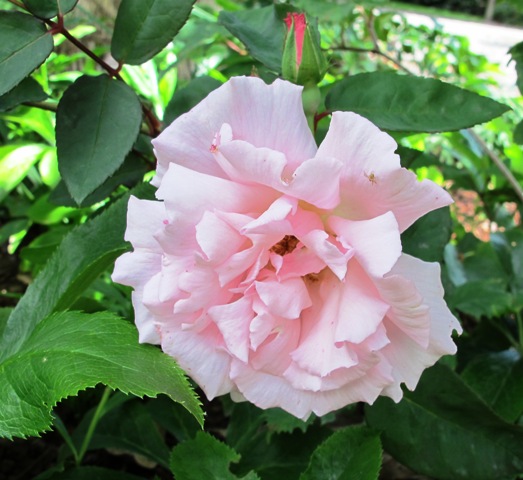
Roses need more care than many other plants if they are to look good
If you want to reduce your workload however, there are certain things you can do.

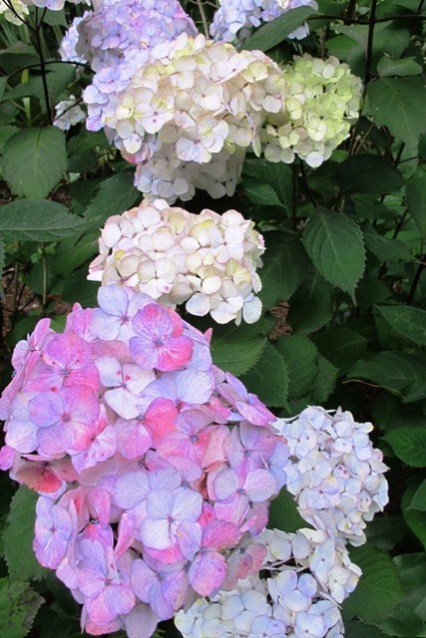
Shun plants which need staking each season if you want an easier care garden
- Don’t have island beds and specimen trees or shrubs sitting in the middle of the lawn. It is easier to do a clean sweep with the lawnmower than to be weaving around curvy obstacles. It also cuts out the potentially messy edges you get around island beds.
- Reduce the number of itsy bitsy little beds and plantings that you have. Keep the lines simple.
- Reduce the number of plants you have growing in pots and containers. These take quite a bit of effort to keep them looking good, as evidenced by the number of sad, neglected, even dying plants you can see all round different gardens.
- Weed thoroughly and then lay a weed free mulch to suppress further germination. Try and get weeds before they are large enough to set seed and remember the old adage: “one year’s seeding, seven years’ weeding”.
- Leave enough space around plants to be able to use the push hoe and if you haven’t got a push hoe then get one, learn how to use it and keep it sharp. You can then do the summer weeding without bending – but only if you do it before the weeds set seed. There is no point in hoeing out weeds and then leaving them lying on top if they are going to spit out their seeds on the spot.
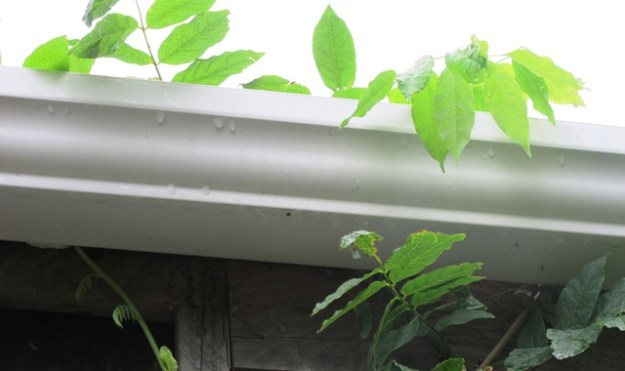
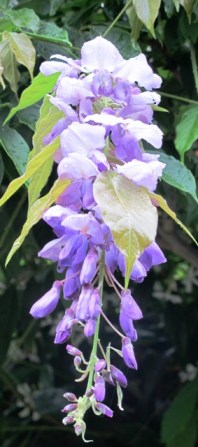
- Do away with plants which require frequent attention to keep them looking good. The prettiest but worst offenders are probably roses and wisterias. Most plants will need a little attention once a year, but some plants need much more than that. Similarly, do away with plants that need to be staked to stop them flopping all over the place.
- Do not garden in such a manner that you have to water frequently in summer.
When I used to pay someone to do my housework, I felt privileged but not ashamed. The same goes for gardening. If you don’t get pleasure from doing it yourself and you can afford it, pay someone else to come and do it for you. A lovely garden is a joy to all, but getting there is not always fun.
First published in the Waikato Times and reprinted here with their permission.
-39.042098
174.300314


 Tikorangi The Jury Garden