

Our second official marking of Matariki, the Māori New Year, has been a curiously moving experience for me and for many others, it seems. It became a statutory holiday last year for the first time, one of eleven paid days off, alongside Christmas, Easter and the increasingly irrelevant monarch’s birthday which bears no connection whatever to the actual birth day, be it Edward V111, Elizabeth 11 or Charles 111. Curiously, I have only just discovered that it was the aforementioned Edward who moved the official date to June (he was born in November) in the hope of better weather for the day. Let that not affect those of us in the former colonies; finer weather be damned. We still keep to the midwinter date of the first Monday in June. But I digress.
I have written about Matariki before in the context of the start of a new year and my wonder that, in pre-European times, Māori arrived at a time for celebrating the occasion that corresponds very closely to the winter solstice and the European convention for New Year on January 1, except that it is six months apart, as befits a different hemisphere where the seasons are reversed. The timing of Matariki is determined by the rising of the star cluster known elsewhere as the Pleiades.
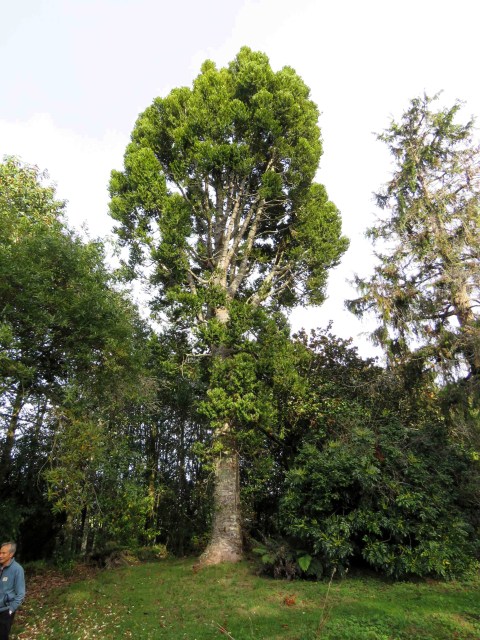
While most of our statutory holidays in this country are simply paid days off – welcomed by wage-earners and deplored by business-owners – Matariki is bringing a welcome character of its own. It is not just about the start of another year. It is about honouring the past and especially those who have died in the past year, celebrating the present and looking with hope to the year ahead. I see resistance to attempts to commercialise the day in the manner that Easter has become more about chocolate eggs, bunnies and hot cross buns than about the story of Christ. Matariki is our unique celebration here in Aotearoa New Zealand and the occasion this year has been dominated by Māori voices and a Māori perspective on marking the end of one year and the start of another. I have found it an affirming and positive experience.
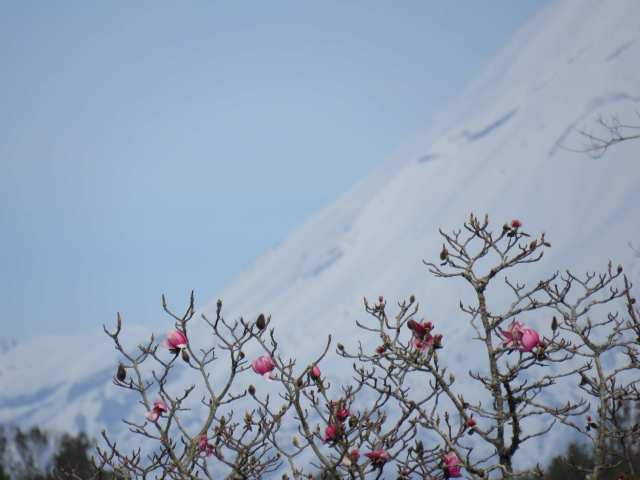
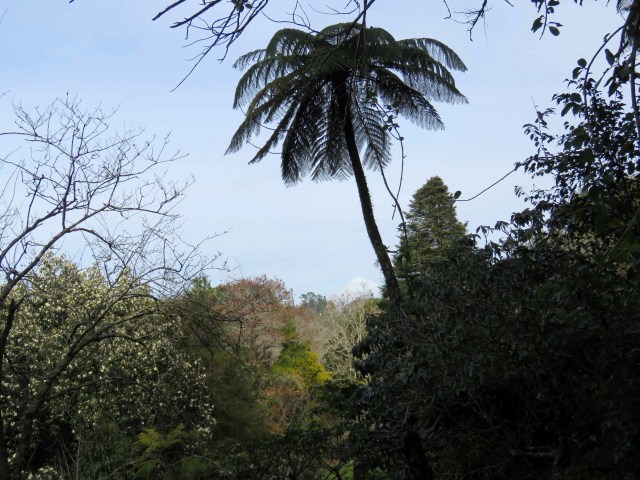
Even before we started to mark Matariki officially, I saw this time as the start of a new gardening year. For me, the opening of the Magnolia campbelllii brings fresh promise in the middle of winter. I did think that I should be illustrating this post with photos of native plants in the garden, entering into the spirit of this special time. We grow a surprisingly large number of native plants but always integrated with other plants from around the world. And as we were walking around the garden with friends from Auckland yesterday, I was rather too distracted to focus on singling out specimens of indigenous flora. I may make it a project next year.

I have my own personal celebration of Matariki this year. I am off to Sydney on Tuesday to meet the newest member of our family – a small granddaughter who is way too young to realise that she brings together the threads of Aotearoa (her mother), France (her papa) and Australia (her birthplace). This means there won’t be a post next Sunday
Ngā mihi o Matariki, te tau hou Māori
Happy Matariki
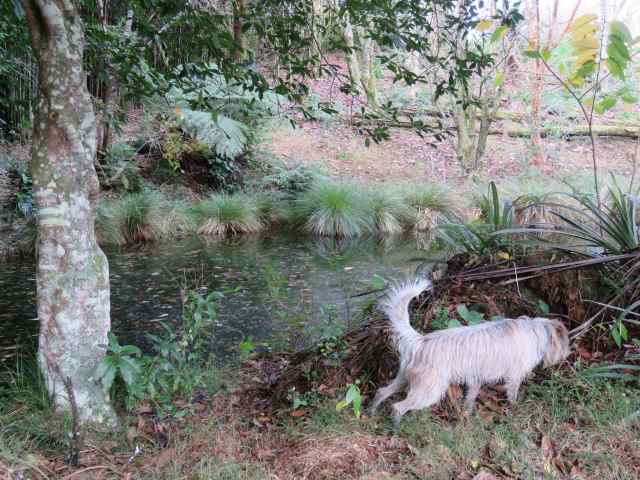
 Tikorangi The Jury Garden
Congratulations on the new grandchild and may she enjoy health and happiness. Re the holiday, it is good to have one which remains genuine to its nature.
Thanks, Paddy.
Enjoy your trip and your granddaughter Abbie. That’s an impressively tall tree fern you have, presumably from its form and stature it is a Cyathea medullaris (mamaku). We have all five species of tree fern self-seeding with wild abandon in our garden, but none have got to more than about 5 or 6 metres tall yet.
It would be nice for us to be able to celebrate the rising of the Matariki cluster at home, but unfortunately our surrounding hills and trees make it impossible. By the time it was high enough the sun would have washed all starlight out of the sky long before. Our daughter and family tried to last Friday, but it was cloudy at their place and they could see nothing.
Hi Tim. We have the same issue with trying to view the star cluster – too many trees!