
I mentioned in my last post that I was heading to Sydney last week to meet our new granddaughter. Not having lived in a city – or even a town – for over 40 years, I find wandering suburbia a great deal more interesting than is perhaps true for most others. In this case, my visit was in the area of Croydon Park where our daughter lives. It is an older suburb on the outer reaches of the zone referred to as ‘the Inner West’.

I hoped to play spot the magnolia, it being the right season. I did indeed spot the one, or rather the many specimens of the only one I saw in flower. They were all about the same age so I guess the local garden centre only stocked the one rather ordinary soulangeana 15 or 20 years ago when they were planted.

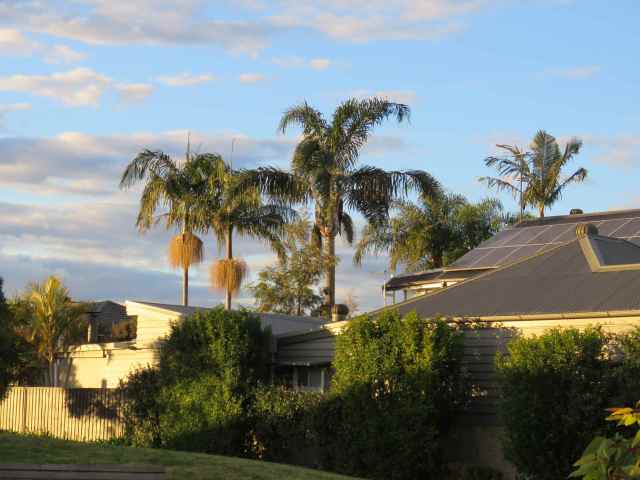
I had a brief moment of excitement when I spotted flashes of red from a distance and I thought it might be Magnolia ‘Vulcan’. But no, as soon as I drew closer I realised it was a poinsettia, presumably one of those Christmas poinsettia in little pots that they had planted in the garden after the festivities were over. That is a frangipani on the right which tells you something about their mild winters and hotter summers.

I did find one specimen of Mark’s Camellia ‘Volunteer’ in the next street over in my quest to spot the Jury plants. They don’t have camellia petal blight in Australia so the brown flowers are most likely caused by botrytis. But they weren’t big on gardening in Croydon Park so I turned my attention to the houses instead.
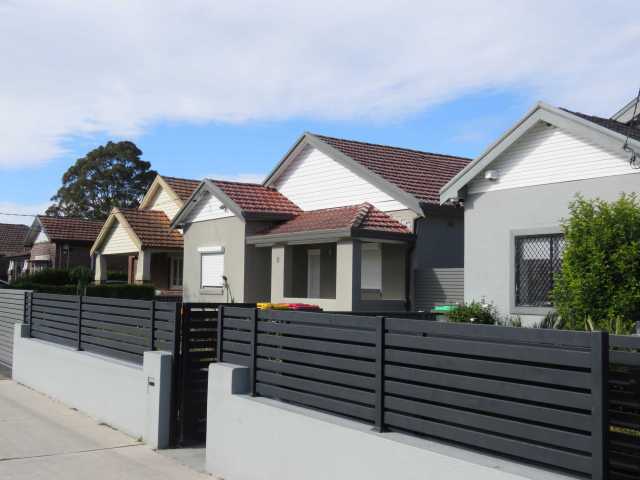
It wasn’t long before I realised I was looking at the same 1930s house in many guises. I did an online search to look at the history to see if I could find a reason why there was an entire suburb built in the same house – two modest front gables and a small front porch, all on pretty small sections for the time. I couldn’t find a reason and came to the conclusion that it was just 1930s spec* housing, presumably all with an identical internal floor plan.
To this day, in Aotearoa NZ, we have been driven by the desire to have a house that looks different to our neighbours. True, they may look very similar and are uniformly painted grey these days -maybe with a daring red trim – but they are not identical floor plans and external design. Sydney is different and I noticed neighbouring suburbs with slight variations in design but the same uniformity, house by house by house.
I started to take note of the renovations of these houses down the years, some with mixed results. It seems that Croydon Park residents want their home to look different, even if they are all the same design. Indulge me, as I take you through 90 years of identical houses.
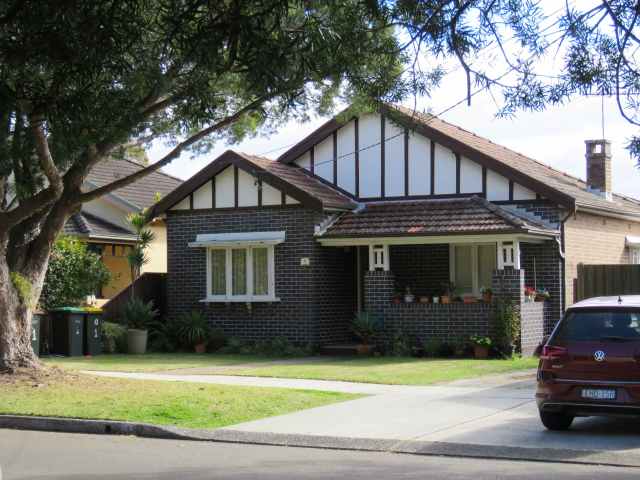
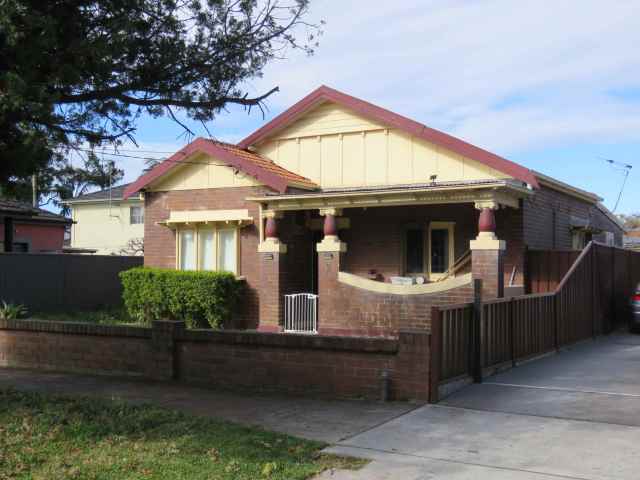
As far as I could work out, these are well-maintained examples in what must be close to original condition. There was variation in the verandah posts.

Rendering or plastering clearly became popular at some point because many of the houses had been re-coated, sometimes just the front facade and sometimes all over. And, to be honest, I have seen more attractive red brick than the one used in this suburb.

Maybe a 1970s renovation on the left hand house? The front verandah has been closed in, aluminium windows installed and every vestige of original detail stripped off to turn it into an charmless, utilitarian box.
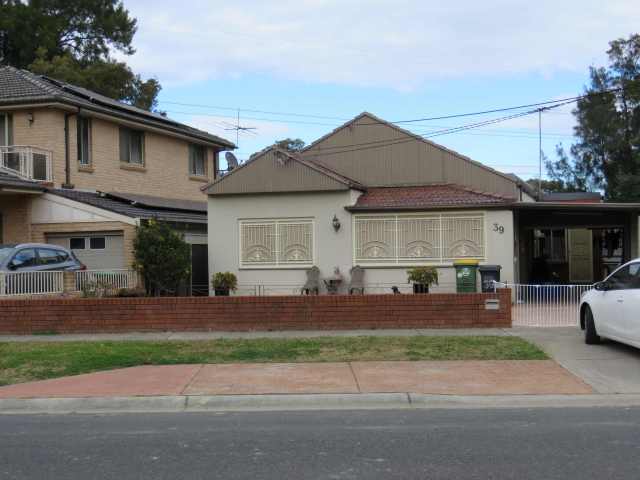
Again, the detail has gone, bar the vaguely decorative security grating on the windows. I asked daughter if this was a high crime area, given the houses that had security screens and she said that she didn’t think it was at all. So maybe just paranoia.
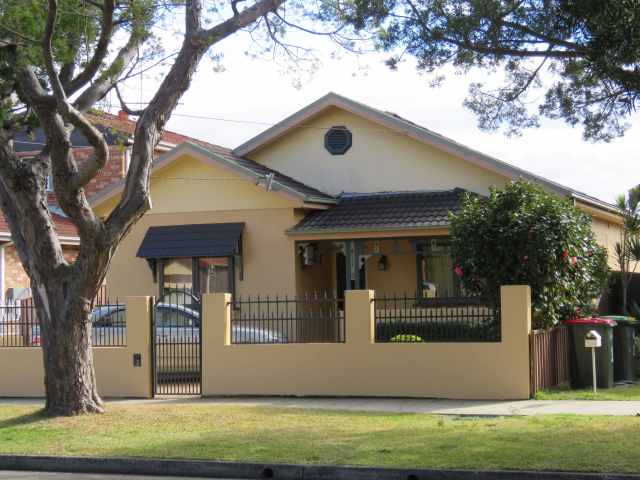
In more recent times, the suburb has become a little more desirable and the renovations are more… aspirational, shall I say? I did like the warm golden shade the render has been painted, the retention of original detail and the fence design to complement the house.

Modestly aspirational, perhaps? I feel it is a mistake to remove the detail of what I call the original eyebrows over the front windows.
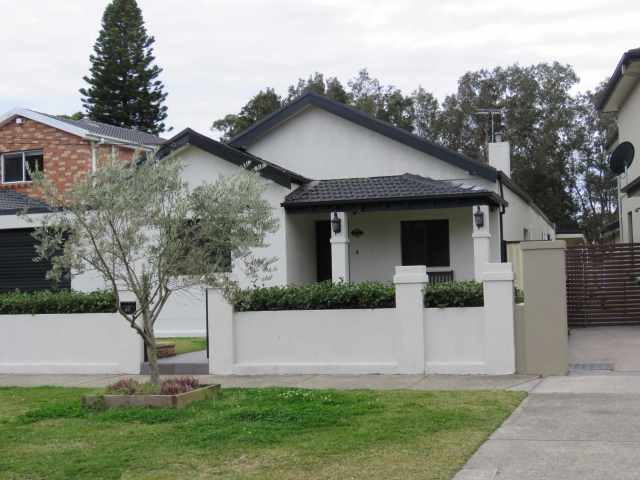
More aspirational but looking sharp. At least it is painted white with black trim, not grey.
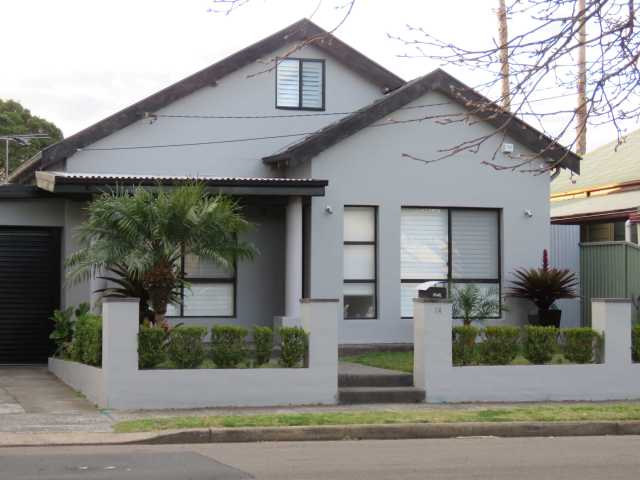
And here is the latest version – all original details removed, larger front windows, contemporary planting and painted grey (of course).
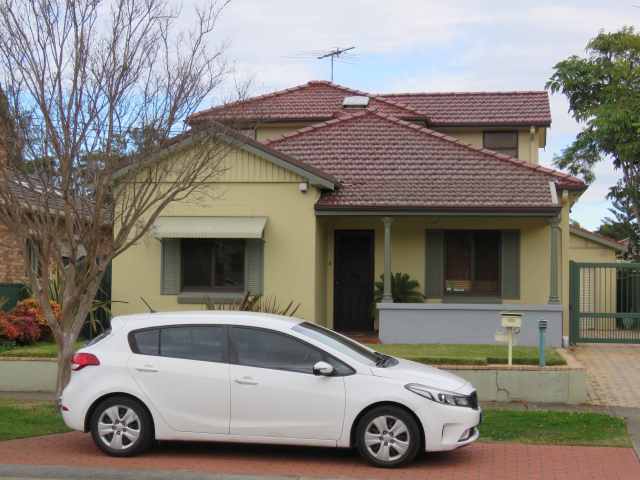
Then there are the houses that have been extended at the back. These are not on large sections so they need to go up to get much more floor space.
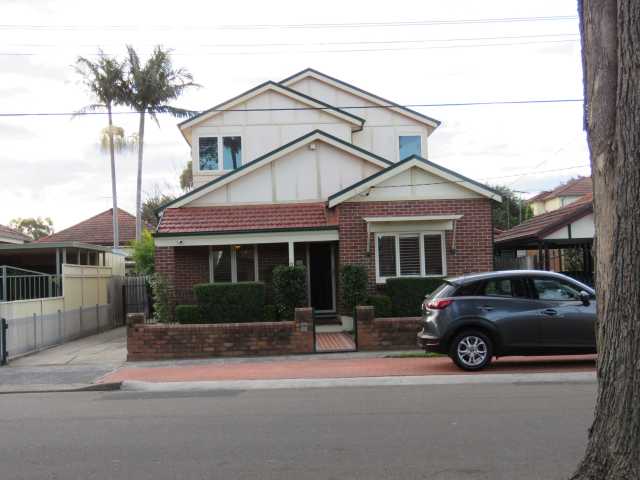
And E X T E N D E D indeed.
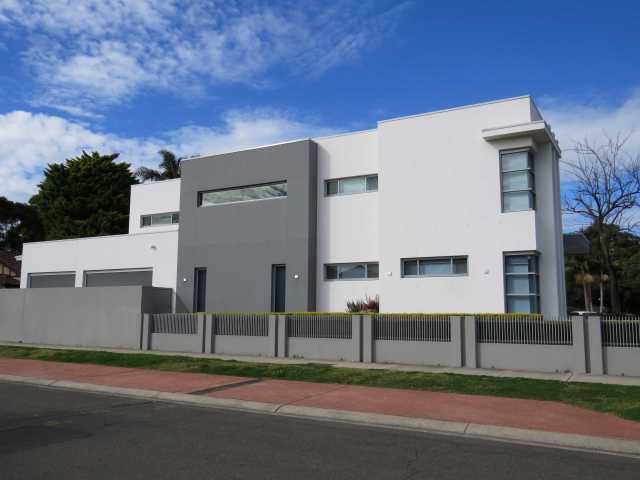
Typical of an older suburb which is undergoing rapid redevelopment, there was quite a lot of activity knocking down the old cottages and building McMansions in their place. I feel this photo is a fair representation of the change in space demanded in modern times, although it is rather better architecturally than the ones which were modelled more on the faux-Florida style – all in tasteful grey or taupe, of course.
*Spec housing is the shorthand term in our country for housing built by property speculators for immediate sale.
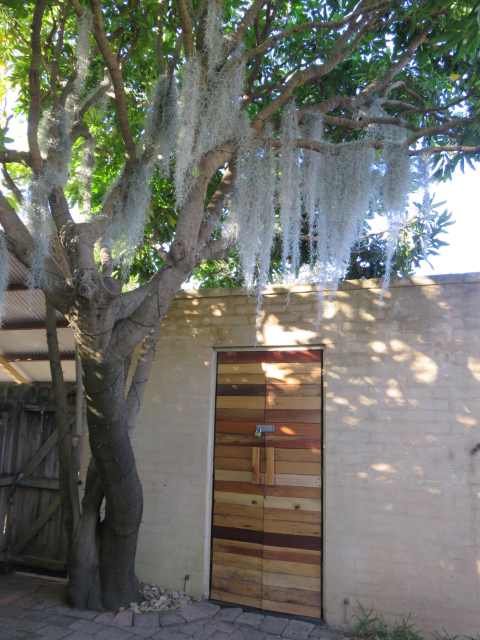
*NB Daughter and her partner do not live in one of these houses. Their property is way more interesting architecturally being part of a conversion of a 1920s art deco commercial building. It has a small back yard that they have turned into something interesting, albeit with insufficient space for one of her father’s magnolias.
 Tikorangi The Jury Garden
Saddest thing about urban housing areas is lack of interest in gardening. Towns are becoming full of bland, boring landscapes with very little life enhancing greenery. It’s no wonder our poor planet is boiling with the absence of plants to take up carbon dioxide being replaced with impenetrable surfaces where rain cannot soak away.
I don’t think it is as simple as lack of interest and failure on the part of individuals. Look at the huge uptake of gardening during Covid restrictions when sales soared. There are many factors and I think issues like urban sprawl, increased travel requirements, increased working hours, the need for most households to have more than one income just to survive, our time-poor modern society all play a major part. It is why public green space in our cities is more important now than ever before.
A very entertaining change of subject, Abbie. Very observant photos and commentary, with the final laughable flourish of the super-extended spec house.
Thank you, Sue. I am delighted you found the super extended house as amusing as I did.
It is interesting to visit other places!
And in a time of greatly curtailed travel, even more so!
For some communities, such tract homes are quite common. It really depends on when such communities developed, and how much residential development was needed at the particular time. I inspected landscapes for many tracts of homes that were quite dreadful. Some were three stories tall above a small garage, and attached to adjacent homes, with almost no garden space. The minimal garden space available was shaded by the surrounding tall homes. They are so identical that people sometimes come home to the wrong home.
My first visit to the UK as an adult (I was born there but left as a baby) was a revelation to me. So many identical houses and even now, new builds are often built to ‘fit in’ with the rest of the street, down to a requirement to use the same bricks. That was never the case here where development was more likely to have been in the hands of individual jobbing carpenters rather than planned building of estates.