

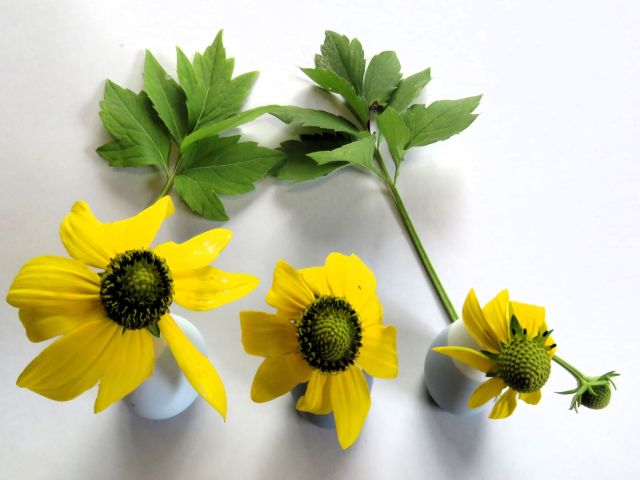
The plot thickens. About three years ago, we bought a plant as Ratibida pinnata. When I posted a photo of it, another nurseryperson commented that she thought it was actually Rudbeckia laciniata ‘Herbstonne’. I couldn’t tell from looking on line so I bought both the rudbeckia (also known as the cut-leaf coneflower) and ratibida (or gray-headed coneflower) again to identify. At the time, when I was comparing both new, young plants, to the one I had, I came to the conclusion that the original label was correct.

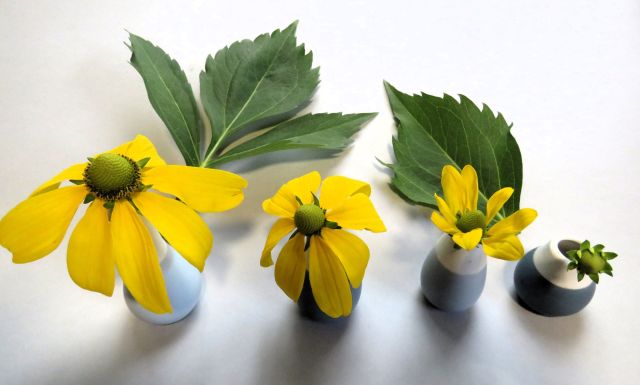
I was wrong. Having forgotten which I decided was which, I picked both flowers and foliage from each and brought them inside to compare to photos on line, with help from Zach and Mark. The foliage was a better guide than the flowers which can change dramatically from bud to maturity. The nurserywoman – Kate from Seaflowers Nursery – was right. What we had bought as Ratibida pinnata is in fact Rudbeckia laciniata ‘Herbstonne’. We are sure of that.
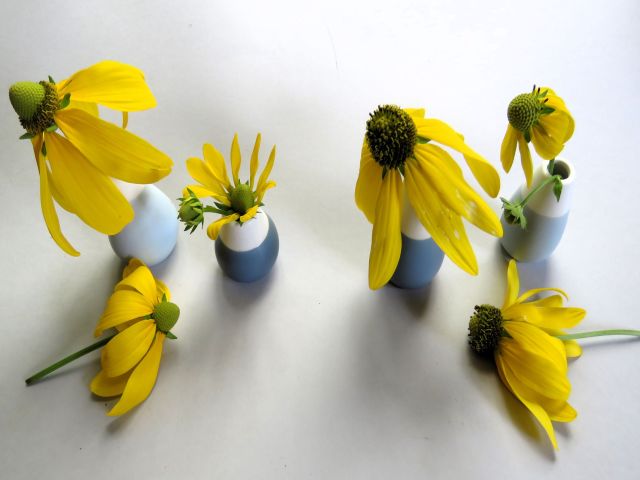
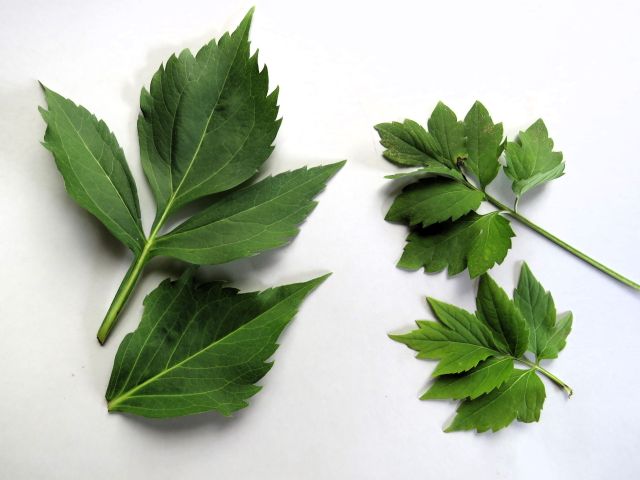
The flowers of both don’t pass what Mark describes as the ‘man on the galloping horse’ test. Would somebody passing by at speed be able to see any difference? No. In fact somebody walking past very slowly probably wouldn’t spot the difference. The colour, flower size and form, growth habit and stages of flowering from bud to petal drop are very close indeed. It was only when I picked assorted flowers to compare that the differences became obvious. The rudbeckia cone is more pointed right through from bud stage and it does not form as many disk flowers around the base of the cone. Subtle differences in flowers but the foliage is clearly not the same at all.
But what we have as the correct ratibida has us puzzled. The foliage does not match the photographs on line from websites in its native USA, including Minnesota Wildflowers.
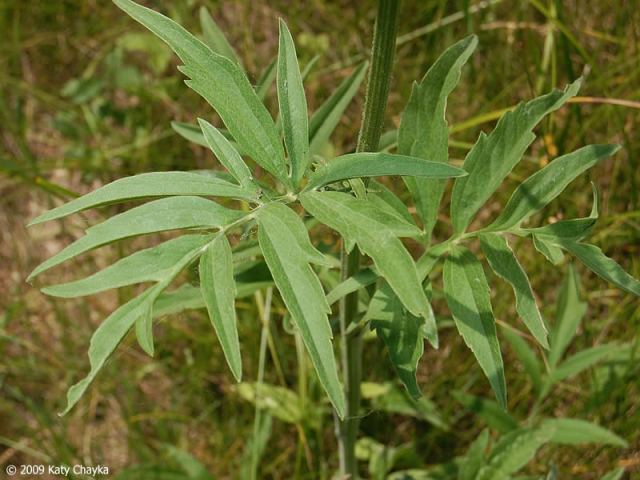
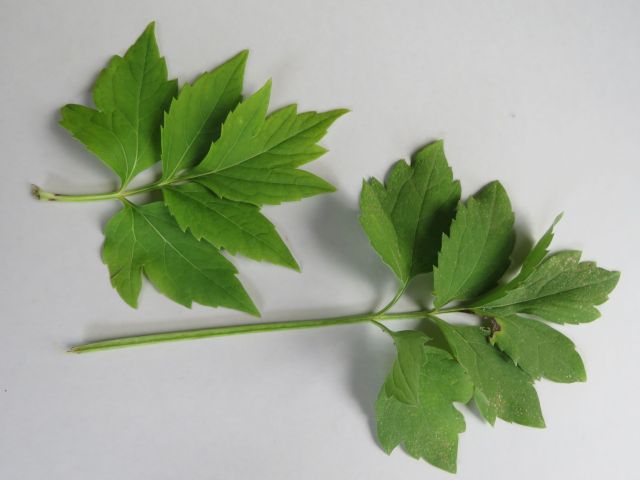
Confusingly, the plant Auckland Regional Botanic Gardens has posted as Ratibida pinnata looks to be the Rudbeckia laciniata. Maybe they bought it from the same source that our original plant came from?
My current conclusion, which I am more than happy to see corrected if I am wrong, is that if you buy Rudbeckia laciniata ‘Herbstonne’ in this country, it is highly likely that is exactly what you will get. However, if you buy Ratibida pinnata you may well receive the Rudbeckia laciniata instead. Or you may receive what we doubt is the ratibida but looks mighty like a rudbeckia species that is closely related to R. laciniata, to our eyes. All we need is a botanist with specialist knowledge in American wildflowers to clear this up for us. I see there are about 25 different rudbeckia species and my curiosity is not great enough for me to meticulously comb through all the different variations (species and named forms) to see if I can work out whether we are right.
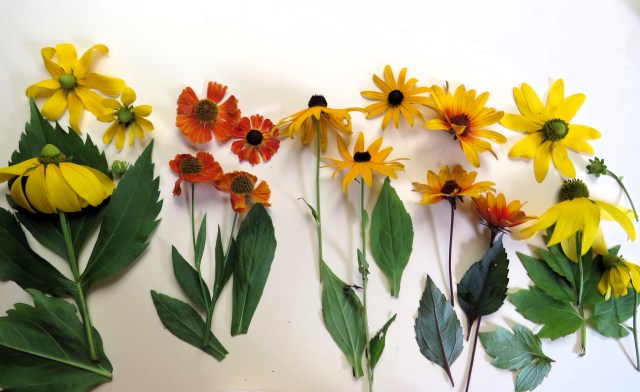
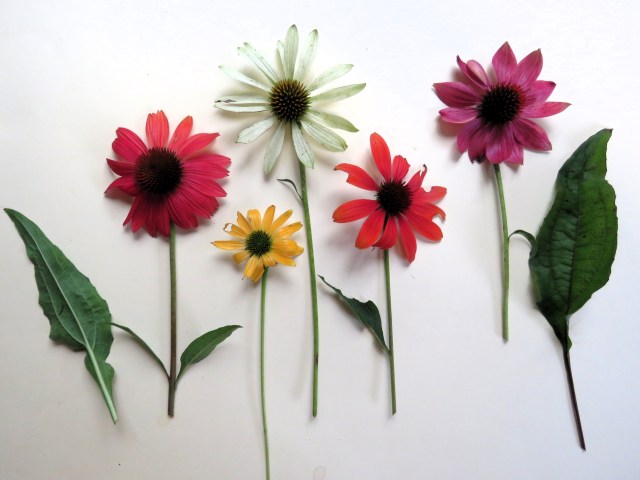
I am a fan of the American wildflowers that are largely members of the asteraceae family. Think daisy family, more or less. I love the colours in the summer garden but what I appreciate most is the sheer flower power of them giving a bold show. Some sunny perennials can be a little too heavy on the foliage to flower ratio or the length of blooming time can be very short. Not these plants – flowers in abundance and often over a long period of time.
Away from flowers and into colour, Zach gave me the ‘sad beige’ concept this week and it seems to fit well with my earlier posts on real estate grey. I had not heard of sad beige before but there is a little corner of You Tube and TikTok devoted to the topic. If you share my humour, you may find it amusing to dip into the existential misery of sad beige here, and here and here. But wait there is more. I laughed out loud.
Give me colour in my life. No sad beige and no real estate grey for me.
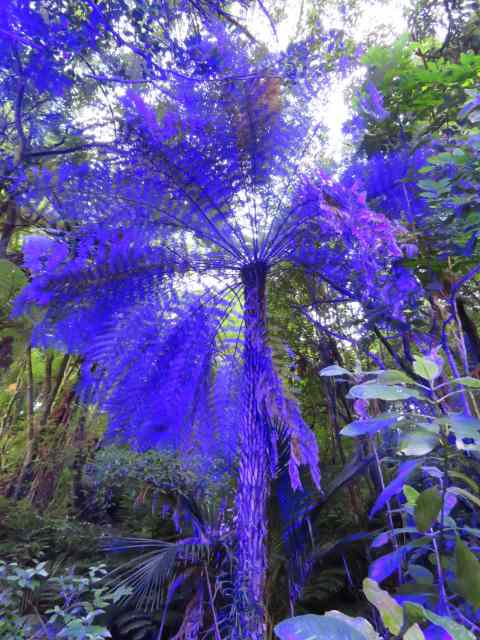
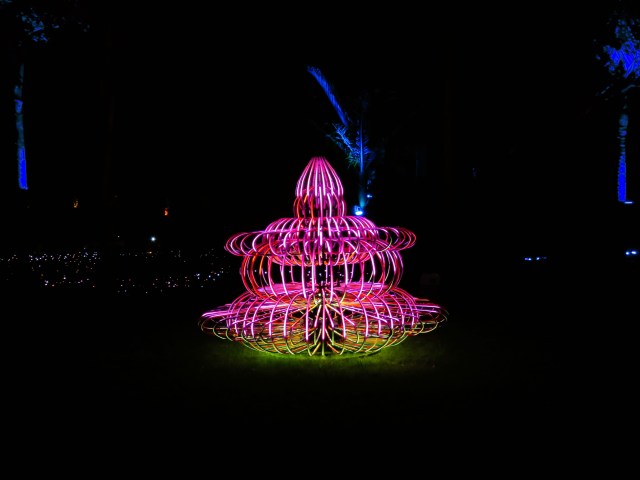
I meant to post a few photos of our recent excursion to see the Festival of Lights in Pukekura Park, the central city park in New Plymouth. What a joyous event, open to all and teeming with people out to enjoy the experience of seeing a park that is known and loved by all, lit up for the holiday season. We all complain about how much we pay on our rates bills (local property taxes) but I do not mind how much this costs in dollar terms. The bringing together of the community to enjoy a free event over several weeks is worth every cent.

 Tikorangi The Jury Garden
This may only add to the confusion, but we grow Rudbeckia laciniata (the species) in one of our garden beds and this year noticed a number of unidentified and unexpected seedlings dotted about in the bed. The plant hadn’t self-seeded before, but the seedlings we saw (that had grown to a decent size by the time we spotted them, well past the seed leaf stage) had foliage which looked exactly like the foliage you show as the Ratibida in your foliage comparison photo, and not like the foliage of the Rudbeckia that was growing close to them. As we’d put a lot of fresh soil in the bed in the winter we didn’t know whether we’d introduced some pest plant in that soil, but just in case it was something desirable we dug up a couple of the seedlings and potted them up, left three more in place and weeded out the rest. Now the surprise is that 3 days ago I was looking in the shade house for something else to plant and noticed that the two seedlings in pots had grown and developed flower stalks and, lo and behold, the foliage on the plants now looked exactly like R. laciniata and not like it had done when they were seedlings. The flowers on the seedlings haven’t yet fully opened, but they look the same as the supposed parent plant flowers that are at the same stage.
I think we have a few perennials that develop a different leaf form after the initial ground-hugging rosette, so I suppose the Rudbeckia does the same. Sadly the Internet is very good on showing photos of flowers and not so good on showing photos of leaf development. Perhaps this adds to the confusion in identification?
Oh, that is interesting, Tim. I was wondering how I could have made the mistake of identifying our original plant as a ratibida last year when I compared it to the rudbeckia and ratibida that Kate from Seaflowers sent me. But I was comparing it to juvenile foliage on very young plants. Now it is very clear that I was wrong and it is in fact the rudbeckia.
Nobody, alas, has stepped up to tell me whether the ratibida that we have in this country is in fact a ratibida. If you type in the name with ‘leaves’ (as in ‘Rudbeckia laciniata leaves’, there are images on line of foliage.
With so much useless content online, it is amazing how much useful information is NOT available. I still do not know which is Eucalyptus caesia and with is Eucalyptus pulverulenta.