
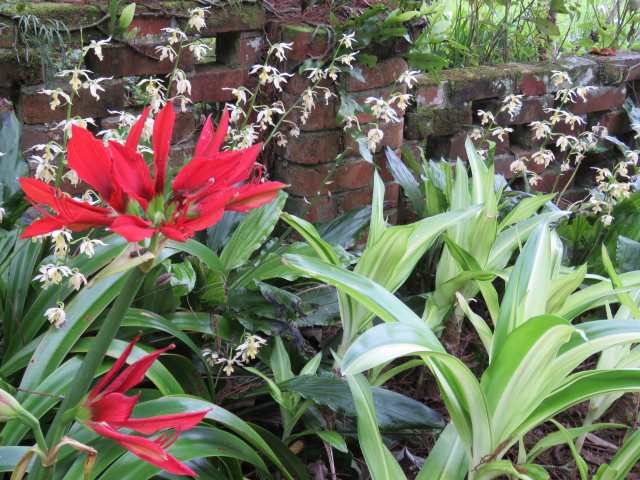
It has been a difficult week, so all I have to entertain readers with this week is scenes from the spring woodland. We like highly detailed woodland.
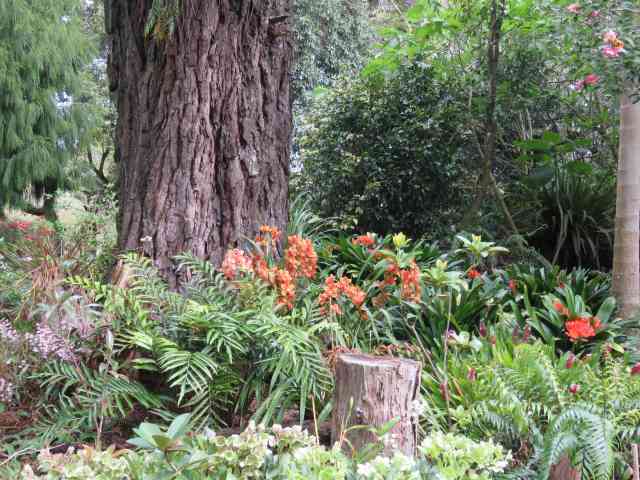
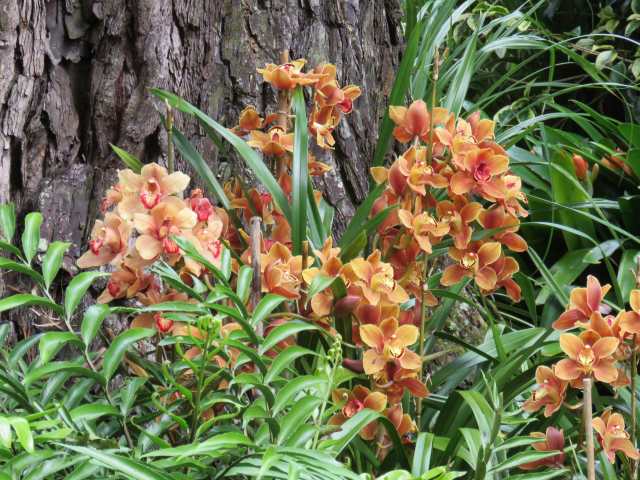
The key to woodland gardening here is to manage light levels. The charming scenes we see of European and British woodlands – the expanse of white birches underplanted with snowdrops and crocuses and that sort of thing – are beneath deciduous trees which let light in during winter and shoulder seasons.
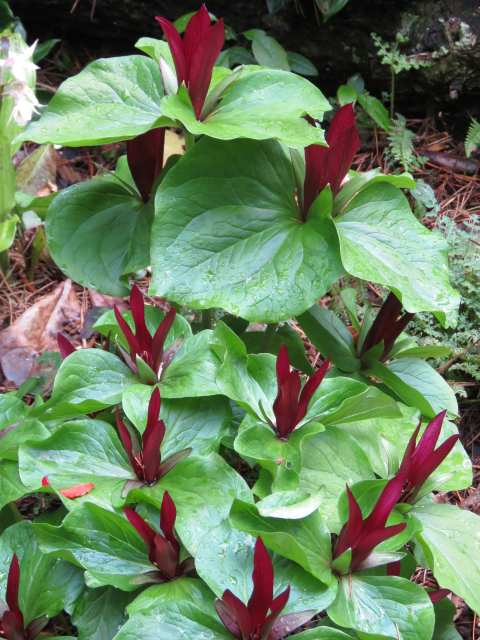
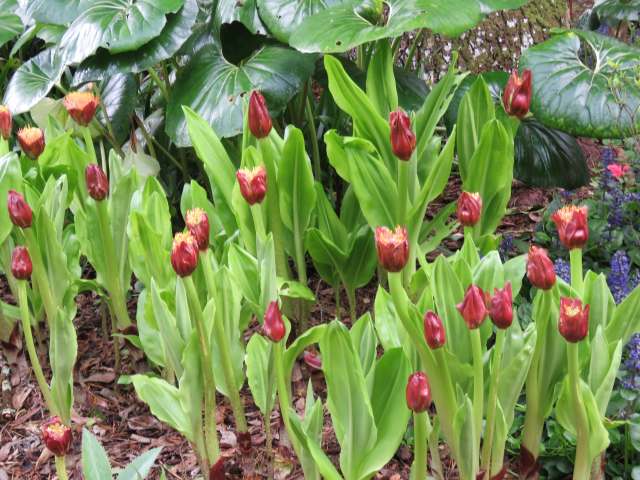
In Aotearoa, somewhere over 99% of our native flora is evergreen and most people tend to garden with exotic evergreens as a preference. In our years of retail, I encountered many gardeners who would reject anything deciduous. As a result, we don’t get the seasonal light coming into shaded areas. Also, with our rapid growth rates, trees tend to grow much larger. As UK author and horticulturist, John Hillier inscribed in our copy of Hiller Manual of Trees and Shrubs, ‘double heights and halve the time for New Zealand’. Dare I say it, UK woodlands often look quite spindly to my eyes.
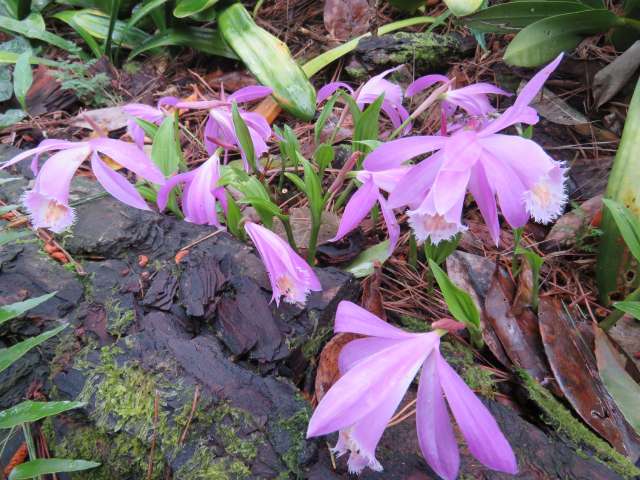
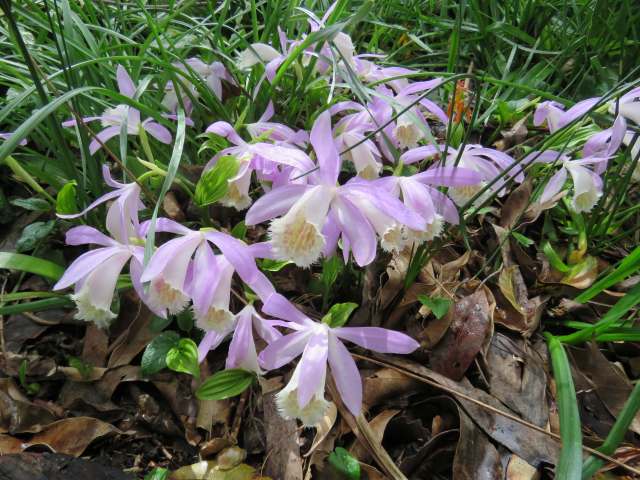
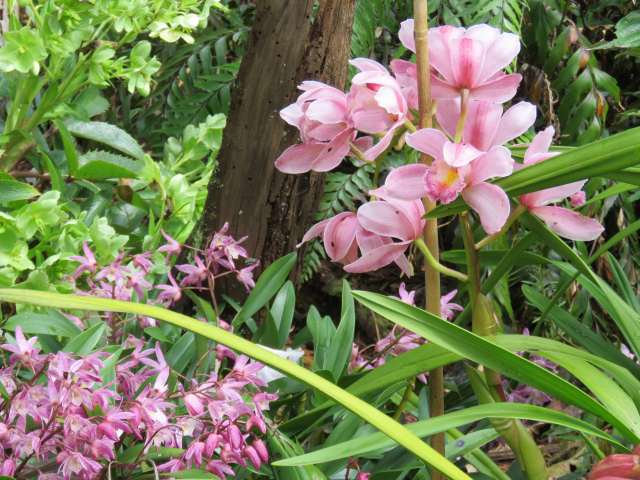
Woodland gardening means dappled light and some shade, but not deep shade. There aren’t many flowering plants that will perform in deep shade. Lifting, limbing and thinning are needed to create high shade and to allow reasonable light levels below.
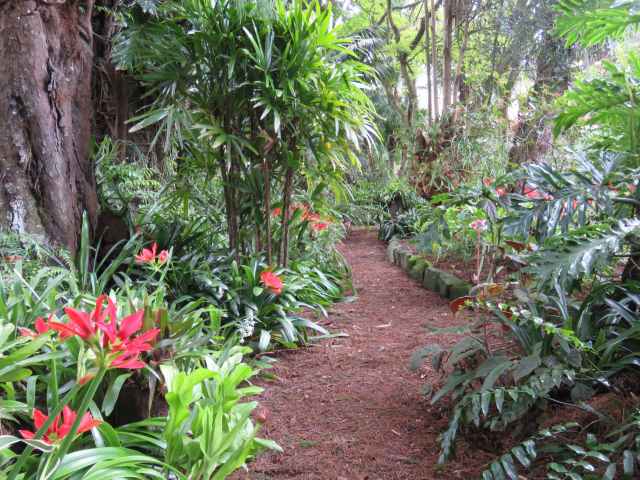
There are also times when the soils below will need some extra texture, volume and replenishment in order to get small plants established. Small plants at ground level won’t thrive if they are bedded in amongst dense tree roots which have dried out the surface.
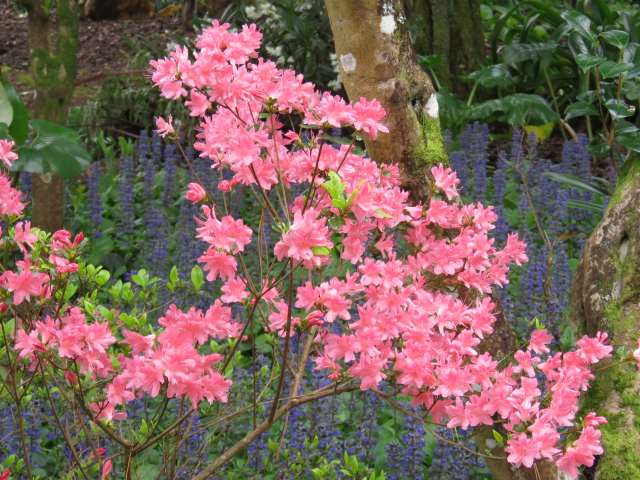
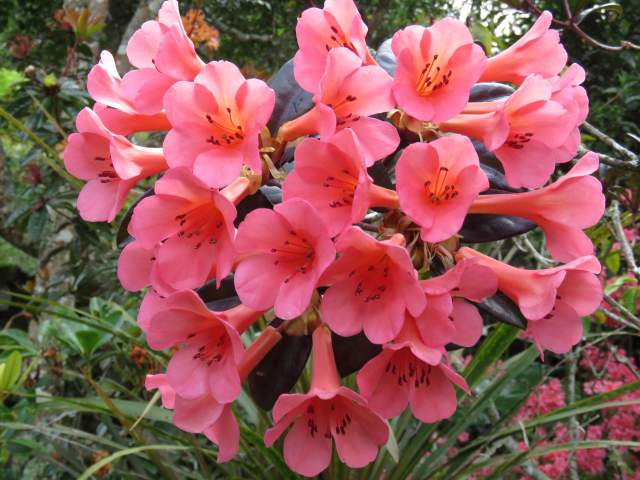
On the upside, even high shade and dappled light is enough to hugely reduce weed growth and the visual delight lies both in the detail below and the play of light. It is much lower maintenance than gardening in full sun.
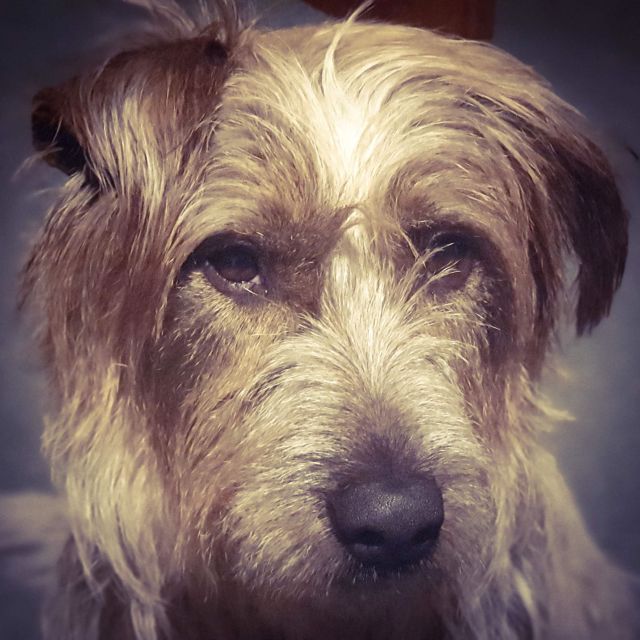
Why a difficult week, you may wonder. We nearly lost our beloved dog Ralph to poison – not our poison and not deliberate but traumatic, nonetheless. We thought he was going to die on Tuesday night. He is still recovering and we are now confident he will survive, although there is a possibility of long-term organ damage.
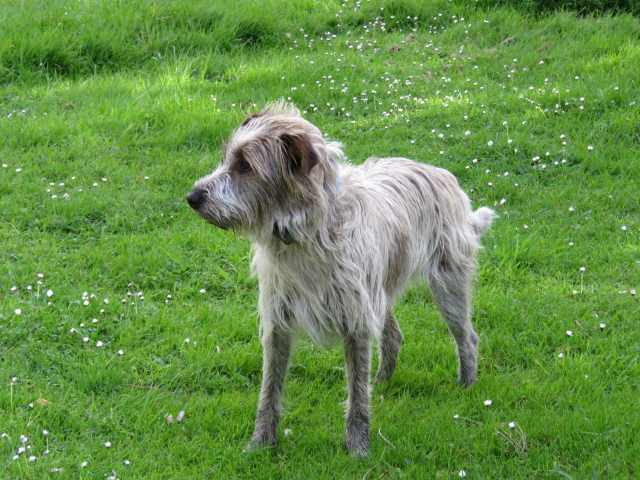
It is perhaps little understood in this country that our predator-free goals are only achievable with the extremely widespread use of slow-acting poisons, one of which has no antidote. There is a pretty gung-ho attitude and light regulation when it comes to the use of poison. We choose not to use it and will trap and shoot instead. Ralph’s ordeal this week is a reminder to us of why we made that decision. Our lives would have been so much poorer had he died so needlessly and in distress.
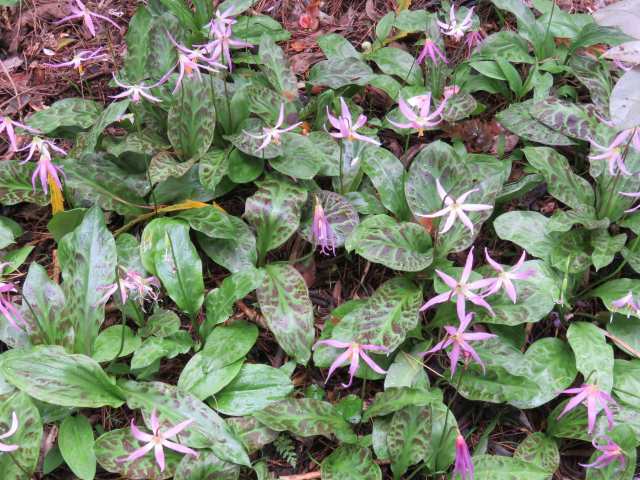
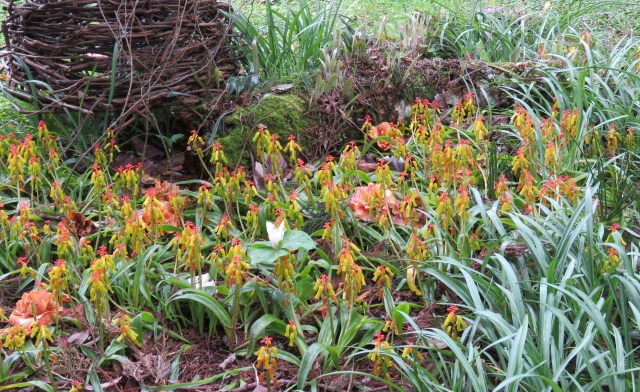
 Tikorangi The Jury Garden
Thank you for taking the time to post these beautiful scenes from your woodland whilst stressed by your near loss of Ralph. I hope he is better now and able to bring you more joy just like your garden does for me.
Thank you for such kind comments. Ralph is recovering but not as quickly as we thought he might.
Northern European (which includes our Irish gardens) have a muted underplanting because we don’t have the climate which would allow the, to our eyes, flamboyance that you can enjoy. Trilliums do very well here and I have them in good numbers.
Ah. My mother was a Yorkshire woman and she was right at home gardening down south in Dunedin. When she came up here to live for a few years, she really disliked the vibrant colours and flower size on so many plants. She may even have referred to them as vulgar. So yes, I get that lower key restraint of muted underplantings in your conditions.
Very glad Ralph is recovering and so sorry to hear why he was ill. He has such a lovely doggy face. Sending him best wishes for a full recovery ❤️🩹
All the best for the beautiful Ralph’s rapid recovery. We’ve been through this terrible drama with our (scruffy) dogs too.
I look forward to seeing photos of Ralph up and about, supervising Spring in your wonder-filled garden.
I’m so sorry to hear about Ralph. What a horrible thing to happen.
The woodland garden is looking beautiful. It was amazing when we visited later in the year, so you must have a long season of bloom there.
The woodland areas pretty much flower all year round but some times are more flowery than others. Thanks for your kind thoughts about Ralph.
Oh my, I should not have read this. It is good to hear that Ralph is recovering for now. Is he a cairn terrier?
Well, he is a rescue dog from the city pound. We were told he was a Cairn cross but if that is the case, he is on steroids. Cairns only measure 12 inches at the shoulder and he way bigger than that. Likely a terrier cross but I wonder about an Irish terrier.