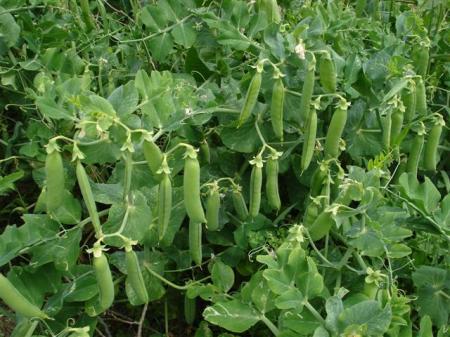
 Peas are a marginal crop in mild climates. They tend to be much more reliable and productive in cooler areas. The frozen products in the supermarkets are ridiculously cheap to buy and of very high quality. So the reasons to grow peas at home are less related to quality and volume and more related to life’s simple pleasures. The satisfaction of picking fresh peas to serve with Christmas dinner is an adult pleasure. The opportunity to browse fresh peas in the garden, popping them from the pod straight into the mouth is a delight that every child should experience and one that does not wane with age. Raw, fresh peas don’t last well so are rarely nice if you buy them. You need them straight from the plant.
If you want peas for Christmas, sow them straight away. They take about three months to mature. The seed is the dried pea so they are large and are sown direct into well cultivated soil, about 5cm apart. Cover the area. The birds will destroy the germinating crop as soon as it bravely pokes its shoot above the ground. We use low chicken netting hoops for peas and various other germinating crops. Other people string cotton across the patch, cover with a cloche or even raise in seed trays under cover to stop the ravages of our feathered competitors. Once the plants have reached about 10cm in height, they are generally safe but soon they need some support to cling too. Even dwarf peas benefit from support. We tend to use a length of wire netting with a wooden standard (or post) every few metres. This can be rolled up when not required and used repeatedly. The supports need to be about a metre high. We do not spray peas at all. Ever.
While you may read the advice that peas are predominantly an autumn crop, our experience is that applies best to colder climates. It may be relevant if you live in areas like the King Country with its cooler autumns and winters but in mild, humid areas, autumn sowing is more likely to be a waste of effort as peas are vulnerable to mildew. We have given up on autumn crops but will sow from June to late September. So don’t delay. You will have harvested them by the end of the year and can use the area for a late crop of corn.
First published in the Waikato Times and reproduced here with their permission.
 Tikorangi The Jury Garden