Category Archives: Grow it yourself

Grow It Yourself – capsicums

I have just been told He Who Grows the Veg here that he is not planting capsicums this year. He suggests I go and buy a plant or two if I feel I must have them. The problem is that capsicums need a long growing season in order to get a good harvest. That means a good four months of continual warmth. Even cold nights will set them back. You can hurry them along by planting them into black plastic or using a cloche but the resident veg gardener does not like them enough to lavish the same level of care that the rock melons get. Best guess is that most of the lovely big red, yellow and orange capsicums you see in the supermarket are grown in glasshouse conditions.

It is too late to start them from seed now, so if you want to grow them you will have to buy plants. Seed has to be started under cover in late August or early September. Capsicums are in the same family as tomatoes (solanum), but require more heat. They like similar conditions – full sun, plenty of warmth, friable soil full of humus and a position where they don’t dry out. Plant them about 50cm apart. Room for good air circulation can help reduce leaf diseases. You will get larger fruit if you thin the crop. Most capsicums start off green and can be picked at that stage. As they ripen, they can change through to yellows, reds and oranges. It is because these are riper that they taste sweeter and milder.

Paprika is, of course, ground mild capsicums – presumably at the point where they have ripened to red. Chilli and cayenne pepper are ground hot capsicums which we normally call chillis. Some chilli varieties are just hot selections of the same species as capsicums (C. annuum) while some are different species. They grow in the same way with the same heat requirements. If you like fresh chillis, they make a decorative container plant but you need to be reliable with summer watering.

First published in the Waikato Times and reproduced here with their permission.
Grow it Yourself – melons

The melons offer an annual challenge here because timing is of the essence. All melons like a hot summer so the further north you are, the more successful you will be. They also have a relatively long growing season of at least 3 months and you need heat at the end of the season to get sweet fruit. The trick is getting them out at the optimum time – early enough to get well established but not so early that they get checked in growth by inclement spring weather.

Melons grow on a vine, similar to a pumpkin or a courgette, each plant taking up at least a square metre. If you want to grow them vertically up a trellis, you will probably have to construct little hammocks for each fruit to support the weight. Because of the long growing season requirements, it is usual to put them out as small plants rather than starting from seed. You can try and hasten the initial settling in process by using a cloche or by planting into black plastic (which helps the ground to heat up more quickly). Mark has tried a new approach this year of building fresh compost beds in mounds for the melons, using grass clippings to generate initial heat. Ever the vigilant gardener, he has measured the temperatures and the mounds are sitting at around 35 degrees during the day, dropping to 18 degrees at night. He is hoping this is enough to really kick start the crop this year. It also has the advantage of supplying plenty of nutritious, organic material which the plants require.

Plants need to be well established and running profusely by Christmas if you are to have any hope of a decent harvest and even then, you are relying on a warm, dry autumn. So do not delay planting if you want to try growing them.

Water melons are a little more successful in marginal climates, though many of us may think they are a poor second to a good rockmelon.

First published in the Waikato Times and reproduced here with their permission.
Grow It Yourself – carrots

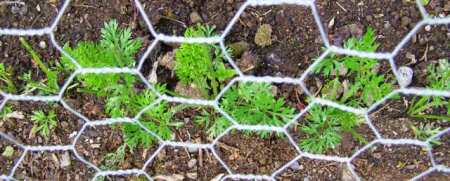
First time we have had to net in the carrots but Peter Rabbit paid a visit in the night and nearly put paid to a row of very expensive gourmet carrots

First time we have had to net in the carrots but Peter Rabbit paid a visit in the night and nearly put paid to a row of very expensive gourmet carrots

Generally, carrots sold in the supermarket are high quality, cheap and grown in New Zealand so the main reasons for growing at home are if you are aiming for self sufficiency, you want to be organic, you really like eating them at a juvenile stage or you want to try some of the less common varieties. They now come in purple, yellow, red and white as well as in a squat radish shape. As far as the traditional orange carrot goes, there are higher value crops to grow if space is tight in your garden. The critical aspect is soil preparation. Carrots do best in sandy or grainy soils so you need to make sure that yours is very well tilled and cultivated.

Carrot is direct sown from seed and that seed is extremely fine. We usually cover the row with a narrow strip of Novaroof to stop the seed from being washed out by heavy downpours. Once the seed is germinating, start thinning the crop and keep thinning it several times to get final spacings of 3 to 5cm. This allows each root space to grow.

It is usual to sow carrots in an area where you grew leafy vegetables before but don’t add more manure, compost or fertiliser. They certainly don’t want nitrogen which encourages leafy growth. Fresh animal manures can cause the roots to fork.

The main pest is carrot fly whose larvae chew holes in the carrots. We find early crops sown in September or October usually mature before the fly is on the wing. There are some carrot fly resistant strains. Other than that, we just cut out the larvae holes and trails because we prefer not to use insecticides in the vegetable garden though Diazinon is effective if you wish to try that. Crop rotation (growing them in a different area each year) also helps reduce the build up of pests.

The different carrots are available from Kings Seeds for New Zealand gardeners.

First published in the Waikato Times and reproduced here with their permission.
Grow It Yourself – Parsley

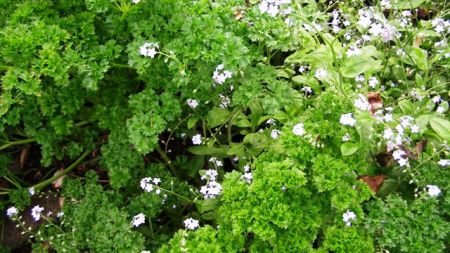
The parsley patch - naturalising nicely with the pretty but weedy forget-me-nots

The parsley patch - naturalising nicely with the pretty but weedy forget-me-nots

I am a huge fan of parsley. If you have a good big patch of it in the garden, you are never without a green veg, a garnish, a flavouring and a basic ingredient for all season pesto. Chop it through pasta, serve a thick layer on soup, use abundantly in coatings for foods – the options for use are numerous as long as you have plenty available. It is particularly useful in the depths of winter when you may have a shortage of other fresh greens. And you can feel virtuous because it is full of goodness if you eat enough.

The critical aspect of ensuring that you have an uninterrupted supply is to get it established two years in a row because this is a biennial plant. In its second year, it will set seed and die. As long as you leave at least one plant to go to seed, parsley can naturalise itself and pop up gently throughout the vegetable garden or even in the flower beds. Once you have established it two years in a row, it should continue under its own steam as long as you let some of the seedlings grow and are not too vigilant on the weeding.

There are two types of parsley – curly leafed (which is arguably more flavourful and easier to chop) and flat leafed Italian (which is allegedly sweeter and is certainly more trendy in modern recipes). Both grow in the same conditions so you can have either or both. Parsley is usually started in the first instance from seed. Be patient. It can take several weeks to germinate. While it is starting, it needs to be kept moist so if you are planning on sowing some, start before the dryness of summer. After that, just let it grow and start picking. It does not require any care and is generally free from pests and diseases.

First published in the Waikato Times and reproduced here with their permission.

GIY – Lettuces

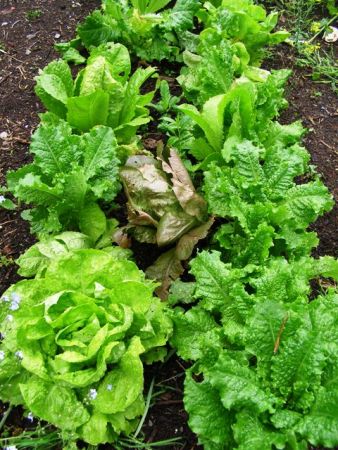
I am married to the former Mr Buttercrunch Lettuce Man. For years he has favoured Buttercrunch as the most reliable lettuce for the home garden because it grows so well and can be harvested leaf by leaf over an extended period. This year he has tried a different product from Franchi Seeds who are Italian so it has the name of Misticanza di Lattughe (or just plain lettuce to most of us). It is a great mix of different lettuces of cut and come again varieties which mature at different rates – and it includes Buttercrunch. He is most impressed by the range and performance and his lettuce patch has been yielding an abundance of mixed leaves from the early thinnings (micro greens) through to mature plants. He is now a convert to this particular product which is distributed in NZ through www.italianseedspronto.co.nz and he is sowing in succession at about three weekly intervals.

Lettuces like friable soil with plenty of nitrogen to help them make all that leafy growth. This means they are an excellent crop to follow on from a heavily fertilised crop like corn. They also need plenty of water – a bitter taste is often due to drought. Most take around 60 days to mature. When first planted, we keep a close eye out for slugs and also for cutworm which can work its way along the row, eating the roots off. Diazinon prills are used against cutworm if necessary. We don’t worry about slugs later on which means that the leaves need thorough washing before use. In high summer, lettuces tend to bolt to seed rather than making leafy growth but you can keep sowing and cut them as young plants.

First published in the Waikato Times and reproduced here with their permission.