Category Archives: Seasonal garden guides

Weekly garden guide, In the garden this week, In the Taranaki garden

In the garden this week: December 10, 2010

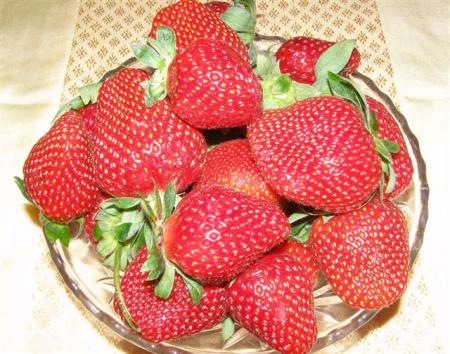
Alas, not from our garden
Alas, not from our garden

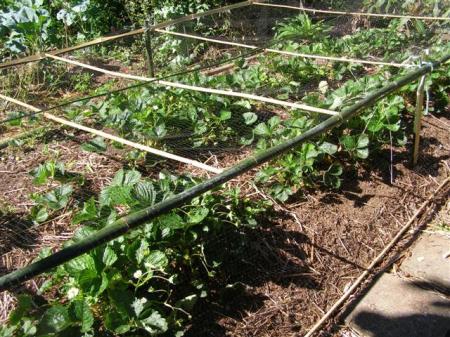
Better late than never - covering the strawberries

Better late than never - covering the strawberries

· The bright side of the current dry spell is that fungal diseases are not as common as usual. These tend to flourish more in times of high humidity. Despite that, it is a good idea to get a copper spray on to citrus trees as flowering finishes. We will not stay this dry and a copper spray can prevent premature fruit drop and a tendency to drop leaves.

· Pinch out laterals on tomatoes to keep them to one or two stems only. You want the plant to put its energy into forming fruit, not leafy growth.

· You can still plant for a late crop of tomatoes but you need to use small plants now, rather than seed. Get pumpkins and main crop potatoes in without delay.

· With summer just starting, it may seem far from your mind, but get leeks and celery in now if you want to be eating them in winter. They need all summer to reach a decent size.

· It is the last chance to start annuals from seed for late summer and autumn colour.

· There is not a lot you can be doing in the ornamental garden in this current extended dry spell, but continue with deadheading and deal to weeds. Push-hoeing is ideal in the current weather because the weeds will wither and die very quickly.

· The first flush of monarch caterpillars has eaten the swan plants of many, as far as I can tell from Google searches. You can finish off relatively large caterpillars on sliced pumpkin but it is not a total diet so no good for little ones. If you have the space, sowing a row of swan plant seed right now and making sure you keep it covered, will give you feed for later flushes of caterpillars. We target the late season, so we can get the monarchs wintering over in the garden, by sowing seed now but you do have to protect the crop to stop any eggs being laid on small plants. Very hungry caterpillars will demolish the lot extremely quickly with no regard for later generations.

· Mulch asparagus beds and let the remaining spears develop into leaf to strengthen the crowns for next season. Asparagus is a permanent crop but the crowns do have a finite lifespan – usually said to be about 15 years. Ours are considerably older than that but the crop this year was so poor, despite regular care, that we have had to resign ourselves to the thought that the bed has passed its use by date.

· Shamed by the very handsome strawberries I brought home from a local PYO place, Mark finally built an impressive netting cover for our bed, using our own bamboo, and we look forward to beating the birds to fresh fruit on Christmas Day.
In the Garden: December 3, 2010

• The lack of rain is really starting to bite now. Our garden is looking more like February than the beginning of December and there appears to be no respite in sight. Mow your lawns less frequently with the height set up a notch or two to reduce stress. Never fertilise a dry lawn. Most Taranaki gardens are fine without water so don’t water just for the sake of it. However, recent new plantings will need water every few days. Container plants need daily watering, hanging baskets twice daily. Watch the level on fish ponds and top them up as required.

• Vegetable gardens are the one area that may need regular water, especially for leafy greens and quick growing crops. Don’t blast water out at high volume with your hose. Try and copy the action of a sprinkler – going over and over areas with a light spray so that the soils can absorb it gradually. Wetting the top merely keeps down dust. Gentle soaking is the answer to getting the water lower down to root level where it can be absorbed. Mornings and evenings are better watering times because there is less evaporation.

• Declare war on convolvulus and wandering jew. Both can rocket away and stage a takeover bid if you turn your back. For non organic gardeners, the recommended sprays are still Woody Weedkiller for convolvulus and Shortcut for wandering jew. Organic gardeners have few options other than hard graft, hand pulling, digging and careful disposal of the waste – because any bits not killed will regrow.

• There are times I think that the only thing separating wisterias from the previous two noxious weeds are their pretty flowers. Give them a summer prune now. Hedgeclippers are fine or, if you are more precise, cut back the wayward growths to four leaf buds from the main stems. If you prize your wisteria, check for borer holes and pour some oil down any you find. A spray of CRC works or fill the hole with flyspray. Borer can kill even substantial branches on a wisteria.

• Main crop potatoes can still be planted, as can pumpkin, tomatoes, kumara and corn and all the leafy greens. Make sure you water your kumara runners and any small plants in or they will fry.

• If you plan on planting up containers of annuals to give as Christmas gifts, try and get them done soon for a better display. This is a great activity with children. Plain terracotta pots are cheap to buy and easily painted by even very young children using acrylic paints. A 20cm pot (measured by the diameter of the top) only needs about three small plants to fill it so two punnets are sufficient for maybe four pots. Cheap potting mix is fine for annuals. Keep the water up to them every day and watch out for slugs and snails. By Christmas, you can have pots brimming over with flowering pansies, petunias, lobelias, ageratum or similar show stoppers.

In the Garden this week: November 26, 2010

· It is looking dangerously like drought territory so start battening down the hatches just in case. The word from the chief garlic grower here is to water your garlic regularly. After many years of growing it with unpredictable harvests, he has come to the conclusion that very dry conditions at this time of the year can stunt growth badly.

· If your container plants are not getting watered every day now, they will suffer. If you are getting behind, move them to a shady area near an outside tap or relocate them by your outdoor living area or doorstep where their poor, sad, droopy appearance is more likely to remind you to look after them.

· You shouldn’t put mulch on to dry gardens – it can act as a barrier to stop moisture getting in as well as out. If you were intending to mulch before summer, make it top priority this weekend but you will need to get the garden free of weeds first, then give it a really good soak (not just wetting the top surface) and then get the mulch on.

· Lift the level of your lawnmower a notch. You do not want to stress the lawn by scalping it in the dry conditions or you will lose your desirable lawn grasses and risk an invasion of hardy weeds. A reminder – deal to onehunga weed straight away and don’t let it get hold and go to seed. It is the seed that is prickly.

· At least with the sun, you can push hoe or hand pull weeds and leave them on the surface to wither and die. Just make sure that you remove any seed heads first, or you are merely sowing the next crop of weeds. It is what pockets are for (to store the seed heads) or have a bucket nearby.

· Keep up the successional sowings of corn, green beans and salad greens – a little very two weeks is the key to ensuring continued supply.

· A correction to Plant Collector from two weeks ago – the little shrub with the lilac blue pouch flowers is in fact Jovellana punctata, not Jovellana violacea. Both are from Chile but the true violacea has larger leaves and deeper coloured but smaller flowers. The friend and plantsman, who pointed out the error, also brought me a plant and flowers from violacea to compare and the differences were obvious. He has seen them growing in the wild. He was kind enough to note that it is a widespread error in this country to misname punctata which is more common here than violacea. I was, apparently, in good company with my mistake.

In the Garden this week: November 19, 2010

• Get swan plants in without delay, especially if you are sowing seed. Ideally you want the plants to be growing strongly before the influx of summer monarchs appear, laying eggs which hatch into very hungry caterpillars. This may mean covering them at some stage or culling early eggs.
• In our climate, both potatoes and tomatoes generally need regular sprays with copper to keep blights at bay. If you don’t, you risk losing the plants. An application every few weeks is recommended, especially after rain. Warmth and humidity can lead to an explosion of fungal ailments.
• Do not delay on dealing to onehunga weed in lawns. This prickly weed can make life miserable for children in summer and if left unchecked, will spread alarmingly. The recommended treatment appears to be Prickle Weed Killer and I am told that if you spray now and again in February or March, you can pretty well eliminate the problem. This is not organic and we don’t know of any organic alternative, short of getting on your hands and knees and weeding the lawn.
• It is still fertilising time. With most plants in full growth, their ability to draw up the fertiliser and gain maximum benefit is at its peak. Cheap and cheerful fertilisers like our locally made Bioboost, blood and bone or nitrophoska blue are all that are needed for the garden, along with compost.
• Top priority for planting out in the vegetable garden are the crops that need a long growing season – the aubergines, melons, tomatoes, capsicums, chilli peppers, cucumbers, kumara and pumpkins.
• Keep planting salad vegetables for continued supply.
• Most of the root crops can be planted now – carrots, parsnips, potatoes, beetroot, yams and kumara.
• Plant leeks now if you want big ones to harvest next winter.

In the Garden: November 12, 2010

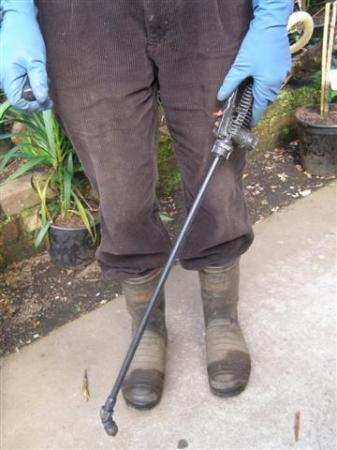
Gloves and covered footwear should always be worn when spraying

Gloves and covered footwear should always be worn when spraying

• Mark was unimpressed to see public sector employees who were not wearing protective gloves, out with knapsack sprayers recently in Waitara. As far as he is concerned, even with safer modern chemicals and modern spray units which do not leak like the old ones, gloves and covered footwear should always be worn when spraying. It is a good rule for the home gardener too.

• It is getting late for planting out woody trees and shrubs and we are into an unusually dry spell (after an unusually wet, early spring). If you are still planting, make sure you plunge the whole plant into a large container of water and hold it down until the bubbles stop rising, or leave it there for an hour so the whole root ball can get wet before planting. And be prepared to water for the next couple of months. Better practice is to heel such plants into your vegetable garden where the soil is already friable and well cultivated and plant them out to their final location in autumn. This includes fruit trees as well as ornamentals.

• Herbaceous plants (those without trunks and woody stems) are more forgiving and can be planted out at pretty well any time as long as you are willing to water for the first two or three weeks.

• The vegetable garden should be calling you. Plant everything now for summer harvest. Successional planting is what extends the season – getting repeat crops sown every couple of weeks. This works for green beans (great crop in our climate), corn, peas and all the salad greens and leafy greens. Radishes too, if you grow them – fun for children to grow because they are a quick crop but few will enjoy eating them.

• If you feel compelled to grow celery, get it in now as it needs a long growing season. We prefer Florence fennel which is easier to grow and fills a similar niche in the diet.

• Keep an eye on roses for aphid infestations. Digital control is usually all that is required if you catch them early enough (in other words, gently running your finger and thumb over the infested areas and squashing them). I have used fly spray in the past (pyrethrum) and I am told soapy water works. Get rid of any flowers or seed heads on hellebores to reduce breeding grounds for aphids.

• Winter pruning is all but over now. Spring deadheading should be happening – rhododendrons, azaleas, pieris and roses. Truly dedicated gardeners (usually those in small gardens) also deadhead perennials and annuals to extend the flowering season.

• Snip back the laterals on your grapes to prevent them breaking off in the wind and you can start summer pruning apple trees by nipping back the over long growths.