- Tuesday’s bitter cold, coming as it did after a cold and rainy Queen’s Birthday, was a reminder of why really keen gardeners like to have both a good, weather-proof shed and a glasshouse. A glasshouse makes raising micro veg, mesclun mix and rocket in trays over winter a great deal easier. It also enables you to plan ahead, sow seed and have plants in little pots ready to go out to the garden as soon as conditions are right.
- Sitting around of a winter’s morning drinking coffee and discussing celery (as we do here), I realised that we have never even mentioned celery in these weekly hints. That is because it can be a very difficult crop to grow well and in the combined experience of growing vegetables here, totalling about 60 years between Mark and Lloyd, both agreed that it is hardly worth the effort for the stringy green stems that result. And if you try blanching the stems to reduce the greening which makes it strongly flavoured and tough, it tends to create a lovely home for slugs. Then leaf diseases defoliate the plants. We have long figured that it is easier to buy the clean stems from the supermarket when required even if they are hardly organic.
- If you want the taste and texture of celery at home, celeriac gives the flavour and is a great deal easier to grow successfully. And Florence fennel or finnochio is a reasonable substitute for the texture (and actually more delicious in our opinion). Both celeriac and fennel also hold very well in the garden, giving a longer season. You can sow celeriac and fennel seed from late August onwards, earlier if in pots under cover. If you want to try celery, you can start it at the same time for summer harvest and follow up with a sowing around Christmas for winter harvest. Treat all three crops as gross feeding, green leafy crops not root vegetables.
- Plant garlic, shallots, broad beans and the unfussy brassicas.
- We have a kereru (wood pigeon) which comes in repeatedly to feed from the remnant apple leaves still on our espaliered apple trees outside the kitchen window. There are always tui visible, currently feeding from the early camellias (they need to be simple, single flowers with visible stamens to feed the birds), monarch butterflies are cold but still here and ladybirds are creeping in our wooden joinery to hibernate in the folds of the curtains. We have to take care not to vacuum the ladybirds up when they fall. One of the pleasures of having a garden is the chain of nature it can encourage.
- Keep an eye on your favourite garden centres to see what new stock they are taking delivery of at this time. It should include fruit trees, new season’s roses, strawberries, all the deciduous crops such as magnolias and cherry trees along with a range of shrubs – all suitable for immediate planting.
Category Archives: Seasonal garden guides
In the Garden: June 4, 2010
• Queen’s Birthday Weekend may herald the first arrival of new season’s rose plants in many garden centres but it also marks Arbor Day. Planting a tree will do more for the environment than planting a rose. If you can’t tell a good variety of tree from a cheap filler tree, then get some advice from somebody you trust.
• If you buy bare rooted roses (as opposed to ones in planter bags or pots), don’t let their roots dry out at any stage. Plant them immediately, trimming any ragged or damaged roots. Roses are best in full sun with rich, friable soil. Plants will have had a quick prune before being despatched from the nursery but you usually need to follow up with a tidying prune at some stage after planting. We will bravely tackle rose pruning made simple in a few weeks time in Outdoor Classroom.
• The recent run of dreary wet weather has meant that our soils are pretty waterlogged. It is a good rule of thumb to avoid walking on garden beds where possible, but even more important when soils are we. Many experienced vegetable gardeners keep a couple of long boards lying around. These can be handy to act as a straight edge for planting in rows but their primary use is to walk on when soils are wet. The board will disperse your weight and greatly reduces soil compaction. They should be used at all times in conditions with heavy soils which does not generally apply in Taranaki – think the mud and clay of Auckland, Manawatu or Dunedin and be grateful for our friable volcanic soils.
• If you have positions where you often take a shortcut across a garden or have to stand in the same spot in order to weed, think about placing a stepping stone or paving slab to stand on to avoid continual compaction.
• Lilies of most descriptions, rhodohypoxis and pleione orchids are all dying down now and can be lifted and divided if required. With pleiones, the large central bulb becomes mushy and black, never to appear again and it is the green back bulbs which will grow and flower.
• Rocket much prefers cooler weather (it bolts straight to seed in summer) and makes a good winter crop in pots or a seed tray.
• Bringing outdoor furniture in under cover for winter greatly extends its life expectancy. We know this from experience.
In the Garden: May 28, 2010

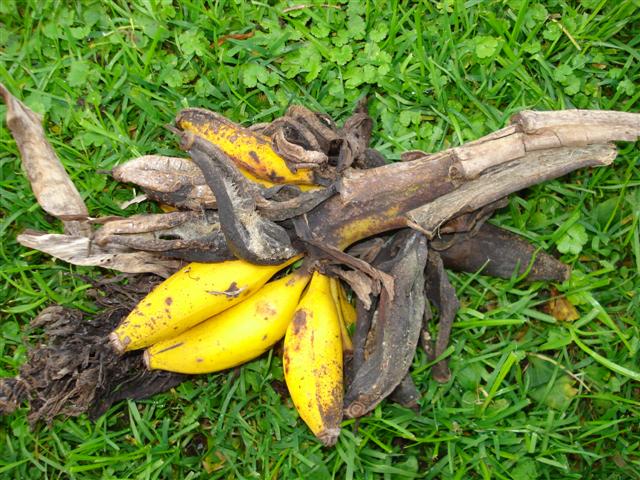
The banana crop this year was particularly disappointing. Mark took the teasing in good heart and blames a few severe frosts last year at a time when we were overseas
• It is time to batten down the hatches for winter. If you have frost tender plants you need to get under cover, don’t delay. Mark spent the better part of the weekend building a Rolls Royce protective shield for his fruiting bananas, so determined is he to get a good crop through next summer. Reduce watering of house plants and move sensitive plants off window sills. Never let them sit in water (the fastest killer of African violets) and remove saucers from beneath outdoor container plants.
• Valiantly eating my way, mostly singlehandedly, through the feijoa crop, I can report that the fruit from the old fashioned Coolidgei is a great deal tastier than the more common Unique. As the fruiting season finishes, you can get in and do any pruning you think is required. This is an optional activity but I did notice in our Urenui days that the row of four very large plants on our boundary which were mostly shaped to a single leader with a canopy made gathering the fruit a great deal easier than our current bushier plants. If you only get pathetic little fruit, you probably have seedling grown hedging. You will need to buy a named variety if you want good sized fruit in the future. To extend the harvesting season, you will need to plant early, mid and late fruiting varieties – check www.feijoa.org.nz for recommendations. Most named varieties are self fertile.
• Mark is pleased to still be harvesting fresh corn and green beans. It has been a bit of a close-run thing on whether the last sowings will get through in time but there is no doubt that you can extend the season by successional plantings. We would be harvesting yams at this time, had they been planted last spring.
• Think garlic and shallot planting for the veg garden along with broad beans. It is the optimum time for all three crops. Garlic and shallots like really well cultivated and enriched soil but incorporate any animal manure and compost a few weeks in advance of planting to give it a chance to settle and mellow.
• Generally speaking, the next major planting push in the veg garden will not happen until August when temperatures start to rise again. Wise gardeners will try and keep weeds under control in the interim but you have basically left it too late for sowing green crops.
• Queen’s Birthday weekend is coming up soon – this is traditionally rose buying time when garden centres take delivery of new season’s crops. The timing of rose pruning is flexible. While gardeners in colder spots will want to delay pruning until later in winter, in warmer areas it is fine to prune any time from now through to the end of August.
In the garden: May 21, 2010
• I read in Monday’s paper that the average Brit spends six months of his or life discussing the weather. I wonder if that could be doubled for gardeners everywhere? Last weekend’s rain and fresh coating of snow on our mountain is a timely reminder that the chill of winter is just around the corner. Make the most of the milder autumn weather still lingering on.
• If your dahlia plants were too big, fell apart from the middle and flopped over this year, it is probably a sign that there are too many tubers. In cold climates, dahlias are lifted every year and over-wintered under cover. Here, where most of us just leave them to their own devices, often as roadside plantings, that lifting and thinning process does not happen. Be ruthless. As they die off for winter, lift and thin. You will get a much better display next summer and autumn.
• It is a good time to lift and divide day lilies (hemerocallis) which respond well to a bit of attention occasionally. If the clump is very congested, it is often the outer part which contains the greatest vigour and strength so discard the middle.
• Plant brassicas for spring eating and broad beans too. Continue sowing leafy greens to ensure regular harvests. Most of the quick maturing Asian greens can be grown over winter as well as silver beet and winter spinach. Peas can also be planted.
• Get an autumn copper spray onto citrus trees to prevent leaf drop, fruit rotting on the tree and a range of nasties. This is a critical spray to carry out if you want to protect your harvest. Mandarins are particularly vulnerable.
• Don’t let the autumn leaves build up in your fish ponds. Rotting leaves can reduce the oxygen levels in the water and even kill the fish in extreme cases.
• Keep a sharp eye on weeds. With the shortening day length, pesky cress does not bother about growing large. It just goes straight to seed, as do other weeds.
• Green crops must be sown now if they are to make some sort of growth before winter and to justify their role in nourishing the vegetable garden. Don’t put it off. Green crops develop a root system which makes the soil much easier to break up and till in the spring, particularly with heavier soils.
In the Garden this week: May 14, 2010
• No doubt the weather statistics will confirm in due course, but this autumn seems to be notable for the extended spell of calm, sunny, dry weather. It will run out soon and we will be complaining about damp, bleak and cold days so make the most of the mild conditions while they last.
• If you wish to use sprays on your lawn to kill out flat weeds and invasive competitors, it is much safer to surrounding plants to apply in autumn. Most lawn sprays are hormone based and designed to leave the grasses while targeting unwanted plants. Hormone sprays are particularly damaging to vulnerable plants which can be affected by even the slightest of spray drift. Always use on a dead calm day. Deciduous plants coming into growth in spring can get hit very hard by a mere whiff (magnolias and kiwifruit in particular) so applying these sprays in autumn can be an extra safeguard and still effective.
• While on lawns, if you wish to fertilise yours, watch the weather forecast and always apply just as the rain is about to start to avoid burning the grass. Don’t be heavy handed – keep to the recommended application rate. If you use a mulcher mower, you don’t need to feed the lawn to keep it lush and green because you are constantly returning the goodness in the clippings.
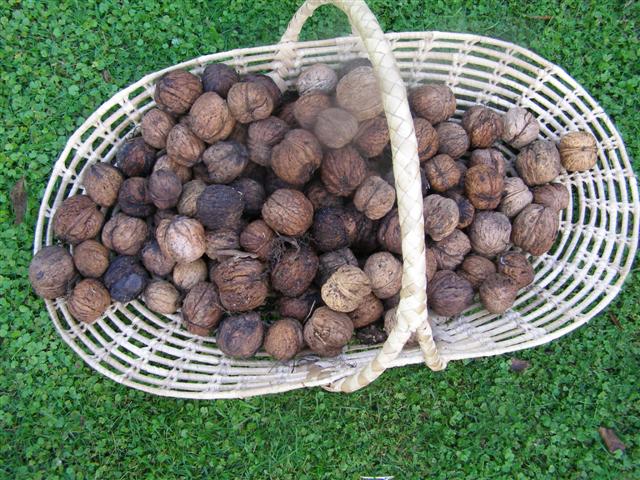
• If you have any nut trees and have yet to gather the autumn harvest, the rats will likely be beating you to them. It doesn’t pay to delay picking them up. As a general rule, nuts need to be dried in a warm, airy position for a few weeks before being stored or used. The personal nut favourite here is the enormous walnut we grow (nice and easy to shell) but it is not a heavy cropper.
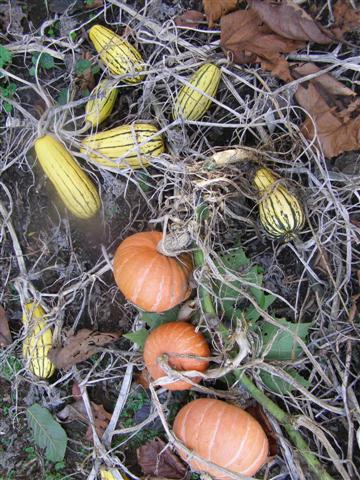
• Lift the last of the season’s potato crops to avoid damage from insect pests and blight. Gather up your pumpkins before the weather turns cold and wet. Likewise, keep your compost covered to keep it warm and dry. We use heavy black plastic for this.
• Sow down bare areas of the veg garden in a green crop. Lupins are a good winter option and have the added bonus of fixing nitrogen in the soils.
• If you haven’t renovated your strawberries, get onto it straight away because these are spring croppers and they need to get re-established while conditions are still mild. You can split the clumps if they are a clumping type or replanting the runners and discarding the old crown is the usual method. Replant them in well dug, friable, rich conditions in full sun.
• The early spring bulbs are all coming through the ground. Watch where you put your feet and be cautious with weed spraying and push-hoeing.