Category Archives: Tikorangi notes

Tikorangi Lost – how a little community is being sacrificed to the petrochemical dollar

???????????????????????????????
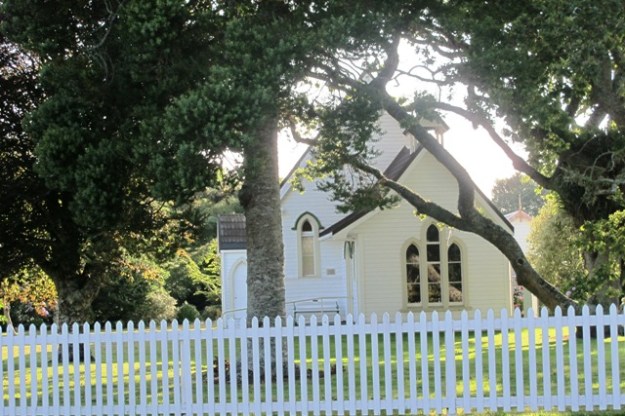
Ours is a typical rural community in North Taranaki, about 5km off the state highway. We named our garden for the area. There are two main(ish) roads here and about five side roads. The country store has long since closed but we have a pretty little church which is still in use.
???????????????????????????????
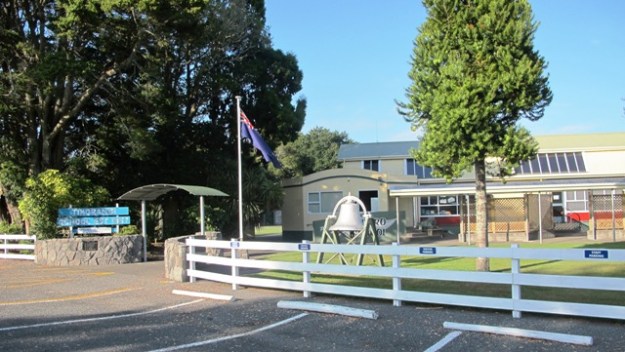
We have a country school which has been here for 146 years. It currently has a roll of about 140 though that has been inflated by children from the town of Waitara 6km away.
???????????????????????????????
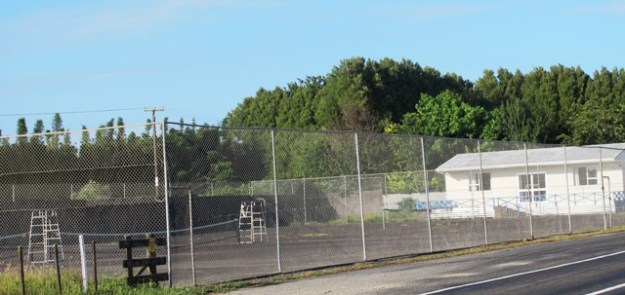
We have tennis courts, a rugby club and a well kept community hall. The original dairy factory is still here. It has Historic Places A classification and is a home these days.
???????????????????????????????
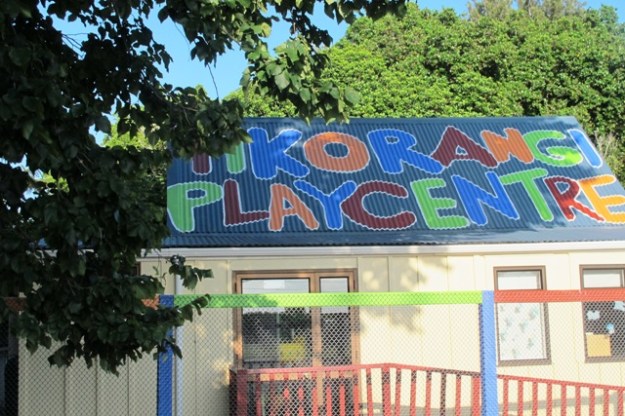
We even have an active playcentre in an historic building (the original school). It too has Historic Places A classification.
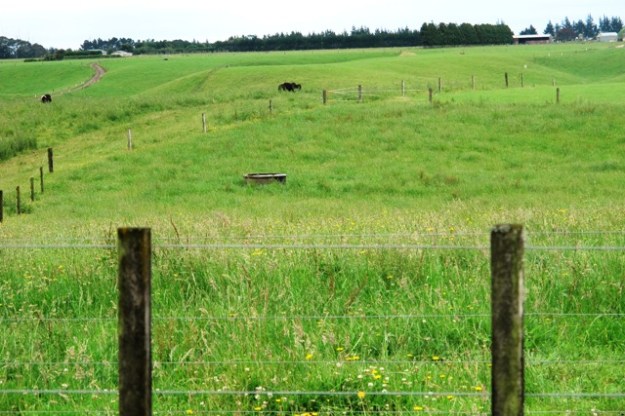
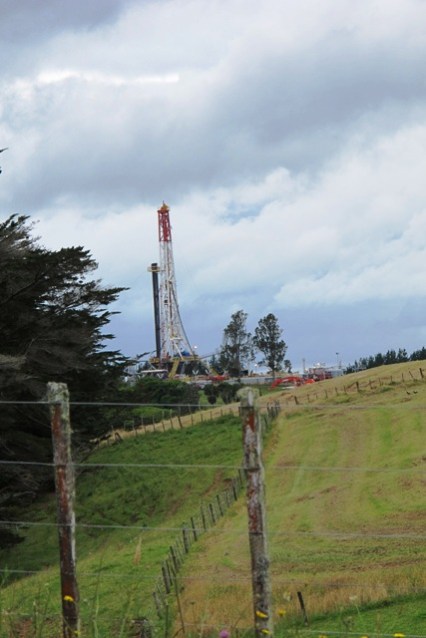
Typical farmland. Shame this is the site for Mangahewa E

Typical farmland. Shame this is the site for Mangahewa E

Many of the original settler families are still living here. Jury, Sarten, Soffe, Foreman and Lye are common surnames. Many trace their antecedents to the first boats of immigrants that landed in New Plymouth in 1841. This is an area even richer in Maori history and families like the O’Carrolls and the Baileys can trace their whakapapa back much further. The area is peppered with waahi tapu (sacred sites).

It is predominantly farming, dairy at that, only one modern industrial farm. The rest are generally in family hands often down the generations. There is an increasing number of small holdings as people build their “forever homes” on their piece of land in the country because we are only 20 minutes out of New Plymouth.
???????????????????????????????
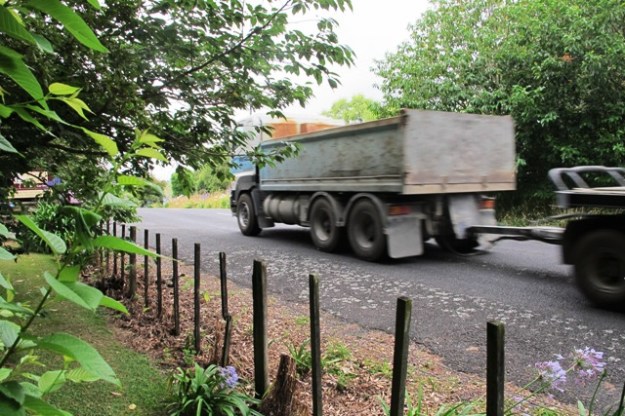
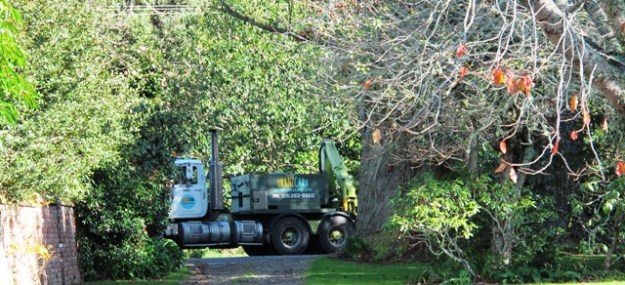
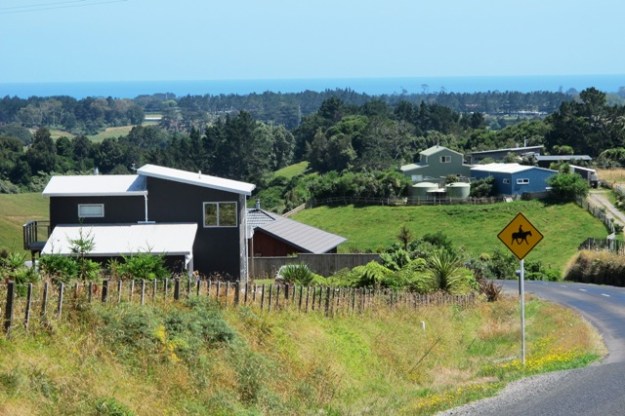
I doubt that too many people ride horses on this road any longer. This is one of our main(ish) roads with an astonishing volume of traffic, much of it heavy transport, and much of it travelling fast because it is a 100km/h speed limit.
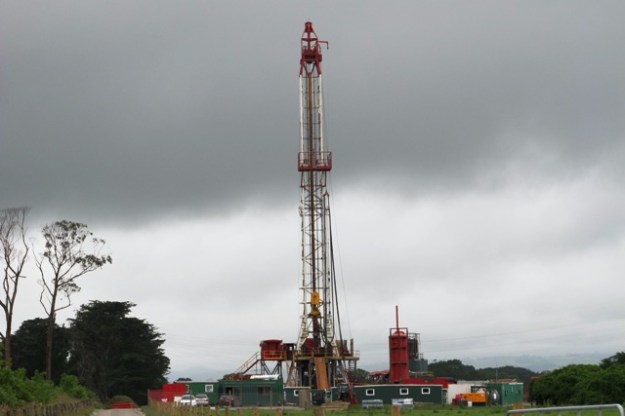
???????????????????????????????
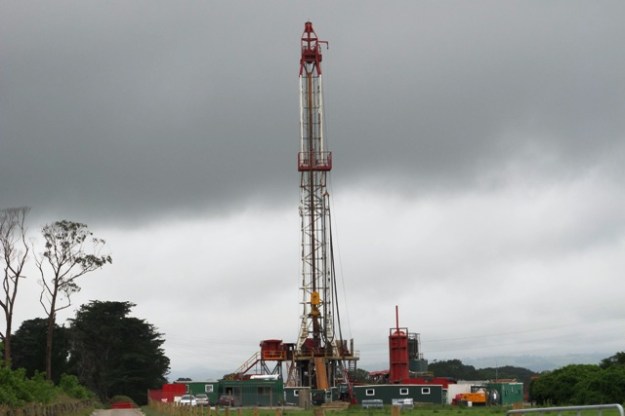
Then there is this.
???????????????????????????????
And this. Two rigs, two sites.
??????????????????????????????????????????????????????????????

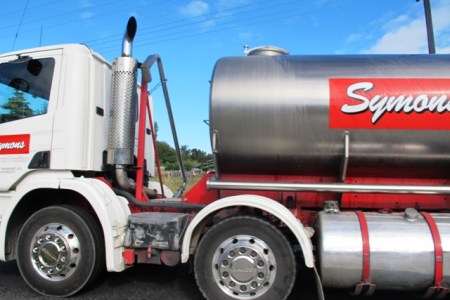
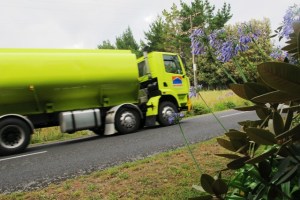
And lots and lots of these.
??????????????????????????????????????????????????????????????
Lots and lots and lots in fact.
???????????????????????????????
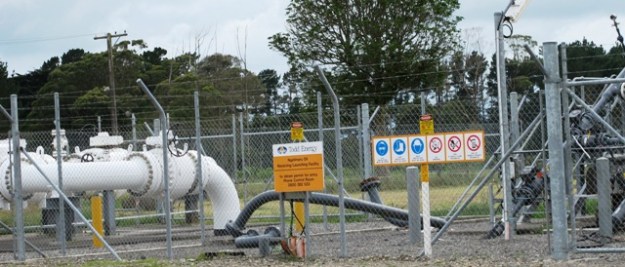
We have these sorts of installations.
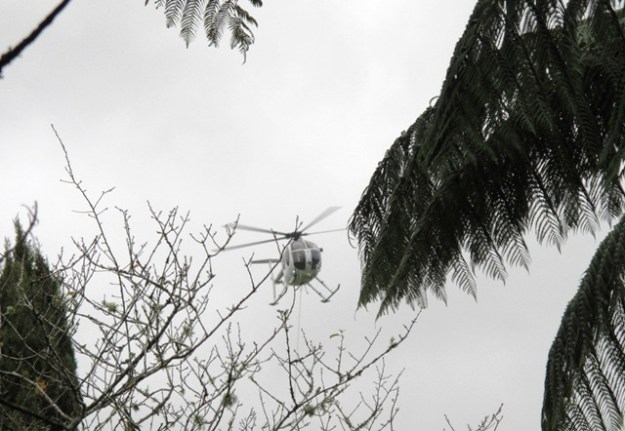
???????????????????????????????
At times we get more of these than we would like. Darned noisy machines.
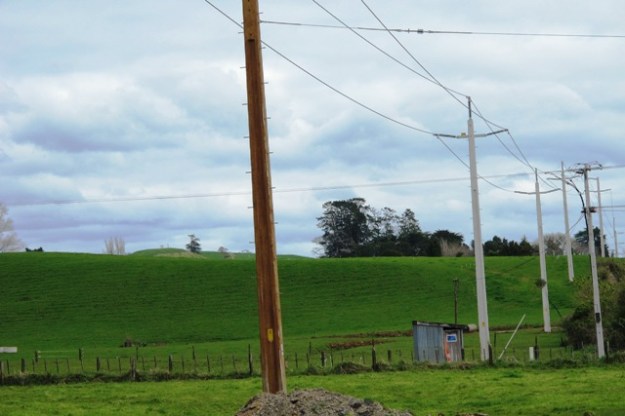
???????????????????????????????
The first set of power pylons marching across the landscape date back to the Motunui synthetic petrol plant in the early eighties. But now we have more. This latest lot are not for the public good. It is the designated power supply for Todd Energy marching across our rural landscape. The ground below is criss crossed with gas pipelines.
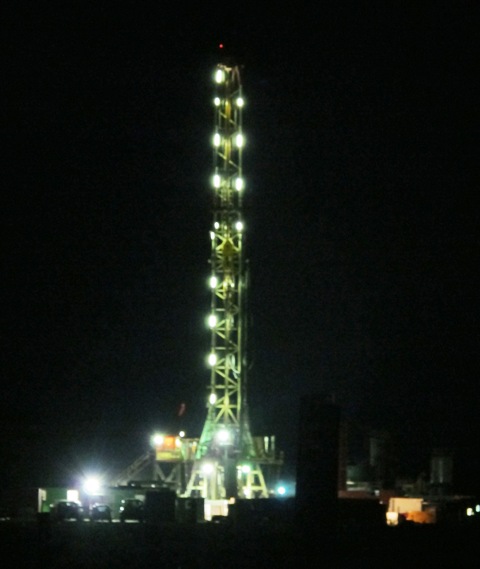
021 - Copy
Our night skies are no longer the velvety darkness which we used to take for granted in the country. Some of us no longer enjoy silence – at any time.

Our roads are being upgraded, even our little side roads, but this is solely to enable them to carry huge loads along what used to be little country lanes.

And there is plenty more to come. Currently, I think we are enduring the drilling of wells 8 and 9 (or thereabouts). It appears that our local councils, without consultation, without an overall plan, dealing with applications on a case by case, non notified basis, have already consented or are in the process of consenting up to FIFTY FIVE, maybe even FIFTY NINE wells in our little Tikorangi. That is an area shaped a little like a cross and measuring about 6km at its longest point and 3km at its widest point, bounded by Epiha A site, Kowhai B site, Mangahewa A site and Mangahewa E site. (A list of wells approved, applied for or announced publicly is at the end of this post. These are only the ones I have found. I do not know if it is complete).(Goodness. I first wrote that two years ago. We now fourteen well sites approved for in excess of 100 wells. Clearly we did not realise in 2013 just how much worse it could get.)
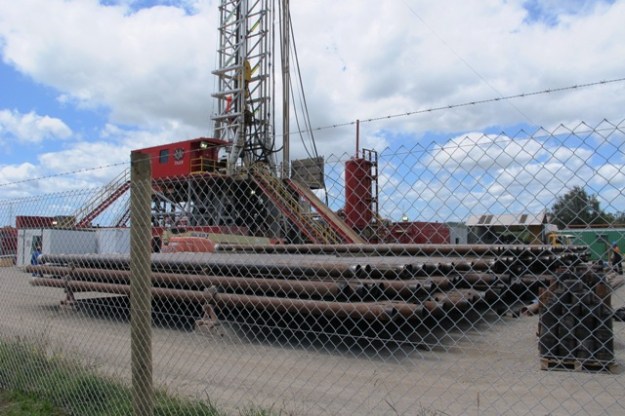
???????????????????????????????
You too can find you now have a major well site on your boundary with no consultation or compensation as this person did. It is no longer a joke. Yes, that is the next door farmer’s boundary fence.
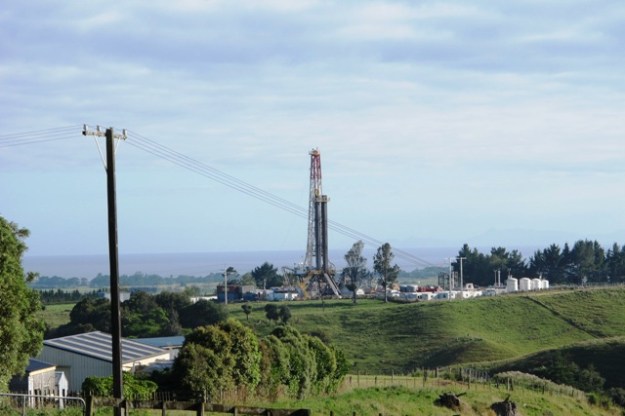
???????????????????????????????
This is Mangahewa C site. In late December, the company was given an extension to their resource consent to more than double the size of the site, apparently without the Council planner making a site visit. She was, it seems, too busy in the lead up to Christmas to get out. She might have been very surprised by what she found, had she made the time.

Read the council planners’ reports and you find references to the effects of this development being “less than minor” and “not altering the rural character of the area”. Words fail me on these bizarre claims except to say that maybe, from one’s office desk in New Plymouth, they don’t look quite like they do on the ground in Tikorangi.

And few of us complain because “you drive a car don’t you?” is the common, sneering response from the ignorant and the ill informed.

Consented and proposed wells in Tikorangi.
Epiha A, Otaraoa Road: 8
Kowhai A, Ngatimaru Road: 6
Kowhai B, Ngatimaru Road: 8
Kowhai C, Otaraoa Road: 8
Mangahewa A, Otaraoa Road – waiting to have confirmed. Best guess at this stage, maybe another 8.
Mangahewa C, Tikorangi Road: 8 consented, number 4 being drilled now but Todd announced at a meeting with locals in the Tikorangi Hall last December that they WILL be drilling a further 9 wells on this site in the next five years. This makes a total of 13.
Mangahewa E, Tikorangi Road: 8
Depending on the number of wells consented for Mangahewa A, that makes a total of 59 (with a small margin of error).

What can Tikorangi residents and landowners do?
Contact the New Plymouth District Council and the Taranaki Regional Council and ask for a moratorium to be placed on any further petrochemical development consents or variations to consents until:
a) A development plan is in place for Tikorangi and
b) The Parliamentary Commissioner for the Environment releases her final report.

Contacts at New Plymouth District Council could include: Frank Versteeg, versteegf@npdc.govt.nz, Barbara McKerrow mckerrowb@npdc.govt.nz, and the mayor harry.duynhoven@npdc.govt.nz. It will filter down to the lower echelons from there, but I have no idea if the reverse is true.

Contacts at Taranaki Regional Council: consents@trc.govt.nz, david.macleod@trc.govt.nz, basil.chamberlain@trc.govt.nz, fred.mclay@trc.govt.nz.

My follow up post is Saving Tikorangi – what our District and Regional Councils could do.

Update: Monday 11 February
1) This post and its accompanying post “Saving Taranaki” clocked up over 1000 views in 6 days. I have added two extra pointers, 26 and 27, to Saving Tikorangi.
2) Taranaki Regional Council have contacted me to say that none of this has anything at all to do with them. It is all New Plymouth District Council’s problem. How convenient.
3) I am still waiting to discover how many wells have been approved for Mangahewa A site. NPDC appear to be having difficulty finding the records even though this is a large and active site. I have suggested that if they have misfiled or lost the records, no doubt the licensee, Todd Energy, could supply them with a copy.
4) The applications for Greymouth Petroleum’s Kowhai C site are at a considerably more advanced stage than neighbours or locals realised. This, of course, is pretty much the same site that an active local campaign kept Fletcher Challenge out of 15 years ago. Who knew that the same issue would reappear but under a different company name? The same reasons why locals did not want Fletcher Challenge on that site still apply. In fact with fracking, those reasons are probably even greater. It is wildly inappropriate and risky to site major industrial developments in the very heart of a rural community.
5) Reportedly, Todd Energy is describing Tikorangi as “semi rural”. No, Todd. We are rural here. Semi rural is that transition on the outskirts of towns and cities. This is a farming area. The fact there are also some lifestyle blocks does not make us semi rural. Most of us would rather not be semi rural when the other semi is industrial, thank you.
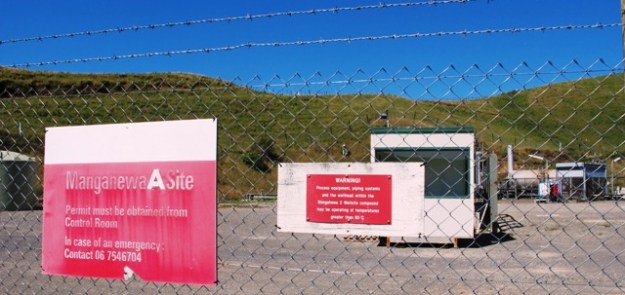
I sent NPDC a photo of Mangahewa A site signage to help them find it

I sent NPDC a photo of Mangahewa A site signage to help them find it

Not one but three new Jury magnolias this year

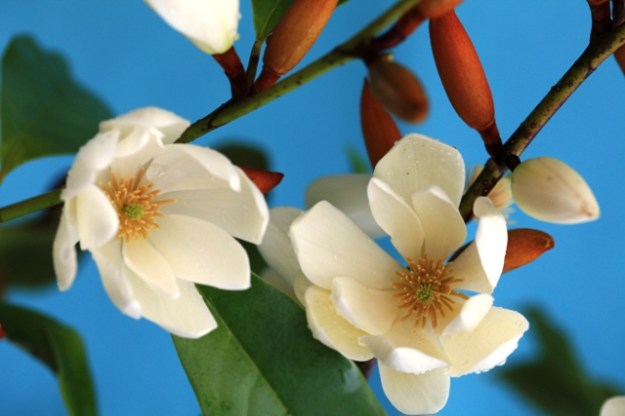
The sublime blooms on Fairy Magnolia® White

The sublime blooms on Fairy Magnolia® White


It is not often that we have three major new releases coming out in one year. And, to be honest, it takes so many years of trialling and then building up that by the time they are released, they no longer feel “new” to us. But there is a surge of pride with these three hybrids of Mark’s breeding.
Magnolia Honey Tulip, our new yellow version of Black Tulip

Magnolia Honey Tulip, our new yellow version of Black Tulip


Mark is very particular about deciduous magnolias and had only named three – all in red tones. The fourth, to be released this year, is his first in the yellows. Honey Tulip™ is a golden honey version of Black Tulip. Given the somewhat floppy nature of most yellow magnolias with their soft petals and tendency to become paler as the flowering season progresses, we think Honey Tulip represents an advance in flower form, petal substance and retention of its colour intensity through the season. In New Zealand, where most yellow magnolias flower at the same time as they come into leaf, it is to Honey Tulip’s credit that it flowers on bare wood. Trials suggest that it will remain a smaller growing tree.

Fairy Magnolia® is the branding attached to our new range of michelias. These have been reclassified as magnolias but we wanted to differentiate these new michelias from the usual evergreen magnolias which are the leather-leafed grandiflora types. These are much lighter in growth and fill a different role in the garden and landscape. The first release was Fairy Magnolia® Blush.

Fairy Magnolia Cream - many flowers over a long season

Fairy Magnolia Cream – many flowers over a long season


Fairy Magnolia® Cream is a free flowering, strongly fragrant pure cream, opening in early spring. While of similar breeding and performance to Blush, its foliage is a brighter green and its peak flowering season extends into months. Each bloom measures at least 10cm across. Cream will take clipping well to keep it hedged, compact or topiaried or it can be left to form a bushy ,large shrub around 4 metres tall by 2.5 metres wide.

Fairy Magnolia® White (pictured at the top) comes down a different breeding chain and is a selection from a run of seedlings we have been referring to as the Snow Flurry series. The fragrant, purest white flowers are sublime, opening from brown velvet buds. It flowers earlier than Blush and Cream, starting in winter, so it is not likely to be as hardy as those two. However, we think it will prove to be hardier than existing doltsopa selections, making a garden friendly, improved substitute for “Silver Clouds”. The foliage is smaller and the plant shows no signs of defoliating after flowering (a major drawback to many doltsopas). It is much bushier in growth and will ultimately reach around 5m by 4m if not trimmed.

All plants will be available in New Zealand in limited quantities and some will be available overseas. These plants are produced under licence (in other words we only have small numbers to sell to personal customers later in the year when we open for plant sales) so ask your local garden centre. Overseas readers may like to check out Anthony Tesselaar Plants for availability.

Magnolia (deciduous) Honey Tulip

Magnolia (deciduous) Honey Tulip


Fairy Magnolia Cream

Fairy Magnolia Cream

A Tale of Two Plants

For the latest update, check out “A Case of the Emperor’s New Clothes?

How we have been ground down by opportunism and bureaucracy
Cordyline Red Fountain - CopyCordyline-BurgundyCan you tell the difference between these two plants? No? That is hardly a surprise to us and we should be experts because one of them is our own Cordyline Red Fountain.

The growing trials - can you pick the difference?

The growing trials – can you pick the difference?

Red Fountain was the lucky result of a sustained breeding programme spanning decades by both the late Felix Jury and Mark Jury. When it was first released, it was unique. There were no other clumping cordylines with rich burgundy leaves which arch outwards. We applied for, and received, the equivalent of a patent (Plant Variety Rights in NZ and Plant Breeders Rights internationally) first in New Zealand and subsequently in Australia, USA, Europe, South Africa, the UK and Canada. This means that nobody is allowed to propagate the plant for sale except under licence and provides the opportunity for a return to the breeder.

Father - Felix Jury (d.1997)  in a patch of Cordyline Red Fountain

Father – Felix Jury (d.1997) in a patch of Cordyline Red Fountain

When Malcolm Woolmore of Lyndale Nurseries/Kiwi Flora in Auckland released a look-a-like plant, we were intensely irritated. This is a man who loudly proclaims that he supports NZ plant breeders – but not, apparently, breeders who are not his own clients. He didn’t mind attempting to compete at home and internationally with us, using a plant which few, if any, can tell apart. He named it Cordyline Burgundy while ours is marketed on the major USA market as Cordyline Festival Burgundy (ref footnote 1). The similarity in names did not seem a coincidence.

and son - Mark Jury with Cordyline Red Fountain

and son – Mark Jury with Cordyline Red Fountain

When he applied for Plant Variety Rights here and overseas, we were confident that our interests would be protected. After all, the legislation specifies that a plant must be distinctively different (ref footnote 2) to be able to be patented and his had no distinctive differences that we could see, nor indeed anybody else to whom we showed his plant.

In this country, plant variety rights are decided by the Deputy Commissioner of the NZ PVR Office, a very small division of the new super Ministry of Business, Innovation and Employment. When we started to suspect that the Deputy Commissioner was determined to find differences between Red Fountain and the ring-in, we began to ask for a blind test. That is where plants of both varieties of the same size and age and in the same pots are mixed up and a group of suitable people are asked to separate them into the two varieties. That, we thought, was a fair test – they were either alike or able to be accurately differentiated. Our requests were ultimately ignored.

Growing trials (pictured above, photo 3) were carried out at an independent location. Apparently, none of the professionals or staff who looked after these growing trials could pick any difference between the two varieties.

In due course, the Deputy Commissioner, Mr Chris Barnaby, ruled that Cordyline Roma 06 (marketed as Cordyline Burgundy) was distinctively different and he awarded it PVR. This was based on the trial and examination by measurement of 8 leaves of Red Fountain and 8 leaves of Roma 06. Apparently when you get out the tape measure, the pedicel on Roma 06 is a little shorter, when measured over 8 leaves. The pedicel is the narrowing at the base of the leaf where it grows from the central stem. There is no difference in colour, shape or growth habit.

In the Examination Report it is even admitted that when the 16 leaves were mixed up, the examiners could not tell them apart. In other words, no customer is ever going to be able to tell the plants apart and precious few growers or plantspeople will either but the Deputy Commissioner was not going to let that stop him from granting equal rights to this identical looking variety.

We were stunned by this decision.

Our agents, Anthony Tesselaar Plants, immediately lodged an appeal on our behalf, reiterating earlier requests for a blind test and questioning the sample size for the assessment (eight leaves only of each). It became clear that despite having made the original decision, the review was also to be carried out by the same individual, Mr Barnaby. Both our agents and we contacted Mr Barnaby’s superior, the Commissioner, to table our concerns at the lack of independence in the review process and to ask for a blind test. It took a long time and, we assume, a question from the Minister’s office before the Commissioner replied saying nothing of note and declining to get involved.

We went to see our local Member of Parliament, Jonathan Young who appeared to grasp the issues quickly. He raised the matter with the Minister, but all that happened was that we received a reply couched in such bureaucratese that we burst out laughing. “Yes Minister” style, probably emanating from the Commissioner and Deputy Commissioner. It satisfied our MP but not us.

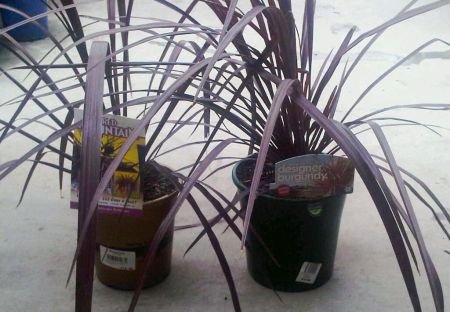
Side by side at the garden centre. Is the customer likely to see any difference?

Side by side at the garden centre. Is the customer likely to see any difference?

The Deputy Commissioner completely ignored repeated requests for a blind test and ruled in favour of his earlier decision. No surprises there. To rule any other way would be to admit that he had made a mistake earlier, or that the comparison testing wasn’t adequate and that did not seem likely.

All that is left would be to take the matter to court – us vs the Government of New Zealand. We do not see that as an option. We lack their budget and the costs could well exceed the royalty returns even if the court ruled in our favour.

We no longer have any confidence in the Plant Variety Rights system in this country. Clearly all PVR has become is a rather expensive marketing tool controlled by a querulous individual in government employment. The only reason to continue with existing PVRs we hold is to honour contractual agreements already in place. It has become clear it offers no protection at all to existing intellectual property rights.

We have been disappointed at the willingness of Malcolm Woolmore, through his company Kiwi Flora, to take advantage of years of plant breeding and years of establishing a new plant in the international marketplace by releasing a copy product. He claims to have repeated the original cross (banksii x pumilio). For technical reasons of which only a few are aware, we doubt it. To us, it looks as if it is just a seedling from our Red Fountain.

Notes:
1) The marketing name of Cordyline Festival Burgundy for USA was to avoid confusion with an existing plant – Pennisetum Purple Fountain.
2) Distinctive differences, for the purposes of a plant patent, include specified minimal distances between key genetic characteristics.

For the record, in the photos at the top, Cordyline Red Fountain is to the left, Cordyline Burgundy to the right. In the photo below, Cordyline Burgundy (also known as Roma 06) is at the front and Red Fountain is at the back.

Postscript Sunday 27 January
I fully expected Malcolm Woolmore to come out swinging. In fact I would probably have been disappointed had he not, forever wondering whether he had read the piece above. I cut and paste the section from his February eBrief received today, Sunday 27 January because the link to his site appears to be faulty, taking you instead to his December eBrief. I have no desire to enter debate with Mr Woolmore so my only comment is that I will leave it up to readers to decide. Go and have a look at the two plants side by side in your local garden centre.

A One Sided Tale of Two Plants
Read Abbie Jury’s blog or Google Chris Barnaby, Cordyline Burgundy, Malcolm Woolmore, Lyndale Nurseries and heaps of other words and you will read a one sided story titled ‘A Tale of Two Plants’.
Mrs Jury does not seem to share UPOVS (International Union for the Protection of new Varieties of plants) respect for the Deputy Commissioner of the NZ PVR Office, Chris Barnaby. Chris, a past Chairman of UPOV, has been maligned and misunderstood in an attack that some might consider libellous.
I will not comment further, as Mrs Jury, I believe, says more than enough for most to question whether her story is complete and unbiased.
Suffice to say, that the intention to grant Australian Plant Breeders Rights for Cordyline ROMA 06 or Cordyline ‘Burgundy’ was published last year, after independently being assessed and found to be distinct.
That is, in addition to the decision made in New Zealand.
For the record, Cordyline ‘Burgundy’ has resulted from a collaborative breeding programme established between Robert Harrison of Greenhill’s Propagation Nursery (Vic. Australia) and Lyndale.
It is one of four plants selected, of which you will hear more about at least two. (One of which is dwarf). Cordyline ‘Burgundy’ is represented overseas by Kiwiflora.
Our breeding program did not take decades, but it did involve the application of embryo rescue and other technology.
(More on this when others cultivars are released).
Kind regards
Malcolm & The Lyndale Team”

Letter to the Parliamentary Commissioner for the Environment

The latest rig near us, photographed from Ngatimaru Road

The latest rig near us, photographed from Ngatimaru Road


589 Otaraoa Road,
RD43, Waitara
jury@xtra.co.nz Phone 06 754 6671
December 30, 2012

Parliamentary Commissioner for the Environment
PO Box 10-241
Wellington 6143
New Zealand

pce@pce.parliament.nz

Dear Dr Wright,
Hearing you speak on National Radio recently about your interim report on fracking was like a breath of fresh air. I refer particularly to your comment referencing the proliferation of industrial sites in the countryside and the impact on local residents.

It seems to me that two critical areas that have fallen through the cracks are:

1) The total absence of any public sector planning. Planning is all done by private companies and all the public sector does is to respond to applications by applying the relevant legislation. So there is no overview of development. The location, pace, nature and management are all determined by individual private companies.

2) With that has come the total absence of any public sector duty of care for local residents. Any care is entirely at the whim and discretion of private companies and woefully inadequate. Worse is that an ethos has developed which is deeply unsympathetic to complaints from local residents. At its most extreme, this takes the form of public vilification of individuals.

We are immediate neighbours to the Mangahewa C site in Tikorangi and every piece of heavy machinery passes along two of our road boundaries. The latest rig is both visible and, at times, audible to us. We have a large garden which we open to the public and the negative impact of recent development has been so extreme, that the company concerned ceases road operations when we have a coach tour booked in for a garden visit. At those times, it is as if the off switch has been flicked but it is a stark reminder of how bad things are the rest of the time. I now garden wearing an iPod in an attempt to mute the noise.

I have no confidence in the ability of local councils to effectively monitor and manage development and am frankly alarmed at suggestions that Taranaki be paraded as a model for successful practice. I have been lobbying for over 15 years for councils to take a more proactive role in managing development and mitigating the negative effects on local residents but the councils remain an impenetrable brick wall and appear oblivious to issues and, at worst, antagonistic to opposition and to complaints.

Of considerable concern is the publicly supportive position of the petrochemical industry taken by the CEO of the Taranaki Regional Council, Basil Chamberlain. I strongly believe that the CEO of the monitoring body MUST be seen to be neutral and independent.

Fracking has been taking place on the adjacent property for about three years now but it was only this year, and only at our request, that testing of our bore water started. Yet apparently we have the only deep water bore close to that site. Three years to set monitoring in place is not best practice.

Definitions of affected party zones appear to be at the discretion of councils. Fifteen years ago, it was a one kilometre radius. At some point, Regional Council apparently contracted that zone to 300 metres, New Plymouth District Council even less. In the countryside, 300 metres is not far at all. This has had the effect of hugely reducing the number of people defined as “affected parties” which is decidedly beneficial for the companies but has only negative effects on local residents.

Consents are for such a long time that much can change in the interim, including environmental expectations, yet it appears that the conditions of the original consent stand for the duration. I understand old sites have been reopened under original consents. Too much reliance is placed on the “goodwill” and “good practice” of the companies to respond to issues during the consented periods. And once consent is given, it sets the precedent for renewal.

When the Mangahewa C site was first applied for, I had to fight hard to be ruled an affected party. The NPDC planning officers were unhelpful and uncooperative in the extreme. Once we had that status, we were presented with a document to sign. We wanted to sign consent for the first well only and then review it. We were told that was not an option and unless we signed unconditionally, it would go to the Environment Court and that we would have to fight it there. Nobody suggested we seek independent advice.

I could not face the time and energy it would take to go to the Environment Court so we signed. I have only recently found a copy of the information which prompted us to sign. Our concern was traffic. We were informed that there was a remote possibility of up to 8 wells being drilled over a 20 year time span and that once drilling commenced, a maximum of 3 heavy vehicles and 8 light vehicles a day would pass our road boundaries. Once in production, the light vehicle movements would drop to 3 per day, the same as heavy vehicles. I recall it seemed churlish to be difficult over a mere 6 additional vehicles a day passing us.

In the time since that affected party consent was signed, one initial exploratory well has ballooned out to at least 9 additional planned wells (we are on to number 3) on the neighbour’s property and a further 8 multi well head site down the road, all over the next 5 years. That makes 19 or 20 wells over a period of 7 years (far from the “unlikely possibility” of up to 8 over 20 years). Every piece of transport passes our two road boundaries with a sharp 90 degree turn and a hill so the huge volume of trucking movements could not be noisier and more intrusive.

We are now assuming that in the references to between 6 and 11 additional vehicles each day during drilling and production phases, they omitted to add the important words: “before 7.30am each day with an unspecified number thereafter”. That is closer to what our reality is now.

Compensation for landowners and affected parties should not be left to the discretionary largesse of individual companies who often ring-fence it with confidentiality agreements.
It is not appropriate to think that continuing to allow the companies to play Santa Claus is all that is required. Too often, for affected parties it merely consists of a hamper here, free tickets to a show there, maybe tickets to Australia for an event if they really like you.

The development levies back in the days of Think Big projects may not have been a perfect system of recompensing on a larger scale, but they did at least keep grants at arm’s length. The current system where individual companies get to make grants is all too redolent of Santa Claus again and raises doubt about the independence of recipient councils. Todd chose to make a generous grant to New Plymouth District Council for their favoured project of the new Len Lye Centre. As a result, I doubt very much that any NPDC councillor is going to be critical of anything that company does.

Over fifteen years ago when it first became clear that our district may face enormous petrochem development, I sat in the then mayor’s office with her and the town planners and pleaded with them to adopt a proactive position in planning for the potential development. I pointed out to them that there was nobody else to look after the interests of local residents and that the current model of the petrochem companies picking off areas and then working with individual landowners locked in to confidentiality agreements had the effect of pitting neighbour against neighbour.

Nothing happened and the only thing that has changed is that the development is happening.

I attempted several times to raise the same matters with the next mayor and also presented a submission to the full council showing them what the effect was and begging them to look into what could be done to minimise the negative effects for local residents. They commissioned a report but nothing changed.

I have given up trying to talk to councils. There is no will for councillors and their officials to see anything negative.

If you are back in this area, we would be very pleased to meet you and to take you to visit some of the other affected residents in our immediate area. That is considerably more than anybody connected to the local councils has ever done.

I have posted four blogs to my website, if you are interested in reading any of these.

1) No problems with petrochem development in Taranaki???
2) Living in petrochemical heartland
3) Tikorangi Notes; Friday 20 January 2012
4) Tikorangi – the new Texas?
5) And three short You Tube clips attempting in a minor way to catch the flavour of what living here is now like.
Relentless noise
The Park, Tikorangi the Jury Garden
Rimu Walk, Tikorangi the Jury Garden.
Yours sincerely,
Abbie Jury

NB This letter replaces the earlier letter dated December 4. In the time since, we have discovered there are to be an additional 17 wells drilled close to us by Todd Energy over the next 5 years. I also found a copy of the “affected party” consent we signed in 2006 and the information provided which led to us signing that consent.

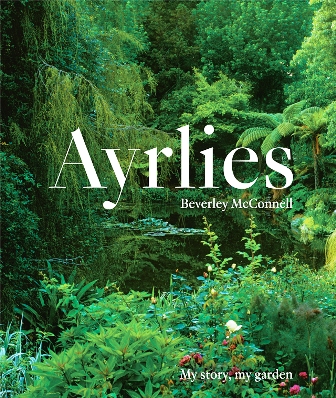
Ayrlies, by Beverley McConnell

The subtitle of this book is “My story, my garden” and that pretty much captures the flavour. These are Bev McConnell’s memoirs and as both the author and her garden reach maturity, the timing seems entirely appropriate. Her garden, Ayrlies, is located at Whitford, south east of Auckland and over the past 40 years, both the garden and the gardener have earned a leading position. This is a book about a garden, not a gardening book as such. The author writes about her own experiences and while there is wisdom and advice contained in the text, it is not a manual or a reference book.

I have not read anything written by Bev McConnell before, so it was a pleasant discovery to find that she has an easy and very readable style. She is disarmingly frank, almost alarmingly so at times. Given that this substantial and beautifully presented hardback extends to 270 pages, it is just as well the text is engaging. The many photos cover from her early family life in Wairoa (a wonderful photo of her standing on her tricycle seat as a little dot around 3 or 4), through the stages of her adult family life and the development of a bare patch of dirt into the large and handsome garden that is now known as Ayrlies.

In the New Zealand garden scene, Ayrlies is unusual in that it has had skilled labour employed from the start while the owner has kept complete control of the design, the planting and the management and has been an active participant at all stages. It is more common in this country for the major private gardens to have been established on the smell of an oily rag without any permanent staff at all, or, in more recent times for a wealthy owner to have handed over the whole project to a landscaper and crew. Bev McConnell has as much dirt beneath her finger nails as any of the staff she has employed over the years, but she has been able to realise her visions with extra input. It is an enviable position to which she has responded by taking an active role in encouraging others to lift their own standards of gardening. Her own garden is as much about interesting plants and good combinations as it is about design. She has kept her focus on the beguiling complexities of good planting, demonstrated so ably by Beth Chatto in England whom she acknowledges as a major inspiration.

The chapter on her huge wetlands project is particularly interesting and it may be that this will prove to be one of her great legacies over the coming decades.

Ayrlies, by Beverley McConnell (Published by Ayrlies Gardens and Wetlands Trust; ISBN: 978 0 473 21451 7)

First published by Waikato Times and reprinted here with their permission.