
We had our arborist in again this week and there is nothing like getting some tree work done to refresh an area.

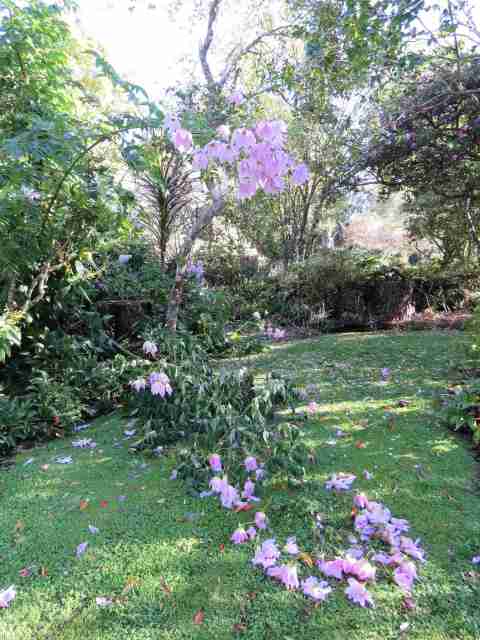
The catalyst was this leaning gum tree which carried the weight of a rātā vine. The host tree was in poor condition and the lean was certainly getting more pronounced. We worried that the weight of the rātā at the top of the tree would bring it all down, potentially bringing down other trees with it and, in the worst case scenario, cutting the power lines to the house. With increasingly frequent extreme weather events these days, we err on the side of anticipating risk and trying to avoid damage.
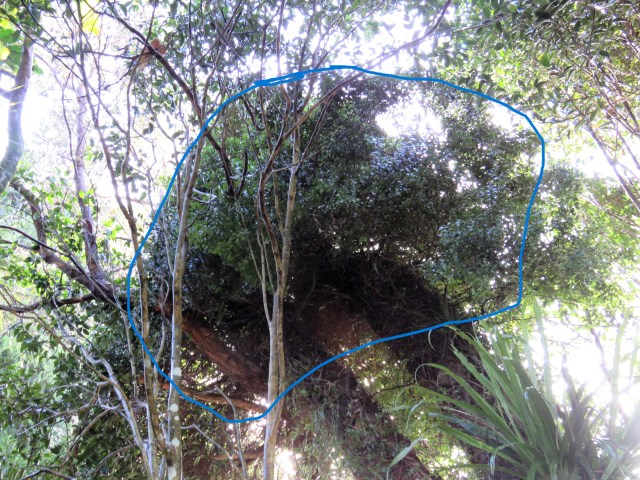

I just looked up rātā, which are a native plant. The Department of Conservation site tells me we have 11 species – 3 are trees, 1 shrub and 6 climbing vines. It is probable that ours was Metrosideros fulgens. It did bloom for us but was never as showy as its cousin, the pohutukawa and the flowers were always right at the top of the canopy so only visible from a distance.
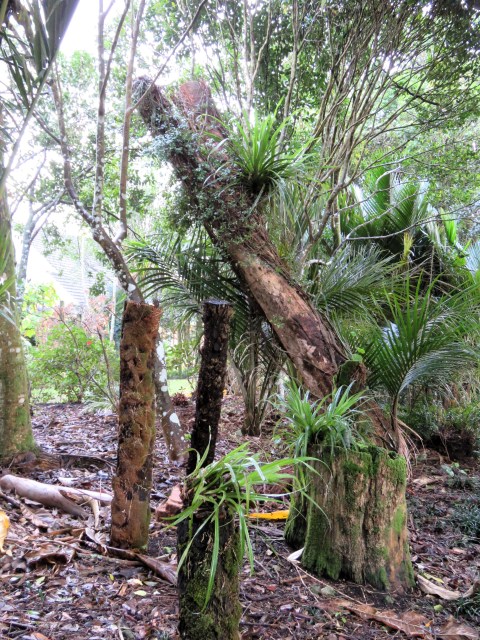
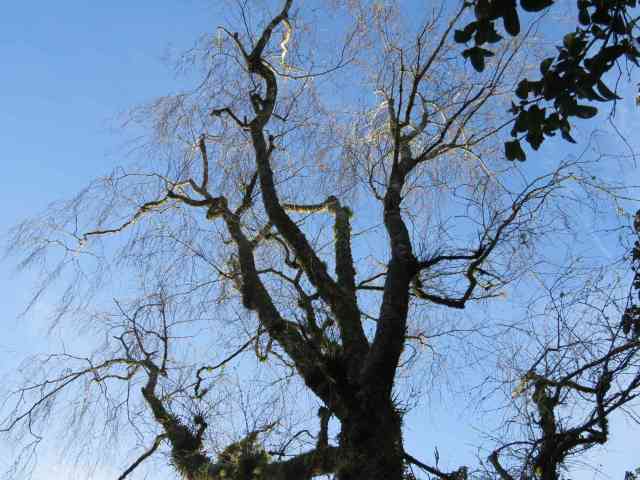
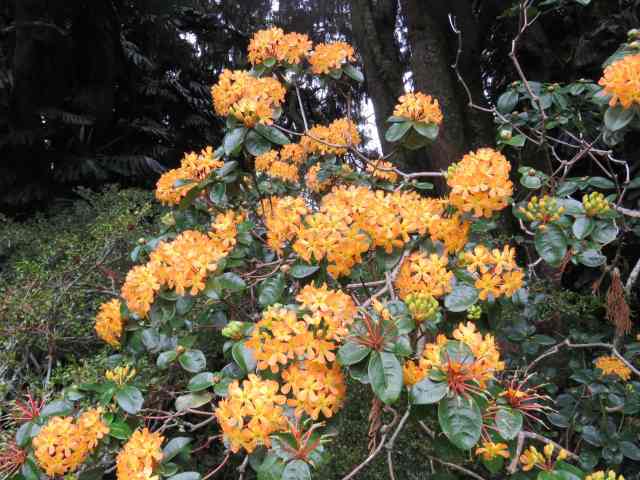
We chose not to fell the gum completely but left about 3 metres of it to keep the rātā. While here, we asked the arborist to drop the last remaining silver birch tree nearby which was not in good health. Once it was down, we could see from the stump that it was completely rotted out in the middle of the trunk with a hollow centre. Silver birches are not good in our climate and their only redeeming feature, in my eyes, is that beautiful tracery of the bare branches against the winter sky. And we dropped a third small tree that had died. It was one Felix had brought back from New Guinea in the late 1950s but it was never as interesting as the lovely Schefflera septulosa, Ficus antiarus and Rhododendron macgregoriae that we still have from that intrepid plant hunting trip.
Dropping trees lets light in again and opens up areas that then need a touch of renovation. In mature gardens, getting light back in to shaded areas is a constant issue and often requires some quite major work on large trees. Not many plants are happy to grow in deep shade, and few of those are desirable ornamentals.
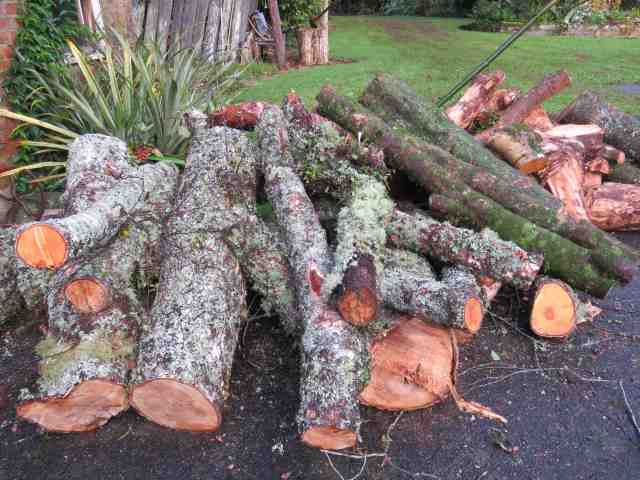
Our arborist is very good at cleaning up after himself so he left that day leaving clear space. Empty, but clear. Lloyd, bless him, removed the lengths of firewood to our enormous woodshed the next day and Zach moved in to replant. It was all done and dusted in a couple of days but, with more light, Zach and I are now turning our attention to somewhat messy areas beyond that immediate zone. Which brings me to Zach’s orchid structure.
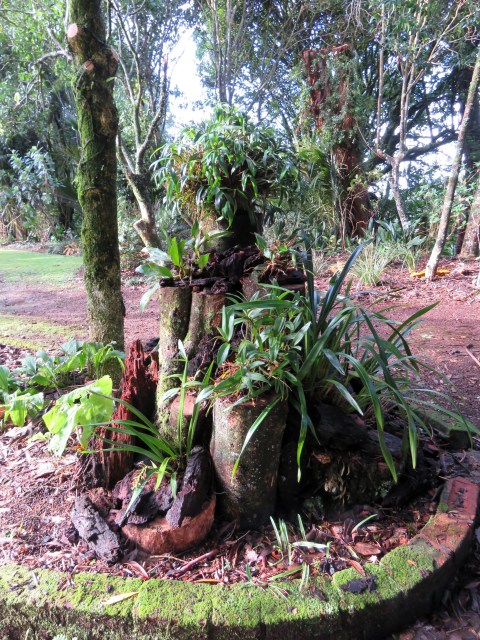
The wood from the felled New Guinea tree was too light to use for firewood. It needed to be stowed elsewhere to break down naturally and I suggested to Zach that he use it to make a base for some orchids as a punctuation point at the uninteresting end of an adjacent garden bed. Zach is a keen orchid man. A couple of hours later, I came back to find his construction which exceeded all my expectations. That is all waste wood, already filled with cymbidiums and dendrobiums which are divisions from other plants around the garden. What was a dull space is now a feature which will look charming as the orchids come into flower over the next months and already looks as though it has always been there.
Dropping trees is not a cheap activity but it opens up new possibilities.
A postscript, for those of you for whom chainsaws are a part of life. Our arborist used an electric chainsaw and he declares them to be an absolute gamechanger in every way – safer, quiet, much cheaper to run and a massive improvement in environmental terms. We are still using petrol chainsaws here but Mark was saying that next time we need to buy one, we will buy electric. I have heard others praise them but to have a professional give such a glowing reference convinced me they are the way to go.













 Tikorangi The Jury Garden