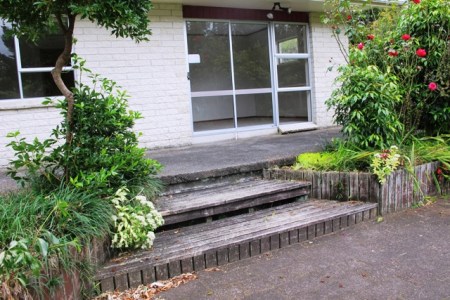
The raised beds are going - to be replaced by wider steps
I have been forced to look at practical lower maintenance gardening this week. Most of the time, we are practitioners of relatively high maintenance gardening on a large scale. I think it was the late Christopher Lloyd (he of Great Dixter fame) who made a comment that the more experienced one is, the more one realises that a high maintenance garden is a great more interesting. But there are times when a low maintenance one is required, particularly with rental properties.
For our sins, we are landlords. Just the one rental house and it is one we used to live in ourselves. There was a certain irony when we bought the property many years ago. We were doing a little land amalgamation at the time and Mark had exchanged quite a few plants with a previous owner for some work with his handy little bob-cat. When we came to buy the property, the valuation mentioned the high quality plantings. We certainly paid dearly to get our own plants back.
While living in the house, we duly extended the gardens and plantings to the point where they were reasonably expansive. When it came to letting the house, we realised the scope of the lawns and gardens were beyond what most tenants would manage, so part of the successive tenancy agreements has been that we will mow the lawns and loosely maintain the gardens as required.
Mowing tenants’ lawns is not a bad thing. We mow pretty much every Friday and it gets you onto the property on a regular basis so you can keep a discreet eye on things. It operates as an early warning system, so to speak.
But gardens are another thing. Few tenants garden. A few scratch around from time to time, but none we have met take as good care as we did. It is a fact of life. In this hiatus between tenants, we are doing a major clean out and simplification in the garden. Once it has been reduced to bare bones, the onus will be on the incoming tenants to maintain the gardens at that standard. There will be nothing too demanding.
Simplification has been ongoing but reached its zenith this time. The only garden borders left are the two defined by concrete paths alongside the house. A previous property owner had put in a number of raised garden beds. The last two are going now. Out with garden beds. They just look messy if not maintained.
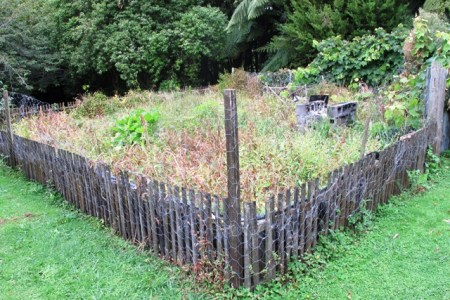
The designated vegetable garden needs clearing but is being retained
The designated and fenced vegetable garden is staying. In this day and age, it is probably an asset and it has good soil, is an appropriate size and is sheltered but in full sun. It will be ready for a tenant to plant. We just need to clear it first. Similarly, the citrus trees can stay. They are fine with total neglect.
The extensive perimeter plantings have matured to shrubbery and they are staying. If you want low maintenance, long term plantings, go for shrubberies. Over time, shrubs and small trees will gently mesh and knit together to provide a green and flowery undulating wall of foliage. Being relatively dense, few weeds grow beneath. The herbaceous plantings we had there have long gone but that is fine. All we have to do from time to time in the shrubberies is to go through with a pruning saw and trim anything that is getting too large. In return, the mixed plantings of camellias, rhododendrons, magnolias, maples, self sown pongas, feijoas and the rest provide a soft and pleasing backdrop to the property. They stop it from being too austere and bare.
Any plants that require regular attention have gone. The last of the roses are on the burning heap. The espaliered camellias have gone. The devastatingly rampant wisteria has gone. It put up a brave fight but truly, wisterias are unsuitable plants to leave in a situation where they are not actively managed. This beautiful Blue Sapphire had put out its runners a good 20 metres away.
I have replanted the remaining, tiny house borders. I couldn’t stop myself especially as I found spring bulbs. But I have gone for simple mass plantings. A shaded, dry border which is a pathetic 20cm wide (honestly, who would make a permanent border 20cm wide?) is now mass planted with green mondo grass and bedding begonias. Utility and easy to maintain by non gardeners. The one hot, dry border retained its existing vireya rhododendrons which have survived total neglect and fifteen years of tenants, underplanted en masse with a compact yellow sedum. That is it for herbaceous material. As the one who does the knapsack spraying, Mark approved the mondo grass and sedums as being largely resistant to glyphosate so he could spray amongst them if necessary.
When you are preparing a property for sale, it is often about good looks in the short term – as we have all learned from those property makeover programmes on TV. When you are preparing a rental, it is about easy care, easy living in the long term. It can be done.
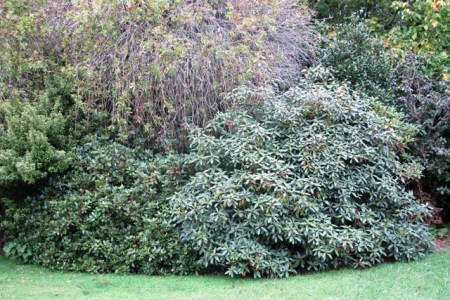
The shrubbery is the lowest maintenance form of gardening I know
First published in the Waikato Times and reprinted here with their permission.
-39.042098
174.300314

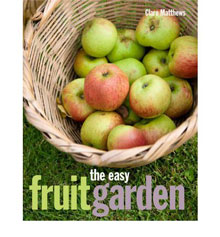 I do not understand why New Holland wanted to release this book in New Zealand. It is a nice enough book but of precious little relevance to New Zealand growing conditions. It is just so very English – in fact so English that it refers to John Innes number two and John Innes number three with the assumption that the reader will know that these pertain to potting mixes. Jostaberries, sloes, hoverflies and hazels – it is just so redolent of English gardening.


 Tikorangi The Jury Garden