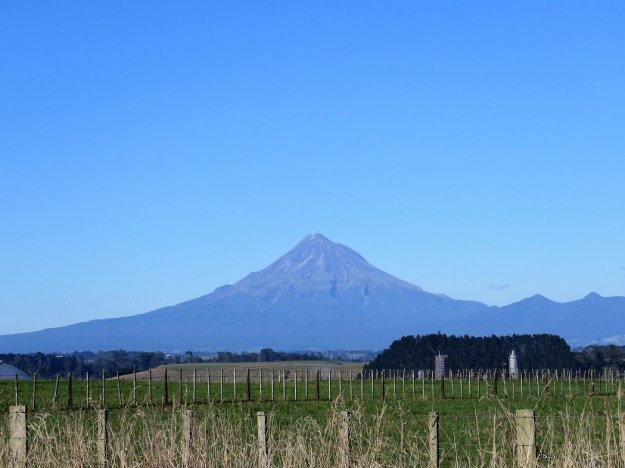
Our mounga is unchanged
I doubt that anybody really thought through how much our world could turn upside down in such a short space of time. It is different in every country. In New Zealand, at this stage it is an exercise in how long we can stave off widespread community transmission, how we can get travelling NZ residents home when air flights around the world are ceasing with little or no warning (up to 110 000 NZ travellers stranded around the world is the latest estimate I have seen) and how we can best protect the Pacific Island nations to whom we have a duty of care and who are extremely vulnerable to an outbreak.
Other countries are facing different challenges and the impact is more extreme at this stage. The message from our Prime Minister is clear – be kind, be considerate, be caring, be careful.

I am pleased to report that there is no shortage of toilet paper at the Waitara supermarket. The shelves were full on Friday with plenty out the back. Amusingly, most of it is manufactured in NZ so there are no supply chain issues.
The world as we know it has changed, if not overnight, then certainly in the last fortnight. Nobody has a crystal ball so there is no way of predicting what will happen into the future. All we can do is make our personal worlds smaller, to be the best person we can at an individual level and, for many of us, to take refuge in black humour.
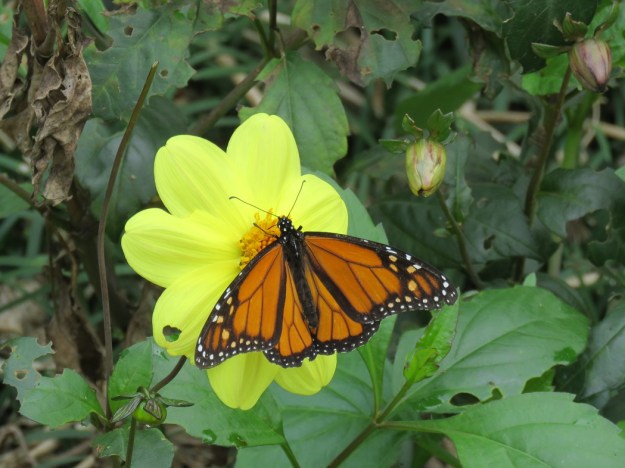
Just a butterfly on a dahlia
But there is always the garden and the cycle of the seasons. There is a correlation between greater interest in gardening and hard times. At the moment it is panic buying vegetable seedlings but as most people adjust to a more confined life at home, their horizons are likely to expand beyond survival vegetables to the pleasures of ornamental plants and gardens as well. Food for the body and food for the soul.
If you are alarmed at not being able to buy vegetable seedlings at this time, here is a guide to raising plants from seed that I published earlier. Online seed catalogues will tell you what you can sow at this time of the year.

We drive a Corona!
We are feeling blessed to live in a situation where we have huge personal space, where maintaining physical distancing is no problem at all and where we can largely control our personal level of exposure to risk. But our children living in Australia have never felt so far away. We are resigned to the realisation that our trip to look at wildflowers in the Pindos Mountains of Greece and then looking at summer gardens in the UK will not happen and we can’t even console ourselves with a family meet-up in Australia. These limitations seem but minor disappointments in this new situation.
All I can offer readers are pretty flowers, a reminder that whatever else is going wrong in the lives of us all, the seasons will continue to change.
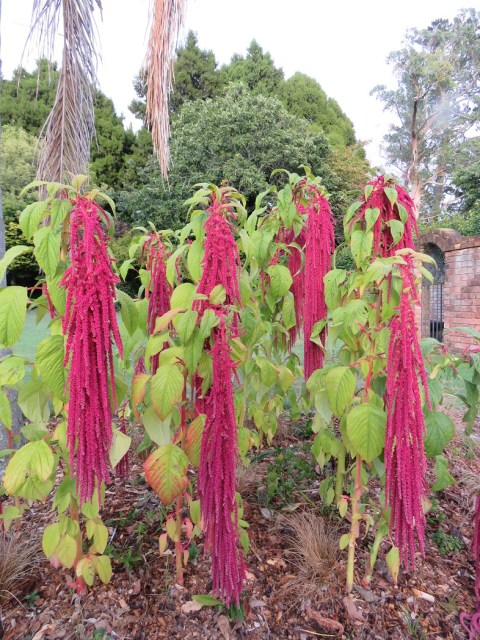
Amaranthus caudatus
The amaranthus has been a surprise volunteer in a garden I replanted earlier this year. It came in with the compost I spread and is perhaps a good example of what happens when I am not careful enough on what goes onto the compost heap. At this stage it makes me smile as I pass that garden bed but I will need to consider whether I want it established as an annual in that area.
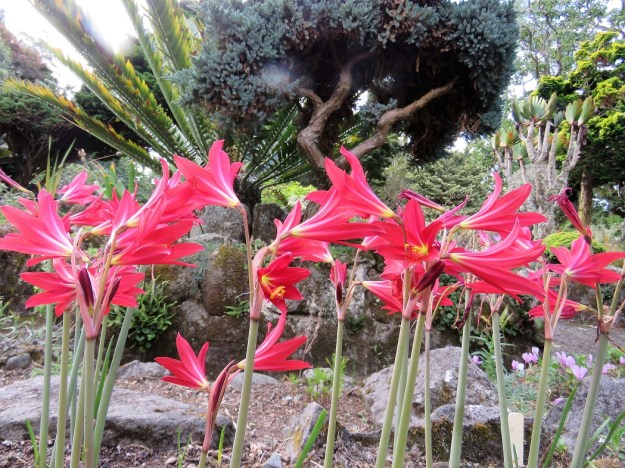
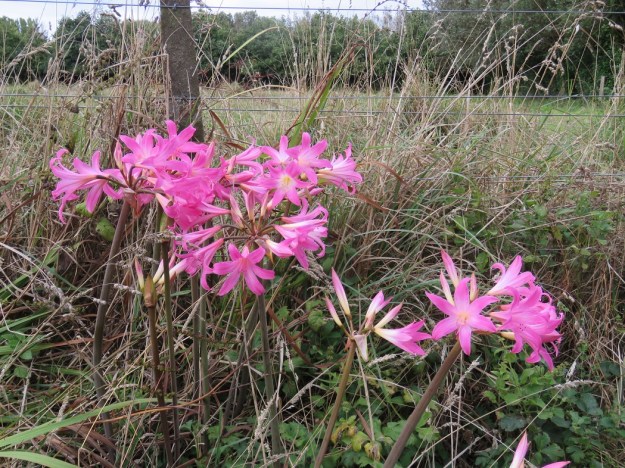
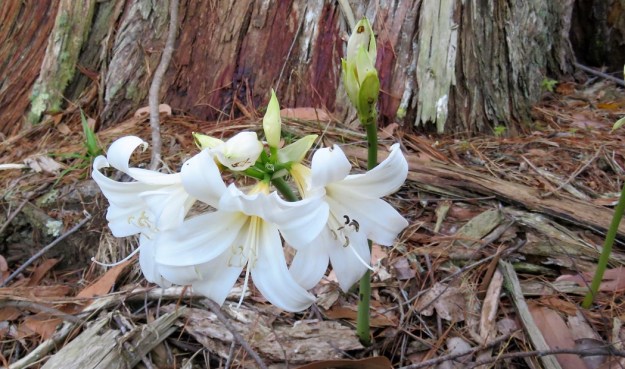
Rhodophiala bifida
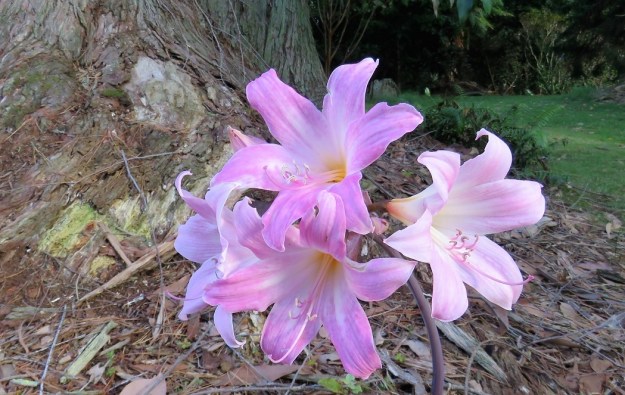
I posted this photo of rhodophiala to Facebook earlier this week – a lesser known bulb that is a fleeting seasonal delight. Whether you are willing to give garden space to a plant that is a 10 day wonder is entirely up to you but we like the variety and depth such plants give to our garden. The pink form does not appear to be as vigorous but is also very pretty.
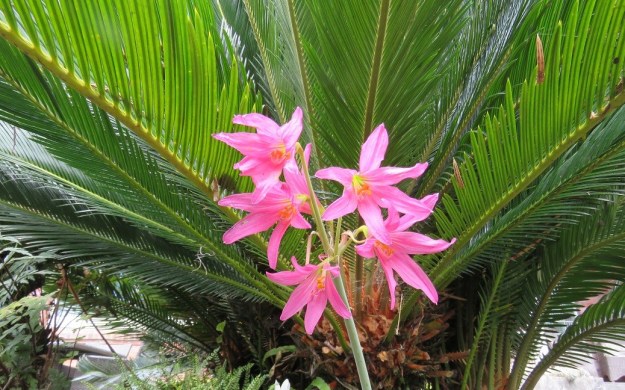
Rhodophiala bifida pink
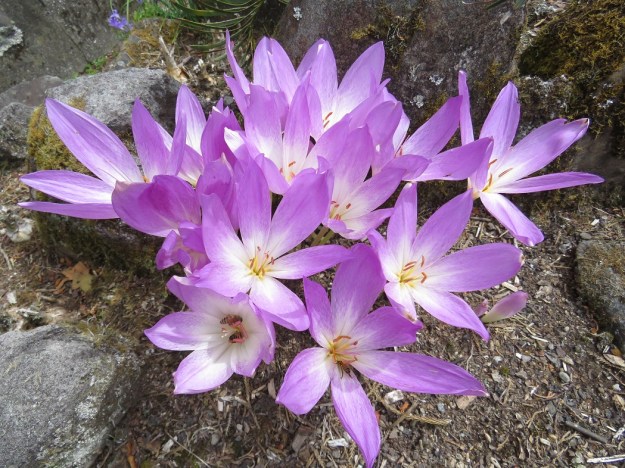
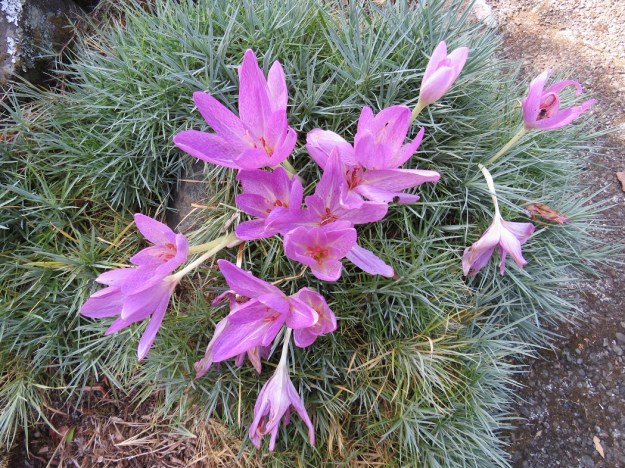
Colchicum autumnale
To be honest, the flowering season on the autumn flowering colchicum is also pretty brief but undeniably delightful. Their foliage comes quite a bit later and stays fresh all winter but does take rather a long time to die off – untidily – in spring.
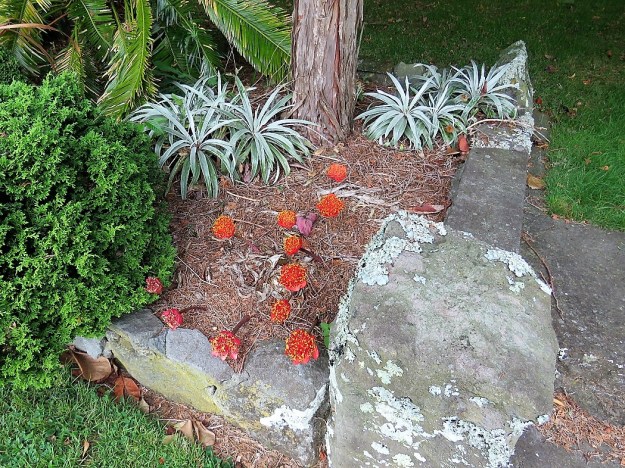
Haemanthus coccineus
Haemanthus coccineus is even briefer in bloom – days not weeks – but justifies its place because of its rather remarkable foliage. The pair of huge leaves on each bulb resemble big, fleshy elephant ears. But in green, not grey.
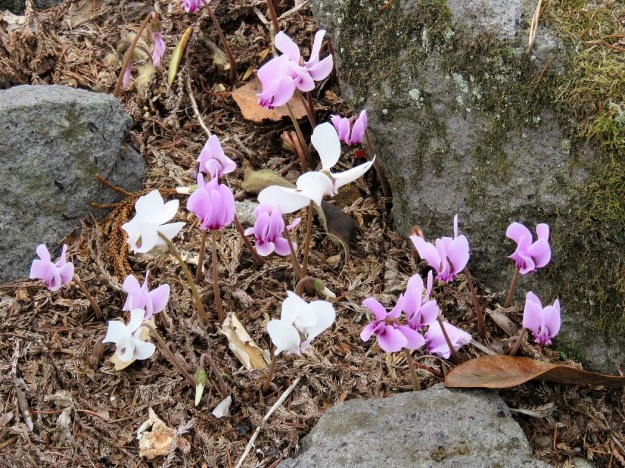
Cyclamen hederifolium
The autumn cyclamen are a different kettle of fish altogether. They really are a well behaved plant, flowering for months from mid to late summer through til late autumn and then putting out charming, marbled foliage. They seed down gently without becoming a menace and just get better as the years go by. 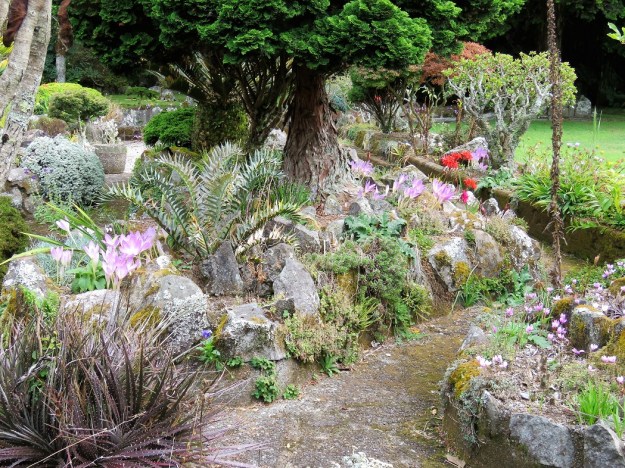
The rockery has two peaks, in early to mid spring and again in autumn. We are just entering the autumn phase when the nerines (the first ones out are the red blobs in the upper right), cyclamen, colchicums and many other autumn bulbs bloom. 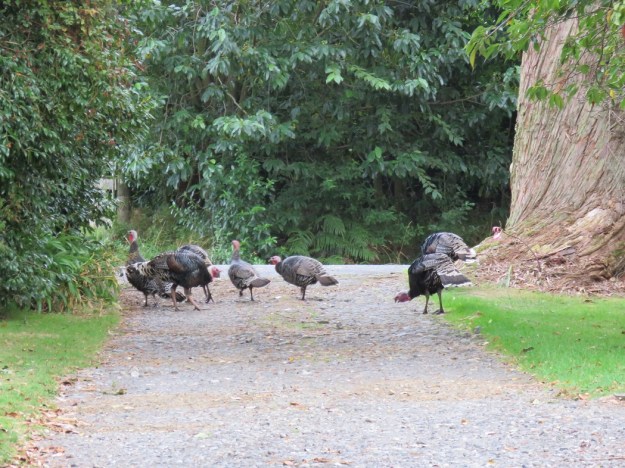
Interlopers on our driveway! The neighbours’ free range turkeys. Should the food supply chains fail in the face of Covid19, we will not starve here.
Batten down the hatches, one and all, and may you stay as safe as possible in these times.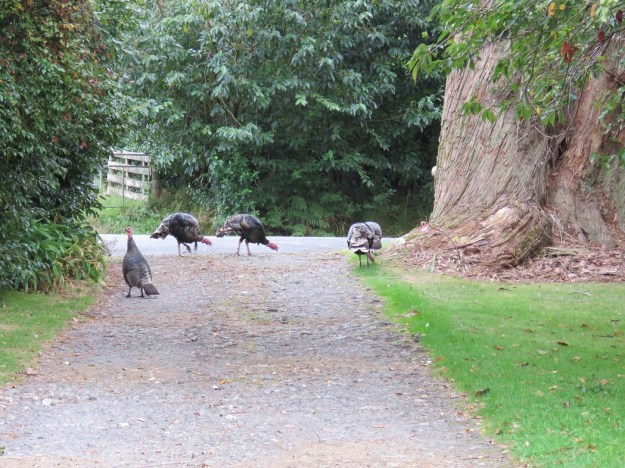







 Tikorangi The Jury Garden