Tag Archives: Abbie Jury

Succession planning and gardening values

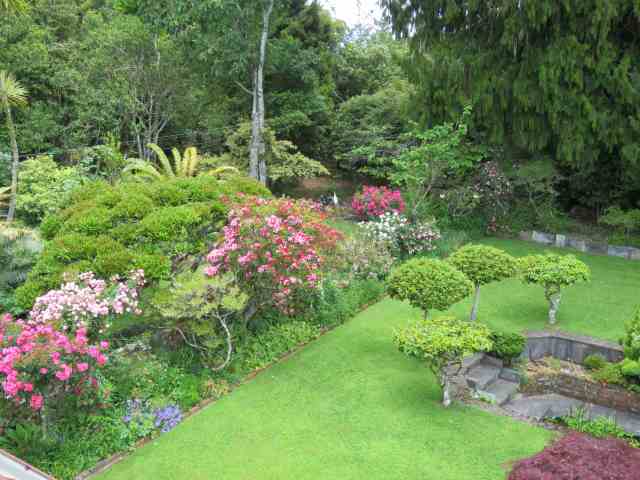
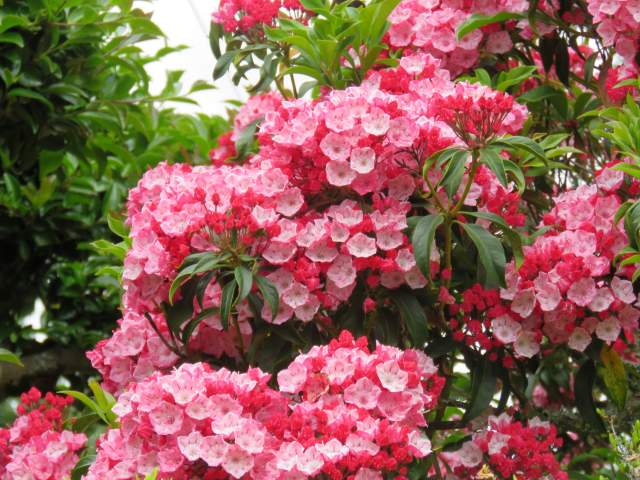
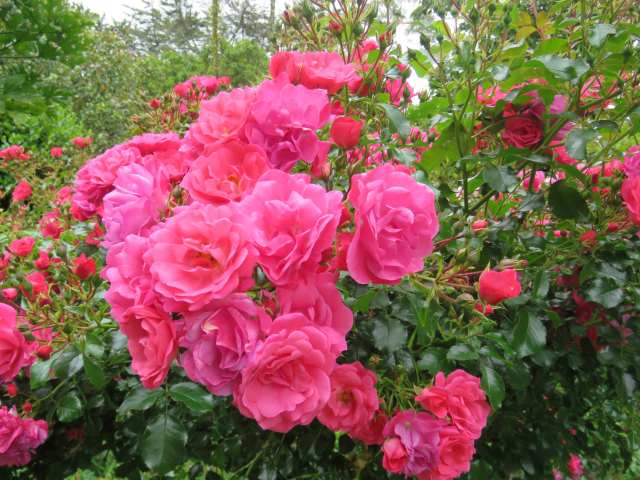
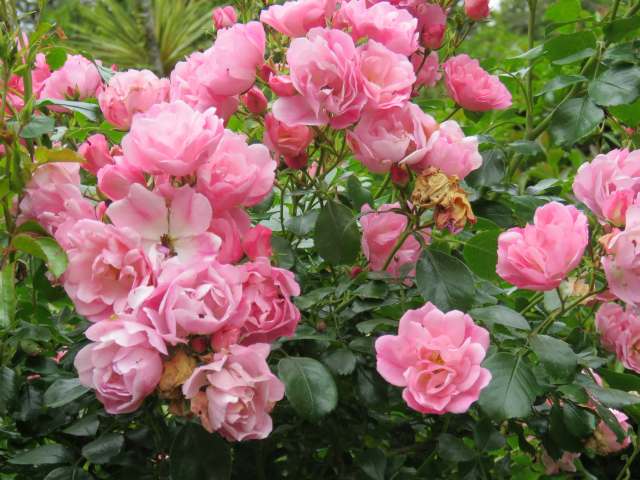
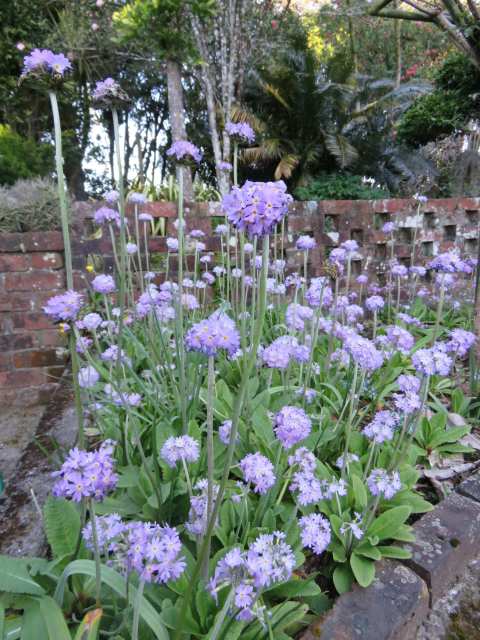
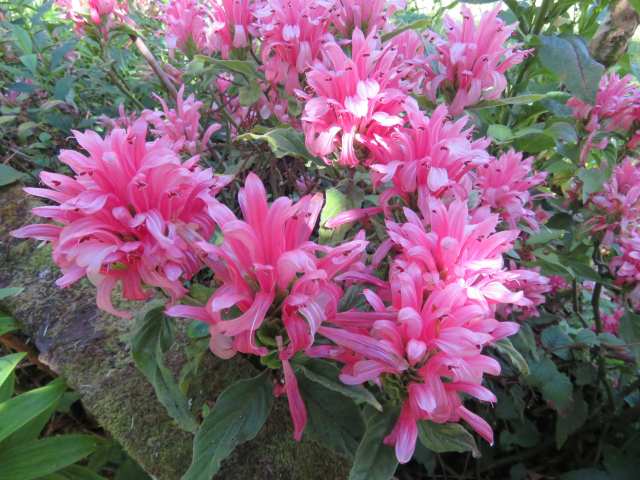
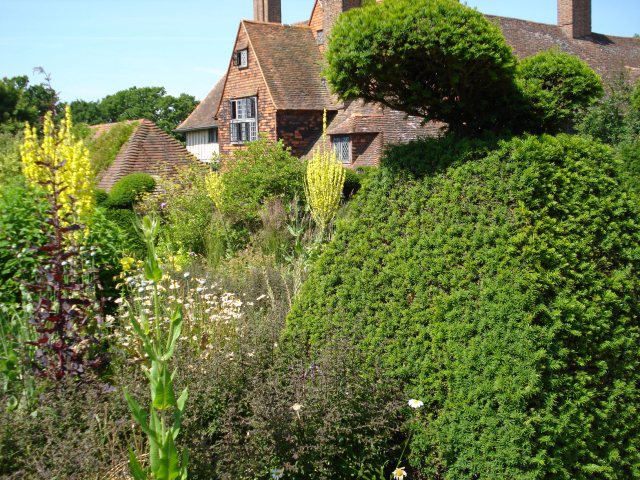
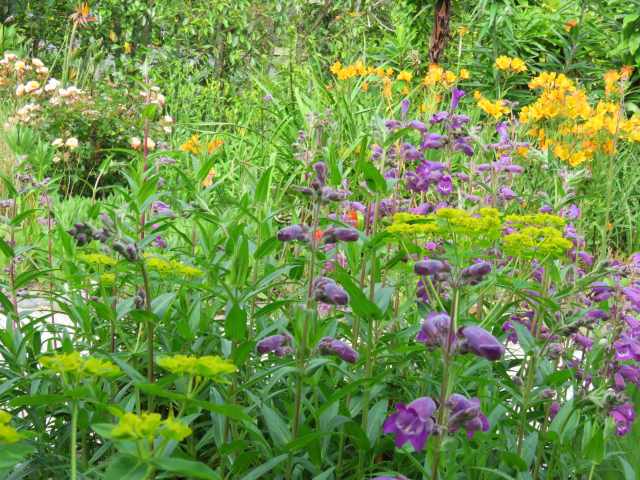
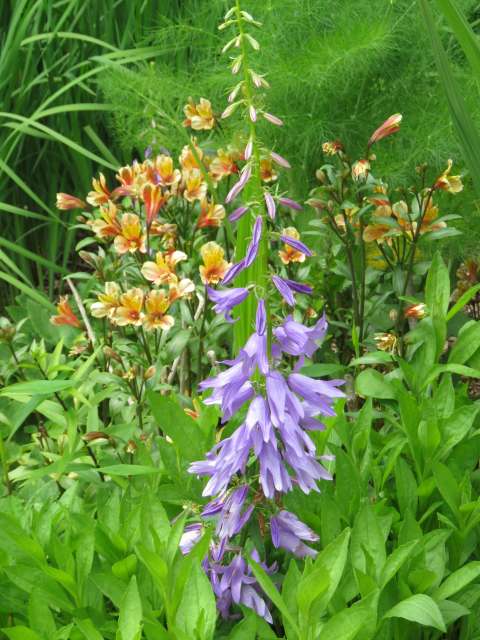
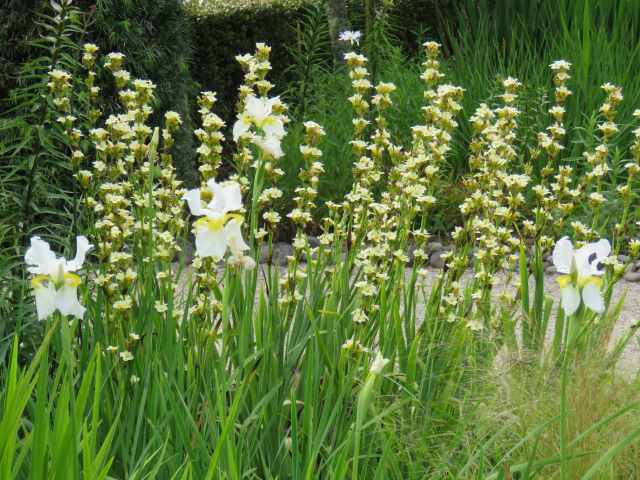
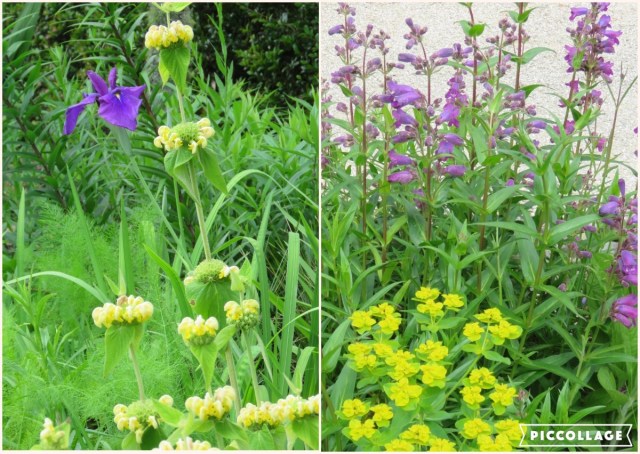
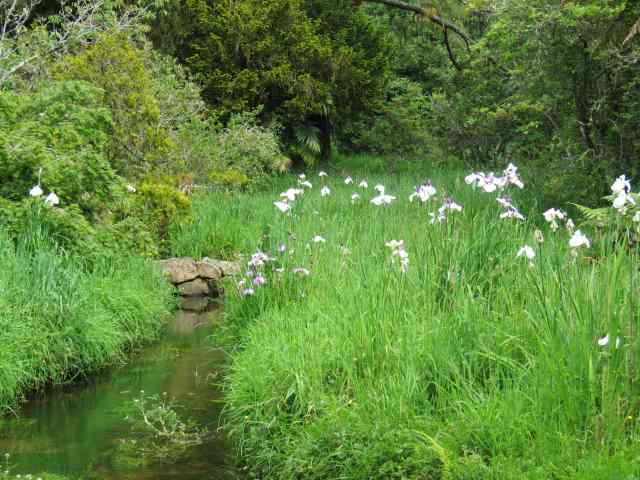
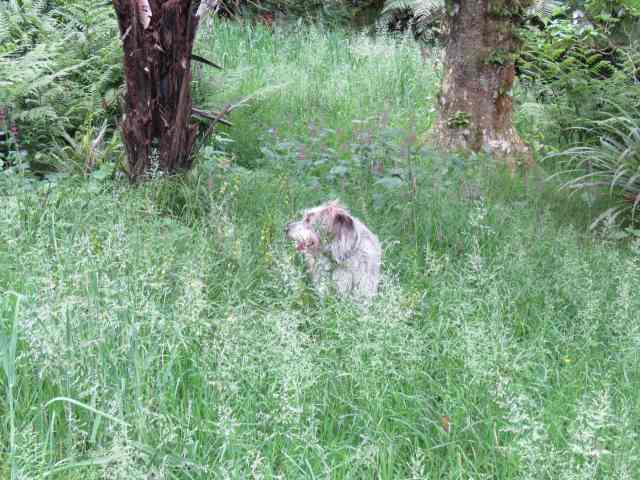
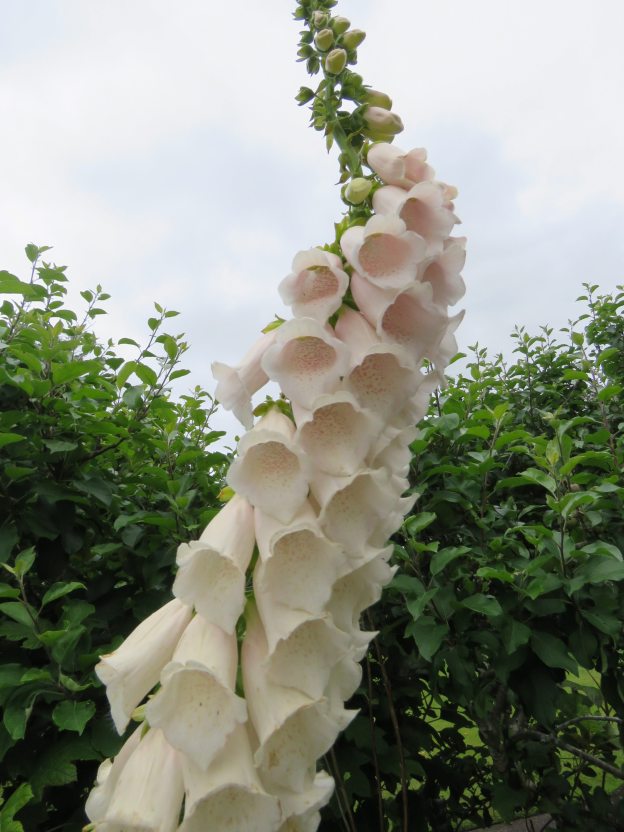
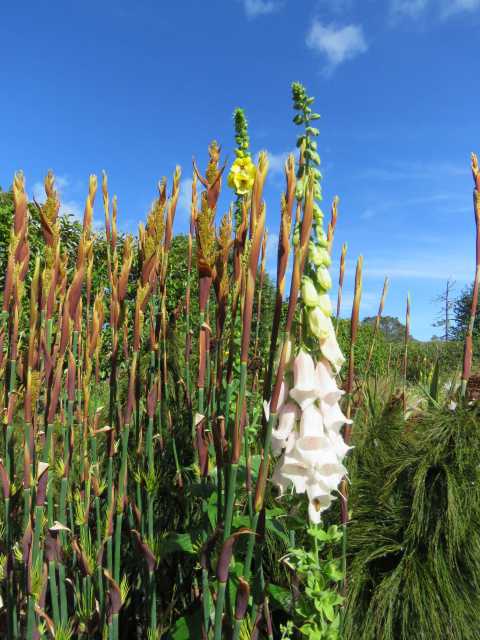
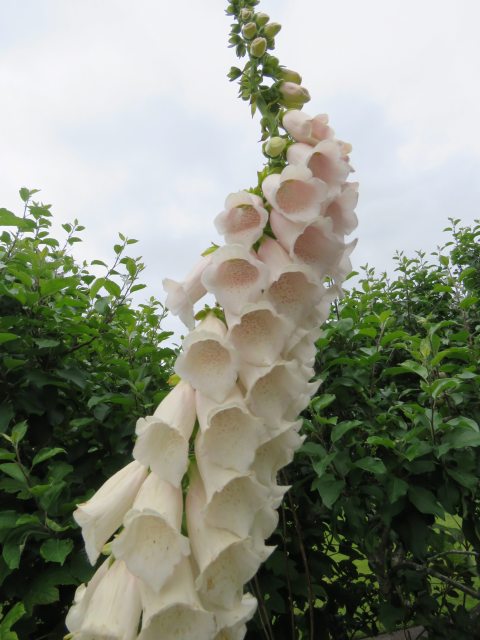
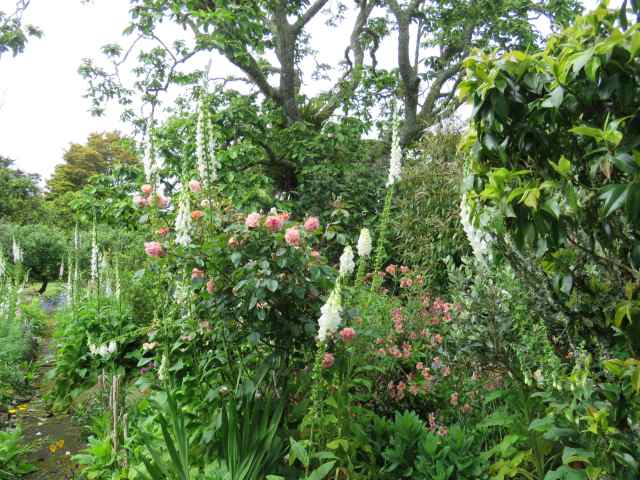
Somewhat unrelated flower photos from this week to make the text pretty – captions at the end

“A garden dies with its owner.” Those words were attributed to the late Christopher Lloyd of Great Dixter fame and repeated to us by one who worked with him. At the time, the renowned gardener Lloyd was being asked about succession plans. In the event, Dixter was transferred to a private trust and has continued to change and develop under the control of Lloyd’s former head gardener, Fergus Garrett, who has earned his own place in the annals of UK garden history. That is a comparatively rare example of the successful transfer of a garden after the death of its originator.

We visited Great Dixter in 2009 and planned to return on the 2020 trip we had to cancel when Covid struck.

The big difference at Great Dixter is that Fergus Garrett was not tasked with the requirement that he preserve the garden as it was in the time of Christopher Lloyd, frozen in time, as it were. It appears he was given a free hand to continue to develop and change the garden as he saw appropriate. Too often, when a garden transfers ownership or management, with it comes the expectation that it will be preserved as the originator created it and that rarely, if ever works. Time moves on, trees grow, micro-climates change and so do techniques and expectations.

Great Dixter again

I realised recently that when I visit gardens, I want to see elements of dynamic change, of current energies, dreams and visions, not just the preservation of the past, no matter how famous or significant that past was. As Mark and I age, I often think how lucky Mark’s dad Felix was to have Mark at his gardening side for the last 17 years of his life. He died knowing that his garden was in safe hands, going forward, not just being maintained or, worse, going back. That is a rare situation. Most of us just have to accept that our gardens may well die with us and hope that at least the good long-term trees may survive. As I say, relatively cheerfully, we will be dead and we won’t know. Christopher Lloyd was just being realistic.

The Lloyd quote came from Australian garden designer, writer, educator and presenter, Michael McCoy who brought a tour through here last week. Michael first visited here this time last year as he was scouting for this tour and we spent a remarkable couple of hours going around our garden in the rain. I have never met anybody before who was so utterly in tune with how we garden here – with our dreams and aspirations, who knew and admired the same international gardens, trends and people who have inspired us, who has walked such a similar gardening path across the decades – yet we had never met before. We don’t accept many tour bookings these days but it was on the strength of that shared ground that I agreed to Michael bringing his masterclass tour here.

A tour is not the time for extended conversations between the tour leader and the garden host because it is focused on making the experience as good as possible for the tour participants but we did have a brief conversation – again – about garden edgings. Regular readers will recognise this topic from earlier writings. I am not a fan and I am busy removing unnecessary edgings, particularly in the Avenue Garden. Michael McCoy and I agree on this topic. As far as I am concerned, there are only a few reasons for garden edgings – be they in a row of identical plants or a more permanent material. One practical reason is to retain mulch on the garden bed when the birds will otherwise scratch and distribute it onto adjacent areas; another is to retain the garden when there is a variation in level with the path either higher or lower than the surrounding planted areas; the third reason is to stop people walking on planted areas but this no longer applies now that we no longer open to the public. I have been reviewing all our garden edgings and removing those that are not necessary. When we cut a sharp line at the edge of a lawn, do we need another sharp line on the edge of the garden? No, we do not.

The fourth reason for edgings is entirely aesthetic and values-based. It is to make a garden look tidy. I laughed when, immediately after the tour left, I came inside and my news feed showed me this: Gardening: Hedges and edges add structure – and hide weeds. It is paywalled, I am  sorry, but just the heading, the accompanying photo and the bio note on the author will give you the flavour of the piece. I read the whole article and it is not that there is anything wrong in what the author has written. It is just that he is espousing the widespread use of both hedging and particularly edging plants to give definition to a garden and to add formality. His views on good gardening are very different to where our thinking is. Many gardeners favour this approach and will happily edge their gardens in compact buxus (B. koreana is a better option than the more common suffruticosa or sempervirens in these days of buxus blight), euonymus, liriope or dwarf carex.

It made me realise again just how far we have moved from seeing gardens as orderly, tidy affairs that sit on the landscape. Instead, we want to garden in a way that sits harmoniously within the wider environment, working with nature rather than imposing rigid control. Diff’rent strokes for diff’rent folks, as the saying goes. There are other ways to garden.

Not exactly straightjacketed into tidy orderliness down by the stream where the Higo iris are blooming

It was most affirming to meet somebody with considerable international experience who shares our gardening values. If you want to see more of Michael McCoy’s writings, photographs and videos on related topics, you will find him by his name on both Facebook and Instagram or his own site, https://thegardenist.com.au/

Not a lion in the meadow, a Ralph in the meadow

We have had Ralph for over two years now and he has met a reasonable number of visitors and several tours but I have never seen him perform as he did with this tour. He was sure he was the star in front of an appreciative audience. “Look at me! See how high I can jump! I can almost fly!” as he launched himself in the air after a passing bumblebee. “Follow me. This way please.” “Look over here!” “And here!” “Stand aside, dog coming through.” This continued all the way around the garden, where he must have covered ten times the distance of the humans. I suspect he was rewarded at afternoon tea with tastings of cake and biscuits – thereby breaking our iron rule of never feeding him tidbits when we are eating – but that is the way of tour groups. He was exhausted when they left and zonked out to sleep. Life has been very quiet for him in the days since.

The Higo iris are flowering in the park and truly, it is one of my favourite times of year in that area. Every year they make my heart sing in delight.

Purple penstemons, euphorbia and bright alstromeria in the borders. I haven’t had much success with penstemons in the past but now think I should try more.

It seems that the rabbit family who live beneath the swimming pool deck, who used to chew the lilac blue campanula to the ground, have gone and the next generations haven’t realised they are edible. One of the more compact alstromerias behind – name unknown.

Sisyrinchium striatum, I think, with white Iris sibirica. It is a pretty iris but very soft in the petal so it is inclined to weather mark more than other Siberian iris we grow.

Even with the best laid plans, volunteers can arrive and look as if they belong. I have NO recollection of planting the purple Higo iris by the the Phlomis russeliana and I am sure I never planted the euphorbia. The colour contrasts are startling but I like that in the summer borders.

Seeing through another’s eyes and TMF here

I am fine with the foxgloves in the Iolanthe Garden but there are no common pink ones

We no longer open for the springtime garden festival here but it is still a time of year when out-of-town friends come to see the garden. One such friend is an Auckland garden designer. I never ask for advice because I think seeking free advice is not much different to asking a medical professional for personal advice at a social event. Some lines should not be crossed. On the flip side, both Mark and I have a policy of not offering unsolicited advice in somebody else’s garden, no matter how tempting at the time, so this may all be a bit self-defeating. Our designer friend has a similar approach but he asked one simple question. We were looking at the Court Garden and he said three words, “Why the foxgloves’?

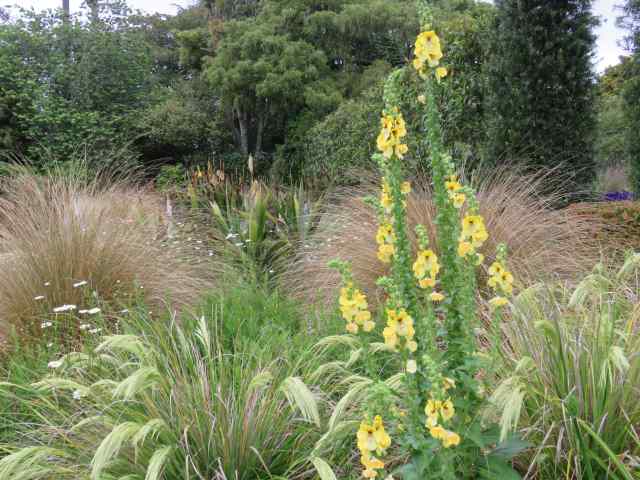
The large flowered yellow Verbascum creticum is fine but the foxgloves were just wrong in that situation

I suddenly looked through his eyes and indeed it was a good question to ask. I went to some trouble when I planted the garden back in 2019 to add palest, pastel coloured foxgloves to add some height and flowers in spring and I have let them gently seed down. Well, at the time they were meant to be pure white ones but they turned out pastel. I had not questioned their presence since but when I looked with different eyes, it occurred to me that they are, in fact, insipid in that situation. I looked at them for the next two days and on the third day, I pulled the lot out. When I sent a text to my friend to say they were gone, he just replied with the single word “Good”.

Flowering or not, once the decision was made, they had to go

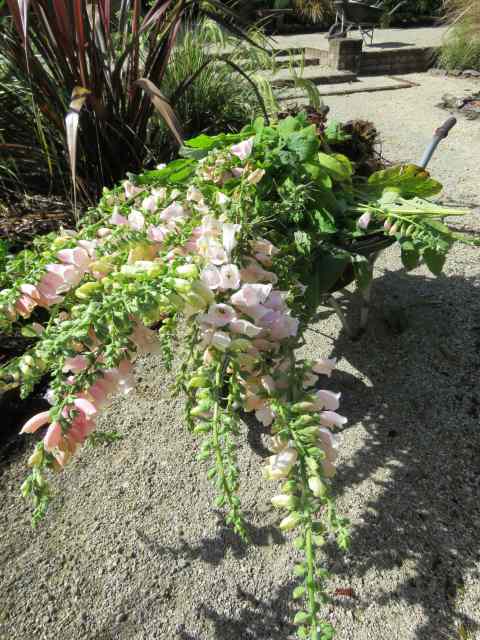
Besides, we were running the danger of TMF – Too Many Foxgloves. For years, I have been so focused on pulling out every common pink one and even paler pink versions of it (because foxglove seed will naturally revert to the unattractive pink form) that I hadn’t looked at the overall picture. While I am particularly fond of the pure white form, especially in the Iolanthe garden which is more perennial meadow than anything else and down in the park, we don’t want them everywhere. It is time to review all locations where we have allowed them to grow and time to limit their range.

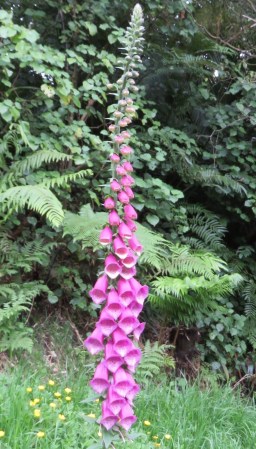
It is not even an attractive pink and it doesn’t combine well with other colours. I regard it as a weed.

I went to see a garden during the recent festival which I hadn’t seen for many years and now has new owners. It was a very nice garden and well maintained but as I walked around, I thought to myself that if they asked me for advice, it would be to pull out 90% of their dark pink foxgloves (Digitalis purpurea) , if not the lot of them, leaving just the white ones. They have let them seed everywhere and, to my eyes, it was a definite case of TMF. They didn’t ask, so I didn’t comment. But it made me more aware of letting them grow here in our garden.

No matter how good a plant is, it is still a mistake to have too much of it. I refer not just to foxgloves but also forget-me-nots, mondo grass, common verbascums, Verbena bonariensis, pansies, aquilegias and a host of other plants that self seed around the garden. In our garden, I would also add tree ferns, nikau palms (Rhopalostylis sapida) and kawakawa (Macropiper excelsum) to that list.

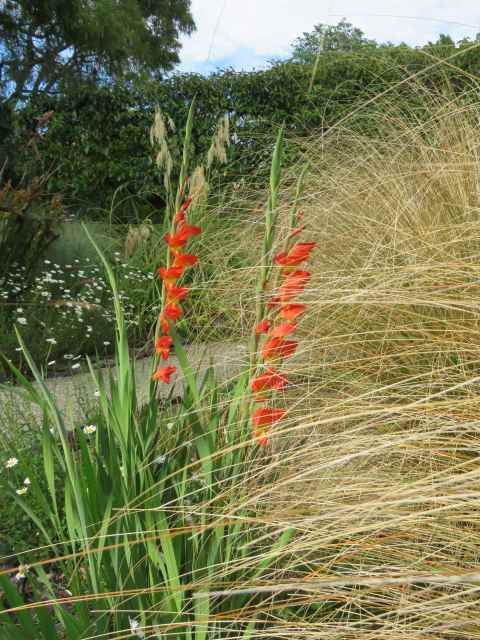
It wasn’t the gladious that was the problem; it was the foxgloves

Interestingly, as soon as I removed the pastel foxgloves from the Court Garden, having decided they were the wrong plant and too pallid, the anything-but-insipid Gladiolus dalenii syn natalensis no longer looked out of place at all; it changed from looking somewhat garish to vibrant instead. It can stay after all. It has only just dawned on me that the reason the foxgloves looked insipid in that location is the background. In the Court Garden, they were surrounded by plants that were either pale green hues or silver or many shades of brown. They look more charming in situations surrounded by masses of darker or brighter shades of green. I should have noticed this earlier.

A garden is never finished and even with an established garden, fine tuning it is what keeps it interesting. Sometimes, seeing it through somebody else’s eyes can be very helpful and small changes can make a big difference. I might ask for more advice from people whose opinions I value. Maybe it is not the same as asking my dentist about toothache over social cocktails after all.

The Court Garden with Verbascum creticum but no foxgloves any longer

Rhythm and repetition

The borders springing into fresh growth afer their winter hiatus

Oh my, but the summer borders are looking pretty. From being fairly empty and dull a few weeks ago, they have sprung back into life. When I planted them back in 2016, I remember muttering words like ‘rhythm’ and ‘echo’ as I was placing plants, with English designer, Dan Pearson, firmly at the front of my mind. I see I once recorded that I was working with about 120 different plant varieties in that area, starting with a blank canvas, so placing plants to achieve some continuity of rhythm was important in avoiding a mishmash. It is only this spring that I looked at it and thought, ‘yes, that continuity makes sense’.

Looking back from the other end
I have highlighted in blue the patches of blue – I counted ten all up

It is the repetition of a colour, not so much the same plant, that made the whole visually pleasing. At this time of the year, it is patches and threads of blue down the length that lifts my heart. Later in summer, it will be more about orange and yellow with splashes of purple leading the eye down the full length.

Strelitzia bring the blue, orange and red together in a single, very odd bloom. When those flowers die, they always remind me of a horse’s head.

Years ago – at least twenty years, maybe longer – the oft-repeated mantra of planting was to unify a garden by repeating plants throughout. I see in 2012, I wrote a piece querying this common wisdom and asking whether in fact that repetition just makes a garden downright dull. If you are using renga renga lilies (Arthropodium cirratum),  or even clivias, then yes, it will look dull and repetitious. It is not that simple.

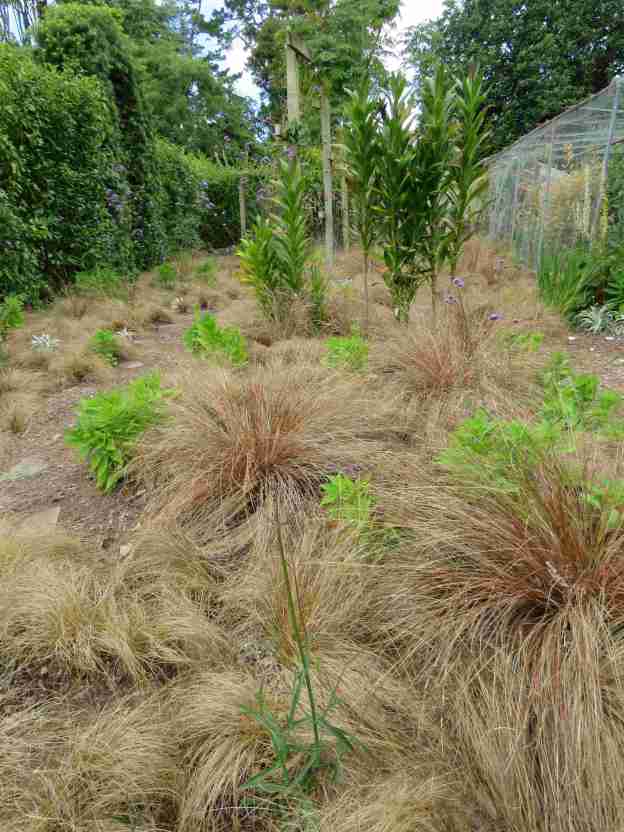
If you are going to use a lot of just one single plant variety repeated or threaded through a larger area, it needs to be very carefully chosen, not just what is cheap, available and easy to grow. It needs to be bold and strong enough in its own right to work visually and not just when it is in flower. I have seen it done with euphorbia which has good foliage, reasonable form and flowers that can smack you in the eyeballs. It is not my choice because I find the acid yellow a bit too strident and that is a matter of personal taste. But it can indeed keep a big perennial planting knitted together as a cohesive whole.

Not our garden. This is English designer, Tom Suart-Smith’s exquisite terrace at Mount St John in Yorkshire using clipped buxus mounds repeated through exuberant perennials.

I have seen tightly clipped shrubs used amongst perennials – usually tightly clipped buxus mounds and that can work well – better scattered randomly in my eyes than placed with mathematical precision. We have used the lesser-known Camellia yuhsienensis down one side of the borders – but only five of them. I clip and shape them but not to a uniform shape – more to keep them to a certain size and they give some winter interest when there is not much happening at ground level.

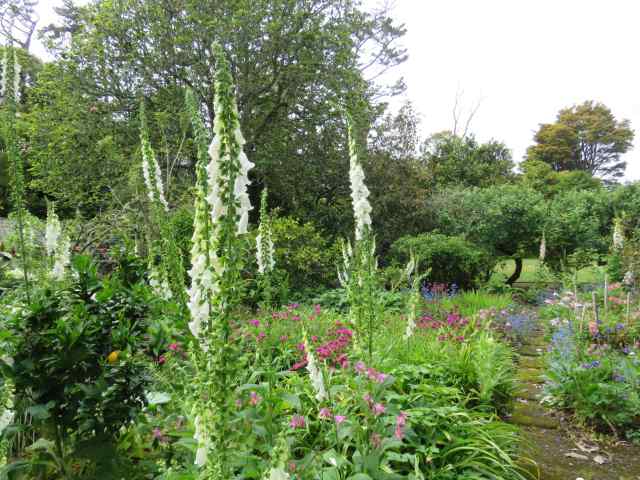
White foxgloves giving some stature and unity to the very loose plantings in the Iolanthe garden here

At this time of the year, it is the over-the-top white foxgloves that keep the loosely ordered chaos of our Iolanthe garden working visually. They are thugs, more perennial than biennial in those conditions and some are towering clumps over two metres tall, all in pure white. I need to thin them (‘edit’ them in modern parlance) because we are getting too many but those tall spires randomly spread through the area hold it all together visually. I admit the foxgloves are serendipity, not forward planning.

We watched an old documentary on the UK’s royal gardens earlier this week, and King Charles’ plant choice was tall delphiniums which are equally seasonal, a whole more work and arguably classier than my white foxgloves. He had them as the bold statement plant in many areas at Highgrove.

Iris sibirica ‘Caesar’ Brother’ in the foreground and Iris sibirica ‘Blue Moon” at the top of the photo

It is the repetition of colour that is working in our twin borders and that comes down more to rhythm than simply repeating the same plant. True, it is the bold blocks of Iris sibirica that give the mass of blue at this time of the year but they not the same variety of that iris and there are also blue bearded iris in flower and plenty of the dainty blue Orthrosanthus multiflorus, which is an Australian native that looks like a blue flowered libertia.

Orthrosanthus multiflorus is a very handy little plant

If your garden is very small, then you treat the area as a whole and picking one bold plant to thread through can certainly hold it all together visually. In a larger garden, it can make it all look the same if you insist on repeating the same plant on a much larger canvas. It is a lot more interesting to ring the changes and create different atmospheres in different areas. You can also achieve unity by repetition of form, not necessarily the same plant.

The orthrosanthus – apparently known as the morning iris – sits gently amongst the daintiest kniphofia, fennel foliage and alstromeria, adding to the thread of blue that holds the overall display together at this time of year.

Or you can do it by colour and that is what is giving me joy. I did plan it, though in my mind and not on paper, so it is not by chance or good fortune. It is even more pleasing to see a plan coming together and for me, it is about rhythm and harmony, rather than controlled repetition.

Not just blue – here we have orange tritonia echoing across the path to kniphofia and alstromerias. With Raplh, as per usual

Show time!

It is the time of the year when the deciduous azaleas star and there aren’t too many plants that star in bloom as they do. For 49 weeks of the year, they are largely ignored and then boom!
If you set aside the flower power, deciduous azaleas are a fairly unremarkable plant, at least in our conditions. I have never seen one with exceptionally attractive form. In winter when they have no leaves, they tend to look twiggy, scruffy and dead. With their fresh foliage in spring, they are generally unremarkable. By the end of summer, in our mild, humid conditions, the foliage is often mildewed. As I went around photographing ours on Thursday, I thought they would look better if we did a big round on taking out the dead wood, which we haven’t done for some years. This is a task best done when the plants are in leaf because in winter, it is hard to tell the difference between dead wood and live wood. But even when we clean them up in this way, it is still very hard to turn an azalea shrub into a good form which stands on its own merit because their growth habit is so twiggy, so formless.
These shortcomings are forgiven when they come into bloom. Masses of bloom, often strongly scented and the colour range is extensive. Some have a vibrance and mass that is rarely equalled. ‘Look at me! Look at me!’ they shout. Others are much more restrained in hue if you can’t think how to integrate the pure colour of the oranges, reds and yellows.

We have a fair swag of them, mostly planted between the 1950s and the 1960s. Some came into the garden as named varieties but the names have been lost in the mists of time. Felix Jury immediately used these in controlled crosses and raised more from seed. Mark also dabbled in turn, particularly with getting double flowers. Deciduous azaleas are one member of the rhododendron family that I think you can safely buy based on flower colour alone, without worrying about searching out particular varieties.

Most of our azaleas are surrounded by large expanses of green. And a rhododendron is not going to survive being planted right on the streambank like this azalea (which is itself a member of the rhododendron family but let us not be pedantic).

Azaleas are useful because they are nowhere near as touchy about growing conditions as most rhododendrons, particularly wet feet, as we refer to heavy soils that never dry out. In those earlier days, our park was prone to flooding. They will also tolerate dry and exposed conditions, living and growing when many rhododendrons will quietly give up the ghost and die. We only have a few deciduous azaleas in the cultivated gardens around the house; most are in the looser areas of the park and the  Wild North Garden. And therein lies a lesson on placement. I don’t think they are an easy plant to place well in smaller, urban gardens, especially the strong coloured varieties.

It is hard to place a plant as dominant as this when in bloom in a smaller, town section planted in the soft pinks of springtime.

I drive past such a small garden every time I go to town. Freshly planted, my guess is that the owners went to the garden centre in spring and bought everything in flower that they liked. It has been particularly pretty this spring with both Magnolia Felix Jury and Iolanthe putting on a show despite their small stature at this early stage, along with some very pretty cherry blossoms, rhododendrons and camellias. And, this week, one garish deciduous azalea in bright yellow. I can see why they bought it but it does rather stand out as lacking harmony with the rest of the garden. The more restrained colours are easier to integrate.

I think our brightest azaleas work because they are standing pretty much in isolation surrounded by masses of green. When they have finished flowering, they will just be another shrub down in the park, like a neutral coloured cushion on a sofa. It is much harder to place them well in a small garden.

If you are in New Zealand and want to buy a deciduous azalea or three, do it right now. This is not a plant that fits modern methods of production and retail so you are unlikely to find them easily when they are not in bloom. Garden centres are not keen on them because they only sell when in flower.

I briefly attempted to disentangle the differences between deciduous, mollis, Ilam and Ghent azaleas, to name just a few groups. Mark gave me a potted history of the azalea in Aotearoa New Zealand and names like Exbury, Stead, Yeats and Denis Hughes all came up, along with notable collections around the country when they were a very popular plant several decades ago. Alas, I am not so fascinated by the genus as to give the time to fact check it all. I will say that if you use the broad term of ‘deciduous azaleas’, it will encompass the lot.

I picked one flower from each azalea that I could reach currently in flower, just to show the range of colour, size and flower form.
The three double white flowers are Mark’s efforts. I did not know this until he saw me laying out the flower board selection.
Too much? I admit there is a whole lot of this orange wonder in its location in a wilder area of the park where it has thrived, untouched by human hands for decades.

My lukewarm attitude to big red rhododendrons

Noyo Chief, big, bold and red.

Back in the days when we used to retail plants, I would quip that nine out of every ten big, red rhododendrons were bought by men; the tenth was usually bought by a woman for her husband. This may well be an exaggeration but it made me view big, red, rhodos as very… well… masculine.

Looking down to the park. Noyo Chief on the right, polyandrum on the left of the mown path. And photobombing Ralph in the foreground.

It may be that, in the intervening years, men have matured beyond that manly cliché and refined their tastes. I couldn’t possibly comment. This train of thought came back to me as I stood looking down one of the tracks to our park. On one side is a large, handsome plant of ‘Noyo Chief’ in full bloom and on the other side of the track is R. polyandrum in flower. My brain registered that ‘Noyo Chief’ was putting on its usual showy display but my heart drew me down to look more closely at polyandrum. It is all a matter of taste and preference. I can see  the merit of the big red but it was the gentler charm of the very fragrant, loose-flowered cream that stirred my emotions.

Polyandrum with its heavily scented, large flowers that measure up to 17cm across but not your classic ball truss of a rhododendron.

Back in the early 1980s, Mark started the nursery here. We will give his father, Felix, credit for many things but contrary to what some people still think, he did not start the nursery. That was all Mark’s effort, from one wheelbarrow up. He started with rhododendrons as the main line and, as one in four New Zealanders lived in the Auckland area at the time (now more or less, one in three), he always had the goal to produce rhododendrons more suited to their climate. This meant varieties that would keep good foliage and not need regular spraying in a mild, high humidity climate that lacked winter chill.

The NZ hybrid Rubicon is one of the best reds – my camera has turned it pinker than it is to the naked eye. But you can see the silvering on the leaves which is a sign of thrips which we get badly in mild climates. This plant flowered brilliantly for years and then simply… died.

There are a few big ball truss types that perform well in Auckland and this includes the arboreums, many of which are big reds. ‘Kaponga’ is a good example. But it was the maddenii group that Mark targeted. Felix had already found that they performed way better here in our mild, humid climate, keeping healthy foliage without spraying, flowering abundantly every year and many, if not most, had fragrance. Most of Felix’s successful hybrids are from within the maddenii group – ‘Bernice’, ‘Moon Orchid’, ‘Floral Dance’ and ‘Barbara Jury’, amongst others.

This is an unnamed maddenii from Felix’s breeding – the same cross that gave Moon Orchid and Felicity Fair.
The same maddenii beside white Mount Everest. I like that contrast of the looser maddenii with the chunky sturdiness of the ball truss on Everest.

Alas, none of the maddeniis have big, ball trusses that are generally associated with rhododendrons. Nor do they come in red, be it bright red or dark red or pure red. And the maddeniis don’t have that chunky, solid, rounded form of growth seen in many rhododendrons, instead being much looser in form. We spent years working hard to convince the buying public of their merits. It often felt like pushing the proverbial excrement uphill and I don’t miss those days at all. These days, I am happy to enjoy them in our own garden. The maddeniis make my heart sing more than any other group of rhododendrons. Personal taste and all that.

Rhododendron nuttallii x lindleyi ‘Stead’s Best’ delights me far more than any big, bold red.

As a postscript to big red rhododendrons, let me tell the story of ‘Fireman Jeff’. Back in the early days of the nursery, our country’s borders were much looser and there was a lot of new material coming into the country. Mark bought all the new hybrids he could find locally, mostly originating from the USA. It was the era of plants like ‘Lems Monarch’, ‘Lems Cameo’, ‘Puget Sound’, ‘Trude Webster’ and so many more. I see our 1990 mailorder catalogue ran to a full 127 different rhododendron options, which seems a huge number for what was still a small nursery. ‘Fireman Jeff’ was amongst those recent imports. Mark and I must have been a bit tired in 1989 when we wrote its description for our catalogue:

Fireman Jeff (Jean Marie de Montague x Grosclaude) 2m Mid season.

This over-rated hybrid is best suited to a cooler climate where its bright red, almost hose in hose flowers could make a splendid feature in your neighbour’s garden. Large plants $10.00.

I see a year later, in 1990, we changed our tune a bit and wrote: “To prove our comments last year wrong, it flowered beautifully for us this season. Better suited to cooler climates where it may justify its good reputation.” And we had put the price up to $15.50. We dropped if from our range, though, because it wasn’t suitable for our target market.

I lack any photos of Fireman Jeff. This instead is another maddenii seedling.

‘Fireman Jeff’ is still being sold extensively but the advice remains sound – best in cooler climates (south or inland) with winter chill and lower humidity. Keeping to the arboreums and maddeniis is a safer move if, like us, you are high humidity and lacking winter chill. With a garden dating back to the early 1950s here, we can speak with some authority on the rhododendrons that have lasted the distance in these conditions.

These are both unnamed seedlings but again, that combination of the tight ball truss and the loose maddenii bells pleases me.