
Agapanthus with the dreaded convolvus – the latter is pretty in flower but we do not need it
As you drive around the countryside in January, ponder this: does a sprayed roadside with dead grass and roadside litter look better than wildflowers? And are garden escapes (which takes in most roadside plants and flowers) environmentally worse than repeated application of weedkiller? Maybe it is time we reviewed our attitude to weeds.
It is often said that a weed is simply a plant in the wrong place, though I see Sara Stein is attributed with the extended statement, “A weed is a plant that is not only in the wrong place, but intends to stay.” After all, even weeds are native to somewhere and one country’s treasure can be another country’s problem.
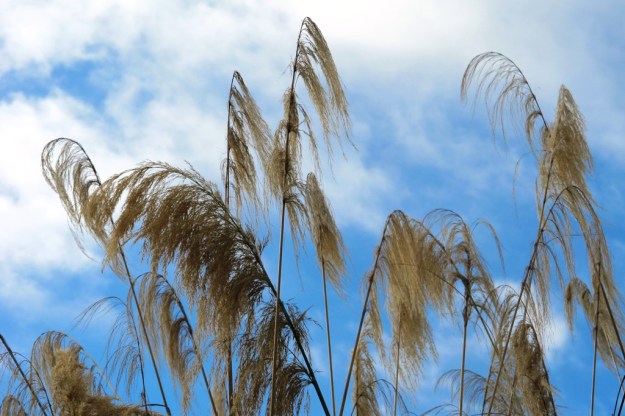
Toetoe beside the new Waikato expressway
A disclaimer first: our native bush and forest are precious and vulnerable to takeover by invasive and aggressive imports. We do not need another old man’s beard (Clematis vitalba) and perish the thought that Japanese knotweed (Fallopia japonica) ever gets a major foothold here. If you are lucky enough to live adjacent to near-pristine native bush, that brings an obligation to be very careful with what escapes your property and colonises roadsides. It also behoves us all to have some awareness of what is on our Regional Council banned and watch lists.
But most of us live in heavily modified environments and I suspect a preference for weedkiller over wildflowers arose from our farming heritage and feeling of obligation that “weeds” should not be permitted to invade precious farmland. Nowadays, when farming has become much more industrialised – a green desert, often, lacking even shelter belts – based entirely on imported grass and feed species, I don’t think that argument holds.

The ugliness of the sprayed verge
Each time we visit Britain, we are entranced by their hedgerows and natural roadside vegetation. Apparently, after major clearance in decades past, there came an awareness that hedgerows contribute a great deal to the eco-system and grants were made available to reinstate them. There is not widespread mowing of road verges, let alone the ugliness of spraying. Would that we had such an enlightened attitude here. In vain do we protest that repeated spraying creates a vacuum into which unwanted weeds move first (notably the invasive, yellow bristle grass in Tikorangi), but it also prevents the ground from absorbing rainfall. Instead, the surface water is funnelled down drainage ditches, washing with it weed spray and any petrol residue from the road into waterways. How much better to have a growing roadside which filters the run-off?
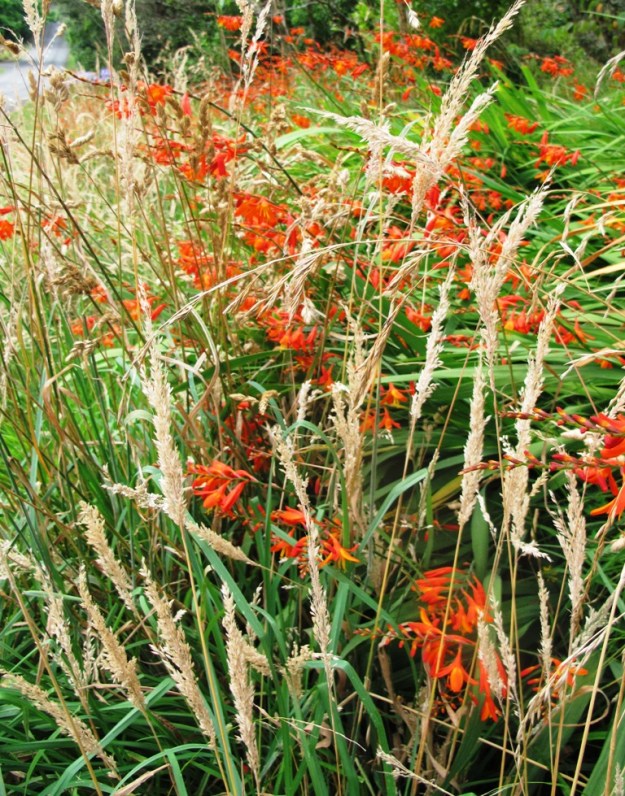
Crocosmia – weed or woldflower?
Roadside vegetation is more interesting visually too, offering flowers and seasonal colour. Add to that a wildlife corridor role and we argue that they can make a significant contribution to a healthy environment. If you are worried about using imported ornamentals, you can encourage native re-vegetation. The native plantings alongside the new Waikato Expressway feature an abundance of toetoe which is wonderfully sculptural and interesting, especially silhouetted against the sky.
But we like the random mix of plants and colours we see. I look for the point where wild hydrangeas on the Otorohanga bypass change from blue tones to pink tones. I guess that marks the transition to limestone country. All our hydrangeas in Taranaki are blue as blue and they thrive on roadsides in a climate where we get summer rainfall.
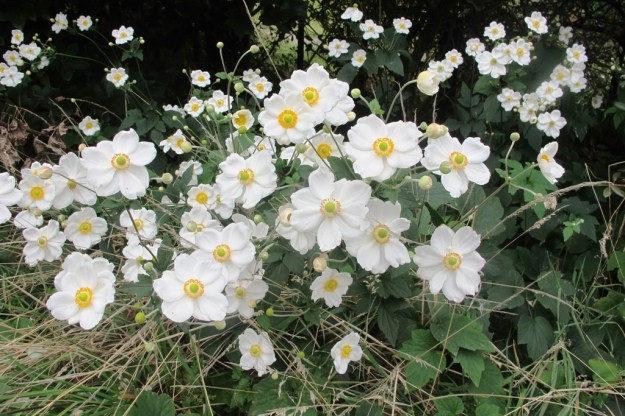 The white Japanese anemones that flower in the long grass around the country corner where we live make me smile every autumn. Orange-red crocosmia – earlier referred to as montbretia – feature large around here. So too do red hot pokers, fennel, arum lilies and cannas while further north the ox-eye daises, yellow vetch and wild carrot feature more.
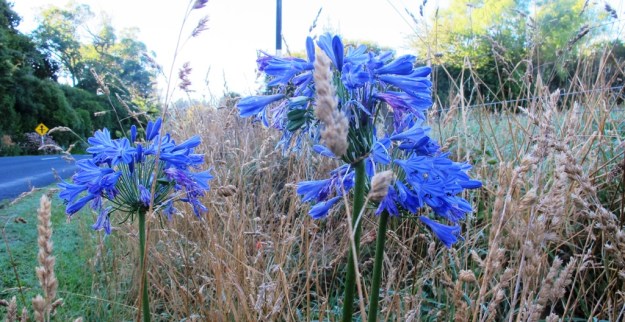 And agapanthus. There is a plant that is a great deal more revered overseas than here. It is controversial, actively discouraged and some forms banned in northern regions. Some folk hate it with a passion and it cannot be sprayed out with glyphosate. But truly, our roadsides round here would be the poorer without the summer display. In its defence, we have not seen this tough plant seed down any great distance from its parent in our conditions and it is also very good at stabilising clay banks.
I recall two English garden visitors a few years ago who asked what were the “giant bluebell and what looks like a lace-cap yellow hydrangea” flowering on all our roadsides. The yellow lace-cap was fennel but the giant bluebell had me absolutely stumped until I next drove out. It immediately dawned on me that they were referring to agapanthus. It is not cold-hardy in large parts of Europe and the UK and is a prized garden plant. No wonder they failed to identify it growing wild in abundance here.

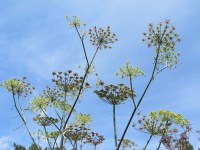
Fennel, not lace cap hydrangea
First published in the January issue of New Zealand Gardener.


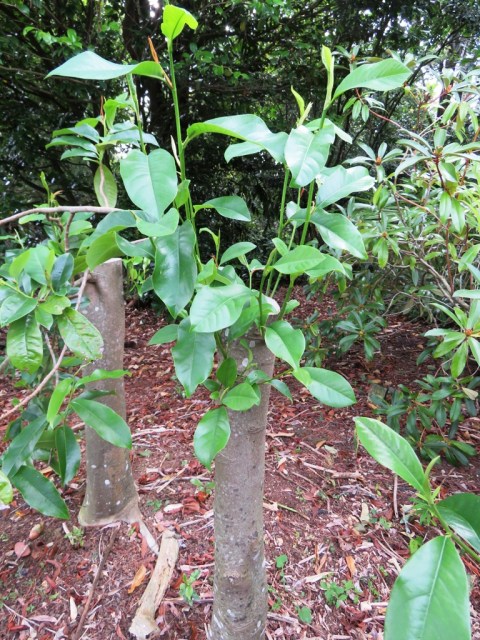
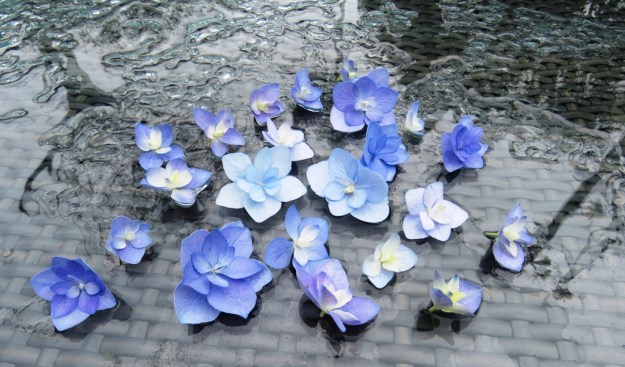

 Having just posted the pensive message above, I walked into the kitchen to find Mark arranging flowers. Umbellifers! Which one, I asked. “Manchester Table, to be precise,” he replied. Daucus carota subsp. sativus – in other words carrot that was bolting to flower and seed. It did strike me that there was a certain symmetry between my words and Mark arranging his floral display of Manchester Table, Yorkshire fog, Lotus major and linaria.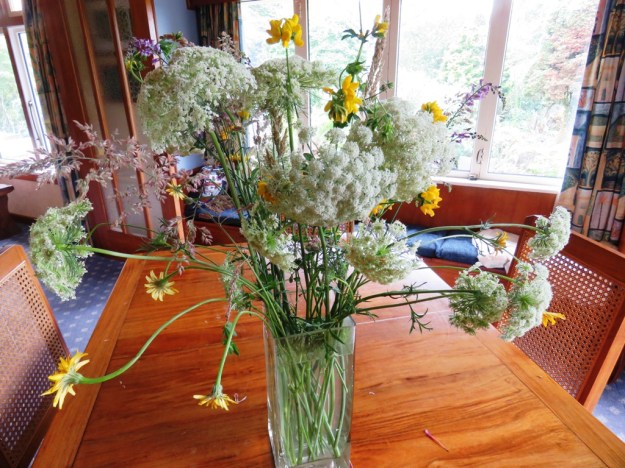
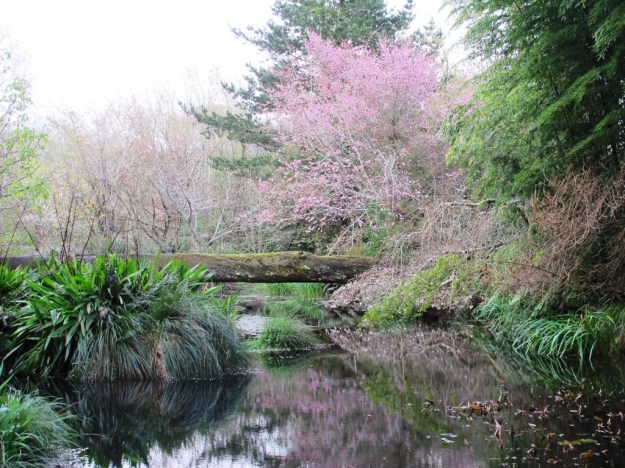
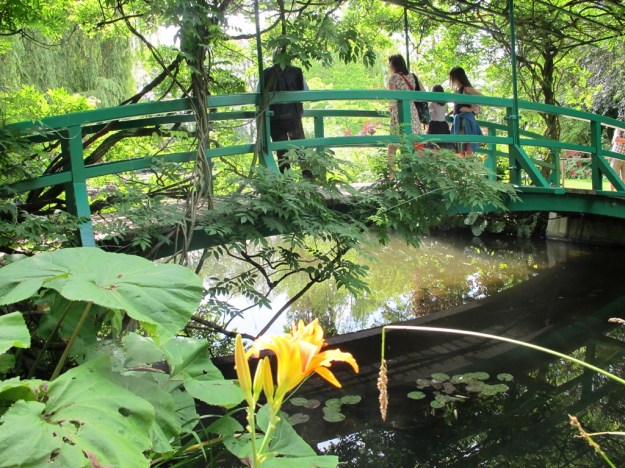 Monet’s garden in Giverny has probably given us the most recognisable garden bridges – gently arching in form and painted. While originally Japanese in inspiration, Monet gets all the credit these days.
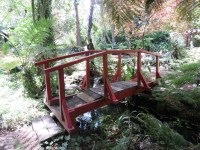
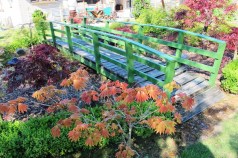
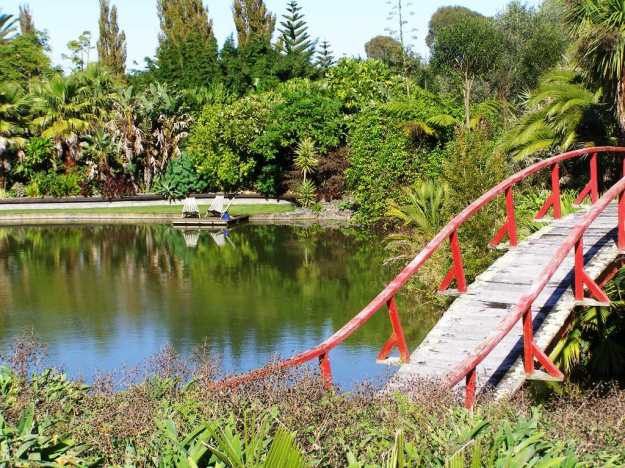

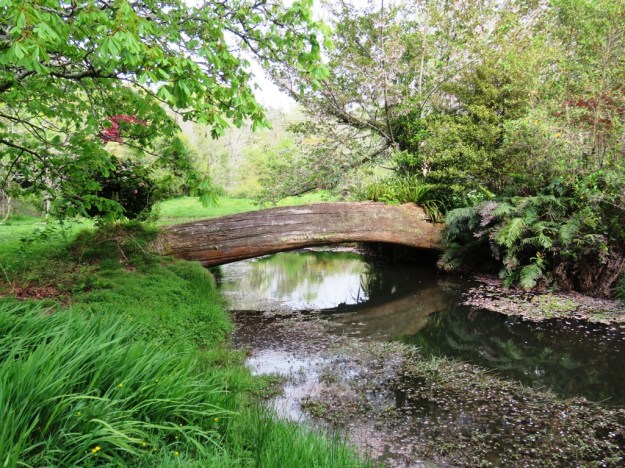
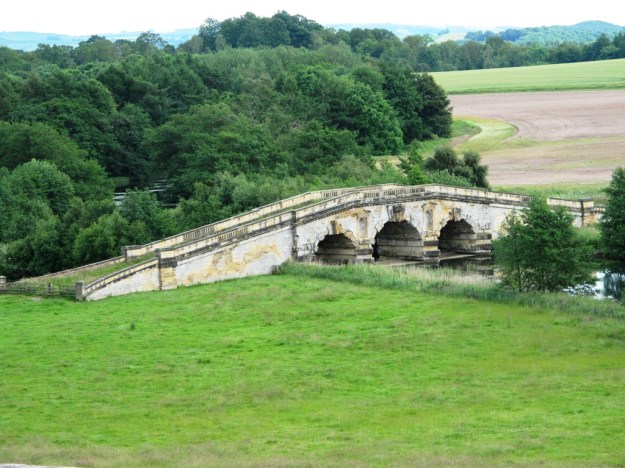 Away from the domesticity of Monet-style, I photographed this handsome, apparently disused bridge at Castle Howard in Yorkshire. What a handsome landscape feature it is, though I failed to find out the story behind its construction.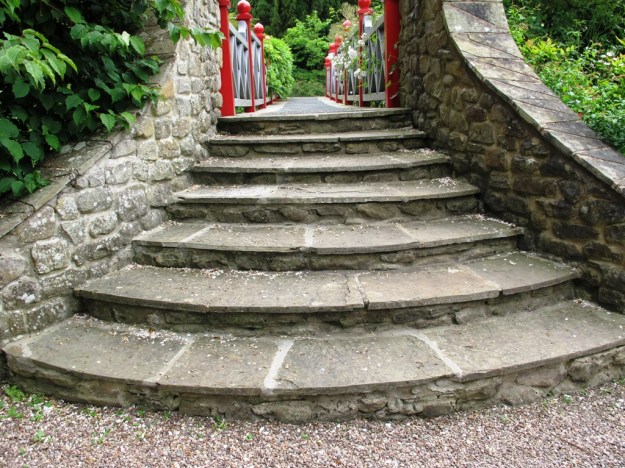
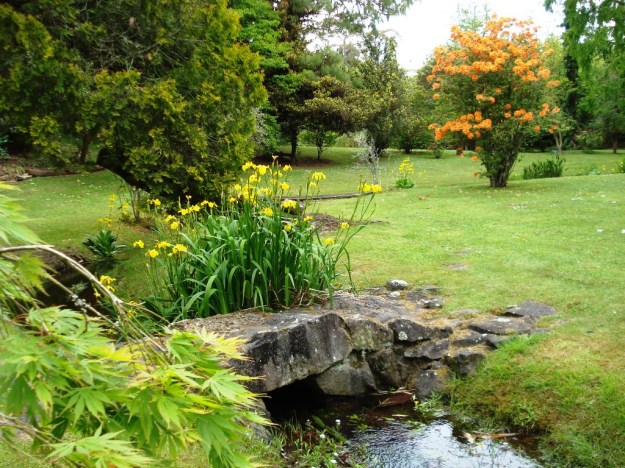 We have a small stone bridge in our park, modest in scale though perfectly functional and gently permanent in its visual appeal.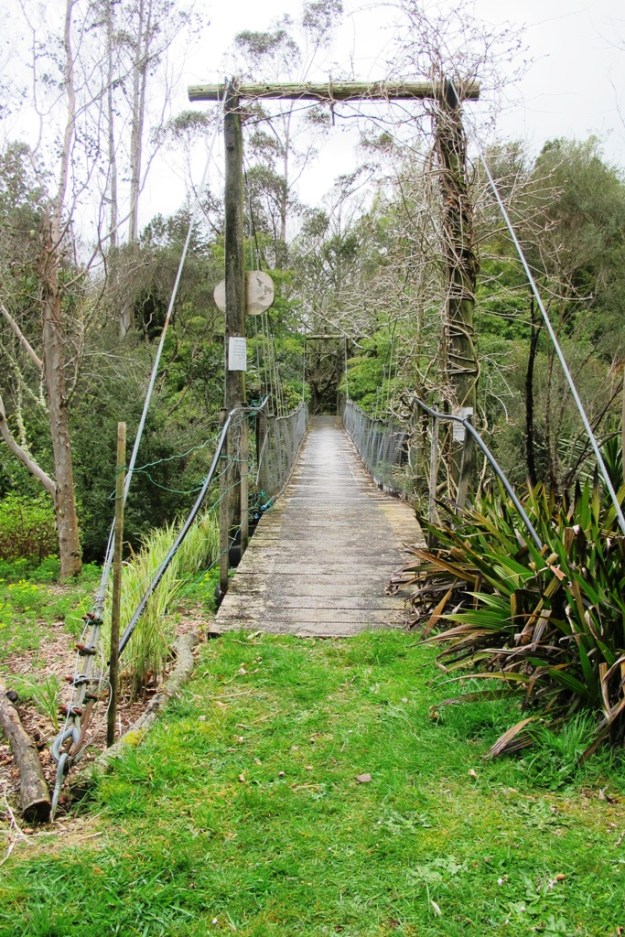


 I have been meaning to stop and photograph this watsonia growing wild down the road. Mark tells me it is a species but I have yet to put a name on it. The dusky apricot colouring appeals to me. Some may call these weeds but oh, when I compare these roadside plants to the ugliness and environmental unfriendliness of scorched, sprayed earth, all I can say is give me these weeds which make a contribution to the eco-system. It is such folly to think that spraying roadsides is desirable. All it does is to create a vacuum where less desirable weeds will re-colonise the area and, in the interim, all the water flows away, washing residual spray and road residues into our waterways. My column in the January issue of NZ Gardener is on the topic of roadside plantings. We often talk about this as we drive and we despair at the ugliness and the willy nilly use of weed spray in this country of ours. Clean and green New Zealand? Not in reality.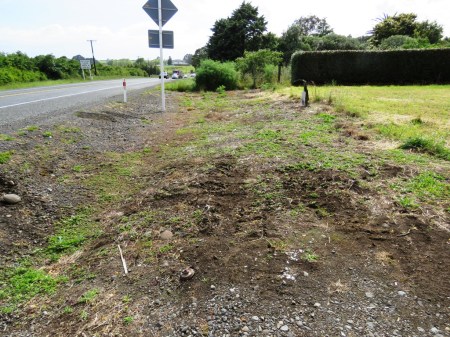
 More cheerfully, the so-called Australian frangipani (Hymenosporum flavum) growing by the road halfway to town has been delighting me for several weeks. Many flowering trees are glorious on their day – but you can count their flowering season in days, rather than weeks. Not so this hymenosporum. It is not even a close relative of the frangipani, though it is scented. It needs frost free conditions to get established and good drainage but is worth growing for its late spring, early summer blooming.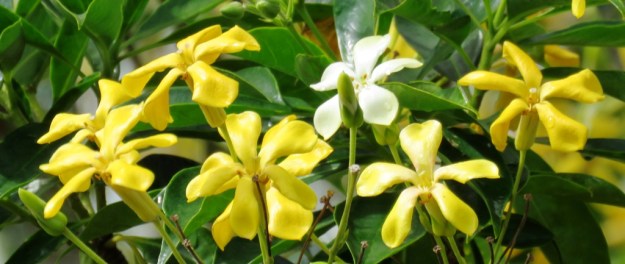
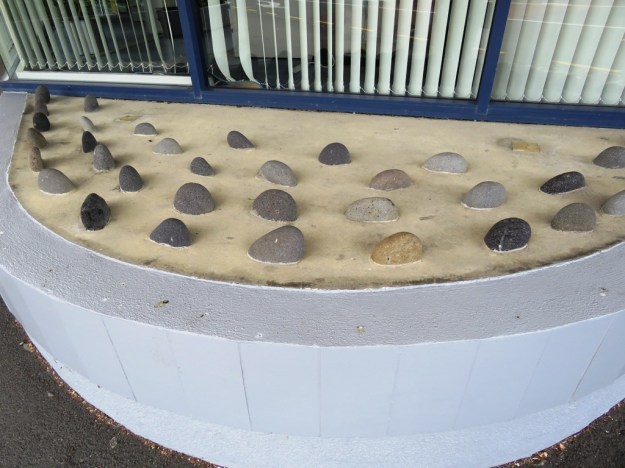 I don’t swear on this blog (though I admit I am not so restrained in real life) so you will just have to fill in the missing letters when I describe this as an example of f*** off utility urban design. Clearly nobody wants to even try and grow plants here (and conditions would certainly be difficult to get anything established, let alone looking good), but could nobody come up with a filler idea that was less hostile than this?
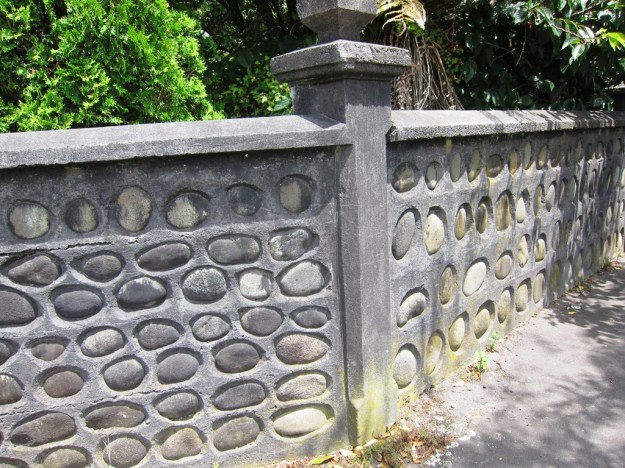 I much prefer the old concrete and stone wall, constructed a long time ago in my local town of Waitara. Someone took a lot of care over this.
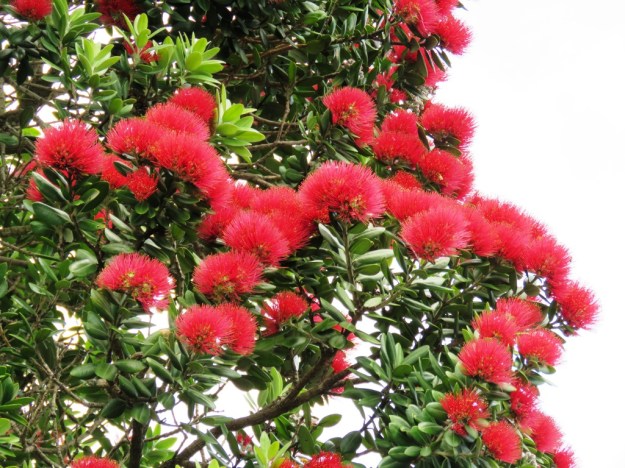 Pohutukawa! Often called the New Zealand Christmas tree. What a wonderful sight they are at this time of the year. As I looked at all the trees coming into bloom along New Plymouth’s water front, a mere two short blocks down from the main street, I felt a pang at the loss of 28 (or was it 29 in the end?) mature trees beside our Waitara River. I even contemplated making Christmas cards for all our Taranaki Regional Council elected officials and senior staff who were responsible for the casual removal of the trees. I thought it could feature the flowers on the front with a message inside saying “Seasons Greetings from the 29 Waitara pohutukawa chainsawed down this year”. But it is a lot of effort to go to for something they would just throw in the bin. Better instead to admire the beauty of trees still standing.
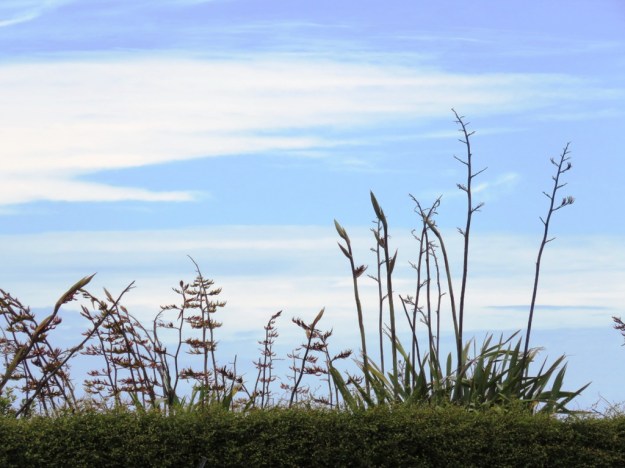 The public amenity planting in New Plymouth can be delightful and appropriate. On the exposed west coast, there are limited plant options that will grow right beside the sea. That is why the sturdy pohutukawa is so important. But also our native flaxes. They are in flower and how lovely do the flower spikes look silhouetted against the big sky and the big sea we get here?
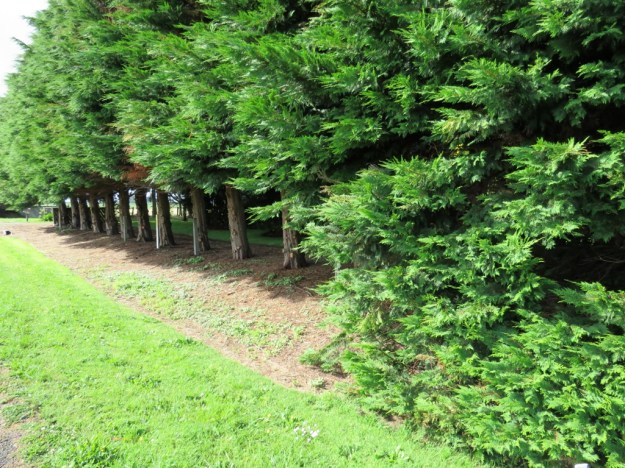 Finally, coming home, I stopped to record the effective trimming of this Cupressus leylandii down the road. It was just an ordinary shelter belt until the lower canopy was recently lifted, exposing the trunks. The fact the branches have been trimmed reasonably flush helps but it adds a whole new dimension, being able to look through. It has turned an unmemorable shelter belt into something much more graceful and distinctive.
 Tikorangi The Jury Garden