
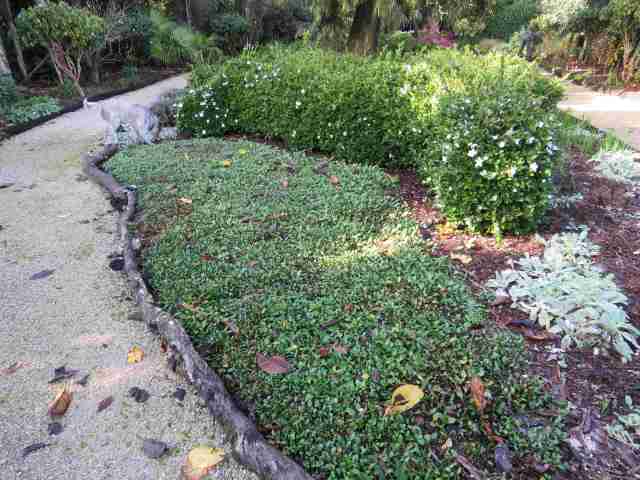
I photographed this patch of asters trimmed to the ground because I thought it was a good example of when not to let sleeping asters lie. Digital photography is very handy for dating things and I see it is only three years since these were last dug and divided. It had become a seamless carpet of aster in the time since. Both Zach and I noted that it did not look as good as it should have last summer. They weren’t helped by getting hit by mildew which has not happened before, but there was no mass flowering.
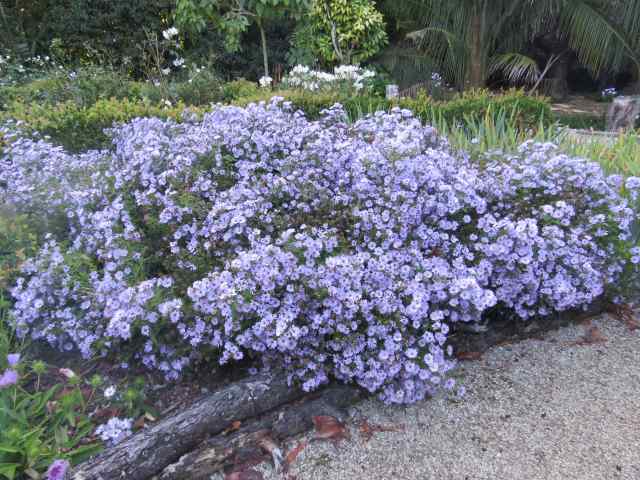
Time for a dig and divide, which Zach did this week. A perennial that has to be lifted and split every two to three years is on the high maintenance side and we don’t have many in that category. My friend, Sue, who leads the team of volunteers at the pretty Te Henui cemetery, told me she is culling plants that are too high in maintenance for their labour resources and this aster might fit that category. I must ask her for her latest list of culls. Fortunately I have Zach to carry out such tasks or I might be casting around for a less demanding plant option.
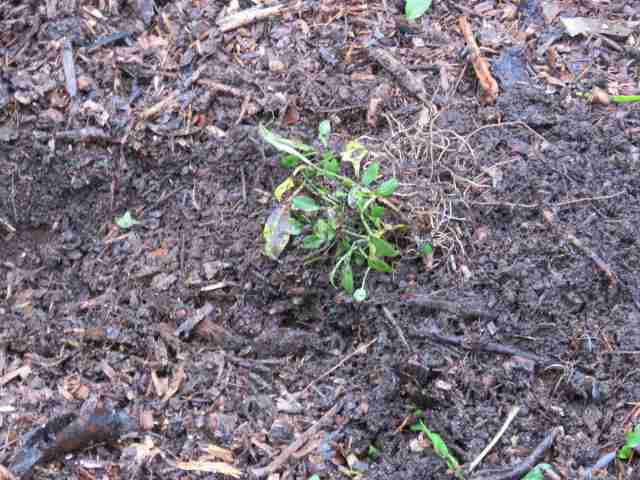
Enter the rabbits. After a quiet few months on the rabbit front, they are back and there is nothing they like more than an area of soft, freshly dug garden and mulch to dig. I sent Zach a text yesterday telling him that the rabbits were undoing his work. He was equally unimpressed but at least the photo shows you the size of division he split off from the previous carpet to replant.
I have just replanted the casualties, filled in the holes and spread blood and bone. The rabbits don’t like blood and bone and will stay away from that area but it does need to be replenished after rain and we have had plenty of that this week.
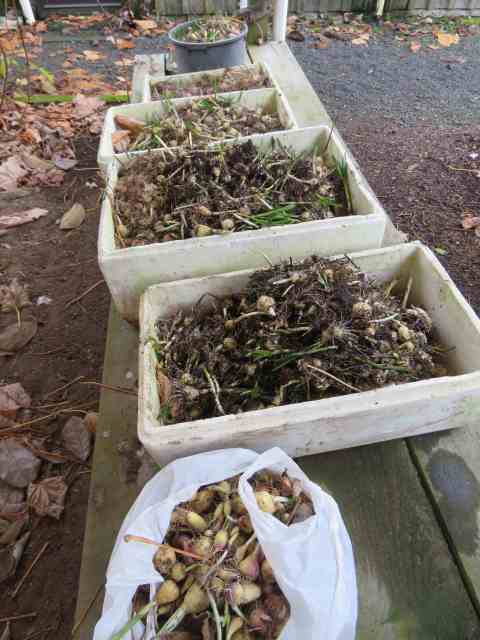
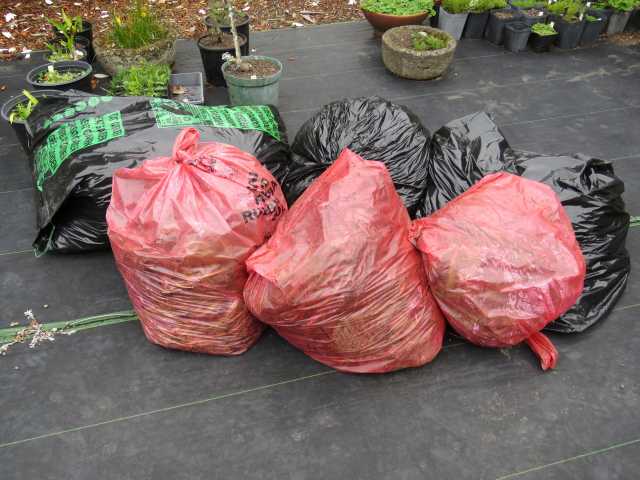
The war on bluebells continues and I am at an advanced stage of boredom. I took this photograph as proof that I am not exaggerating. This is by no means all of the bulbs I have dug out of just the Iolanthe garden. Most were never planted there but I will have spread a few when I planted that area in 2019. Some have already been disposed of and still there are more to be dug.
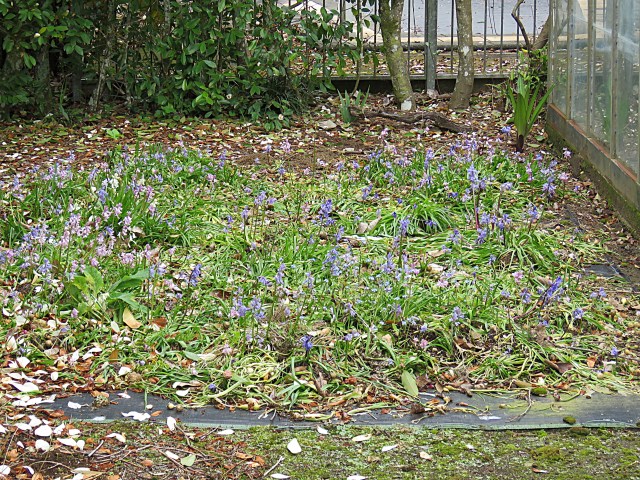
Bluebells have no place in the cultivated garden. I found a couple of photos from last year, recording our attempts to deal with some culled from the Avenue Gardens. I worried about how many we were dumping on our wild margins and they don’t rot down in the compost. I had the idea that if we spread them thinly on weedmat, they would dehydrate and die in the summer sun. They didn’t. They kept growing. I then thought they might compost in plastic bags in the sun, as wandering tradescantia does. Some did over the summer months but others in those bags were still firm and viable. Responsible disposal is quite a big problem.
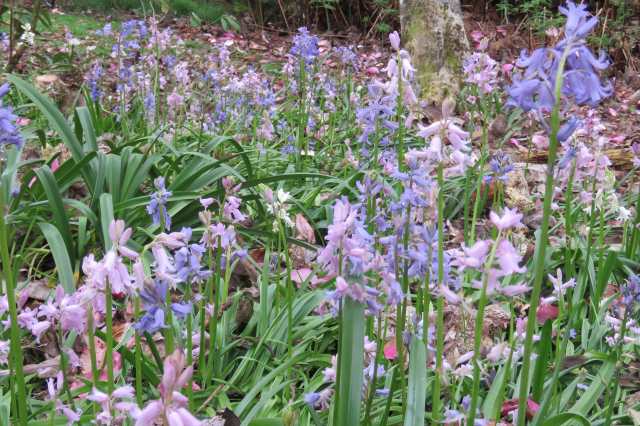
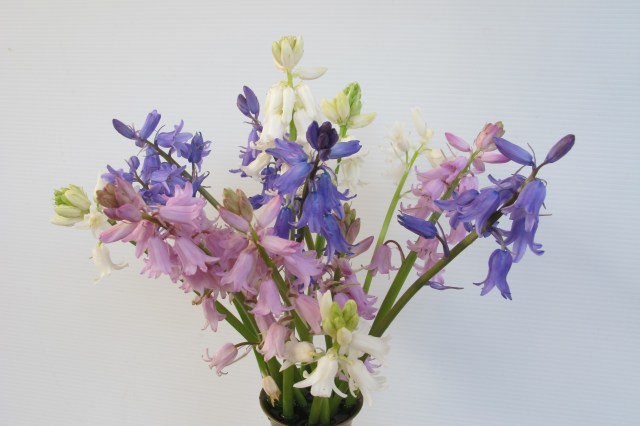
We have a lot of bluebells in the park and the Wild North Garden and they can stay there. To get rid of them, we would have to go for repeated use of some heavy-duty sprays and we try and avoid that. Besides, they are very pretty in spring. Ours are all Spanish bluebells or hybrids; the more desirable English bluebells are extremely scarce in this country. I don’t think I have ever seen them.
If we had our time over again, we would think twice about introducing them to our property. Mark put a bit of work into building up numbers in the first place. A decade or so on, I am putting a great deal more work into digging them out from some areas, all but sifting the soil to get the baby bulbs. You have been warned.


 Tikorangi The Jury Garden