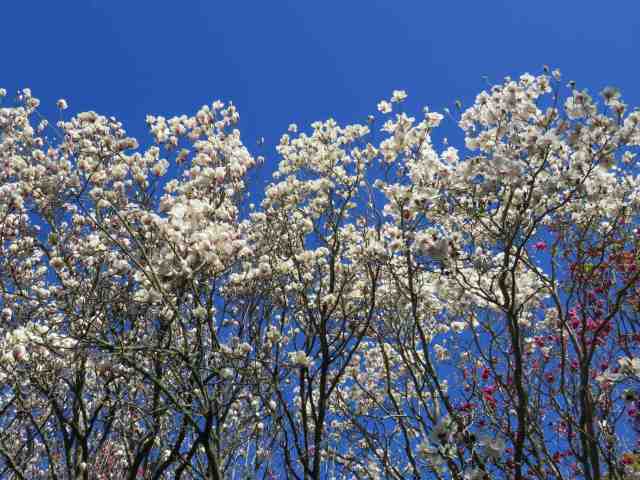
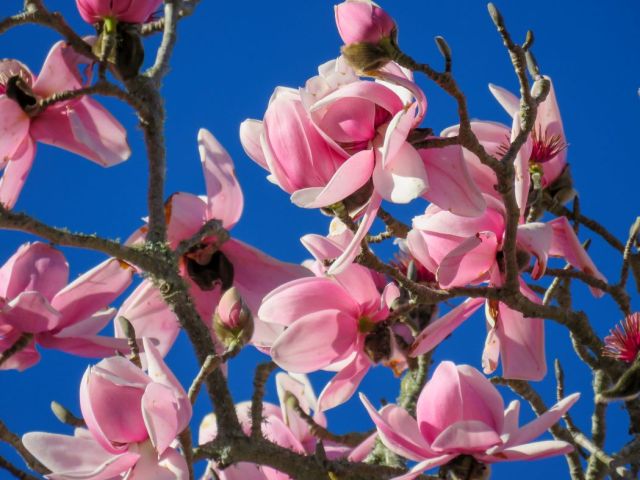
Blue skies and space to let magnolias grow to their potential certainly helps the display
We are currently at peak magnolia and this year has been a relief. Flowering in the past two years has been – dare I say it – pretty damn disappointing. Very wet springs saw blooms weather-mark badly, infected by some form of blight, and turn to droopy brown slush. They were not inspiring at all and I was beginning to wonder if one effect of climate change might be to take out the impressive splendour of our flagship plant family. This year they are magnificent after a bit of a stuttering start. Mind you, we have been blessed with perfect conditions – clear, calm and dry with only the occasional storm or downpour.
June 13, which is very early for us. The display this year never actually improved on this although more snow fell.
The season started unusually early. The first flowers on M. campbellii var campbellii opened at the end of May before the leaves had even fallen and winter was upon us. Every year I like to get out and photograph our tree against the maunga, Mount Taranaki, and the first photo of that was on July 6, before the mountain even had its full cover of snow. Similarly, ‘Vulcan’, ‘Burgundy Star’ and M. campbellii var mollicomata ‘Lanarth’ all opened their first blooms in early June and early July which is mid-winter here. Interestingly, that early start proved to be a false start on all four of them. They never really recovered from it to give us their usual mass display of splendour. Some are limping on, still with flowers, but the overall display from them has not had the usual breathtaking oomph. There are always some disappointments and this is the first year I can remember when those varieties have been rather ho-hum. We are concluding that an early start can in fact be a problem more than a promise.
Magnolia ‘Felix Jury’ on the left with white ‘Manchu Fan’
Magnolia ‘Felix Jury’.
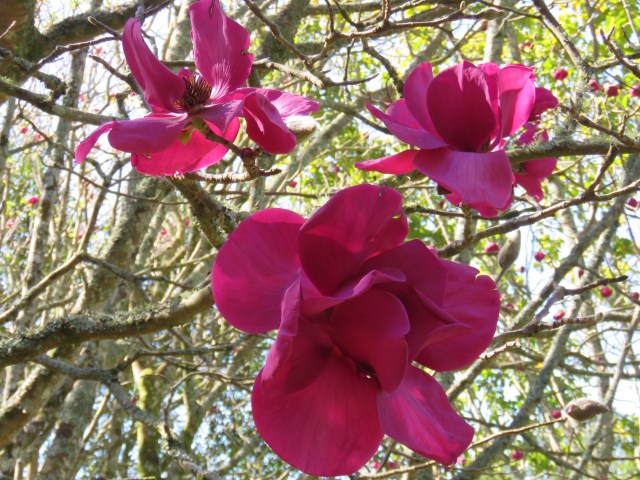
The main flowering on the rest has more than made up for the disappointing. Day after day of blue skies have delivered us perfect blooms with none of the previous problems of blight turning petals to mush. We know it is a good season because Felix’s Magnolia ‘Atlas’ is looking splendid. When we first released it, Mark described it as being like a giant pink cabbage and one of the largest magnolia flowers in the world at the time. It is the only one of ours that seems to perform better overseas than here. Year after year, I have struggled to get good photos of unblemished blooms because it does not like our spring storms but this year, this year it is perfect.
Magnolia ‘Atlas’
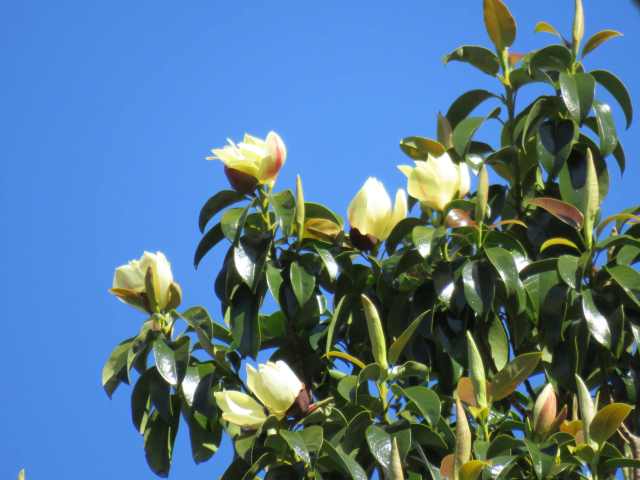
Magnolia nitida, for those of you who like to see something different
We have many magnolias. I have no idea how many. We also have space so we can allow trees to grow to the size they wish. Some of our magnolias are species and some are named cultivars from other breeders but the vast majority of our plants are seedlings from the breeding programme and there are literally hundreds of those. While we have only ever named twelve Jury magnolias (eight from Felix, four from Mark and another four of Mark’s are in the pipeline for release), they are the pick from several thousand seedlings. The majority end up getting chainsawed out as being of insufficient merit to retain but some are very good. They don’t meet our stringent criteria for releasing a new plant but they are good enough to keep across the property.
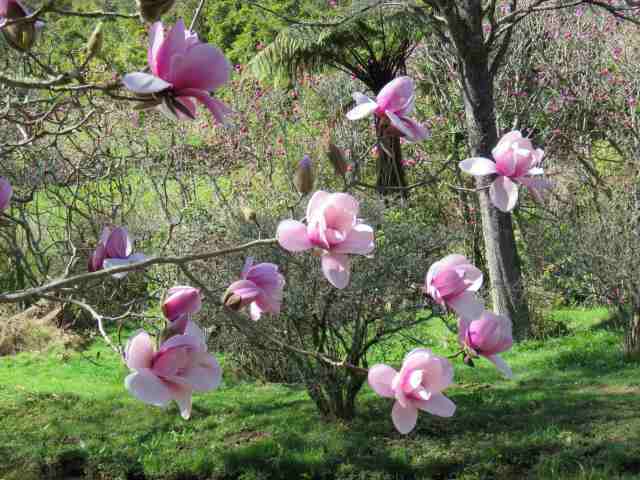
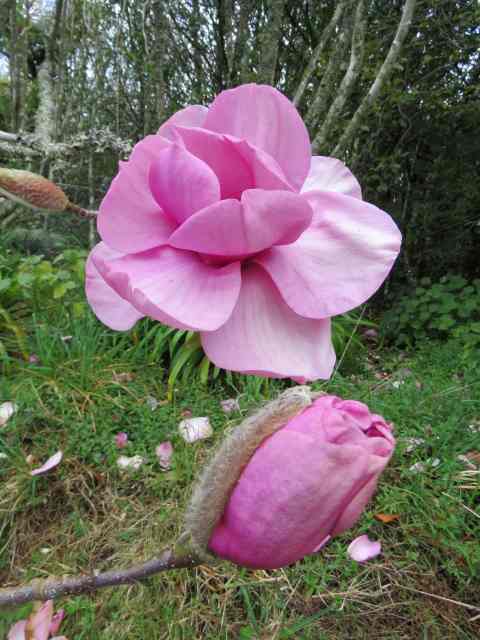
Just an unnamed seedling but looking very pretty this week
Finally, I saw a death notice recently for writer, gardener and magnolia lover, the inimitable Biddy Barrett. We have always referred to this pretty pink seedling as ‘Biddy’s Pink’ as she was adamant it should be selected for release. Mark didn’t agree so it remains a one-off plant but R.I.P Biddy. Your pink lives on.
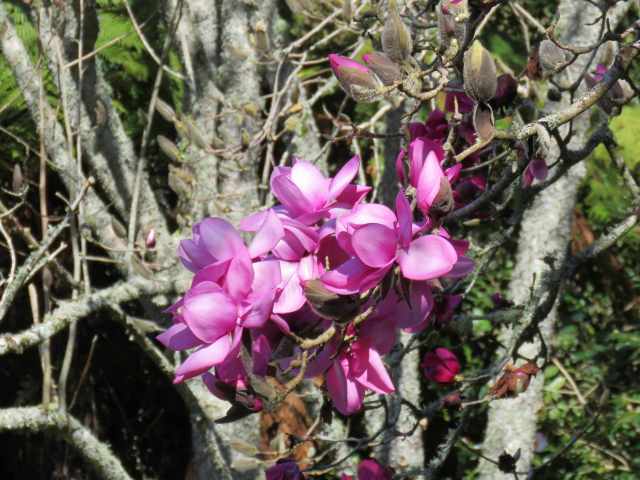
Biddy’s Pink – a reference name only. This one has never been named and released.
Biddy’s Pink – pinker than Iolanthe but otherwise very similar
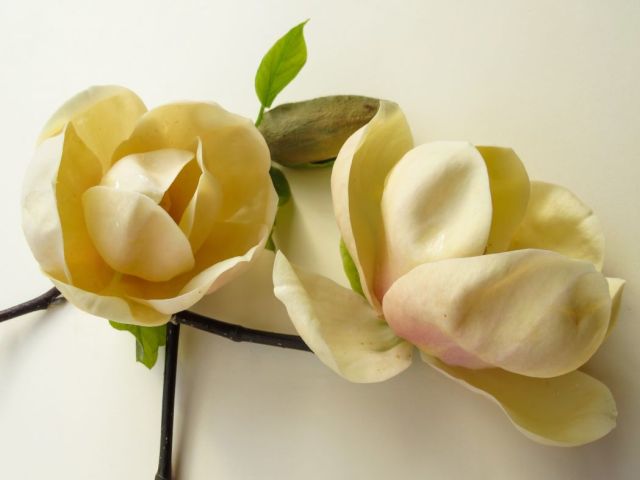
Mark’s Magnolia ‘Honey Tulip’
Felix’s ‘Milky Way’
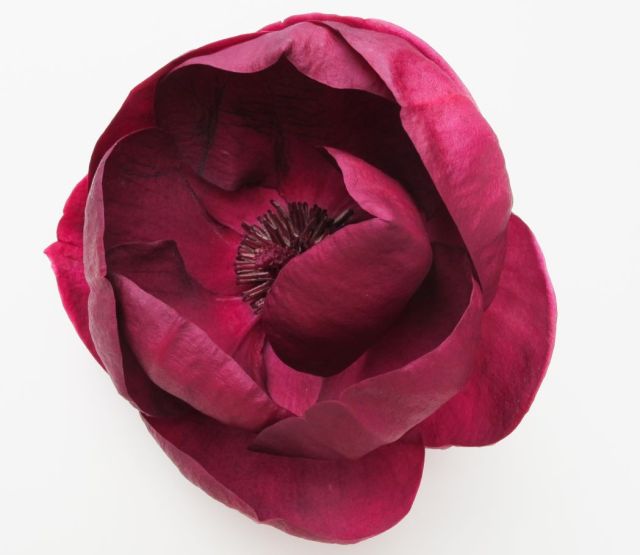
And a purple seedling to cover the current range of colours in deciduous magnolias
First published in Woman magazine, July 2022 edition and reprinted here with additional photographs.
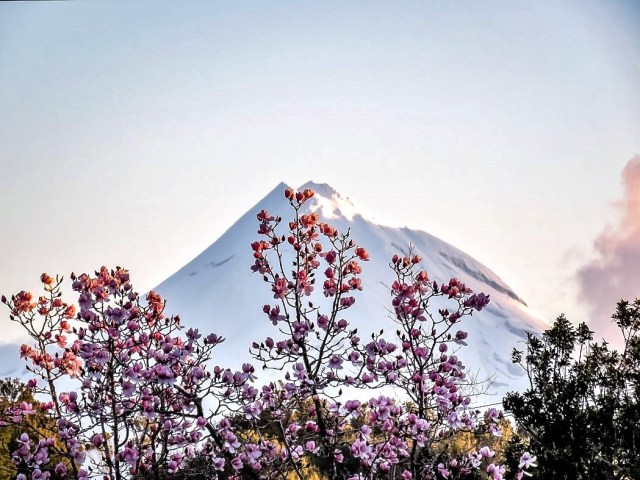
Magnolia campbellii is always the first to open a flower bud, seen here framed against the distant peak of Mount Taranaki.
I am a Jury. Ergo, I love deciduous magnolias. Why does one follow the other, you may wonder. My very late father-in-law, Felix Jury, was the creator of such varieties as Magnolia ‘Vulcan’, ‘Iolanthe’ and others and we still have the original plants here in the garden at Tikorangi. I am married to the man who created ‘Black Tulip’, ‘Felix Jury’, ‘Honey Tulip’ and ‘Burgundy Star’ with more to come soon.
I have long declared that the first blooms on the magnolias herald the start of a new gardening year. The first one to open for us is always the pink Magnolia campbellii in our park. It is one of the earliest harbingers of spring and we usually get the first flower a few days after the winter solstice which is around June 21.
Enter Matariki which we celebrated as a nation on June 24 this year. While we accept the Gregorian calendar dating back to 1582, that only determines the elements of time which are derived from Earth’s position in the solar system – such as the length of individual months, equinoxes and solstices. The assignment of certain dates to celebrations is an arbitrary human decision. The determination that January 1 is the start of a new year is based entirely on northern hemisphere tradition and it happens to come 9 or 10 days after the winter solstice. What I find fascinating is that Maori arrived at the same conclusion, give or take a few days. It may be six months out of step as far as the calendar goes but it is synchronised with the seasons.
Matariki is determined by the rising in the sky of the star formation generally known as the Pleiades and the start of the new lunar year. It just so happens that Matariki occurs within a few days of the winter solstice in New Zealand. It seems perfectly logical to me and of much greater relevance to my gardening year than the January 1 date.
Our pink Magnolia campbellii is not quite as predictable as the solstice dates and it doesn’t hit its peak display until well into July, but that first bloom bravely opens around the time of Matariki and is a significant seasonal marker for me. Each year, I don my woolly gloves on fine frosty mornings and head out to capture the one beautiful line of sight we have with the blooms on the bare tree and the snowy slopes of te mounga – Mount Taranaki – behind. I am using a zoom lens – te mounga is somewhere over 35km distant.
Over time, most magnolias grow into trees. From left to right are an unnamed pink seedling, Magnolia ‘Felix Jury’ and Magnolia ‘Manchu Fan’.
That magnolia was first sold in New Zealand in the latter half of the nineteenth century by a Lower Hutt nurseryman commonly referred to as Quaker Mason on account of him being a Quaker. It was also the first magnolia planted in our garden by my father-in-law, Felix Jury in the early 1950s. This pink M. campbellii is probably the most recognisable form in the country. Interestingly, that is unusual internationally. In the wild, most campbelliis are white. The pink ones are largely limited to a small area around Darjeeling in India and we should count ourselves lucky that Quaker Mason just happened to get a particularly good form of the unusual pink one to popularise here.
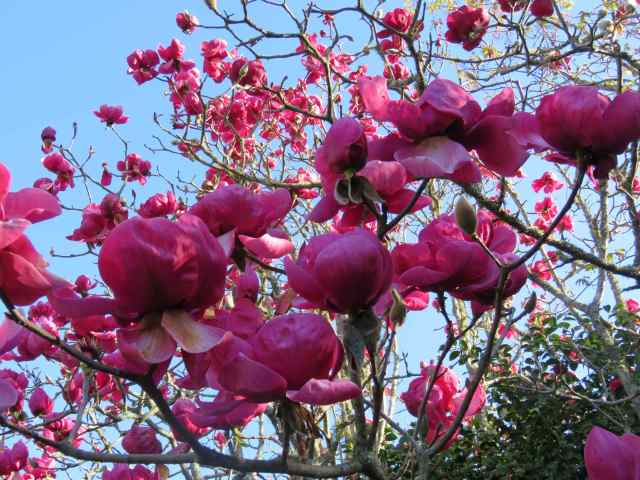
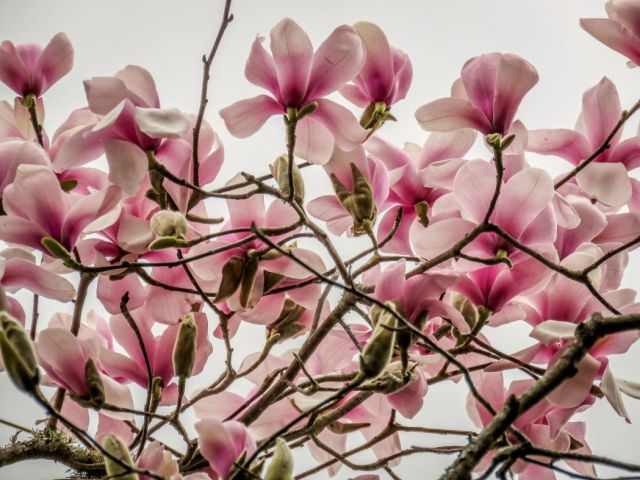
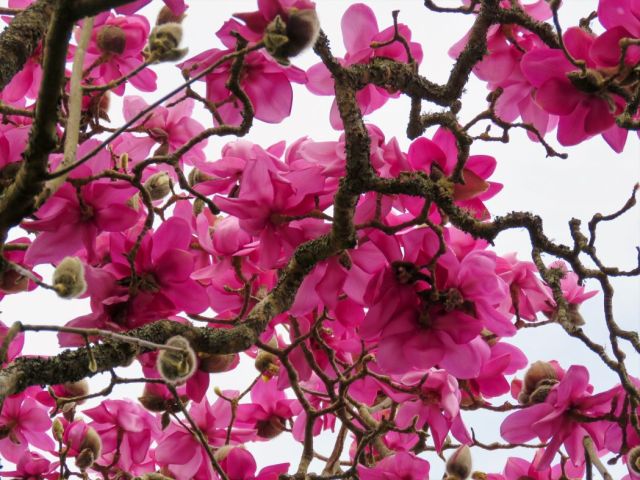
Looking up into the floral skyspaper of Magnolia sargentiana robusta
The magnolia flowering season from late June to September is a special time of year for us. We have many magnolias, both named varieties and species and unnamed hybrids from the breeding programme. This is a plant family where the larger the plants get, the bigger show they make.
For me, the deciduous magnolias hold pride of place. That display of bare blooms on a tree with no foliage can take my breath away. Because we have large trees, I am often looking up from below and I describe it as floral skypaper.
The purple petals of Magnolia campbellii var mollicomata ‘Lanarth’ forming a carpet beneath.
When I look down, I see the petal carpets on the ground and I have a great fondness for petal carpets. However, I will concede that they are not great on paths, driveways and sealed areas where the carpet can soon turn to slippery brown sludge. We will use a leaf rake or leaf blower on sealed areas but leave the petals on grass or garden.
And looking up to ‘Lanarth’ against a grey wintry sky
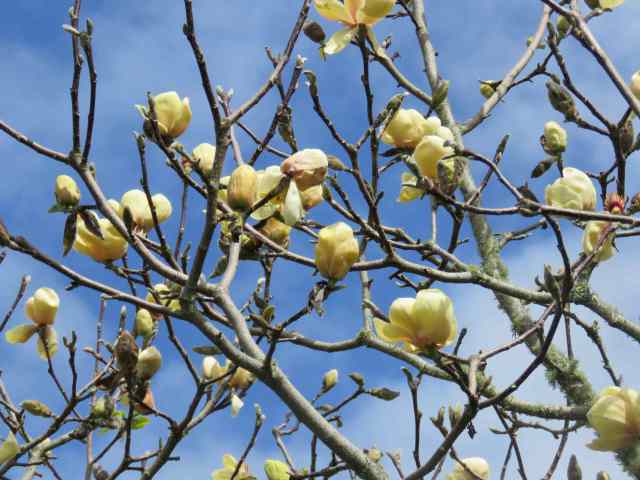
Most of the deciduous magnolias are Asiatic in origin – particularly areas of China, northern India and Nepal. The exception is the one truly yellow deciduous species – Magnolia acuminata – which is from North America. It is one of the parents of all the yellow hybrids that have become available in the last 25 years.
USA is also the homeland of the most popular evergreen magnolias which are widely grown here. These are characterised by heavy, leathery leaves and large, white flowers. I am not a fan of the evergreen grandiflora types; the ratio of flower to foliage is not high enough for my liking. I prefer the 100% flower to 0% foliage of most deciduous varieties.
Michelias, on the other hand, are all Asian in origin with many also being found in tropical areas, so into Southern China, Vietnam and Thailand. These are also evergreen but with softer, smaller leaves than the American leathery ones, a higher ratio of flowers and they are smaller growing overall. Botanically, they are magnolias but they look very different to the deciduous magnolias and they fill a different role in the garden.
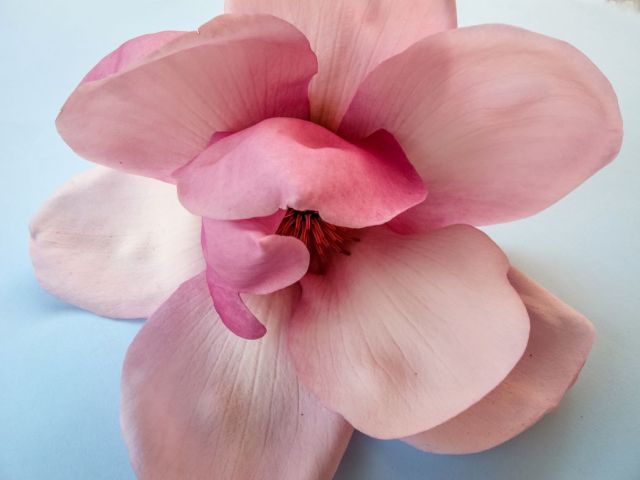
Magnolia Iolanthe in pink
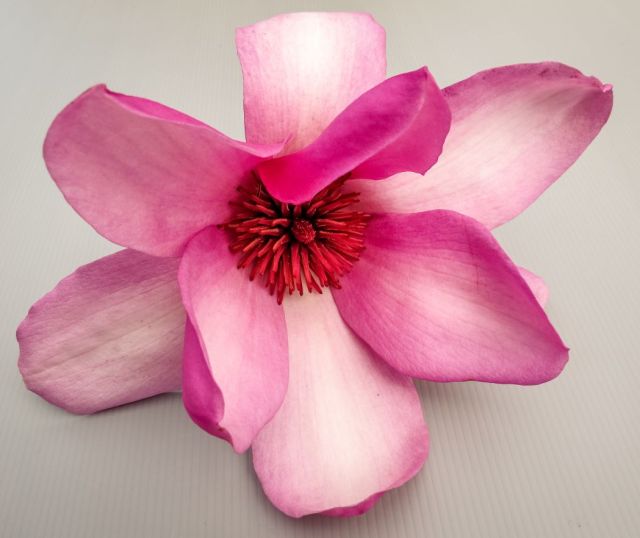
Magnolia Apollo in purple
Magnolia Black Tulip in red
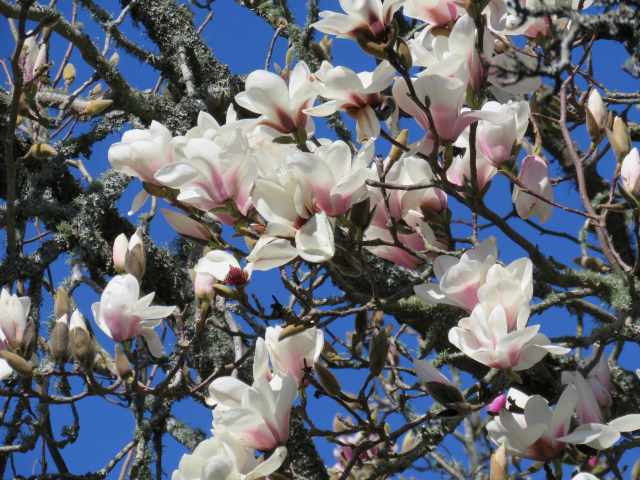
Magnolia Lotus in white
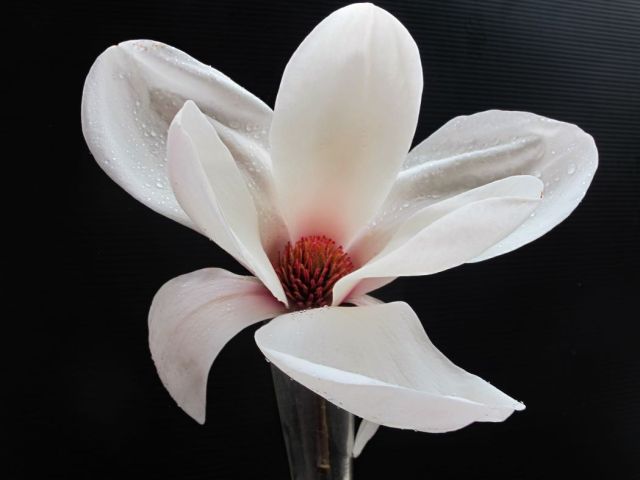
Deciduous magnolias come in shades of pink, purple, red, white and yellow.
Magnolias are ancient, evolving before bees emerged. It is thought that they were originally pollinated by beetles. Now they provide a food source for bees at a time of short supply in late winter.
We get deeper, richer colouring in magnolias in New Zealand. It is likely to be related to our soils, climate and the clarity of light here. The same plant can look very different with the colour washing out, particularly in Northern Europe and the UK where winters are longer and colder and light levels lower.
New Zealand is recognised internationally as leading the way on breeding red magnolia hybrids, initiated by Felix Jury with ‘Vulcan’ and continued by Mark Jury, Vance Hooper and Ian Baldick.
No, you can not get very large blooms on a deciduous magnolia that will stay a small plant under two metres. Smaller growing varieties will have smaller blooms and the vast majority of deciduous magnolias are trees, not shrubs.
If you have a magnolia where the buds either drop off or fail to open properly, it is a sign either of frost damage or pest damage by rats or possums.
When deciduous magnolias have new leaves that are clearly distorted on opening, it is an indication of spray drift. Lawn spray is the main culprit. If you feel you must spray your lawn, don’t do it in early spring when the leaf buds on magnolias are about to break into growth.
The limited range of species that were all that was available in the past could take 15 to 20 years before they set flower buds. Nowadays, you can expect magnolias to bloom within a couple of years of planting and some will even be sold with flower buds.






 Tikorangi The Jury Garden