
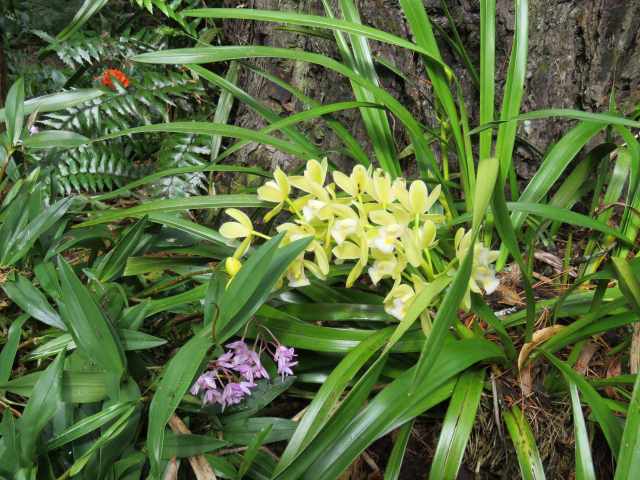
I am a faffer in the garden. At times it feels like an indulgent use of time but really, the greatest pleasure I find in the state commonly called ‘retirement’, is being time-rich. I have the time to faff and I derive a great deal of pleasure from paying attention to detail to get things right, in my eyes at least.
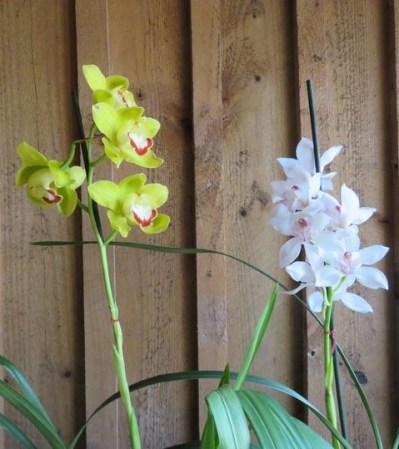
Our gardener, Zach, brought us two orchids he picked up at the local orchid show, knowing that we wanted to extend the cymbidiums beyond the ones Mark and our daughter gathered several decades ago. We wanted clean colours that could light up a space and provide contrast to the rather large number of brown cymbidiums we have. Brown was the fashion colour back when our young daughter became the recipient of generous gifts from enthusiasts wanting to encourage her.
Zach and I placed them where we thought they would work and he planted them in slightly raised mounds of coarse woodchip and bark that we gather on site. As soon as I looked, I knew they were wrong but I was a bit reluctant to say anything after he had gone to the trouble of planting them. Then Mark came in and started to say, “I was walking down the far end of the Avenue Garden when something startled me.” I have lived with him long enough to be able to finish his observation for him – “a lime green orchid?” “Yes,” he replied. “I didn’t realise when it was sitting on the bench that it was such a synthetic, fluorescent colour. Maybe it would fit in better in a more shaded area surrounded by green foliage.”
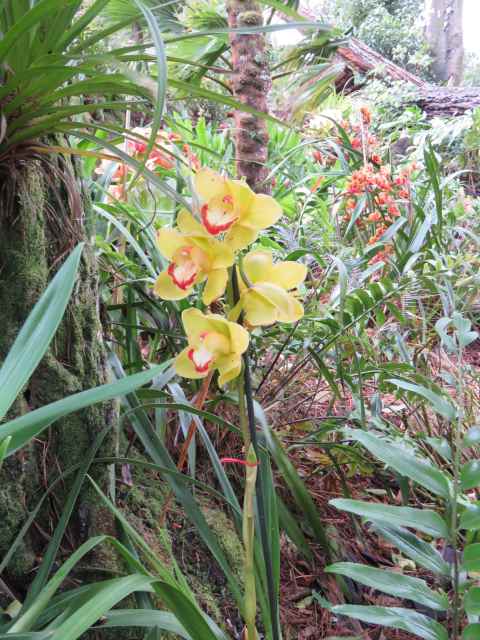
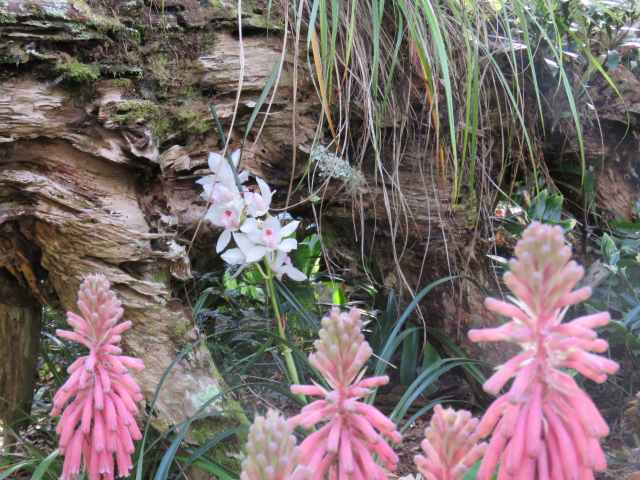

Zach, bless him, is very obliging and willing to see the garden through our eyes. We found what we hope are final homes for the new orchids. The white one was also misplaced and looked far too starkly bridal amongst the browns but fits in more naturally in another place entirely. While we were about it, he moved one I thought was hideous – a caramel brown in tone with a startling red throat – to a less prominent position where it fits in with the colours of the clivias as opposed to being beside a pretty, pink cymbidium.
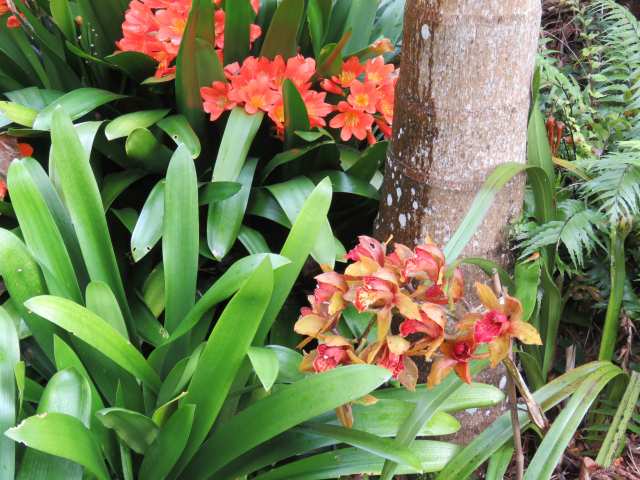
I am much happier with the result. Zach has been quietly dividing and relocating bits to extend the orchid display and feeding them with compost. The plants are responding most gratifyingly after decades of benign neglect. What the cymbidiums may lack in subtlety, they make up for with their exotic character and the many weeks they last in good bloom in the garden.
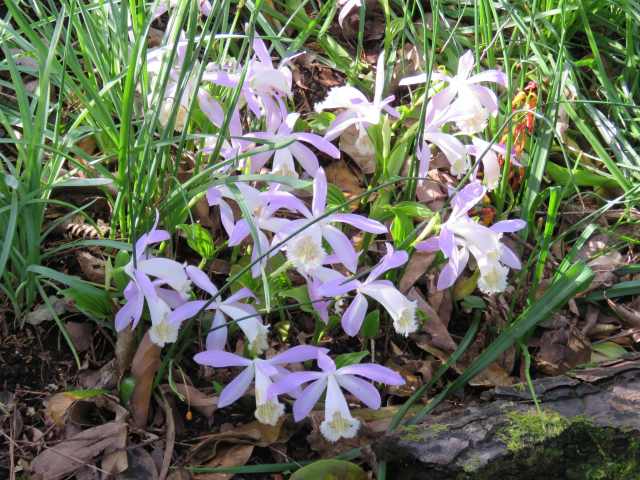
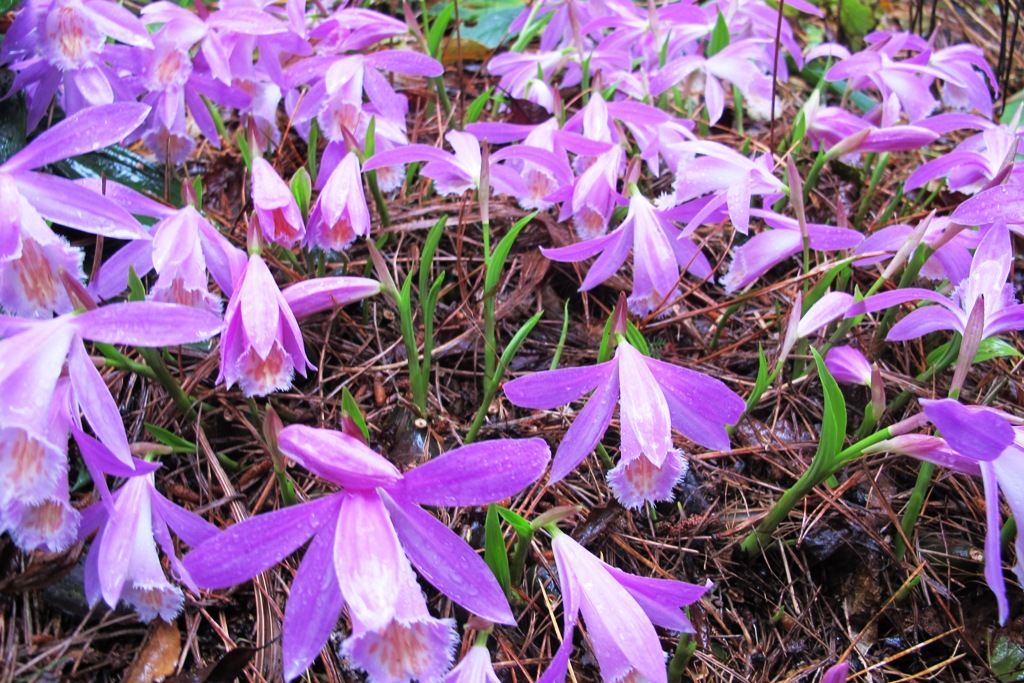
The pleiones are pretty rather than exotic and very much a seasonal delight. Their flowers are much more delicate and they have a short season. They also need more attention each year to keep them going. Without looking after them and replanting most years, we would lose them. We like them enough to be willing to fuss over them.
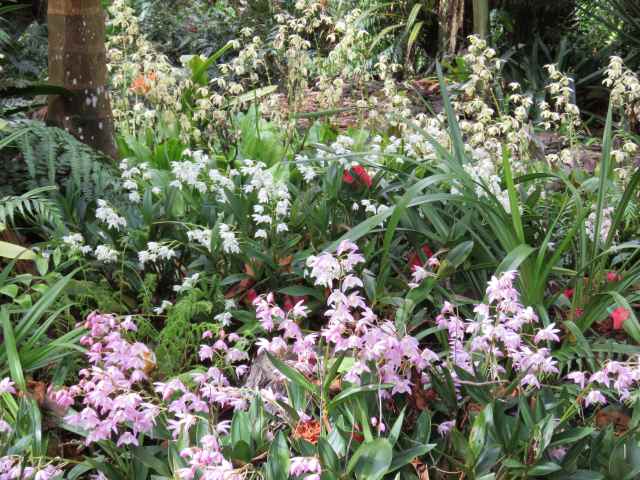
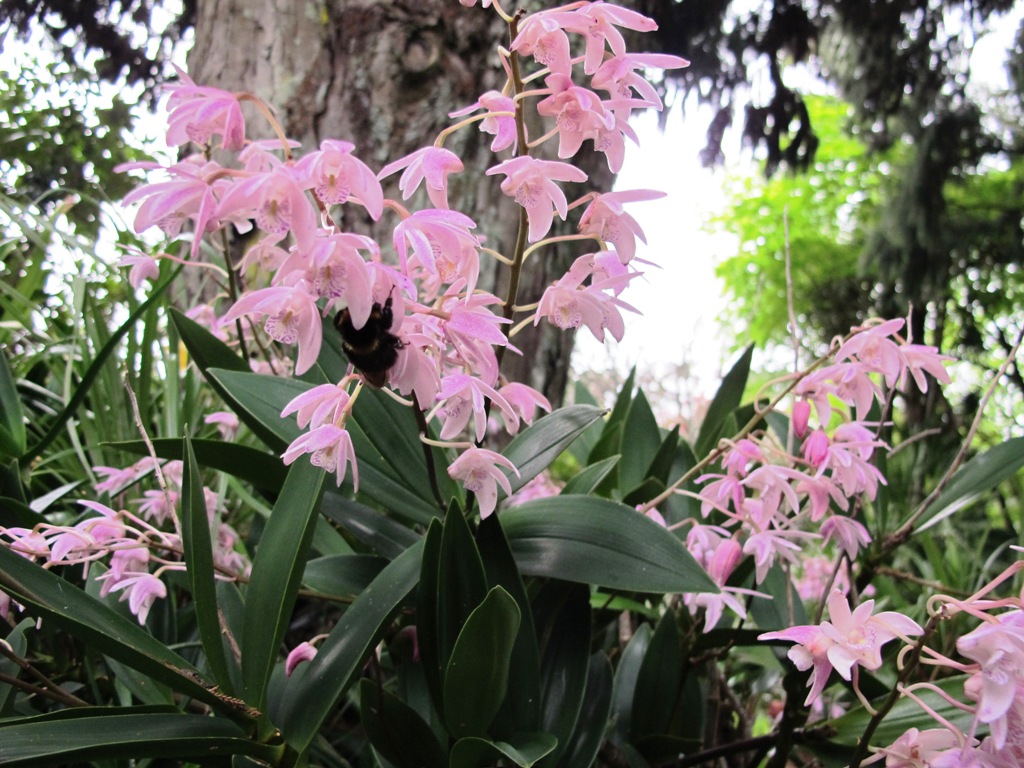
The Bardo-Rose dendrobiums are also dainty but not as pernickety as the pleiones. They too can survive on benign neglect with minimal attention.
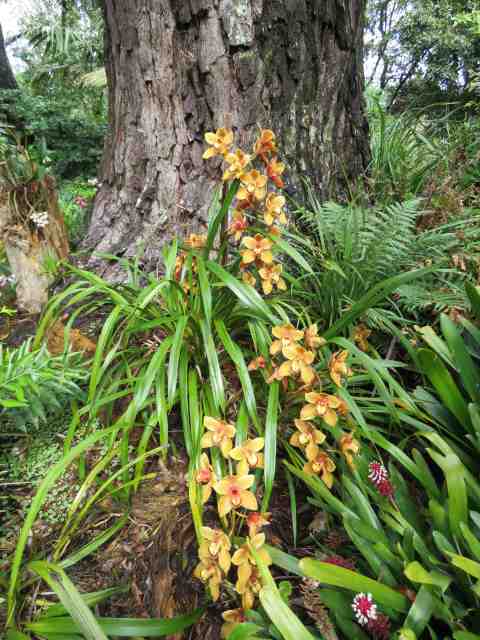
Faffing about pays dividends in my book. We garden on a pretty large scale for a domestic garden but it is the detail within that larger scale and landscape that keeps it interesting for us all year round.
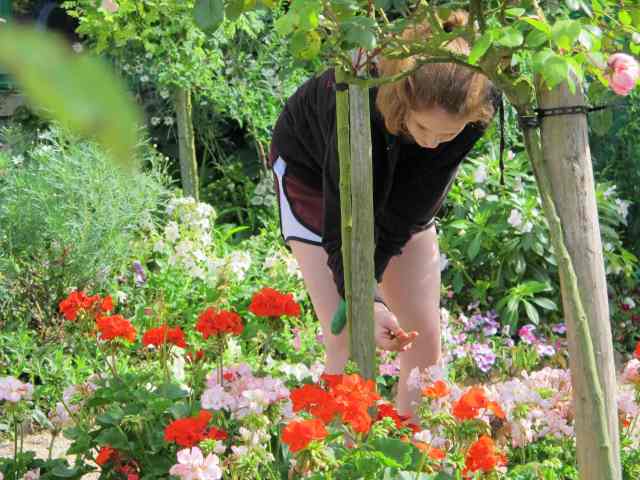
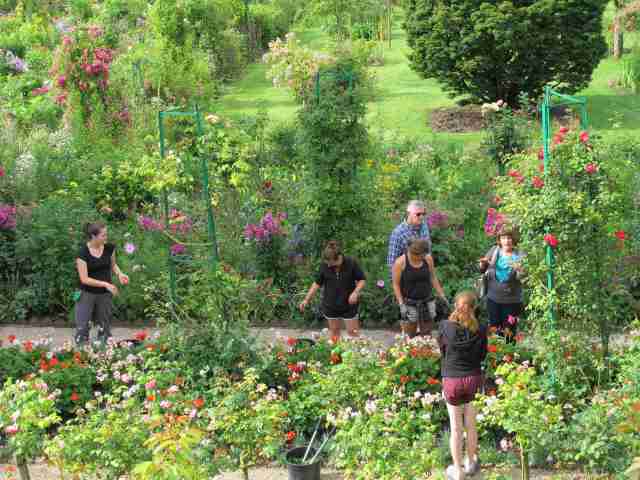
Attention to detail is not to be confused with immaculate gardening. I have been in a fair number of immaculate gardens in my time – not a leaf out of place, not even a blade of grass. Preternatural tidiness. It is much admired by some but really only achievable by extraordinarily precise, tidy people who have a small garden, because it needs attention every day. And maybe these immaculate gardeners only maintain this pristine perfection when their garden is open to the public. Even if we aspired to that level of garden grooming it is neither achievable nor sustainable across the 10 acres that we actively manage as garden. Fortunately, it is not one of our garden goals. I have never forgotten the sight of four young gardeners at Monet’s garden in Giverny, picking over the pelargoniums. They were not dead-heading; they were literally dead-petalling – picking off the spent petals from each individual bloom. I was riveted by the sight but honestly, I couldn’t think that it was worth paying four sets of wages to pick off dead petals for the visiting hordes. That is much too much attention to detail.


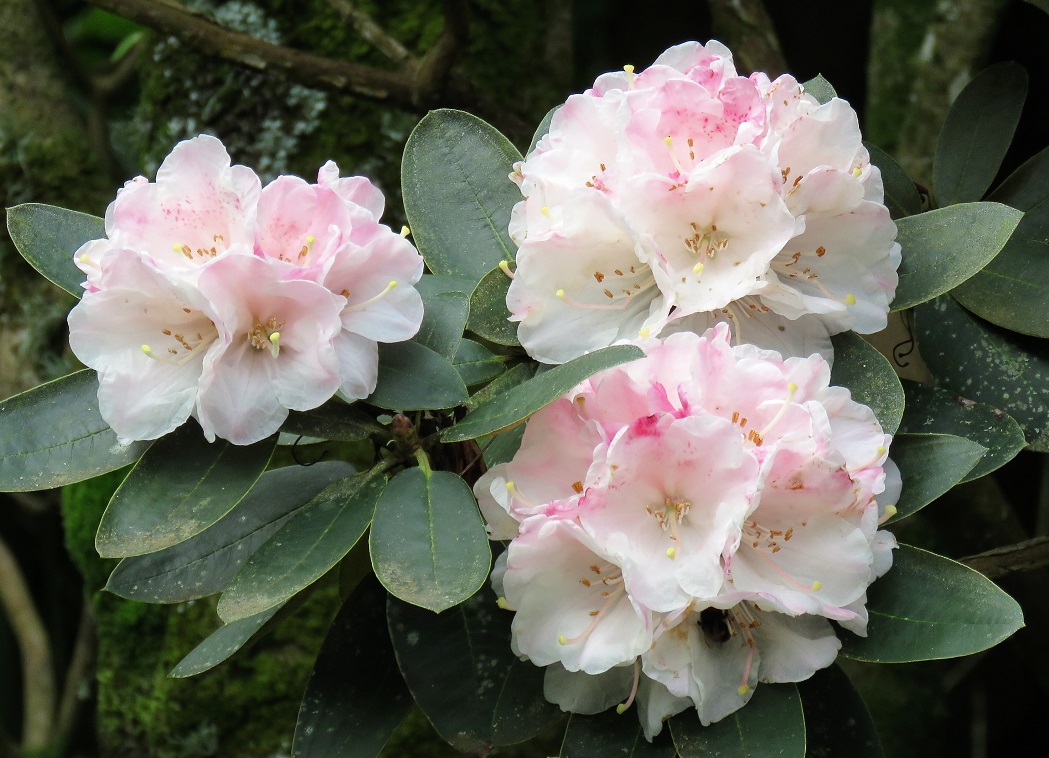
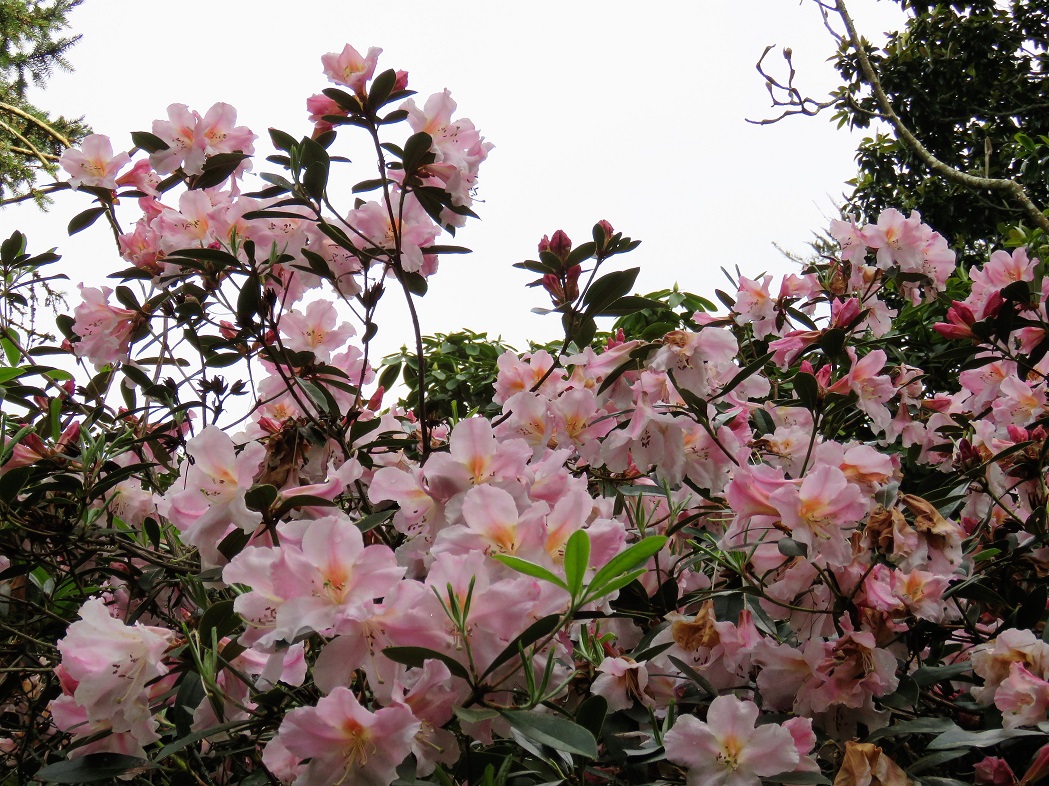
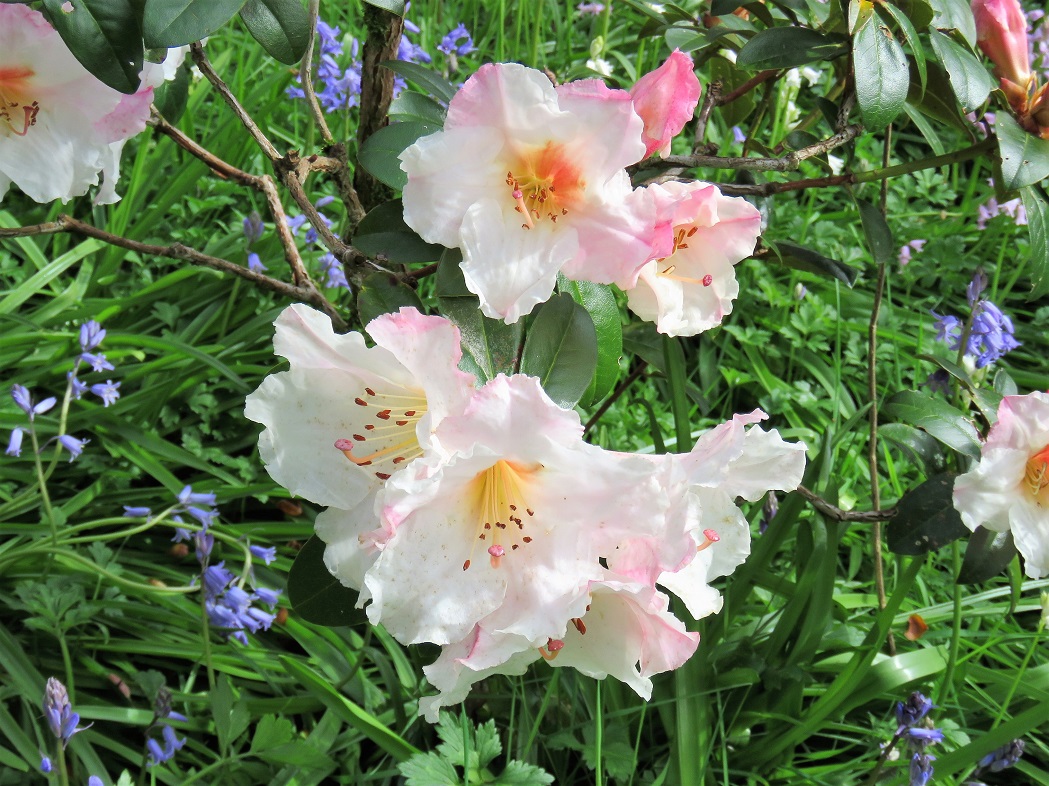
 And a few more pinks to finish off – this is one of the Dendrobium ‘Bardo Rose’ group of orchids which thrive in our open woodland areas. They flower for a long time and the scale is right for detailed woodland plantings – by which I mean, not as big and dominant as the cymbidiums.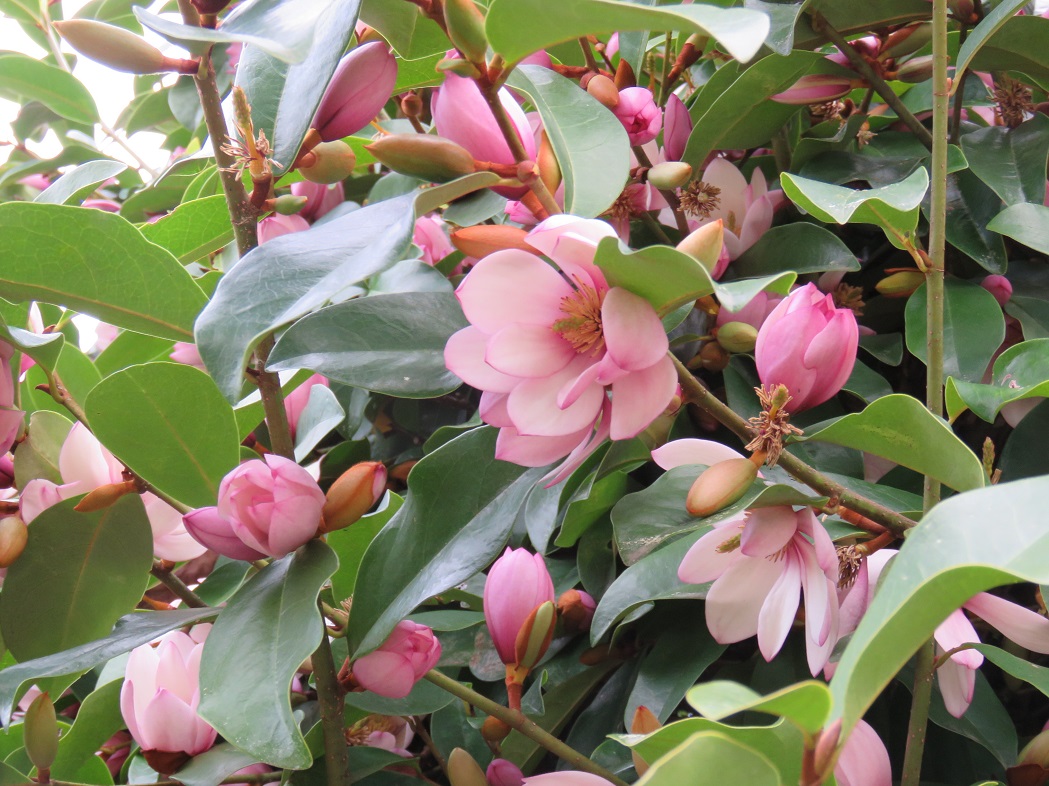

 More lilac than pink, it is pleione orchid time. This is another group from the orchid family that thrives in pretty laissez-faire woodland conditions (in other words, benign neglect) but the flowering season is much shorter than the dendrobium ‘Bardo Roses’.

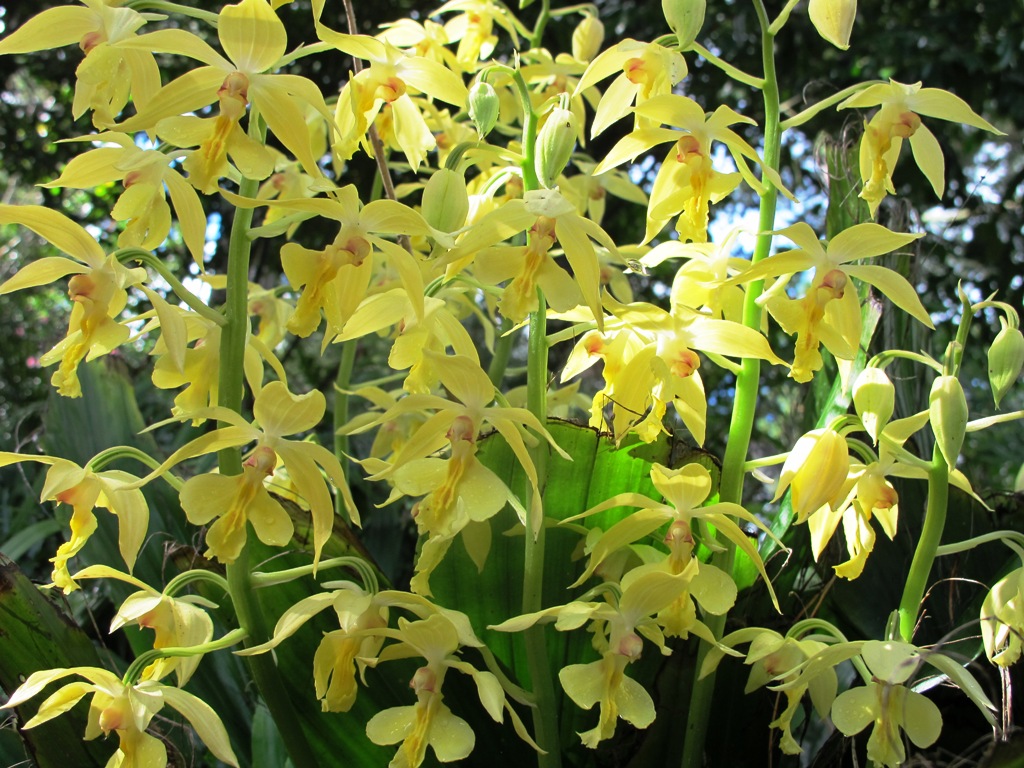 The calanthes are ground orchids and we have big clumps now because these obliging plants can just be left to quietly increase in size. These are fully evergreen and somewhat frost tender but they are a delightful sight through spring and they combine very well with clivias, ferns and even hostas.

 Tikorangi The Jury Garden