
We don’t open the garden to many groups these days but agreed when we were approached to host a visit from “the last Camellia Nationals in their current format”. That is the national conference of the NZ Camellia Society. Competitive show blooms have long been a hallmark of the camellia world, the major focus of the annual conference but a range of garden visits are also included.
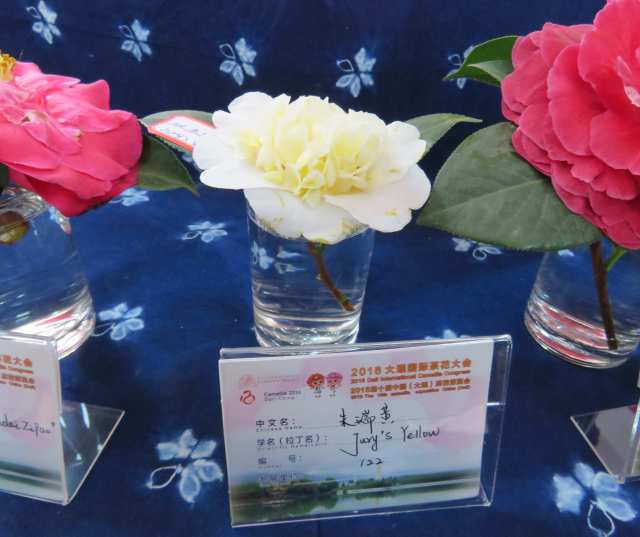
Mark’s father Felix and his Uncle Les Jury were giants in the camellia scene back in the 1960s and 1970s, earning international reputations and breeding camellias that have become known throughout the world. To this day, Les’s Camellia ‘Jury’s Yellow’ remains a market standard and Felix is probably best remembered for his camellias ‘Dreamboat’ and ‘Waterlily’.

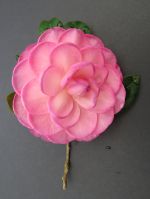
When Mark and I returned to Taranaki at the end of 1979, Les was elderly. But before he died in the early 1980s, he was particularly encouraging and generous with advice to Mark, who was taking his own first steps in plant breeding, starting with camellias. Felix didn’t die until 1997 so the camellia influence was strong.

It was to respect that family connection to camellias that we agreed to the visit last weekend. Times are changing and many horticultural groups are struggling to continue as members die off – literally – and younger generations are not signing up to replace them. That is why this was to be last national camellia show and conference in the current format. I have no idea what new format is planned.
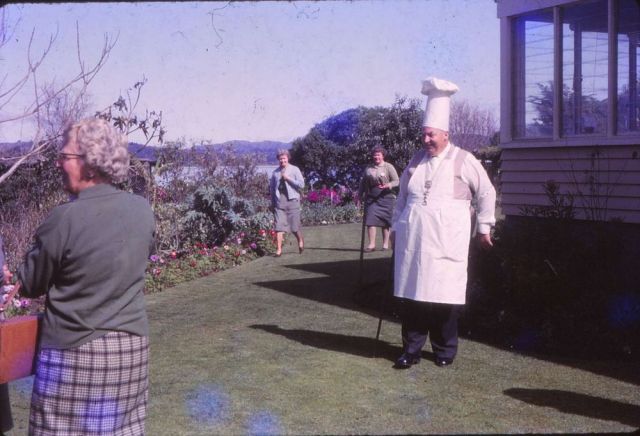
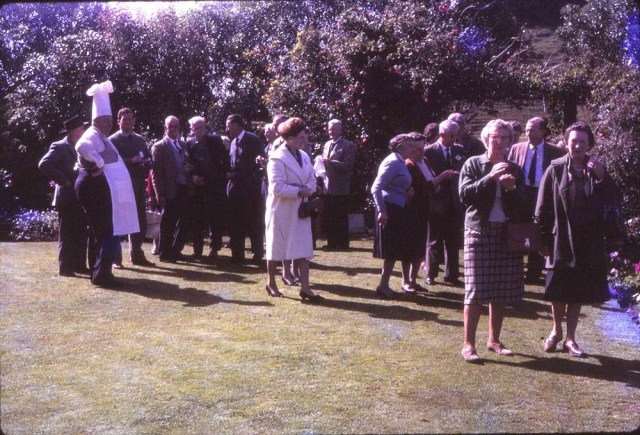
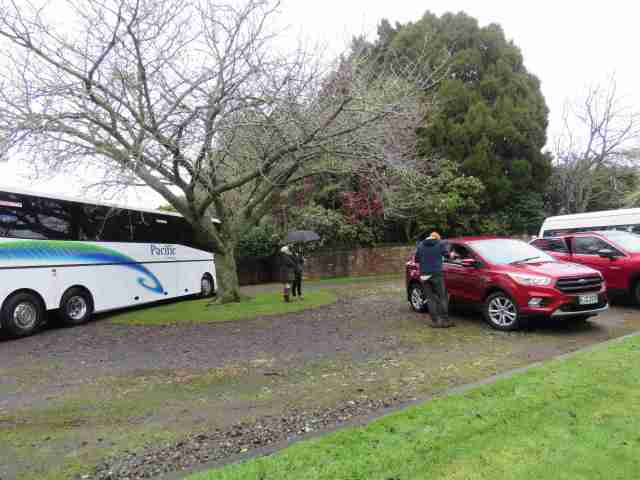
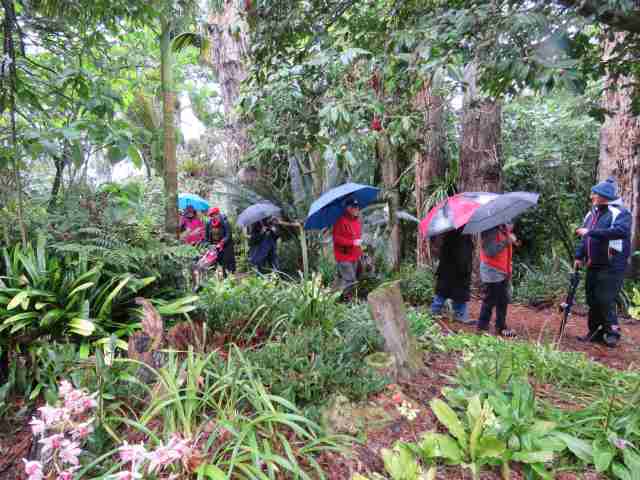
In times past, the camellia conference was huge. In the heady boom times through until the early 1990s, my recollection is that the conference tours around gardens involved six coaches and countless cars – several hundred people. It was bigger than the rhododendron conference which only required four coaches plus cars. Mark attended several conferences as his parents’ driver and was in awe at the scale of the event and the depth of expertise in the attendees. I went to one – I think it was Whakatane ‘82 and I can date it because I had our first-born with us and she was small. Even back then, Mark and I were a good decade or three younger than most of those who went. We continued to host conference visits here in the times since so last Sunday felt something like the end of an era. Conference attendance was down to 63, so one coach, a minibus and a couple of cars.
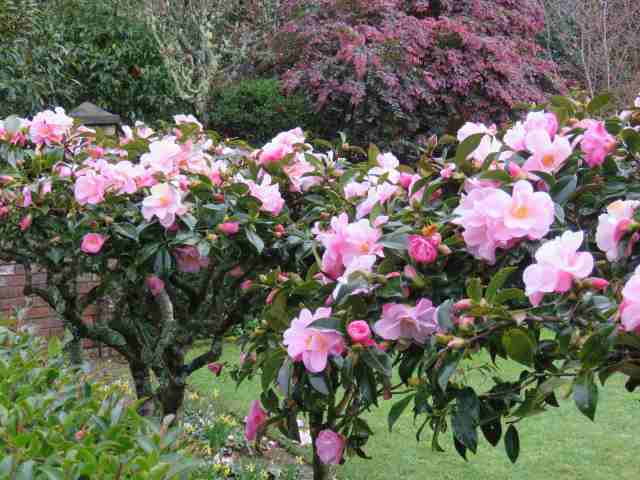
Of course, camellias have changed over that time, too. Back in those days, camellias were ranked the second largest-selling product line. Roses were top. And the vast majority of camellias being produced were japonicas and hybrids. Camellia petal blight changed everything. The mass display of flowers all over the bush, the efforts Felix and Les both went to in creating varieties that were self-grooming (dropping spent blooms to avoid the need to pick over the plant), the perfection of formal blooms like ‘Dreamboat’, ‘Mimosa Jury’ or ‘Desire’, the purity of bushes with perfect white blooms, the quest for ever larger blooms – these are but distant memories. Petal blight has largely destroyed the displays that made camellias so loved. It made the Camellia Society shows problematic because the blooms no longer stood up to travel and display over several days. Picked as perfect, they too often became blotched with brown by the next morning and sludge the day after.

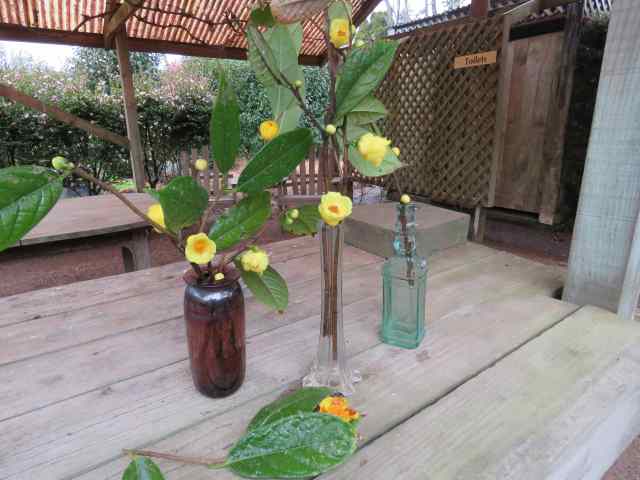
We still have hundreds of camellias here in our garden and right across our property. I set out to pick one off each bush where I could reach a flower and gave up after covering just a fraction of the garden. A few are named varieties but many are just seedlings from the breeding programme.

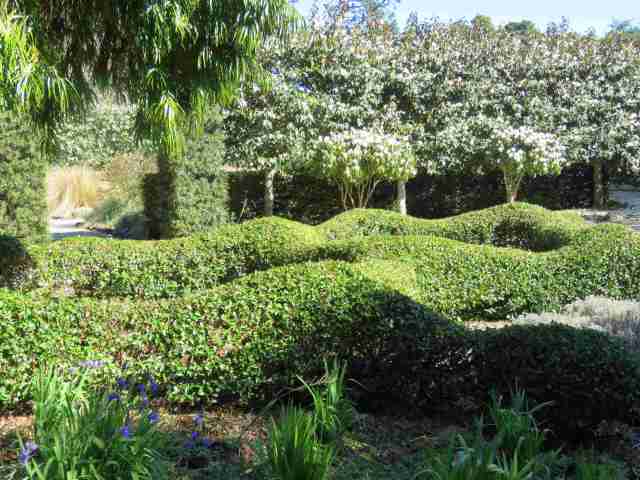
I think of camellias like the cast of a stage-show musical. In times gone by, the entire front row of the chorus and some significant soloists were camellias. Nowadays, they play a valuable but less acclaimed role, filling out the back rows of the chorus with a few of them getting to step forward to sing a few solo lines from time to time. They used to be grown primarily for their flowers. Now we value them more for their potential form – we clip and shape key specimens – as well as their obligingly resilient and healthy nature and their adaptability.
 Tikorangi The Jury Garden