Tag Archives: Felix Jury

New Jury Magnolias

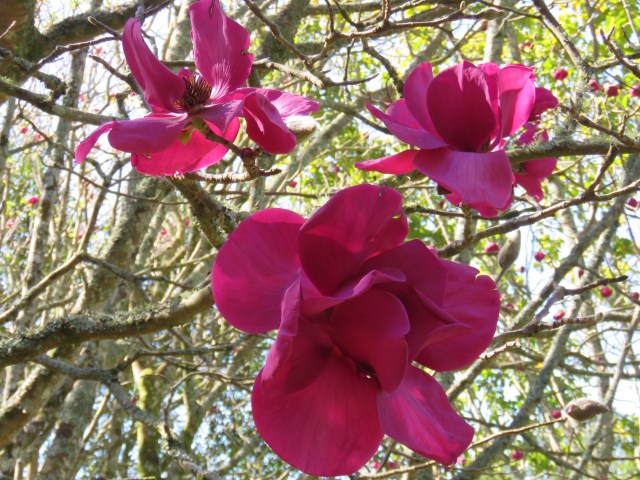
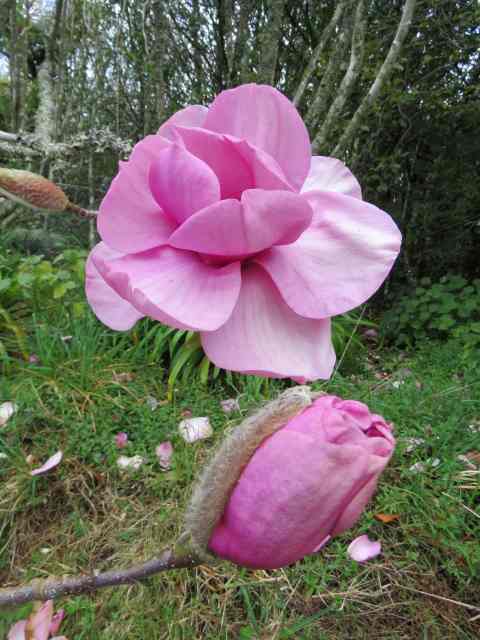
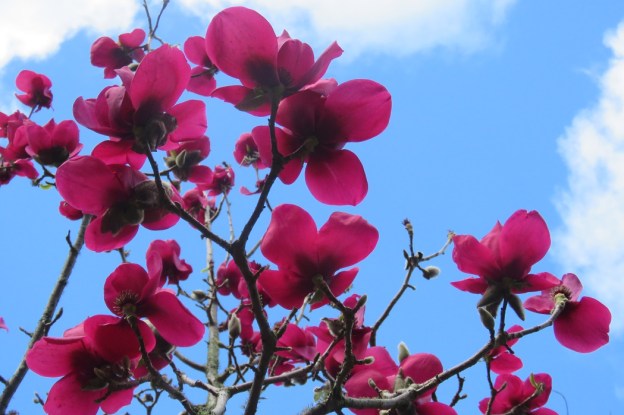
Lead photo: Magnolia ‘Ruby Tuesday’™

It can take a long time for a new plant from Mark’s breeding programme to reach the point of sale on the market. We have long since moved on to looking at more recent plants but it is a thrill when the time comes to seeing the plants finally released commercially into the wider world.
Magnolia ‘Dawn Light’™

It was different when we had the nursery and we would release new plants onto the domestic market. There could be a quick turnaround on those. Nowadays, we focus internationally and that is a very different ball game. It has become increasingly difficult and eyewateringly expensive to get new plants into other countries, through quarantine, trialled and then built up commercially for release. Aside from controlling the initial selection and supply of plant material for propagation, everything is done by our Australian-based agents these days – Anthony Tesselaar Plants – and for this we are truly grateful because it is a plant mission.
Magnolia ‘Ab Fab’™

This year heralds the start of a new round of plant releases – three new deciduous magnolias and the next evergreen in the Fairy Magnolia® series – but not simultaneously.

First up, there will be a limited release this year in Aotearoa New Zealand of the three deciduous magnolias, 2026 for Australia and then or soon after for Europe. Don’t even ask about USA – a work in progress there but likely to be longer.
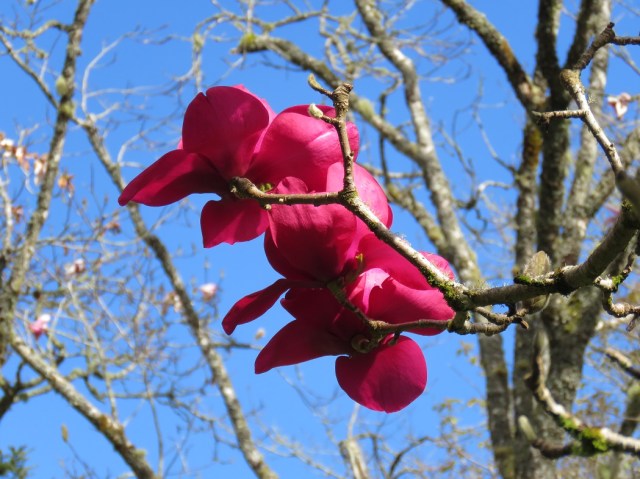
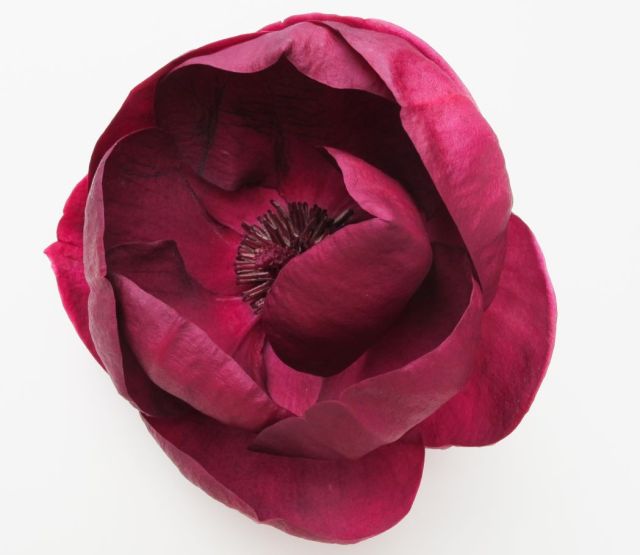
Magnolia ‘Ruby Tuesday’™

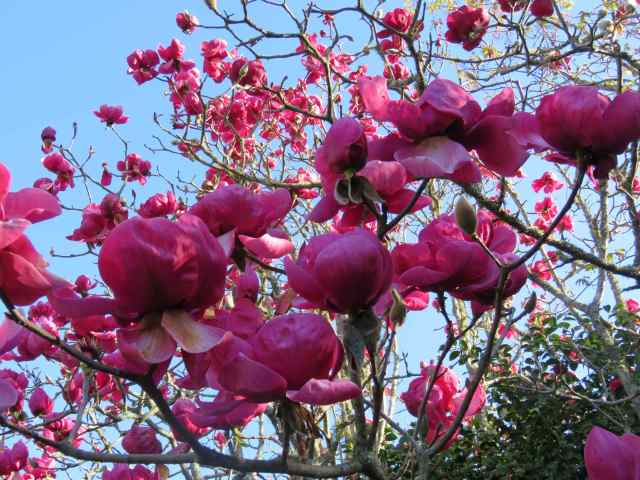
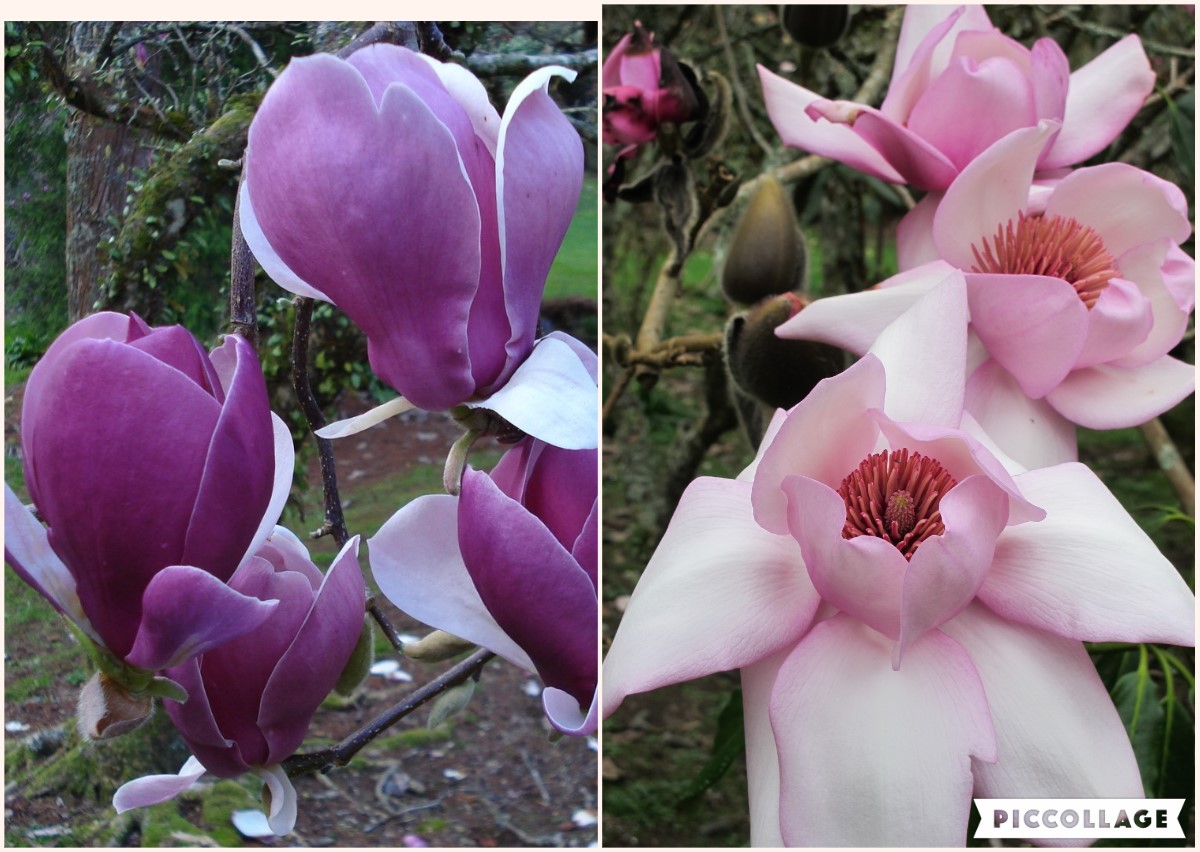
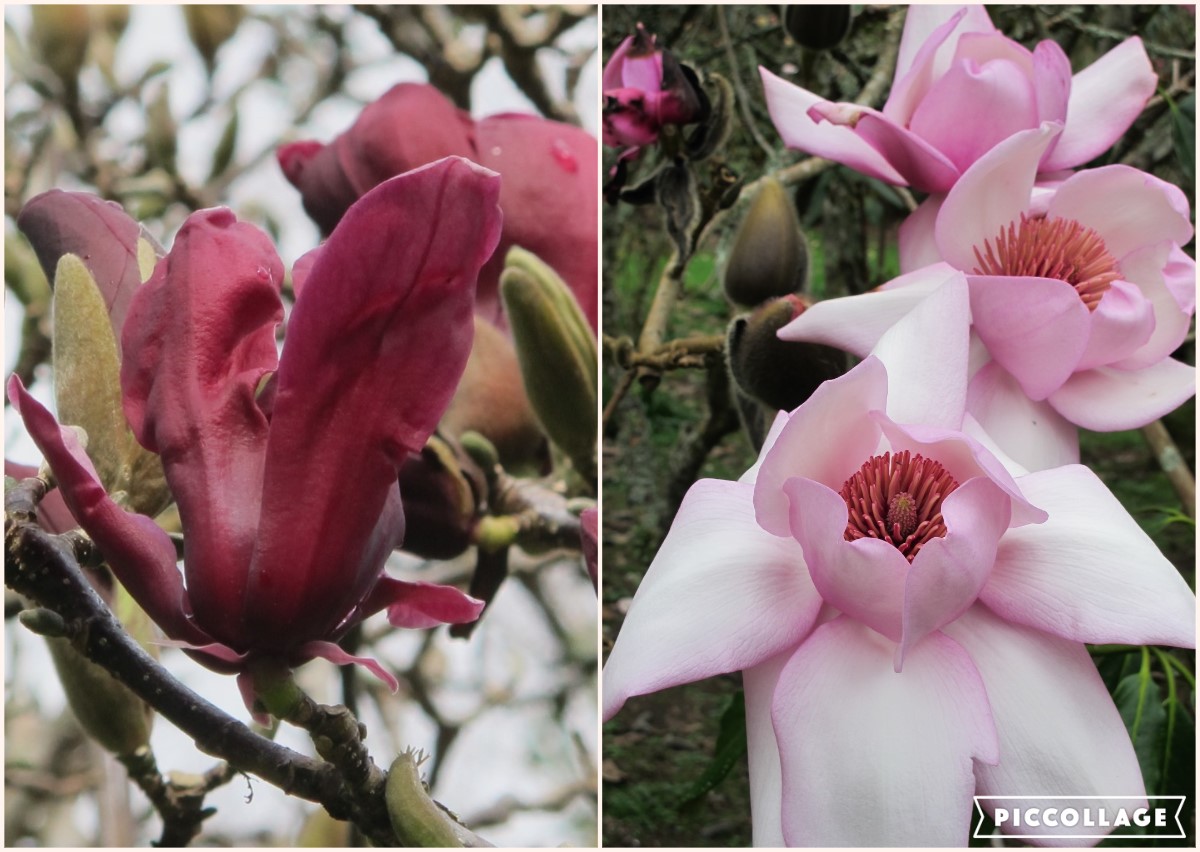
Magnolia ‘Ruby Tuesday’™ will the last of the Jury red magnolias to be named and released. It all started with Felix’s ‘Vulcan’, a breakthrough that has well and truly stood the test of time. Mark followed up with ‘Black Tulip’, ‘Burgundy Star’ and ‘Felix Jury’ – the latter varying in colour from deep red to rosy pink, depending on growing conditions. ‘Black Tulip’ and ‘Felix Jury’ in particular have become influential in international magnolia breeding. I see many photos of plants that have one or other of them in their parentage. I may be biased but I don’t see many that are an improvement on their parent.
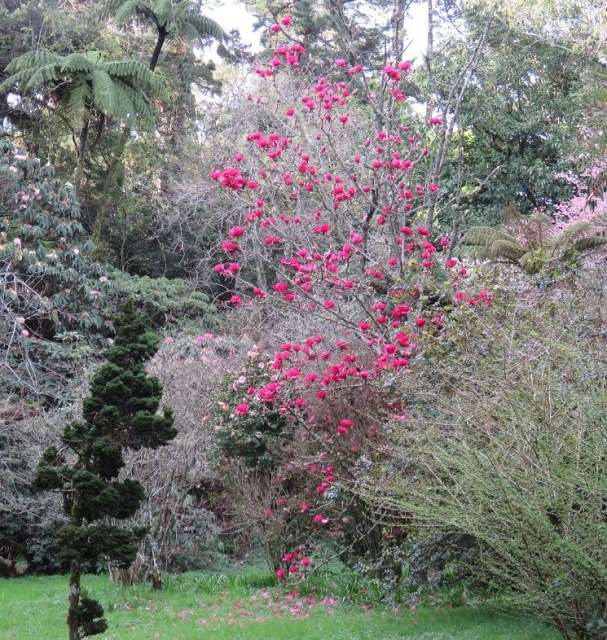
Magnolia ‘Ruby Tuesday’™ – the original plant is a stand out in our park but small enough to fit in most domestic gardens.

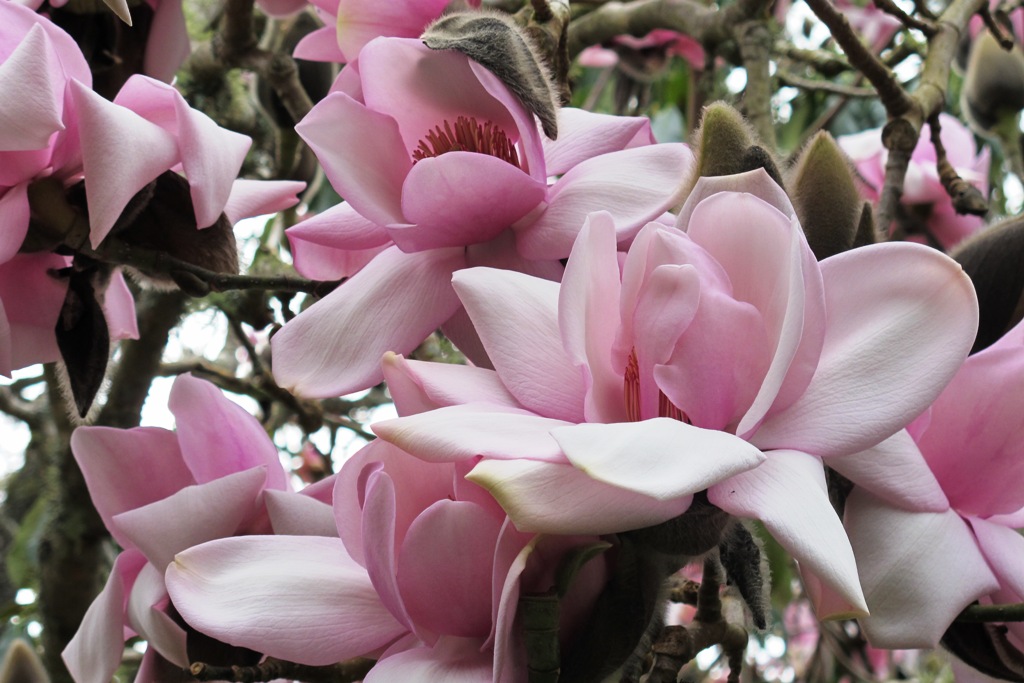
It seems fitting that we end the Jury reds with Magnolia ‘Ruby Tuesday’™ because we regard it as a significant upgrade on ‘Vulcan’. It has all the desirable characteristics of ‘Vulcan’ – rich colour, smaller tree, flowering from a young age and very floriferous. But better. It loses the less desirable aspects of ‘Vulcan’. It blooms a little later in the season which is better for colder climates; it has a long flowering season and the later season flowers are as good as the earlier ones (which is not always the case with magnolias). But best of all, it has lost the purple undertones that were the main problem with ‘Vulcan’ – especially as the season progressed when the brilliant early blooms could give way to smaller flowers which tended to be rather murky and paler in colour. ‘Ruby Tuesday’ stays the same clear red from start to finish. We describe it as ‘garden friendly’ which means it is a suitable size for smaller, domestic gardens – still a tree but a smaller specimen. We are very proud of it.
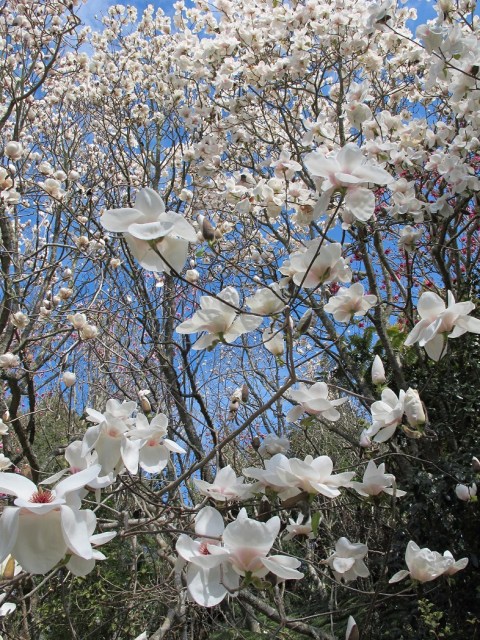
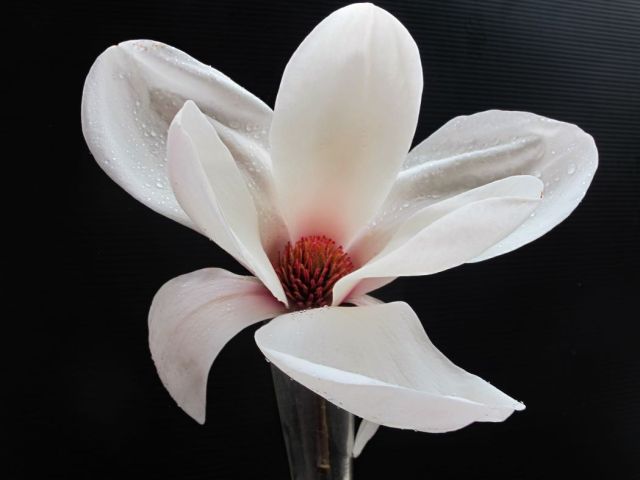
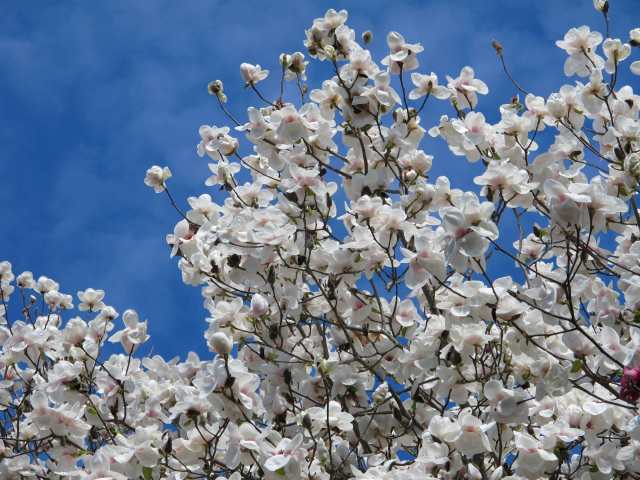
Magnolia ‘Ab Fab’™
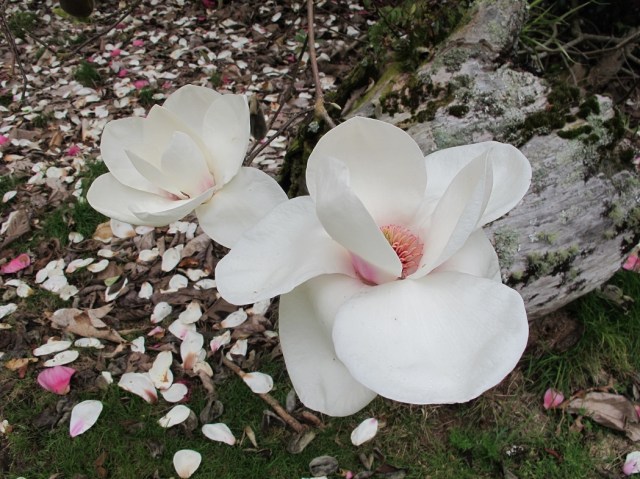
Magnolia ‘Ab Fab’™ and yes, I do think it is pretty fabulous

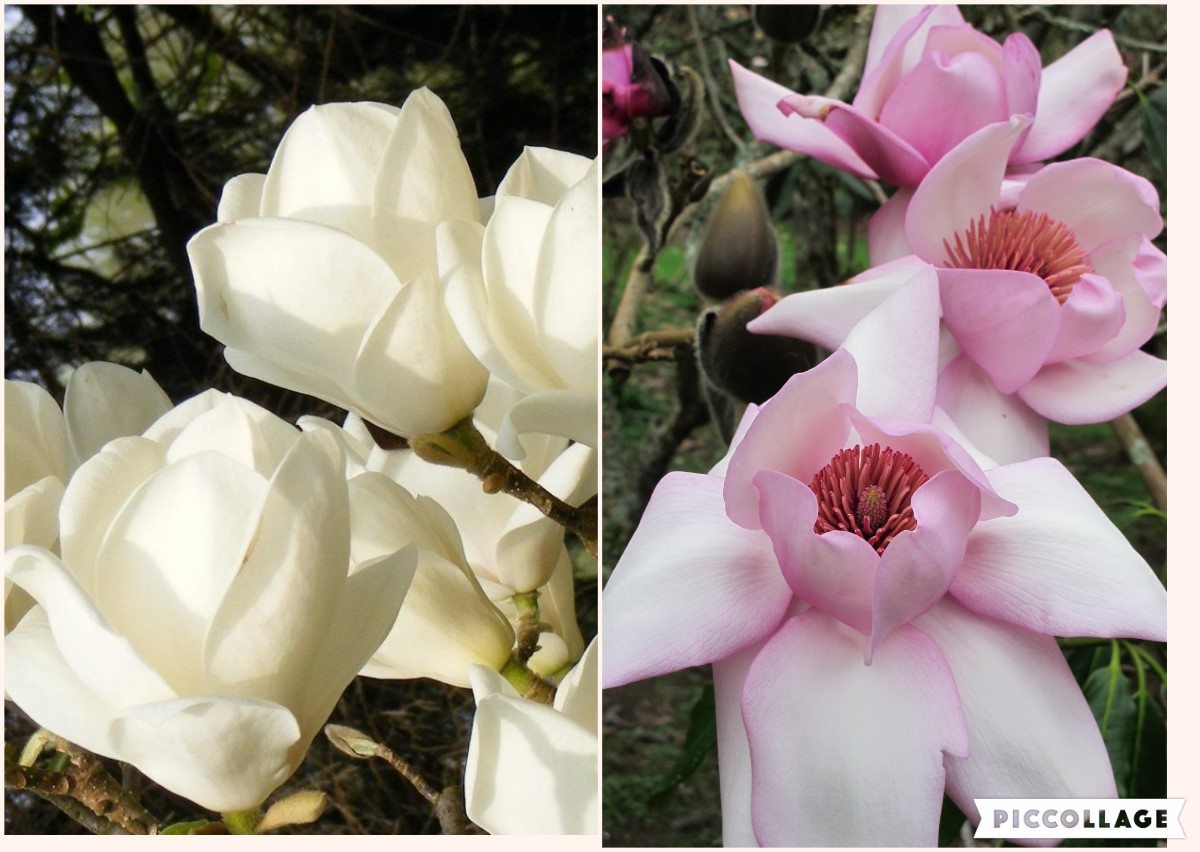
Second up is Magnolia ‘Ab Fab’™, the only white magnolia Mark has named. His initial code name has stuck – it is named primarily for me with a nod to Jennifer Saunders and Joanna Lumley and I feel in excellent company there. It has a huge white bloom with just a touch of pink at the petal base and we do like big flowers on our magnolias here. So, in flower size, it sits alongside Felix’s ‘Atlas’ and Mark’s ‘Felix Jury’. I was amused to be sent a photograph of it flowering in a European nursery – in Germany, from memory – of a bare stick about 1.5 metres high adorned with several excessively large white blooms. It looked impressive but is even more impressive on the original plant. It is a larger growing tree and we worried for a while that it may be too large but growth rates and size are heavily determined by climate and most magnolias around the world are grown in harder conditions than we ever get here so it is unlikely to reach the same stature that we see.
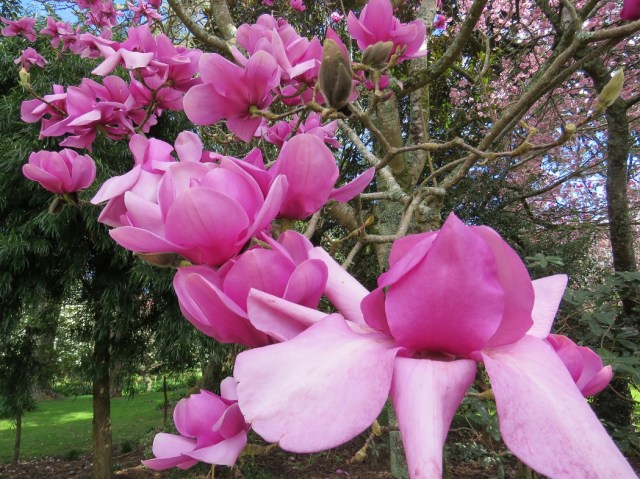
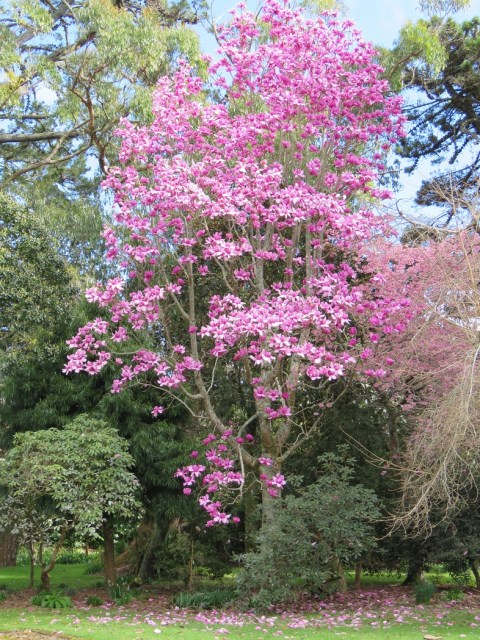
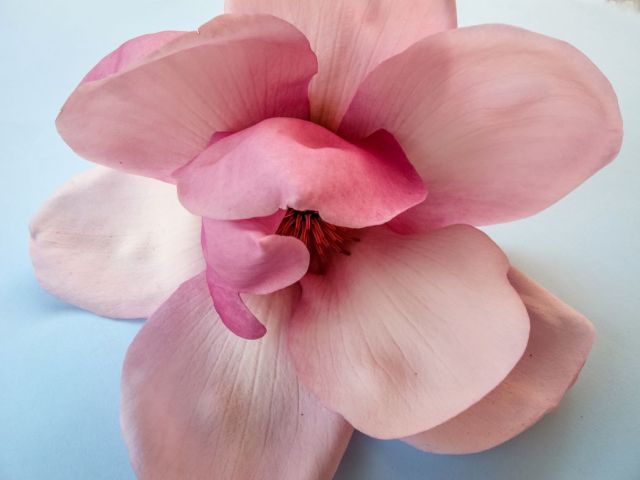
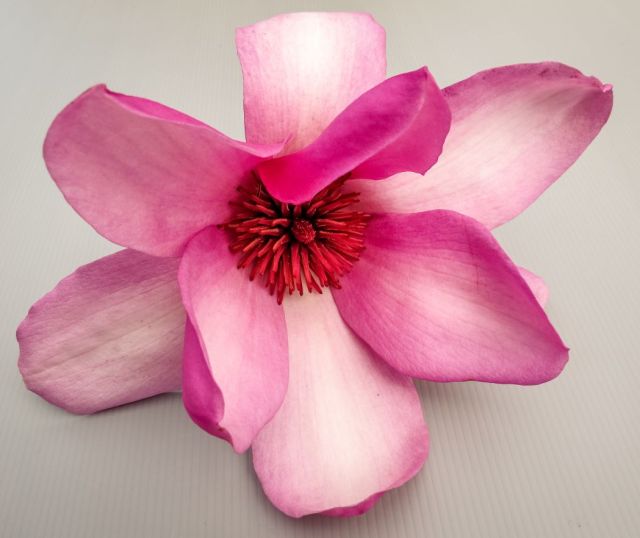
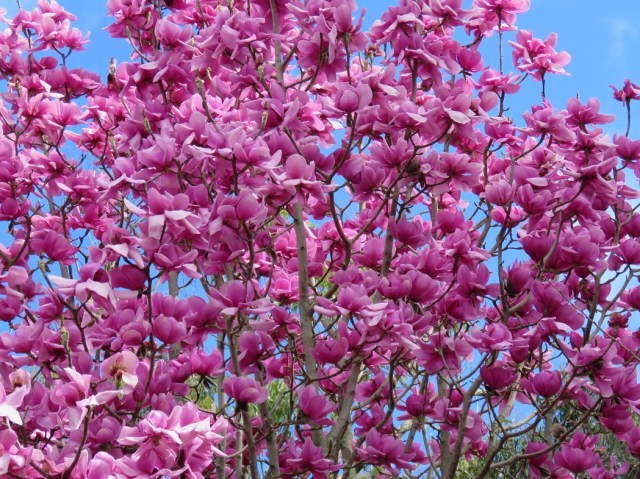
Magnolia ‘Dawn Light’™
The habit of growth on Magnolia ‘Dawn Light’™ is tall but slender

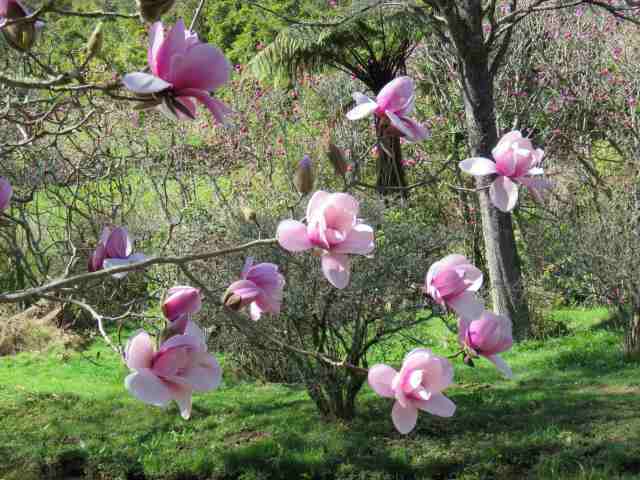
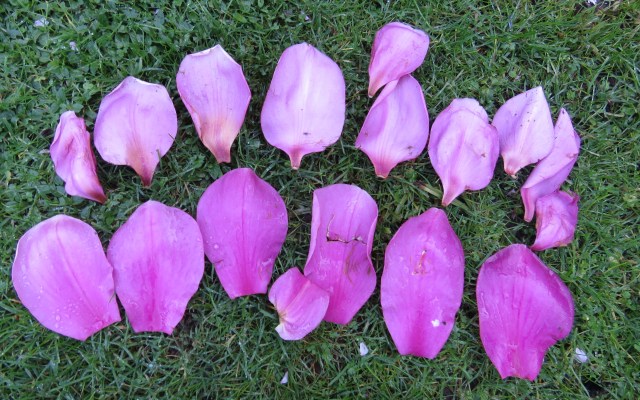
We have really struggled with naming the third one. In the end, I crowd-sourced a name on the social media platform, Bluesky. Out of hundreds of suggestions, we came up with a short list of of nine good names and I think we have settled on Magnolia ‘Dawn Light’™. Our problem came with trying to nail down the colour. Depending on light conditions, it is somewhere between rich pink and purple. I lined up petals alongside Magnolia campbellii var mollicomata ‘Lanarth’, one of the purplest of the species and the petals of the hybrid were darker but it doesn’t always look that way on the tree. It is not blue enough to be able to say it is purple, lilac or lavender, not brown enough to be puce, but possibly too many blue hues to be rich pink. Hence ‘Dawn Light’™. Whatever the colour, it is lovely and has been a consistent performer in a prominent position here year on year.  It is another taller, upright grower – rather than spreading – but is not likely to be as tall in different climates.
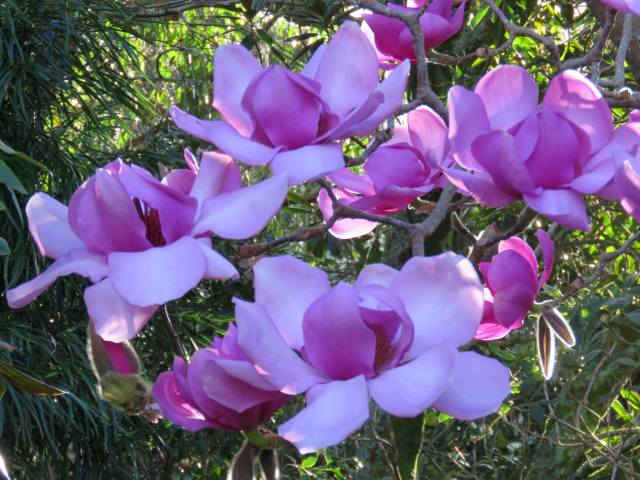
This is why we had such trouble naming Magnolia ‘Dawn Light’™ – it can look purple or pink, depending on the light
I once lined up petals to try and determine the colour. That is Magnolia ‘Lanarth’ at the top, ‘Dawn Light’ below but it can still look too pink on the tree. Mark quipped that he wanted to call it Purple Haze – to go with Ruby Tuesday, you understand. Showing our era, I wondered whether ‘Ab Fab’ should therefore be named A Whiter Shade of Pale.

These three cultivars have been under our watchful eye for years and we are confident on their merits. Magnolias are a long term plant. You don’t want to be casting a plant out after 5 or 10 years because something better comes along. We think these three will stand the test of time.
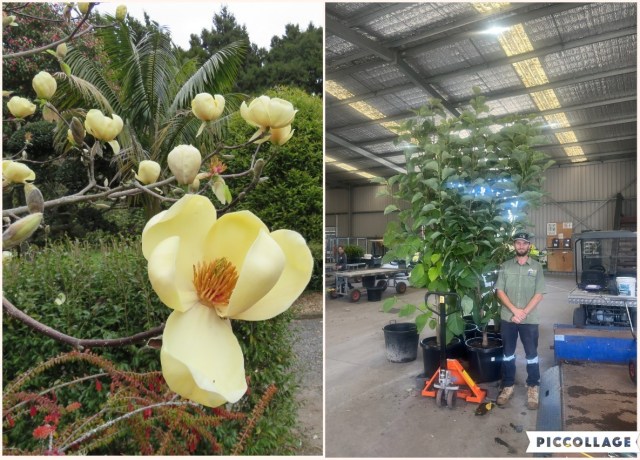
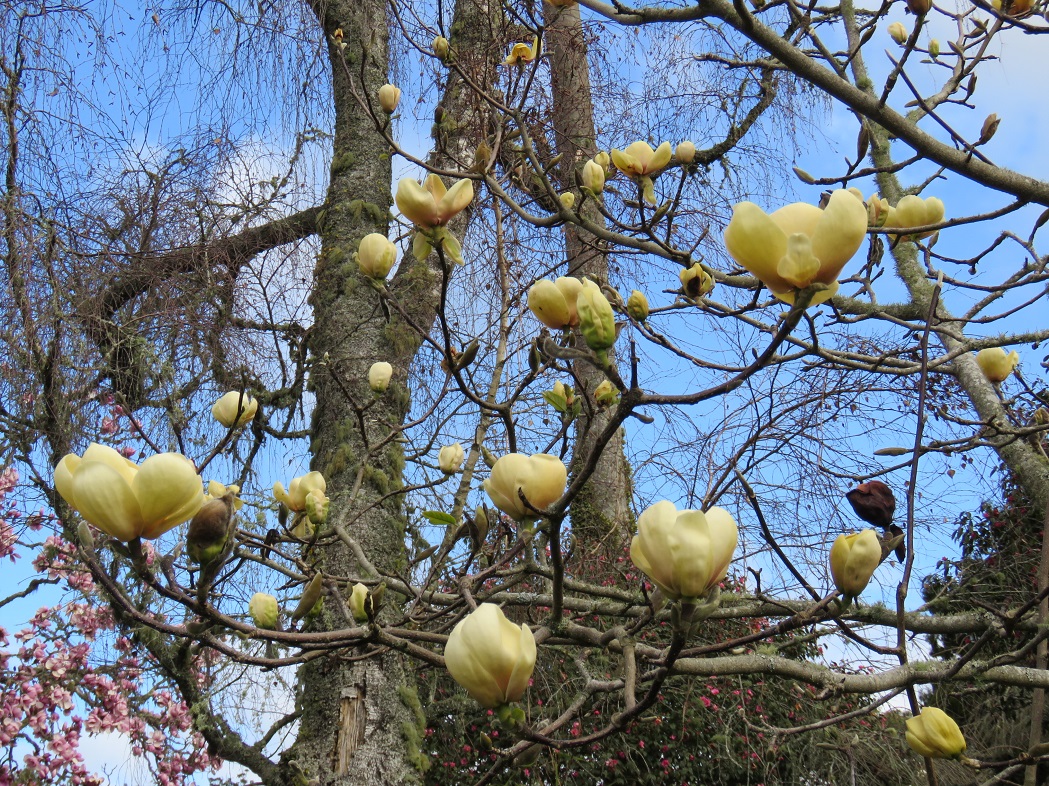
Magnolia ‘Honey Tulip’ and some very fine plants about to go on sale from Warners Nurseries in Victoria, Australia

Australia is as difficult to get through border control as Aotearoa NZ is so it has taken a long time for Mark’s Magnolia ‘Honey Tulip’ to be released there, even though it has been sold in this country, in Europe and the UK for some time. But at last it is ready for release in Australia this year.
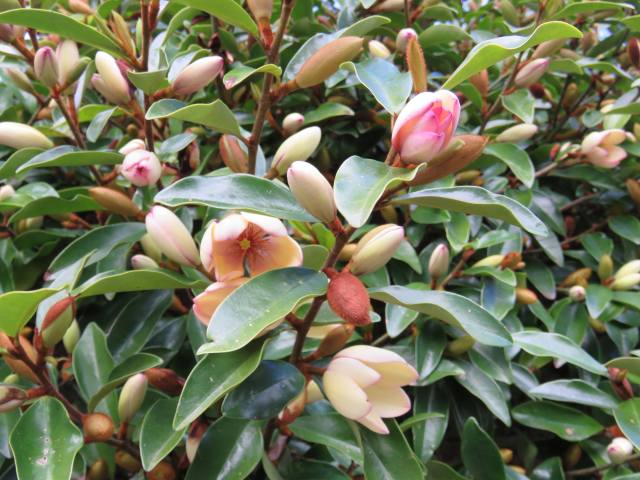
Fairy Magnolia ‘Petite Peach’™

However, Australia gets the first chance at Fairy Magnolia ‘Petite Peach’™ which will be released this year (2026 in NZ and 2026/27 in Europe).  Sharp-eyed garden visitors may have spotted the two clipped, smaller pompoms at our gate. ‘Petite Peach’ has been well trialled down the years here. It is much more compact than the three Fairy Magnolias® already released, with smaller foliage and a mass of smaller blooms in peach shades. It is what we would describe as a ‘good garden plant’ – reliable, consistent, extremely healthy, able to fit into gardens of any size and pretty, rather than spectacular.
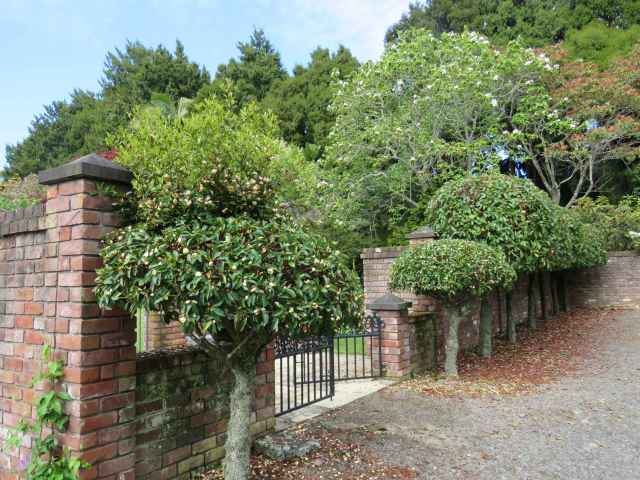
The two plants in the foreground are Petite Peach, over 20 years old now and clipped once a year. The front plant hadn’t been fully clipped on account of Mama Blackbird and her babies in the middle of the top knot.

Meantime, we are into the final year or maybe two of assessing what is likely to be the last tranche of Jury hybrids from this generation of the Jury family. It is likely there will be a couple more deciduous magnolias but yellow this time, and maybe another three or four different colours in the ‘Fairy Magnolia’® series. But don’t hold your breath. These will be years off being released internationally. Plant breeding with the magnolia genus is definitely a long term project.
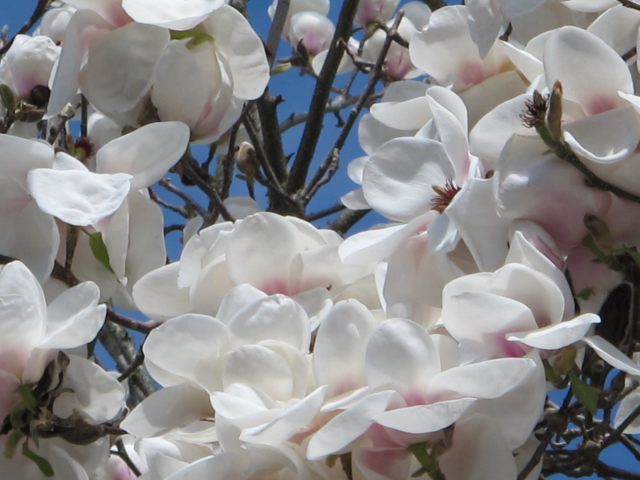
Magnolia ‘Ab Fab’™ resembling fluffy meringue, maybe

Postscript: For the magnolia aficionados who are going to ask about the breeding, these are largely from crossing hybrids but if you take it back to the originating species it works out to the following:

Magnolia ‘Ruby Tuesday’M.soulangeana x ‘Lennei’ – so some liliiflora – x {M.campbellii mollicomata ‘Lanarth’ x M. sargentiana robusta} x {M. liliiflora hybrid x ‘Lanarth’}. Which translates to 3/8 ‘Lanarth’, around 3/8 different forms of liliiflora with some sargentiana robusta and a few unknown genes to make the full quota.

Magnolia ‘Ab Fab’™ (M. soulangeana x ‘Lennei’ – so some liliiflora – x {M.campbellii mollicomata ‘Lanarth’ x M. sargentiana robusta}) x M. x ‘Lennei alba’ (liliiflora genes again with some denudata) x {M.campbellii var mollicomata ‘Lanarth’ x M. sargentiana robusta}. Which makes the dominant genes liliiflora followed by ‘Lanarth’ and sargentiana robusta.

Magnolia ‘Dawn Light’™ (M. soulangeana X ‘Lennei’ – so some liliiflora –  x {M.campbellii var mollicomata ‘Lanarth’ x M.sargentiana robusta} x ‘Lanarth. So the dominant genes in this one are ‘Lanarth’ with lesser amounts of M. sargentiana robusta and M. liliiflora.

In layperson’s terms, Mark has continued using his father’s lucky break with the hybrid seedling he was sent which he named Magnolia ‘Mark Jury’ (back in the 1950s), crossing with the downstream Jury hybrids both he and Felix created, plus ‘Lanarth’.
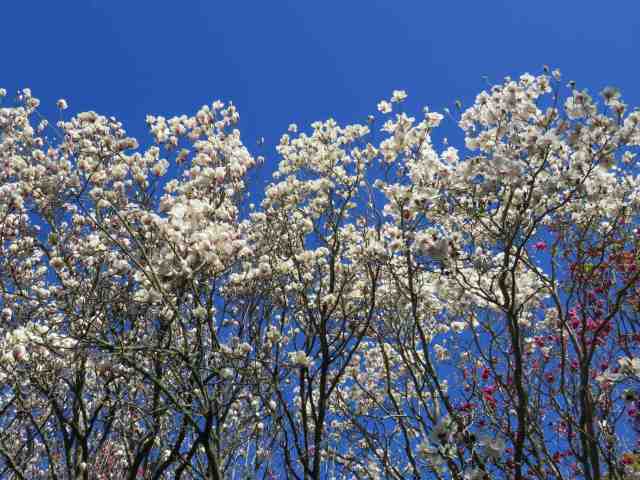
Magnolia time

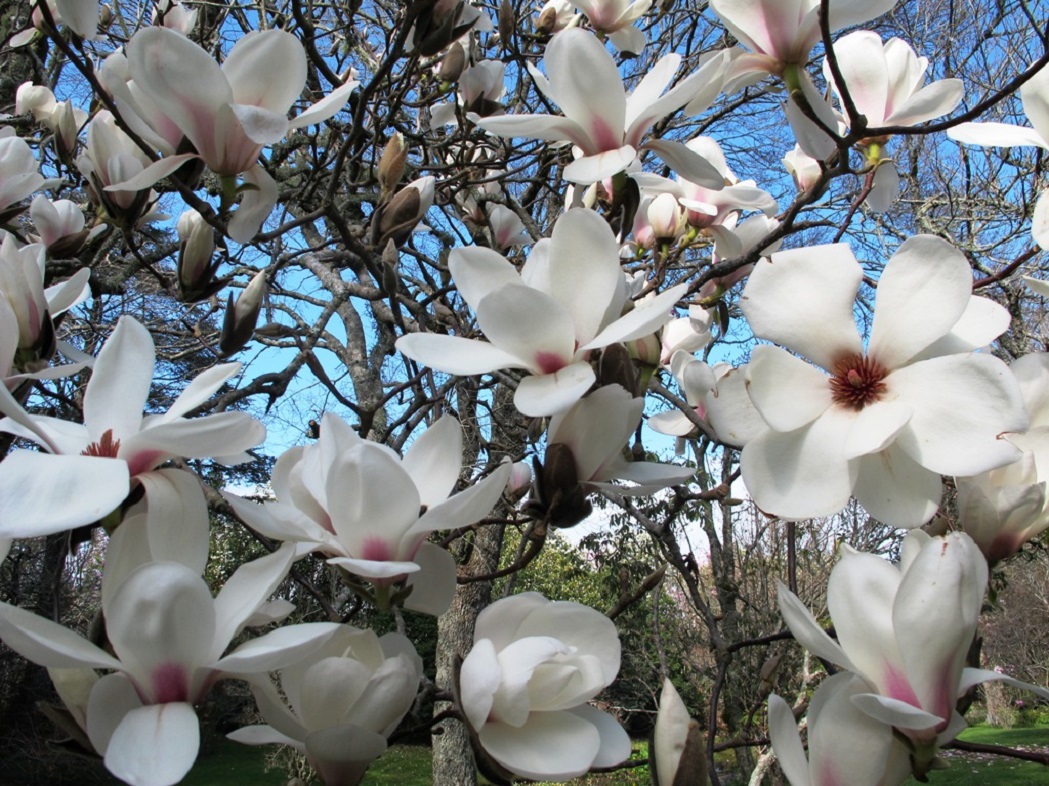
Blue skies and space to let magnolias grow to their potential certainly helps the display

We are currently at peak magnolia and this year has been a relief. Flowering in the past two years has been – dare I say it – pretty damn disappointing. Very wet springs saw blooms weather-mark badly, infected by some form of blight, and turn to droopy brown slush. They were not inspiring at all and I was beginning to wonder if one effect of climate change might be to take out the impressive splendour of our flagship plant family. This year they are magnificent after a bit of a stuttering start. Mind you, we have been blessed with perfect conditions – clear, calm and dry with only the occasional storm or downpour.

June 13, which is very early for us. The display this year never actually improved on this although more snow fell.

The season started unusually early. The first flowers on M. campbellii var campbellii opened at the end of May before the leaves had even fallen and winter was upon us. Every year I like to get out and photograph our tree against the maunga, Mount Taranaki, and the first photo of that was on July 6, before the mountain even had its full cover of snow. Similarly, ‘Vulcan’, ‘Burgundy Star’ and M. campbellii var mollicomata ‘Lanarth’ all opened their first blooms in early June and early July which is mid-winter here. Interestingly, that early start proved to be a false start on all four of them. They never really recovered from it to give us their usual mass display of splendour. Some are limping on, still with flowers, but the overall display from them has not had the usual breathtaking oomph. There are always some disappointments and this is the first year I can remember when those varieties have been rather ho-hum. We are concluding that an early start can in fact be a problem more than a promise.

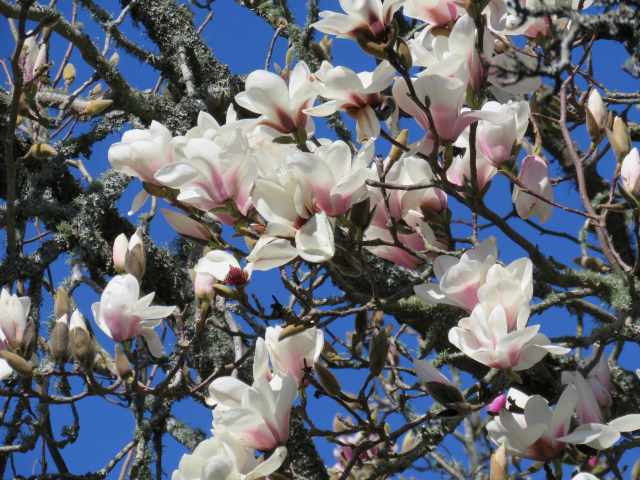
Magnolia ‘Felix Jury’ on the left with white ‘Manchu Fan’
Magnolia ‘Felix Jury’.

The main flowering on  the rest has more than made up for the disappointing. Day after day of blue skies have delivered us perfect blooms with none of the previous problems of blight turning petals to mush. We know it is a good season because Felix’s Magnolia ‘Atlas’ is looking splendid. When we first released it, Mark described it as being like a giant pink cabbage and one of the largest magnolia flowers in the world at the time. It is the only one of ours that seems to perform better overseas than here. Year after year, I have struggled to get good photos of unblemished blooms because it does not like our spring storms but this year, this year it is perfect.

Magnolia ‘Atlas’
Magnolia nitida, for those of you who like to see something different

We have many magnolias. I have no idea how many. We also have space so we can allow trees to grow to the size they wish. Some of our magnolias are species and some are named cultivars from other breeders but the vast majority of our plants are seedlings from the breeding programme and there are literally hundreds of those. While we have only ever named twelve Jury magnolias (eight from Felix, four from Mark and another four of Mark’s are in the pipeline for release), they are the pick from several thousand seedlings. The majority end up getting chainsawed out as being of insufficient merit to retain but some are very good. They don’t meet our stringent criteria for releasing a new plant but they are good enough to keep across the property.

Just an unnamed seedling but looking very pretty this week

Finally, I saw a death notice recently for writer, gardener and magnolia lover, the inimitable Biddy Barrett. We have always referred to this pretty pink seedling as ‘Biddy’s Pink’ as she was adamant it should be selected for release. Mark didn’t agree so it remains a one-off plant but R.I.P Biddy. Your pink lives on.

Biddy’s Pink – a reference name only. This one has never been named and released.
Biddy’s Pink – pinker than Iolanthe but otherwise very similar
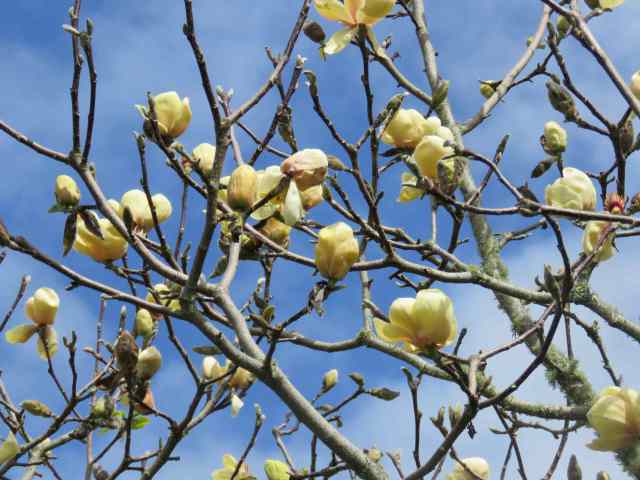
Mark’s Magnolia ‘Honey Tulip’
Felix’s ‘Milky Way’
And a purple seedling to cover the current range of colours in deciduous magnolias

Signs of spring

First published in Woman magazine, July 2022 edition and reprinted here with additional photographs.

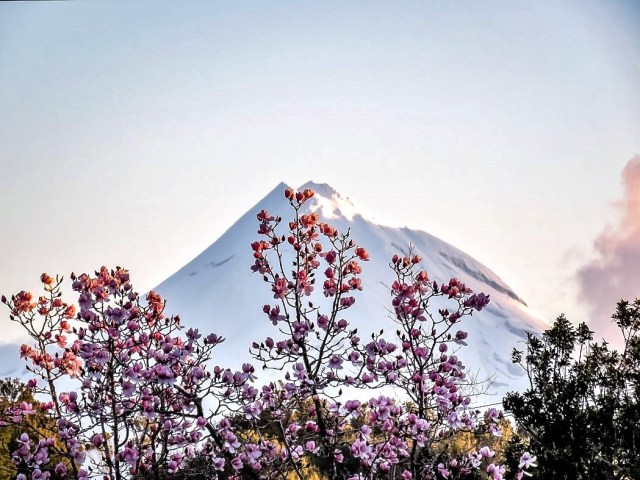
Magnolia campbellii is always the first to open a flower bud, seen here framed against the distant peak of Mount Taranaki.

I am a Jury. Ergo, I love deciduous magnolias. Why does one follow the other, you may wonder. My very late father-in-law, Felix Jury, was the creator of such varieties as Magnolia ‘Vulcan’, ‘Iolanthe’ and others and we still have the original plants here in the garden at Tikorangi. I am married to the man who created ‘Black Tulip’, ‘Felix Jury’, ‘Honey Tulip’ and ‘Burgundy Star’ with more to come soon.

I have long declared that the first blooms on the magnolias herald the start of a new gardening year. The first one to open for us is always the pink Magnolia campbellii in our park. It is one of the earliest harbingers of spring and we usually get the first flower a few days after the winter solstice which is around June 21. 

Enter Matariki which we celebrated as a nation on June 24 this year. While we accept the Gregorian calendar dating back to 1582, that only determines the elements of time which are derived from Earth’s position in the solar system – such as the length of individual months, equinoxes and solstices. The assignment of certain dates to celebrations is an arbitrary human decision. The determination that January 1 is the start of a new year is based entirely on northern hemisphere tradition and it happens to come 9 or 10 days after the winter solstice. What I find fascinating is that Maori arrived at the same conclusion, give or take a few days. It may be six months out of step as far as the calendar goes but it is synchronised with the seasons.

Matariki is determined by the rising in the sky of the star formation generally known as the Pleiades and the start of the new lunar year. It just so happens that Matariki occurs within a few days of the winter solstice in New Zealand. It seems perfectly logical to me and of much greater relevance to my gardening year than the January 1 date.

Our pink Magnolia campbellii is not quite as predictable as the solstice dates and it doesn’t hit its peak display until well into July, but that first bloom bravely opens around the time of Matariki and is a significant seasonal marker for me. Each year, I don my woolly gloves on fine frosty mornings and head out to capture the one beautiful line of sight we have with the blooms on the bare tree and the snowy slopes of te mounga – Mount Taranaki – behind. I am using a zoom lens – te mounga is somewhere over 35km distant.

Over time, most magnolias grow into trees. From left to right are an unnamed pink seedling, Magnolia ‘Felix Jury’ and Magnolia ‘Manchu Fan’.

That magnolia was first sold in New Zealand in the latter half of the nineteenth century by a Lower Hutt nurseryman commonly referred to as Quaker Mason on account of him being a Quaker. It was also the first magnolia planted in our garden by my father-in-law, Felix Jury in the early 1950s. This pink M. campbellii is probably the most recognisable form in the country. Interestingly, that is unusual internationally. In the wild, most campbelliis are white. The pink ones are largely limited to a small area around Darjeeling in India and we should count ourselves lucky that Quaker Mason just happened to get a particularly good form of the unusual pink one to popularise here.

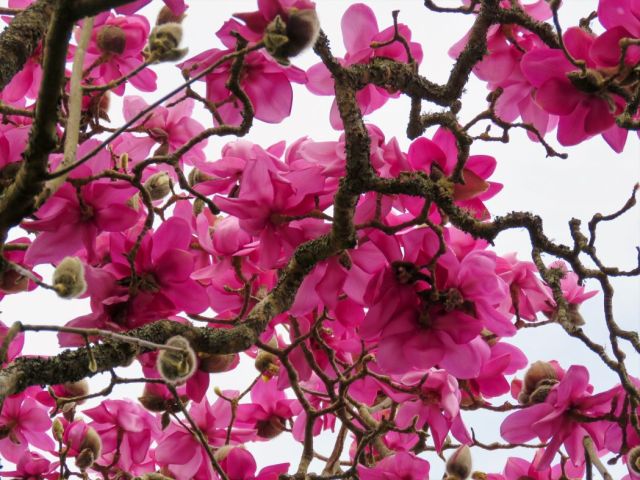
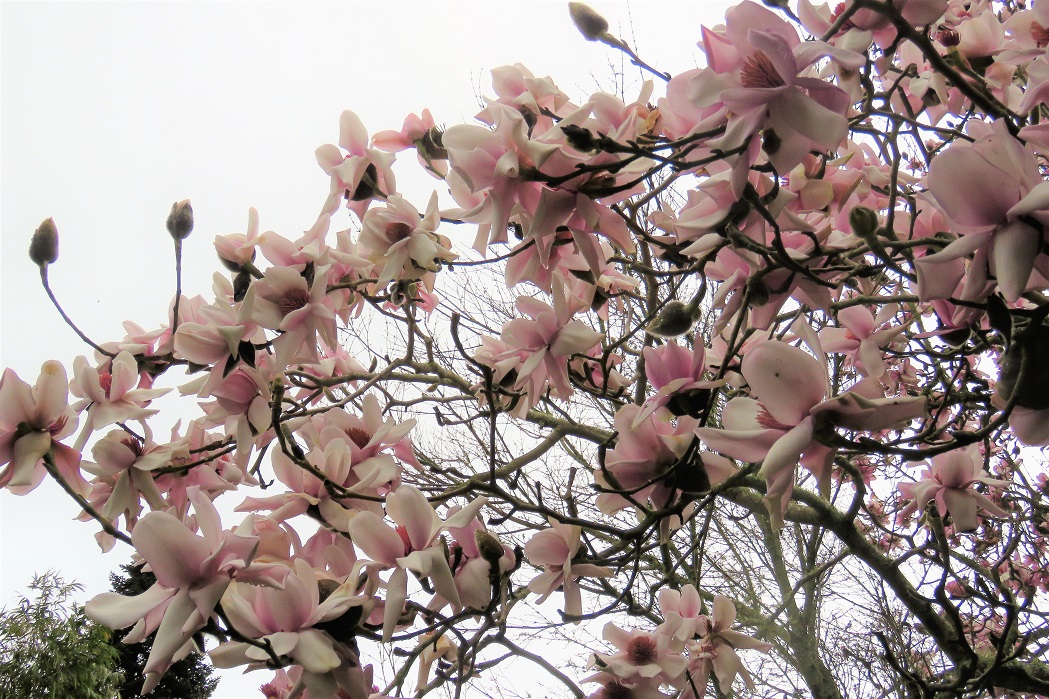
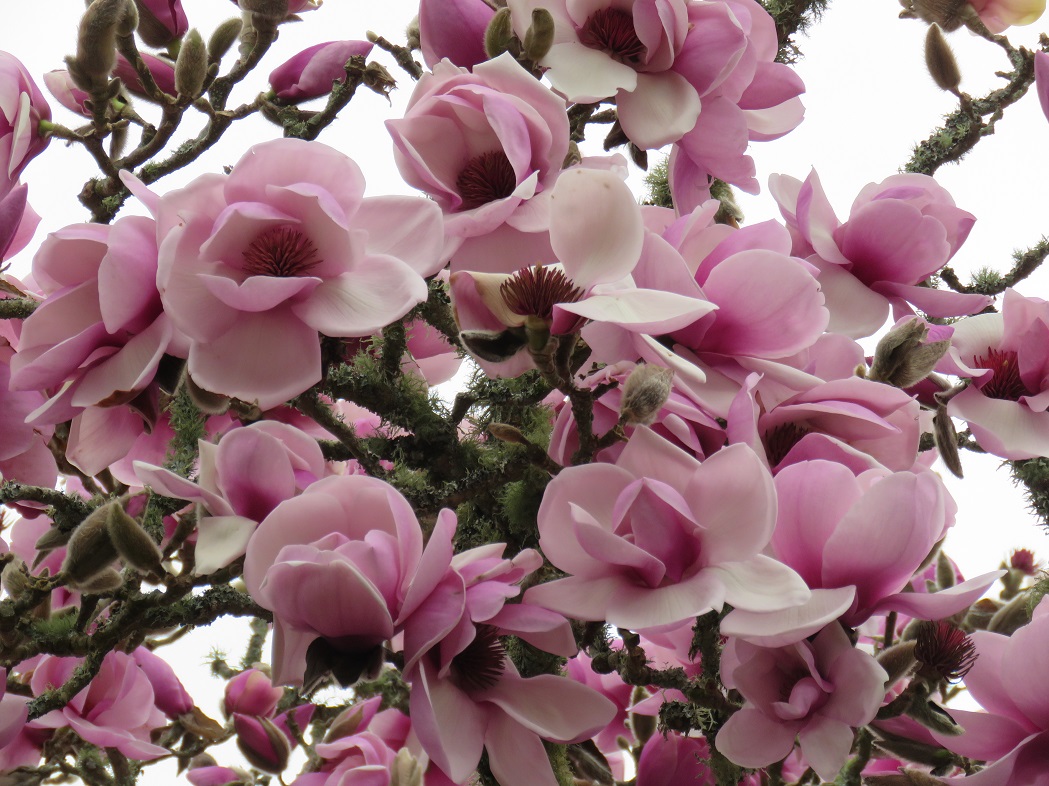
Looking up into the floral skyspaper of Magnolia sargentiana robusta

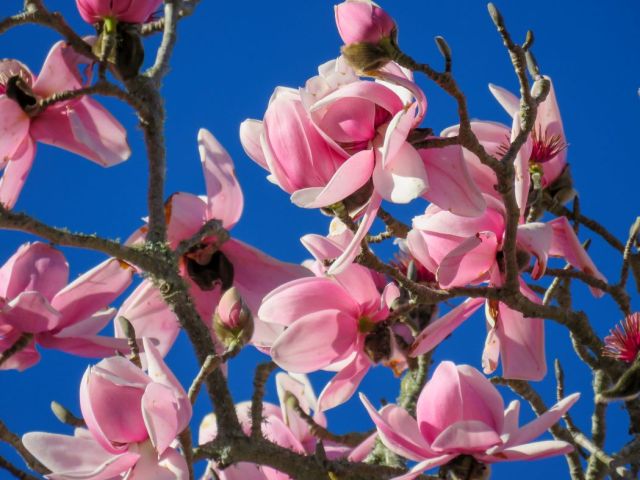
The magnolia flowering season from late June to September is a special time of year for us. We have many magnolias, both named varieties and species and unnamed hybrids from the breeding programme. This is a plant family where the larger the plants get, the bigger show they make.

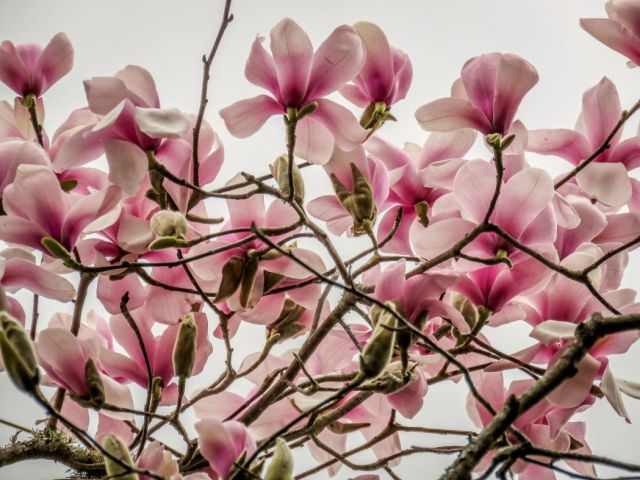
For me, the deciduous magnolias hold pride of place. That display of bare blooms on a tree with no foliage can take my breath away. Because we have large trees, I am often looking up from below and I describe it as floral skypaper.

The purple petals of Magnolia campbellii var mollicomata ‘Lanarth’ forming a carpet beneath.

When I look down, I see the petal carpets on the ground and I have a great fondness for petal carpets. However, I will concede that they are not great on paths, driveways and sealed areas where the carpet can soon turn to slippery brown sludge. We will use a leaf rake or leaf blower on sealed areas but leave the petals on grass or garden.

And looking up to ‘Lanarth’ against a grey wintry sky

Most of the deciduous magnolias are Asiatic in origin – particularly areas of China, northern India and Nepal. The exception is the one truly yellow deciduous species – Magnolia acuminata – which is from North America. It is one of the parents of all the yellow hybrids that have become available in the last 25 years.

USA is also the homeland of the most popular evergreen magnolias which are widely grown here. These are characterised by heavy, leathery leaves and large, white flowers. I am not a fan of the evergreen grandiflora types; the ratio of flower to foliage is not high enough for my liking. I prefer the 100% flower to 0% foliage of most deciduous varieties.

Michelias, on the other hand, are all Asian in origin with many also being found in tropical areas, so into Southern China, Vietnam and Thailand. These are also evergreen but with softer, smaller leaves than the American leathery ones, a higher ratio of flowers and they are smaller growing overall. Botanically, they are magnolias but they look very different to the deciduous magnolias and they fill a different role in the garden.   

Magnolia Iolanthe in pink
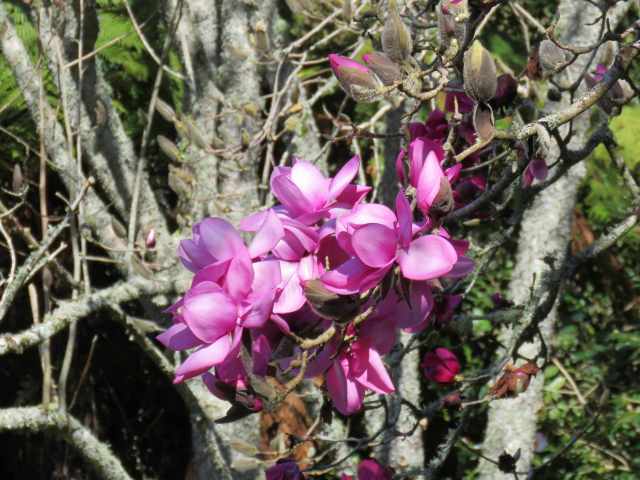
Magnolia Apollo in purple
Magnolia Black Tulip in red
Magnolia Lotus in white
  • Deciduous magnolias come in shades of pink, purple, red, white and yellow.
  • Magnolias are ancient, evolving before bees emerged. It is thought that they were originally pollinated by beetles. Now they provide a food source for bees at a time of short supply in late winter.  
  • We get deeper, richer colouring in magnolias in New Zealand. It is likely to be related to our soils, climate and the clarity of light here. The same plant can look very different with the colour washing out, particularly in Northern Europe and the UK where winters are longer and colder and light levels lower.
  • New Zealand is recognised internationally as leading the way on breeding red magnolia hybrids, initiated by Felix Jury with ‘Vulcan’ and continued by Mark Jury, Vance Hooper and Ian Baldick.
  • No, you can not get very large blooms on a deciduous magnolia that will stay a small plant under two metres. Smaller growing varieties will have smaller blooms and the vast majority of deciduous magnolias are trees, not shrubs.
  • If you have a magnolia where the buds either drop off or fail to open properly, it is a sign  either of frost damage or pest damage by rats or possums.
  • When deciduous magnolias have new leaves that are clearly distorted on opening, it is an indication of spray drift. Lawn spray is the main culprit. If you feel you must spray your lawn, don’t do it in early spring when the leaf buds on magnolias are about to break into growth.
  • The limited range of species that were all that was available in the past could take 15 to 20 years before they set flower buds. Nowadays, you can expect magnolias to bloom within a couple of years of planting and some will even be sold with flower buds.
Magnolia Honey Tulip in yellow

A little bit of Tikorangi on Corrie

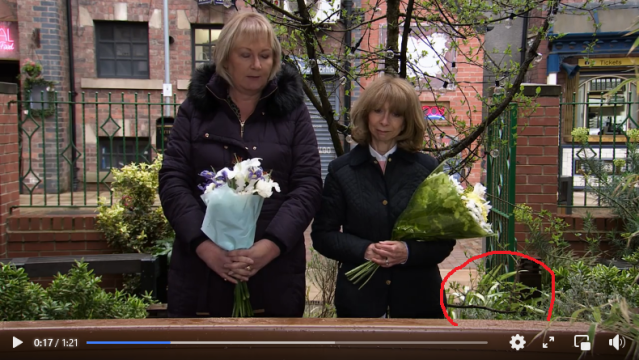
Sometimes life can throw up little surprises. I saw a clip from Coronation Street come down my social media, a tribute to the victims of the 2017 bombing at the Ariana Grande concert in Manchester. Gail Platt and Eileen Grimshaw were laying flowers at a bench commemorating Martyn and other victims. Martyn Hett, a real life victim of the bombing and a great Corrie fan reportedly had a tattoo of Deidre Barlow.  It is a poignant moment on that long running television soap opera.

Yellow Wave! In poll position centre foreground

What caught my attention was the plant of Phormium ‘Yellow Wave’ in prime position in the scene. Ha! A little bit of Tikorangi on Corrie! ‘Yellow Wave’ is one of the earliest of Felix Jury’s plant breeding efforts and arguably the most widely grown internationally, although not so often attributed to the breeder. All one minute 21 seconds of the clip can be found on Facebook here and on YouTube here.

In Aotearoa New Zealand, we know the phormiums as flax in English or harakeke in Maori. They grow widely throughout the country but ‘Yellow Wave’ was one of the very first compact. variegated cultivars to be released on the market. It wasn’t released by Felix. He was never a nurseryman and he never received a single cent for the plant. This was back in the late 1960s or early 1970s before there was any provision to claim plant variety rights or a plant patent over a new cultivar. We have always quipped that such is its international popularity, had he received just one cent per plant sold, he would have been a rich man. It received an Award of Garden Merit from the UK Royal Horticultural Society.

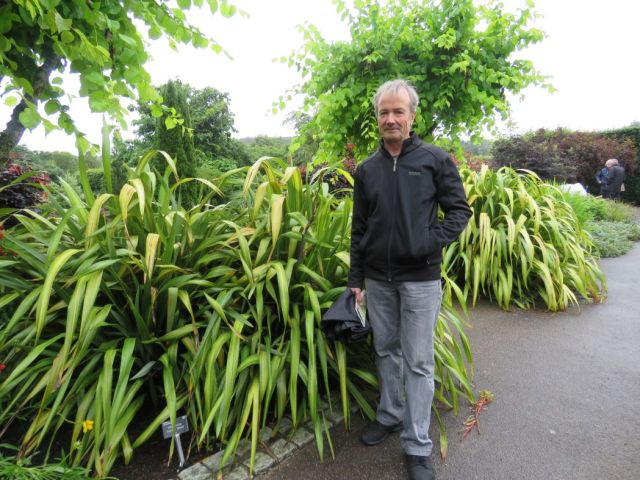
I made Mark pose beside Phormuium Yellow Wave at RHS Rosemoor in the UK in 2017

In this country, the flaxes tend to get a spotting on the foliage that rather detracts from their looks but they keep very clean foliage in other climates. Maybe this is why we prefer the newer dark burgundy and black phormium cultivars as garden plants? Also, we do not have a love affair with variegated plants.

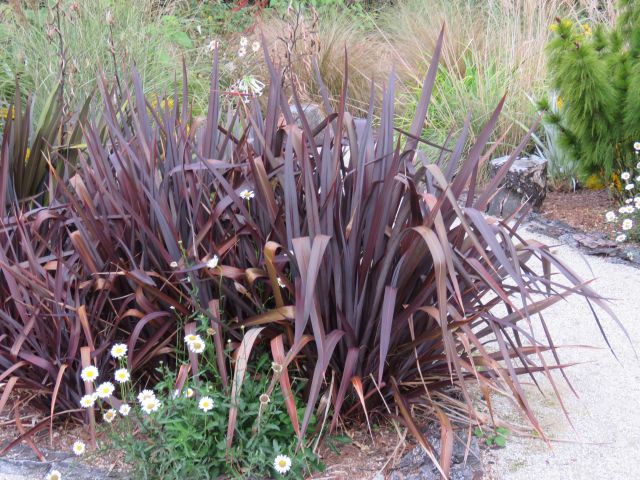
I have used some of the newer burgundy to black phormiums in the new Court Garden

Felix went on to breed with astelias and cordylines in preference to the phormiums and Cordyline ‘Red Fountain’ continues to be very successful internationally. It is likely that in total numbers produced, sold and grown, ‘Yellow Wave’ eclipses that and we have often seen it growing overseas. I just did not expect to see it on Coronation Street.

When 1+1 equal more that 2. Magnolia parents and offspring.

I added a postscript to last week’s post about blind pruning camellias. After comments on that post, I added in chainsaw pruning tips (cutting back overgrown camellias to ground level or just above) and a word of caution about hygiene with cutting tools. You can find it at the end of the post if you are contemplating more extreme, less refined pruning.

Today’s post is heavy on photos. Magnolia photos to celebrate the season. I haven’t sat down before and collated images to show the parents of our named cultivars, lined up alongside their progeny. When Felix started crossing magnolias back in the early 1960s, he wanted to see if he could get the cup and saucer flower form of M. campbellii, that would flower from a younger age, on plants that would stay smaller and with more colours.

Magnolia Mark Jury  with a larger, more robust flower and longer flowering season than either of its parents.

He didn’t start with many options. There were not many different magnolias available in NZ at the time – nothing like today’s range – but he had a unique tool in his kit. That was the magnolia he named for his youngest son, Mark Jury.

Magnolia sargentiana robusta on the left, ‘Lanarth’ on the right, the parents of ‘Mark Jury’

More Mark

‘Mark Jury’ came to him from Hillier Nurseries as a seedling of ‘Lanarth’ (M.campbellii var mollicomata ‘Lanarth’, to be precise), costing 18 shillings which was quite a lot back in the 1950s. When it flowered, it was not ‘Lanarth’. Discussions with Hilliers – slow discussions by hand-written letters as was the way back then – determined that it was most likely to be a cross between ‘Lanarth’ and M. sargentiana robusta. It proved to be an important breeder parent for him.
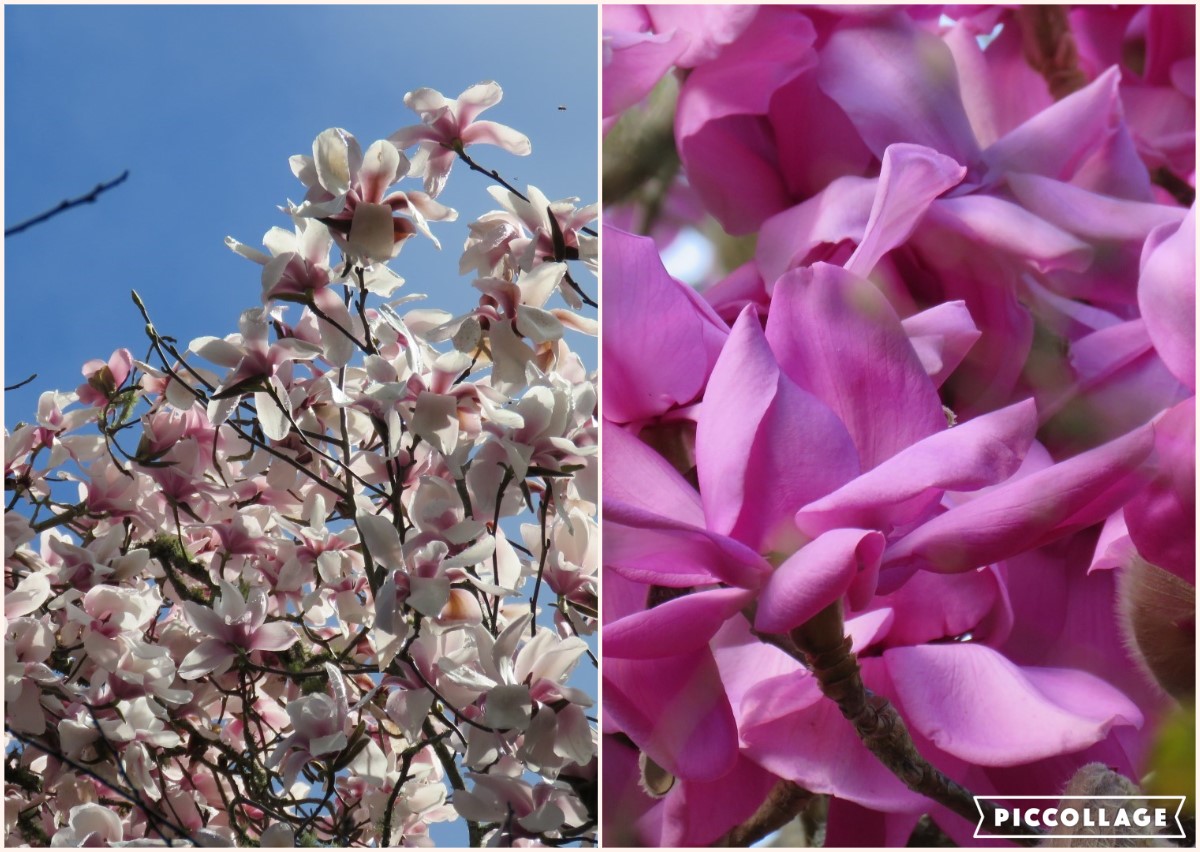
Magnolia ‘Lennei’ alba crossed onto ‘Mark Jury’ was one of his first efforts. (For the technically minded, ‘Lennei’ is more correctly M. X soulangeana ‘Lennei’, itself a cross of M.denudata and M.liliiflora).
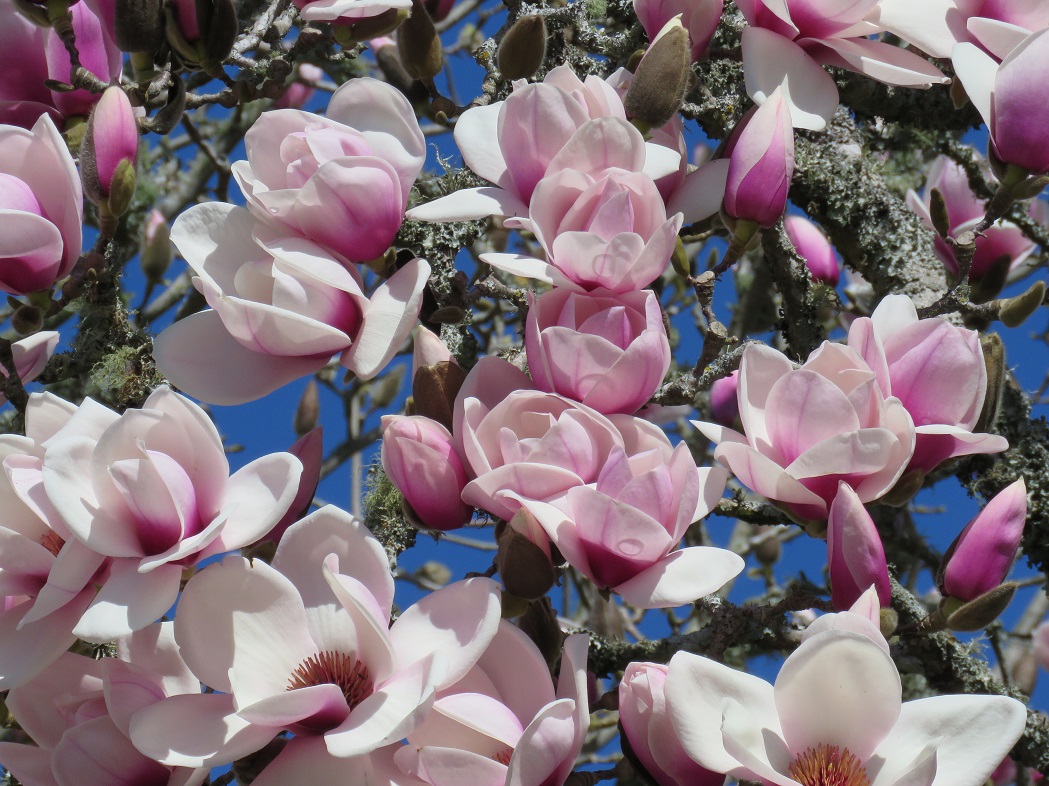
It resulted in the beautiful ‘Athene’

‘Lotus’

and ‘Milky Way’.

Swapping to the pink form of ‘Lennei’ crossed on to ‘Mark Jury’, he raised and named
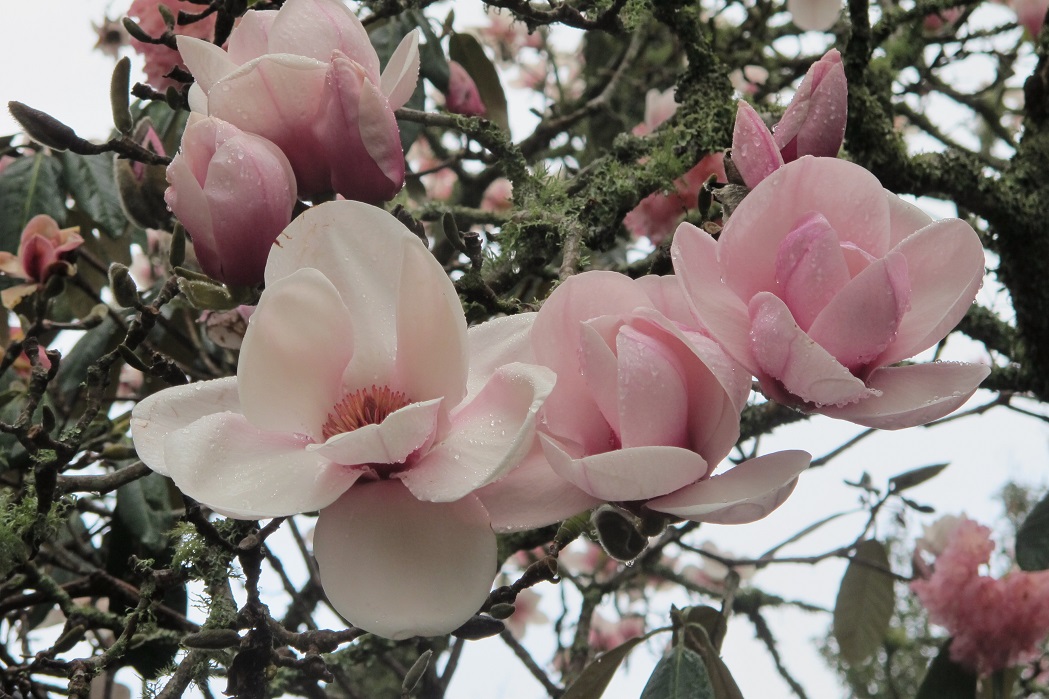
Atlas

and Iolanthe. This particular cultivar is one of the enduring stars in Felix’s collection.
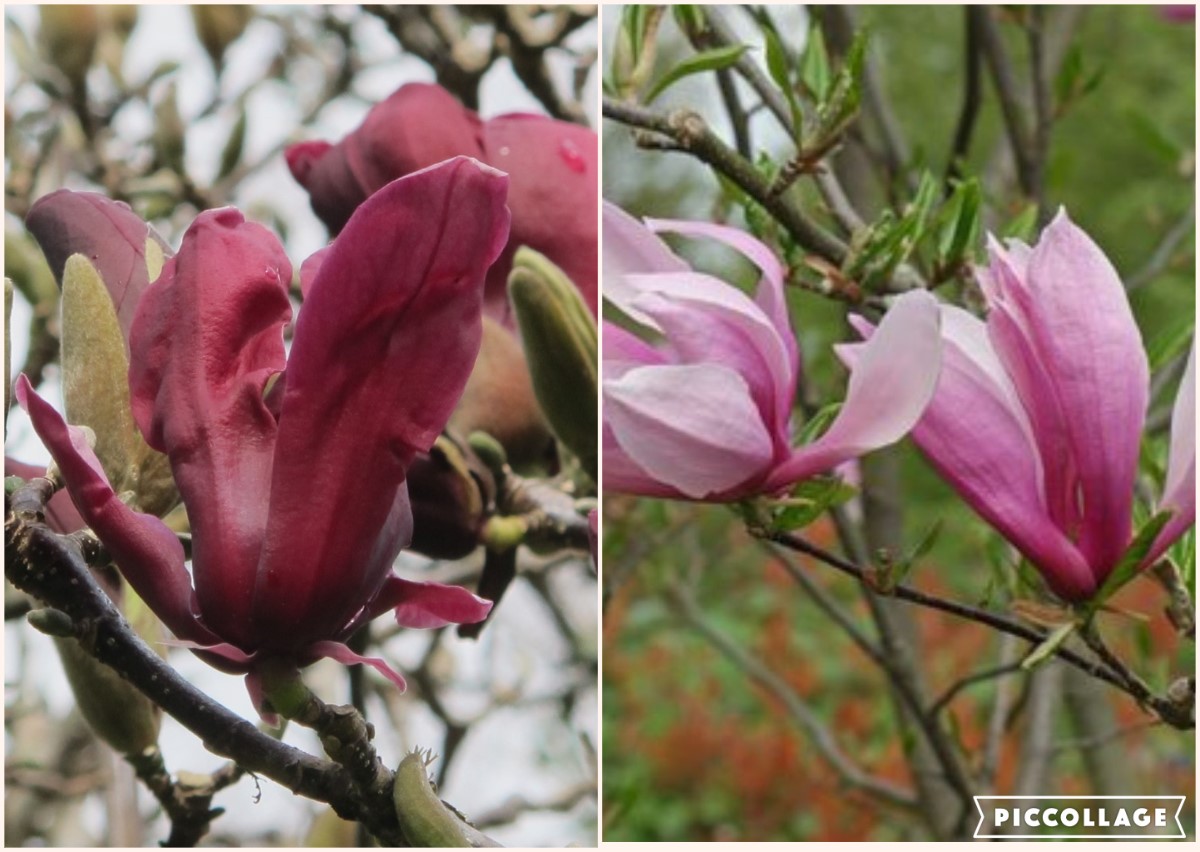
The picture on his use of M.liliiflora is not as clear. He had the dark form of M. liliiflora ‘Nigra’, a paler pink form of the same species and, it seems, a liliiflora hybrid in the garden and over time, he grew somewhat hazy in his recollections of which plant in the garden he used for which cross. One or other form of M liliiflora crossed with ‘Lanarth’ gave two notable results.
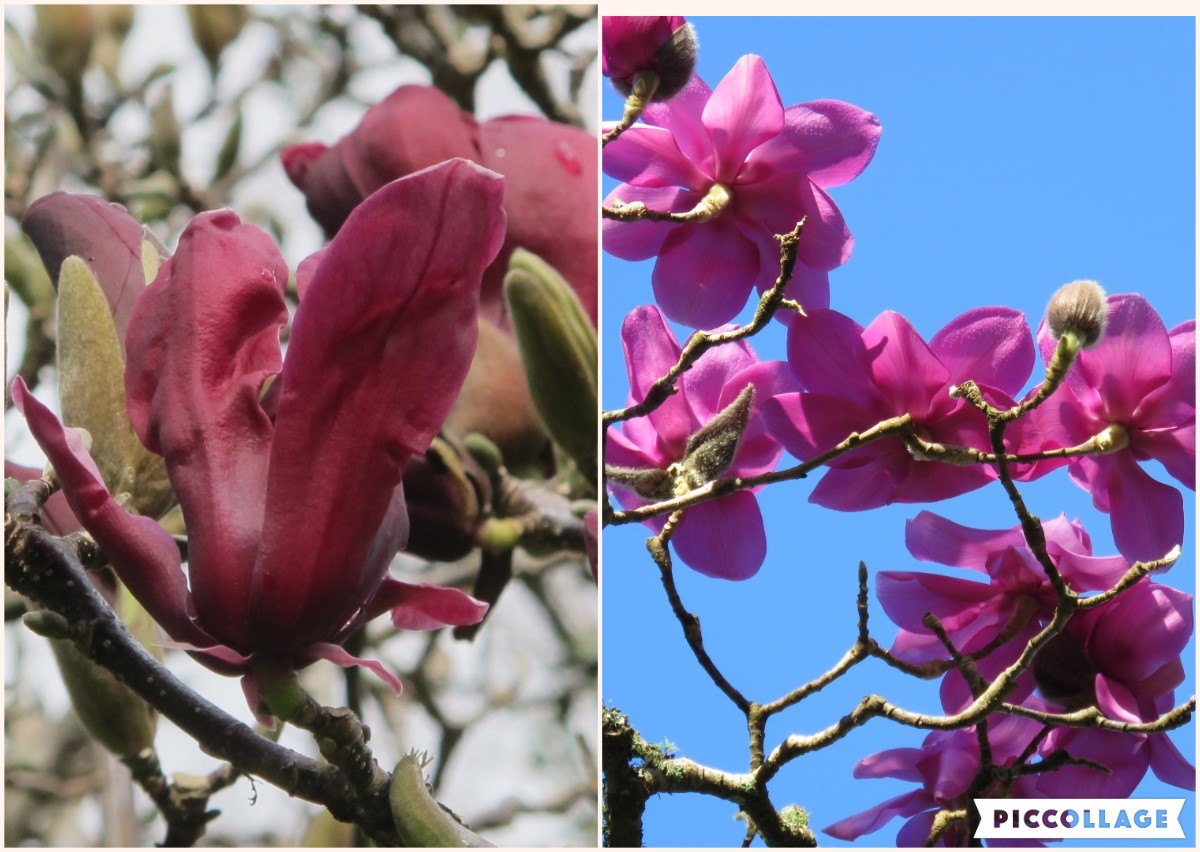
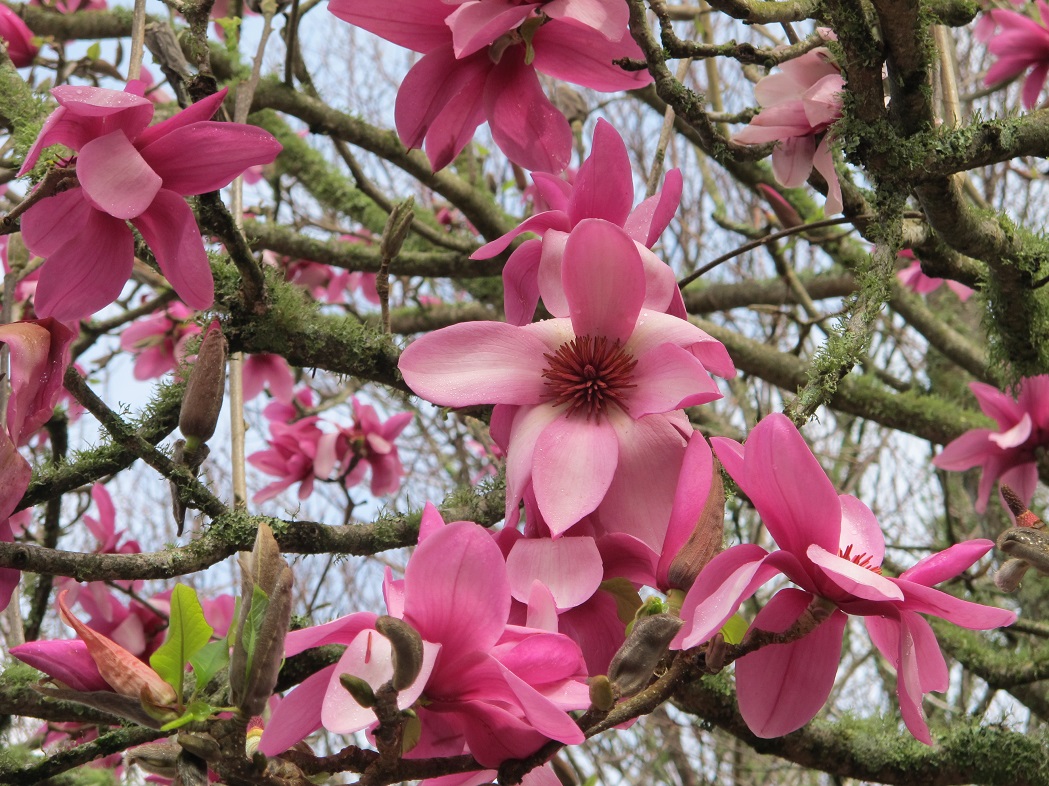
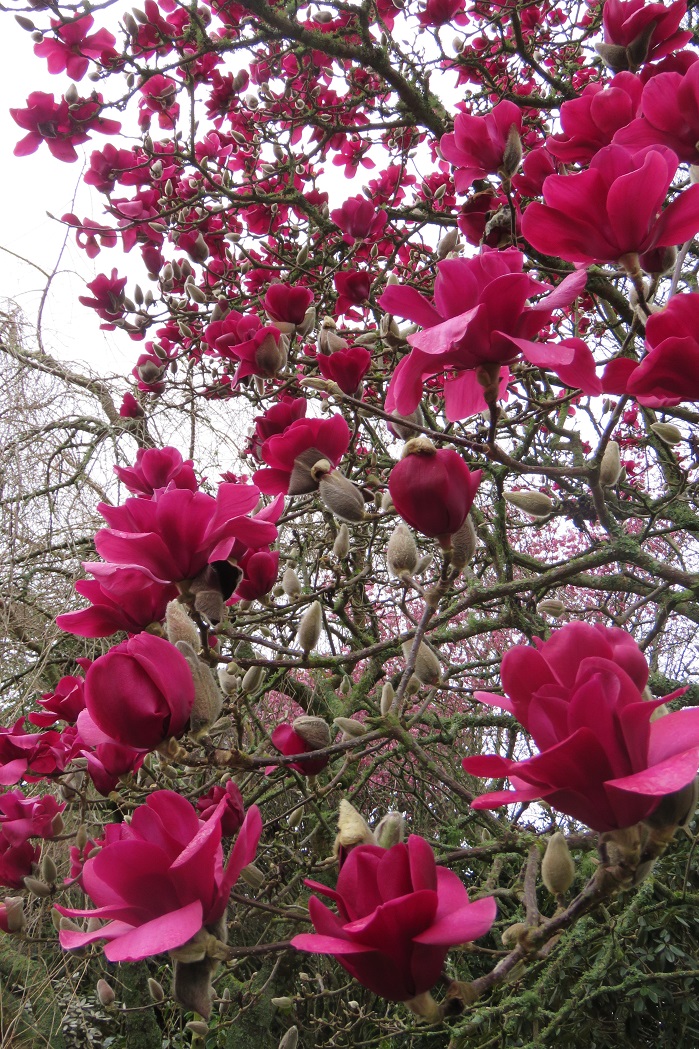
The first was ‘Apollo’.

The second was the colour breakthrough in ‘Vulcan’ that paved the way for a multitude of magnolias into the future, getting to the red tones.
Again, an unspecified form of M.liliifora but crossed this time on his old favourite ‘Mark Jury’ resulted in one named cultivar of note.
Magnolia ‘Serene’.

When Mark moved in to the next generation, starting by using Felix’s hybrids, it was his cross between ‘Atlas’ and ‘Vulcan’ that closed the circle his father started.

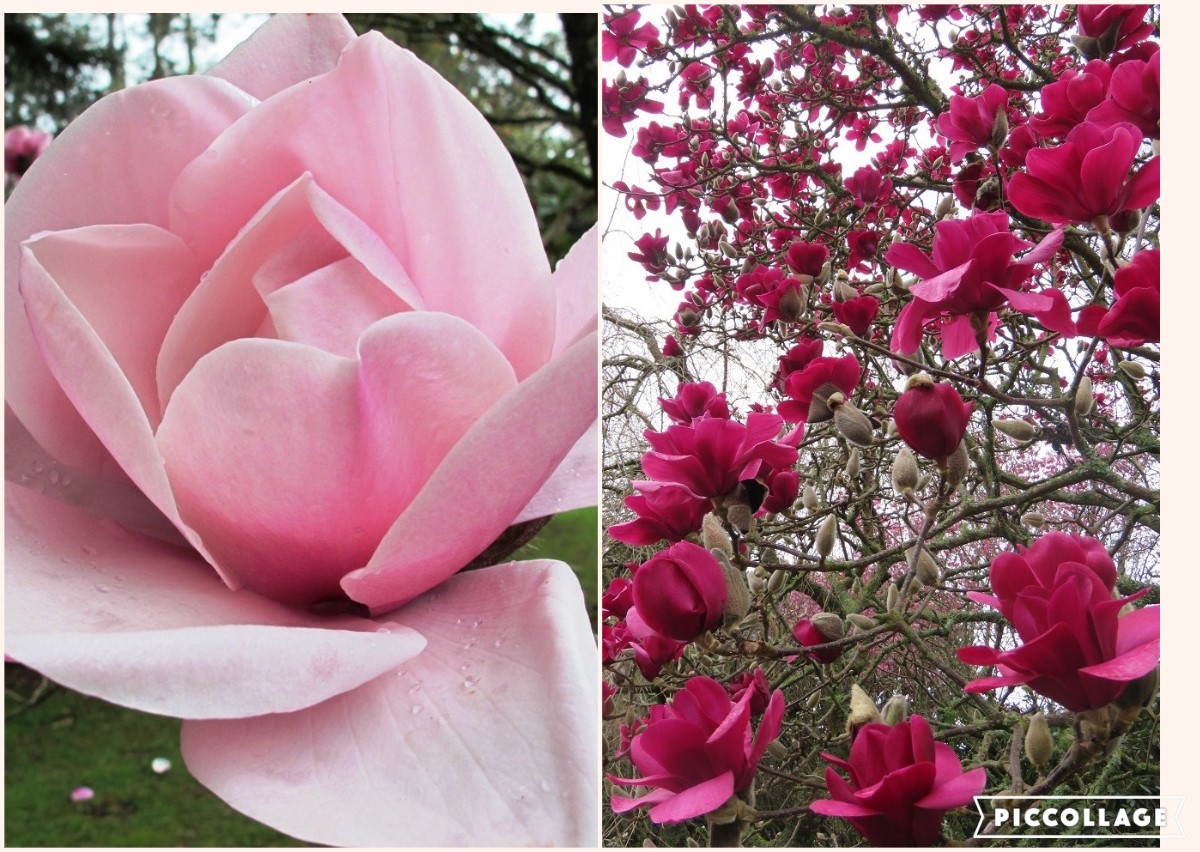
Magnolia ‘Felix Jury’ was what Felix had been wanting to see if he could reach and he lived long enough to see it happen. It does of course have ‘Mark Jury’ in its parentage through ‘Atlas’. To be honest, the flowers do not always look this red. I took this photo last week and we admit that it is ‘Felix’ at its most sublime.

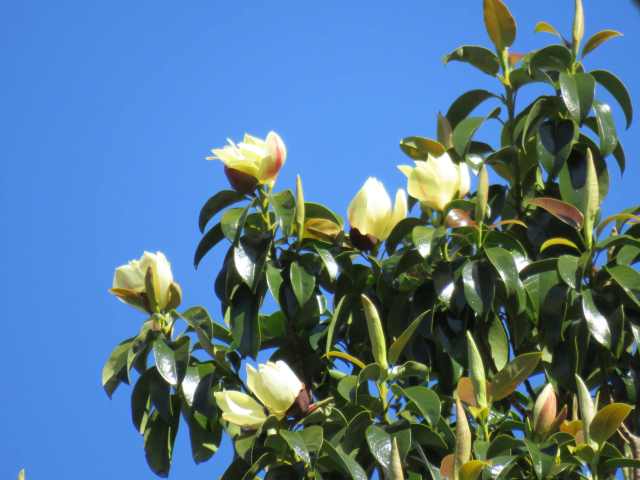
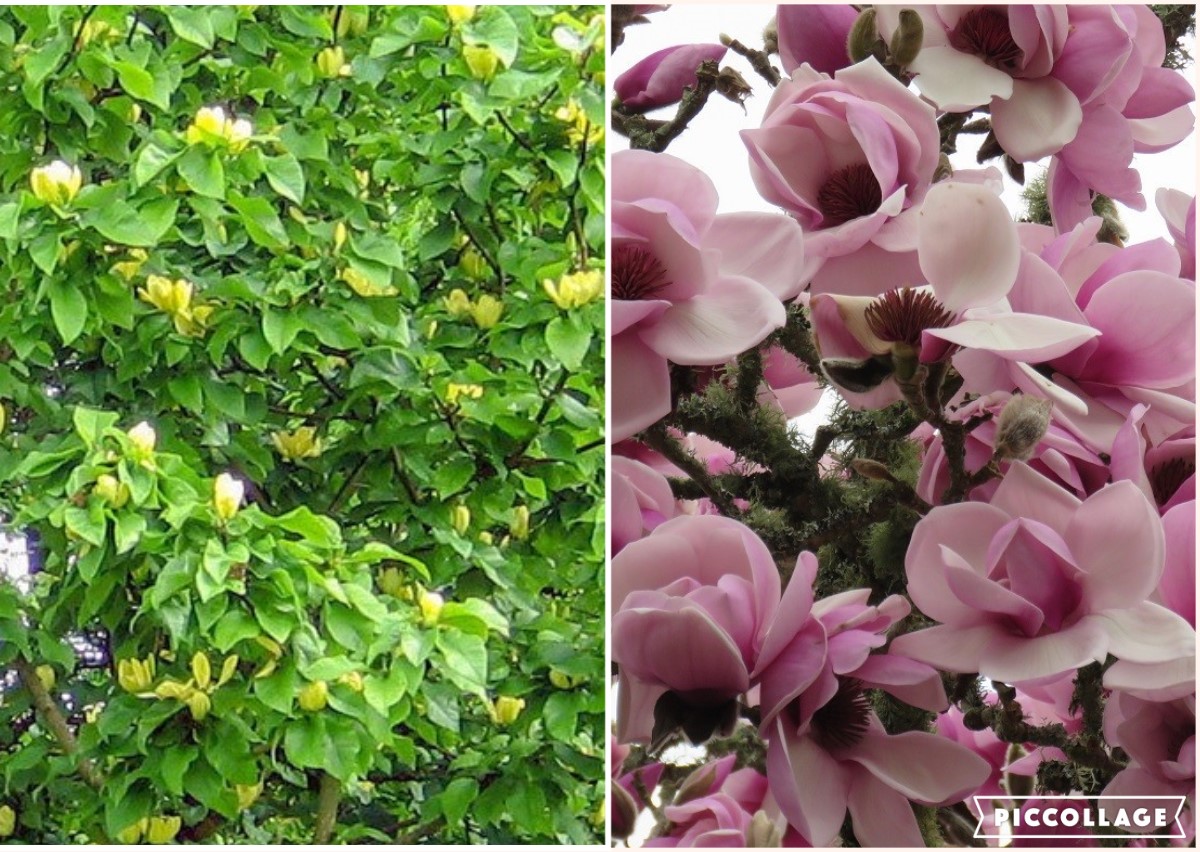
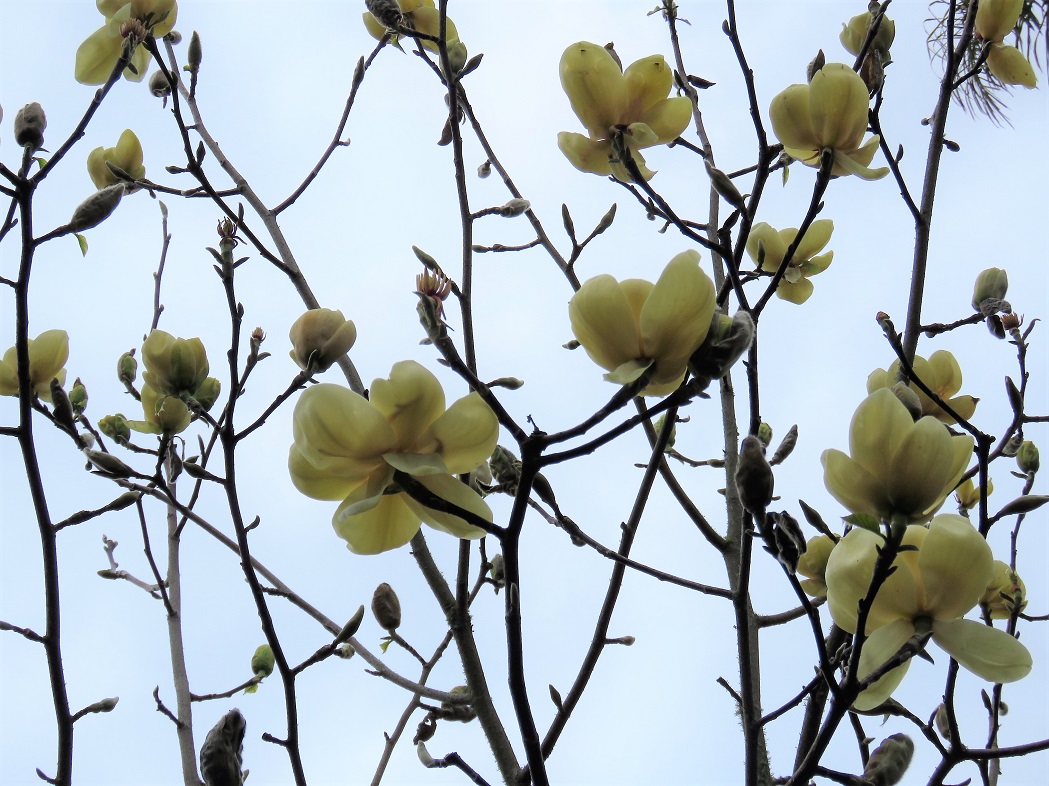
Mark has had one notable success with his yellow crosses – ‘Yellow Bird’ with ‘Iolanthe’. ‘Yellow Bird’ is not evergreen – it just flowers at the same time as its new leaves appear in our climate and its flowers are small but a good colour. He was pleased to get a smaller growing tree that flowers on bare wood and that has been named ‘Honey Tulip.

‘Honey Tulip’ is a good stepping stone. Mark’s dream is to get the equivalent of ‘Iolanthe’ – a large cup and saucer bloom in pure yellow. Whether he has enough years left to achieve this is as yet unknown. It may fall to the next generation of hybridists to realise that vision.