
Building, not burning.
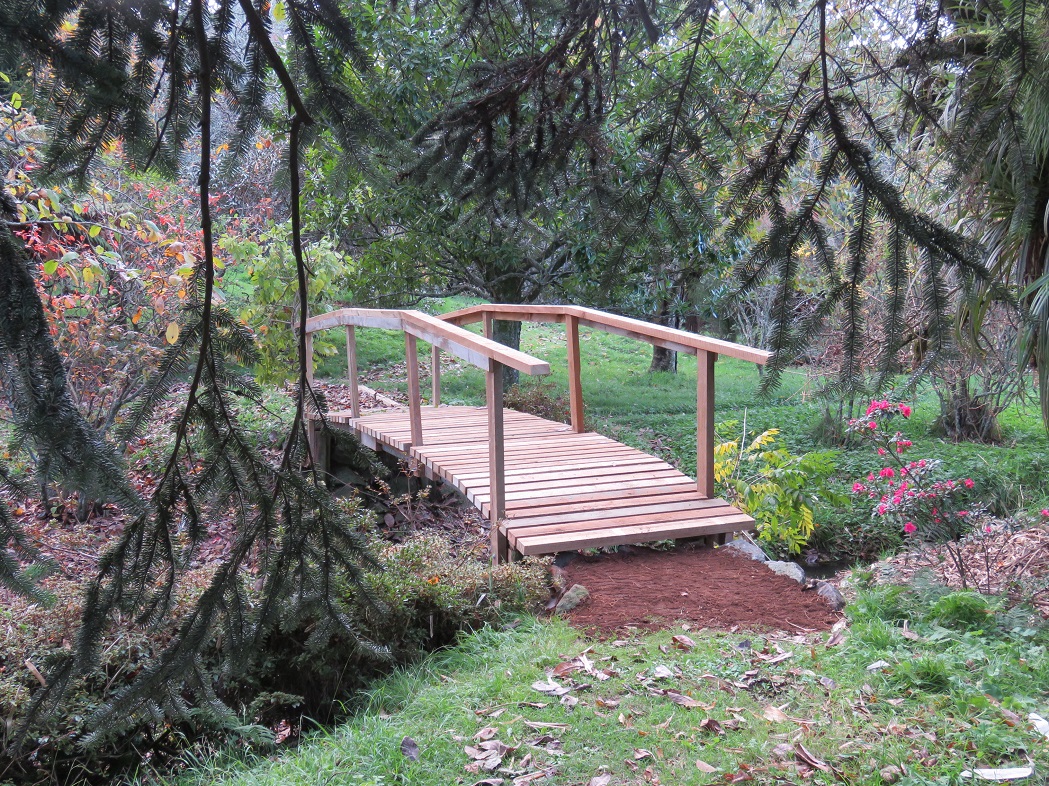
Lloyd has been busy in the Wild North Garden. With a network of ponds and natural springs, we need bridges if anybody other than ourselves is to venture round.
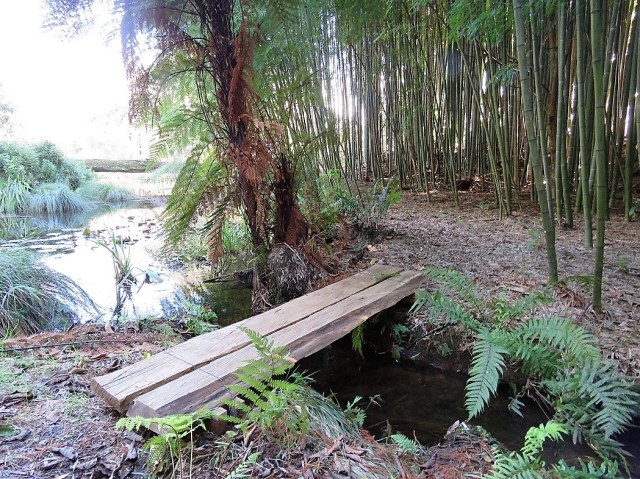
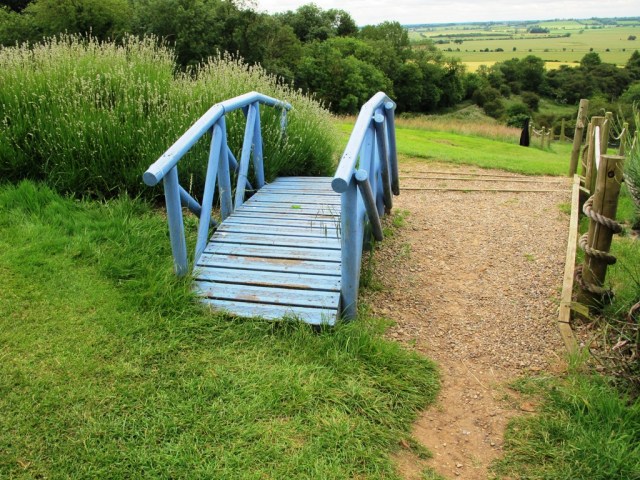
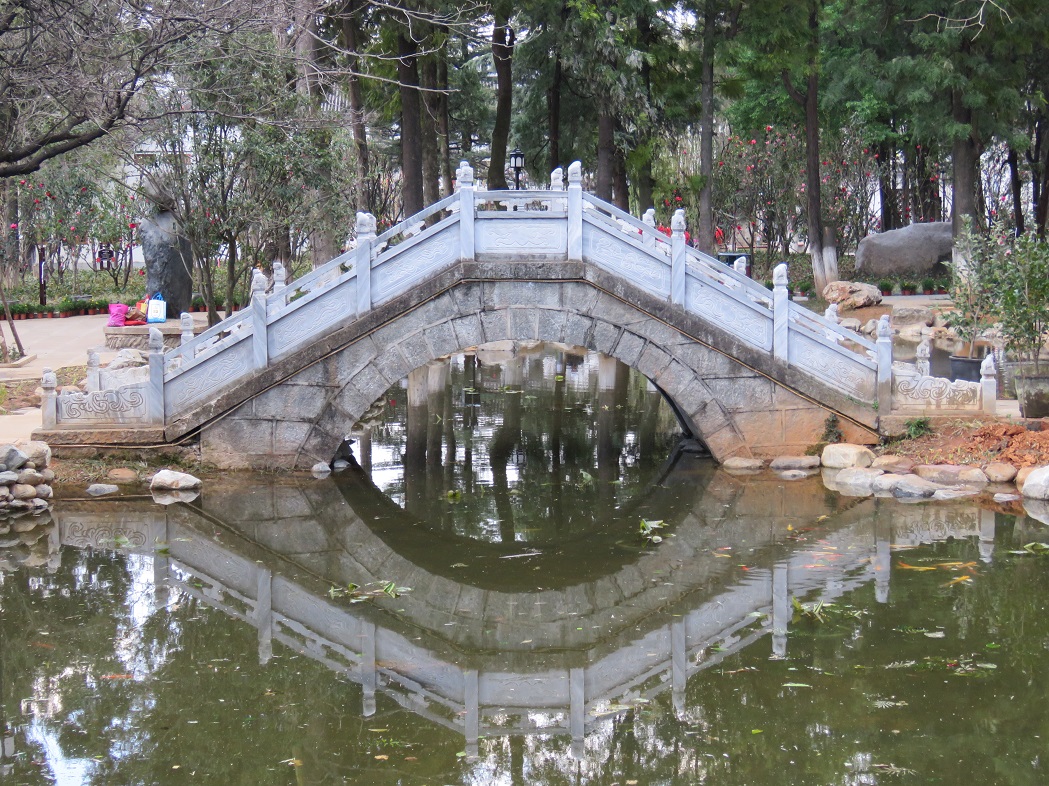
Most of our bridges are simple affairs. Because we can get flooding, they need to be secured and stable but are we certainly not building dinky humpback bridges with a nod to Japan and China. They are very popular, I have noticed, in other people’s gardens.
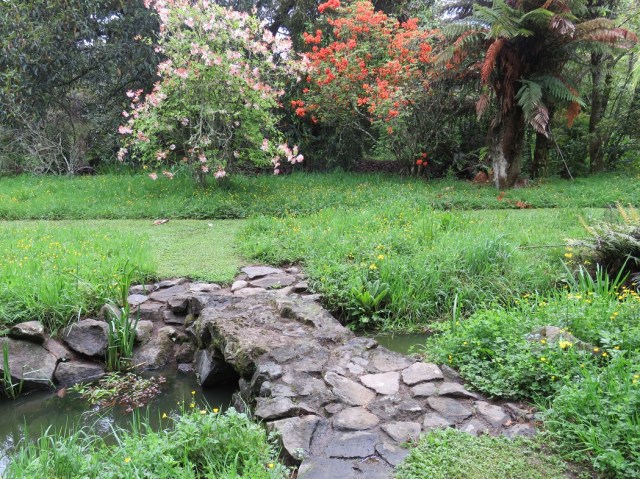
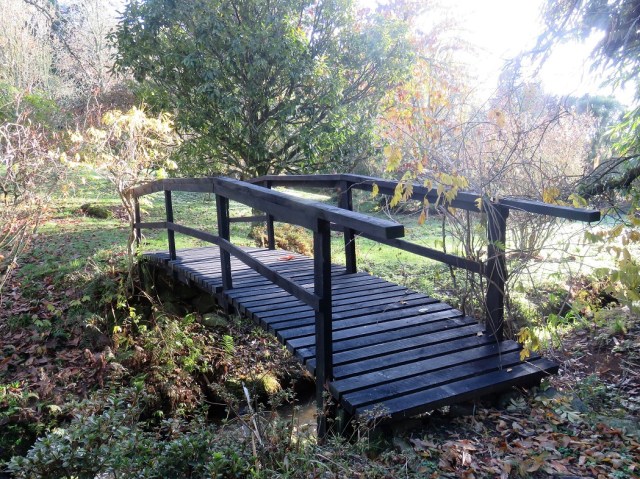
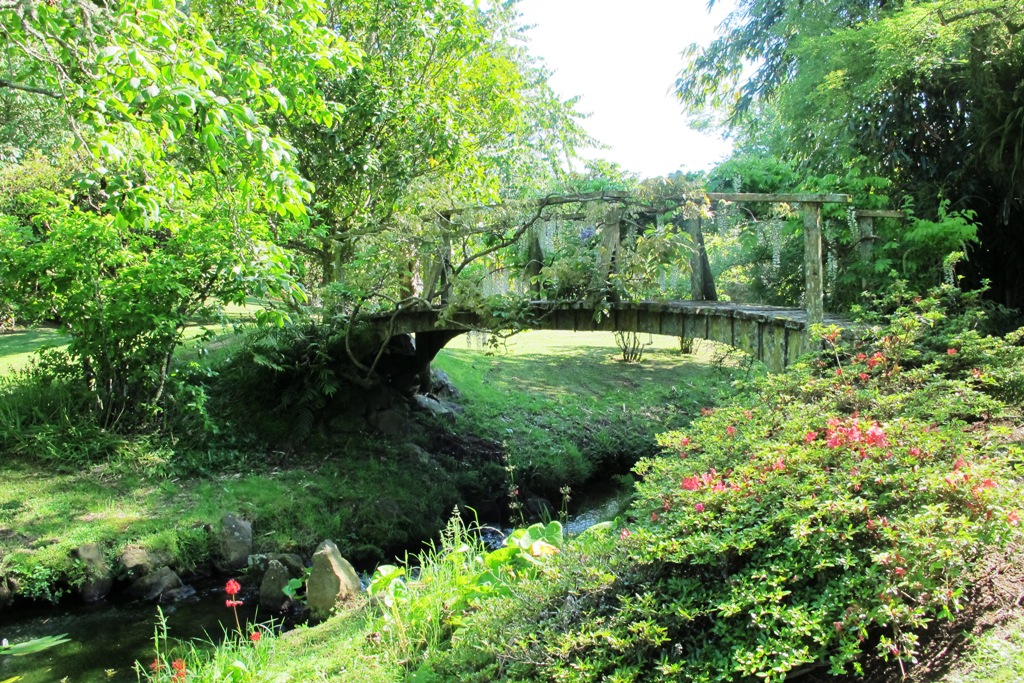
In the days when we were a bit more ambitious about opening to the public, we put two bridges in the park which were conceived as features. What we call the high bridge or the wisteria bridge is constructed on an old truck chassis that had been galvanised to protect it from rust. It is not visible, but that is what is holding the bridge timbers securely. Both it and the stone bridge were constructed by a hyperactive and obliging German engineer who was spending some time in New Zealand.
If you are building a bridge from scratch, may I recommend staining it from the start, rather than painting it? That is, if you don’t want to leave the timber in its natural state. Stain tends to age more gracefully than paint. Repainting a bridge regularly, let alone the preparation work necessary for getting the fresh paint to adhere, does not sound fun to me. We stained the new timbers on the high bridge because we had to replace the weathered timber with tanalised pine and I am not a fan of the look of tanalised pine.
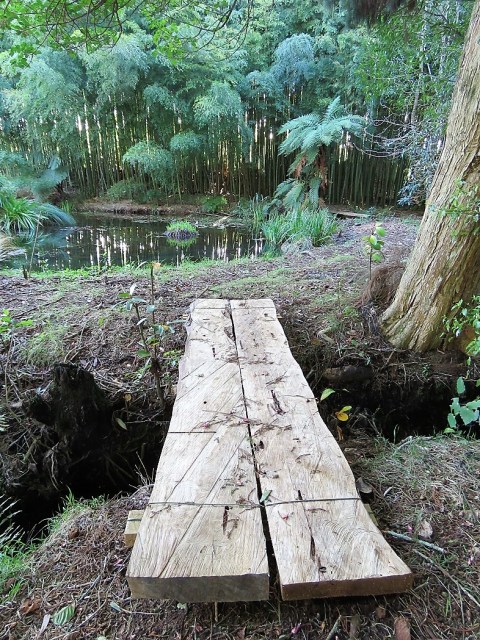
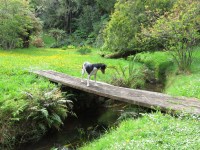
The other three bridges – yes, we have five down in the park – are definitely more rustic. It is that simple construction that Lloyd is repeating on three of the four new bridges we need in the Wild North Garden. He drives wooden piles into the ground, secures cross bars to the piles and then attaches rough sawn timber to those cross bars, also wiring the boards together so that if one comes loose, the other may hold it in a flood situation. In a life rich with sheds, we have various lengths of interesting timber stored for the day we may need them, like now. Being rough sawn, they don’t get as slippery as finished timber but he has wrapped one or two down in the park in chicken netting, secured beneath, to reduce slip hazards.

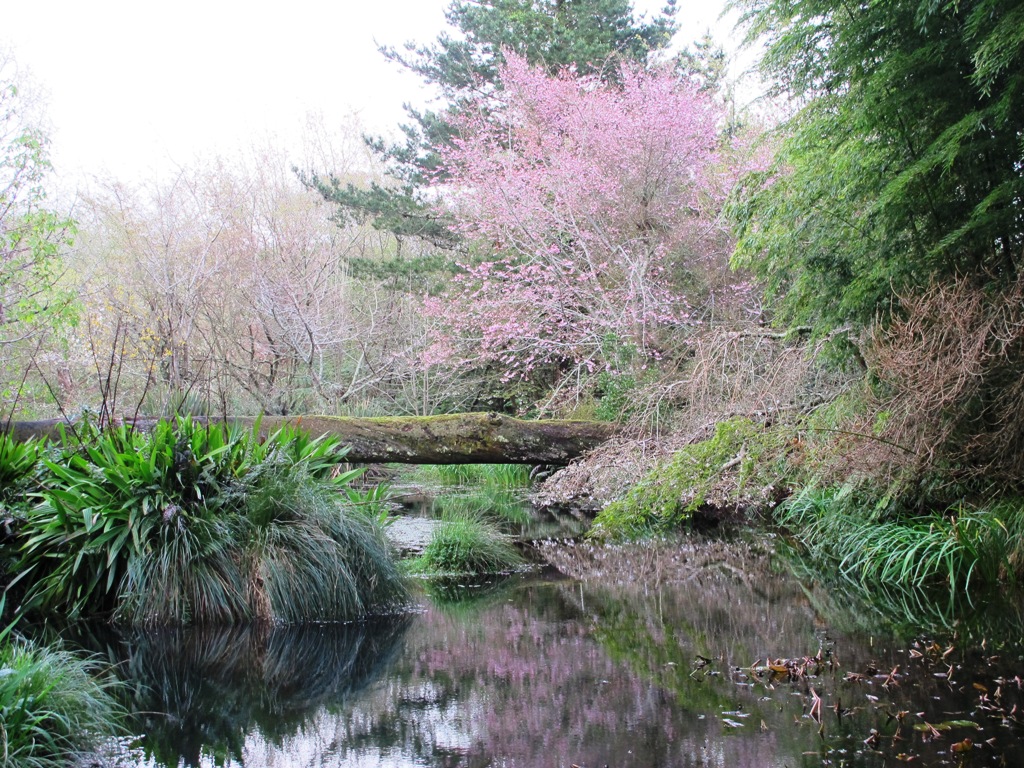
The fourth new bridge is more of a conundrum. When Mark first started working in that area, he had three large tree logs placed where he wanted bridges. His plan was to get somebody with a large chainsaw in to carve a flattish walkway into the trunks and to add side railings. That was 20 years ago and two of those trunks are no longer sound enough to work on. They can just gently moulder away. The third one is still remarkably sound and is in exactly the right place for a bridge but it no longer seems a good plan to chainsaw into the old trunk. It will open it up to rot all too quickly. Mark hopes that it will be possible to construct a timber frame and attach it to the trunk and then secure bridge timbers – walking planks – and side rails to that frame. Watch this space. Lloyd is a practical and experienced man. If it can’t be made to work, he will tell us. If it can, we will have a bridge that is more of a feature than a utility crossing.
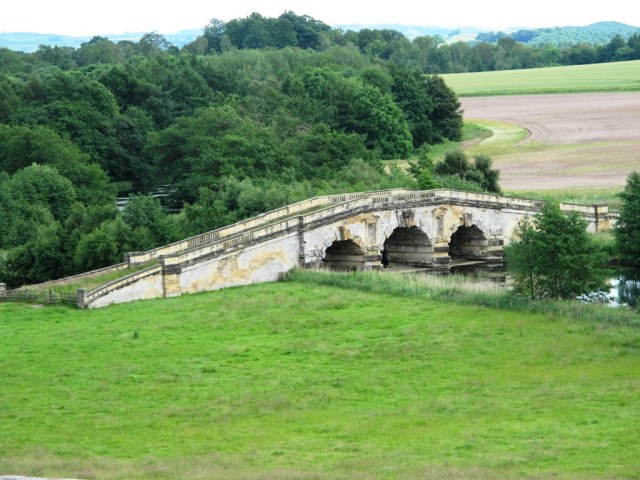
Beware of using bridges as pointless garden features. Or, if you are going to make a bridge to nowhere, make it a BIG one. I give you two examples, both from Yorkshire in the UK, oddly enough.
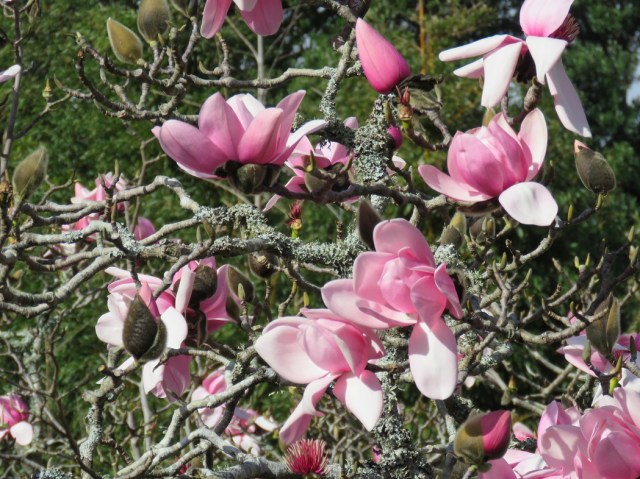
Finally, may I urge local readers to take time out to admire the stand of Magnolia campbellii down in the gully in Powderham Street, opposite the condemned parking building (or beside the liquor store, if that is a better locator for you). Or just along from this view of the windy wand.

In our garden, our eyes are so often trained upwards to look at magnolia flowers on the tops of mature trees so it has a certain novelty looking into huge magnolias in bloom at eye level. That is the effect you can get when you plant in a gully.


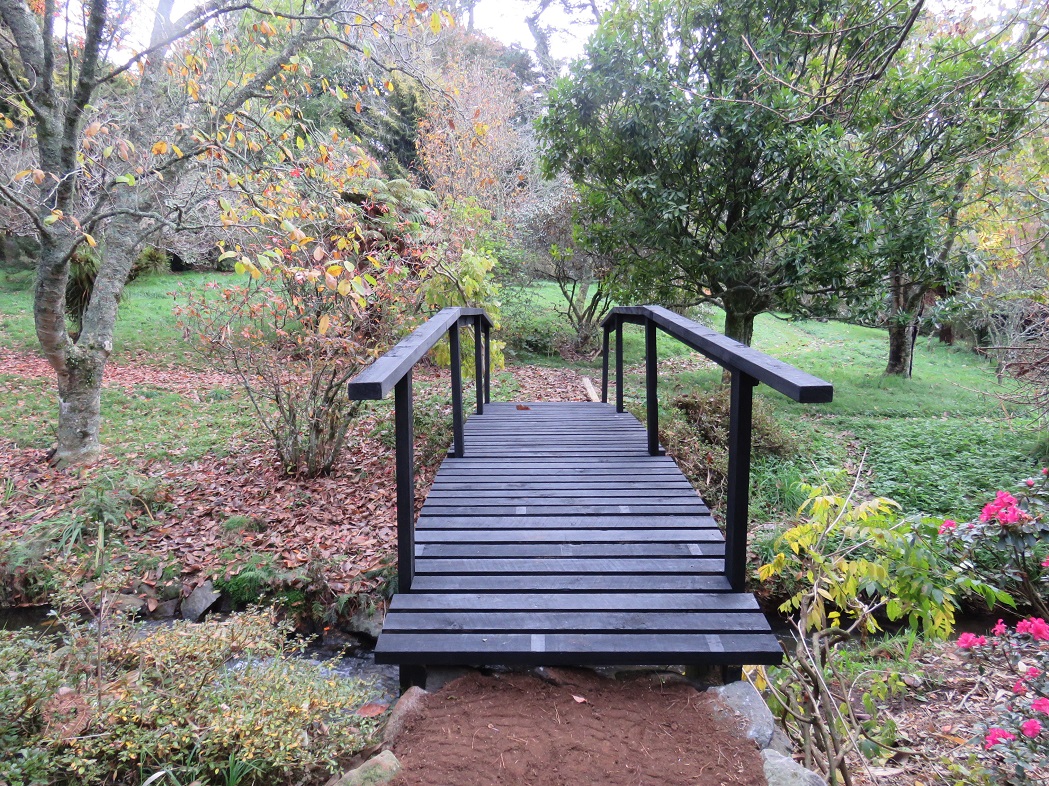
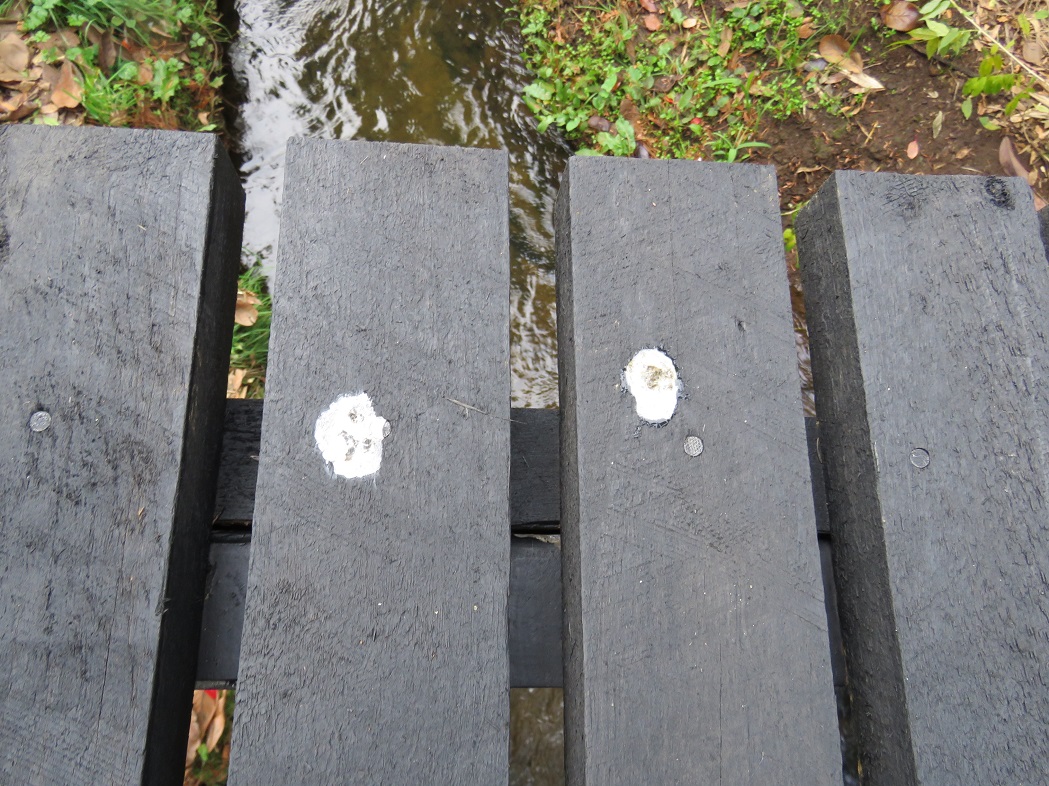 I hadn’t factored in the rather stark contrast of bird poop on the black surface but I am sure it will all find its natural balance over time. We have yet to tie the wisteria canes back in and that, too, will soften the sharp black lines. And one of the wisterias is white ‘Snow Showers’ so that will distract from the bird poop when it is flowering.
 Monet’s garden in Giverny has probably given us the most recognisable garden bridges – gently arching in form and painted. While originally Japanese in inspiration, Monet gets all the credit these days.
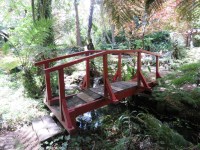
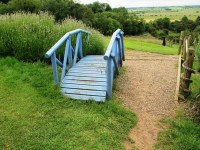
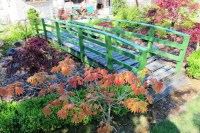

 Away from the domesticity of Monet-style, I photographed this handsome, apparently disused bridge at Castle Howard in Yorkshire. What a handsome landscape feature it is, though I failed to find out the story behind its construction.
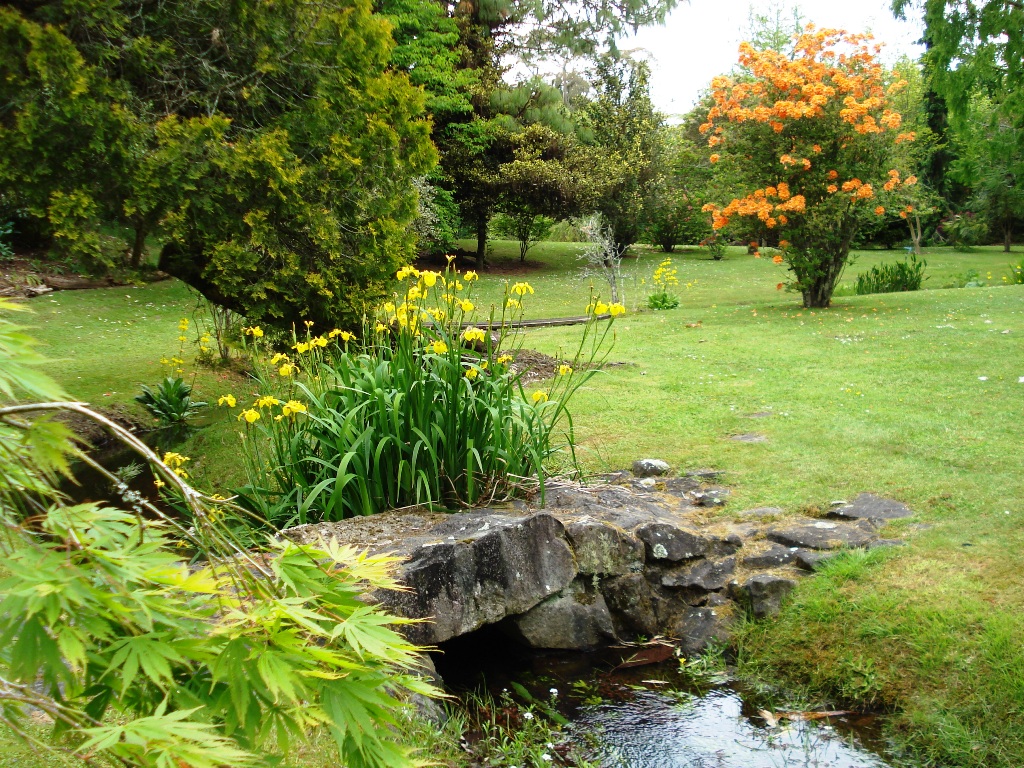 We have a small stone bridge in our park, modest in scale though perfectly functional and gently permanent in its visual appeal.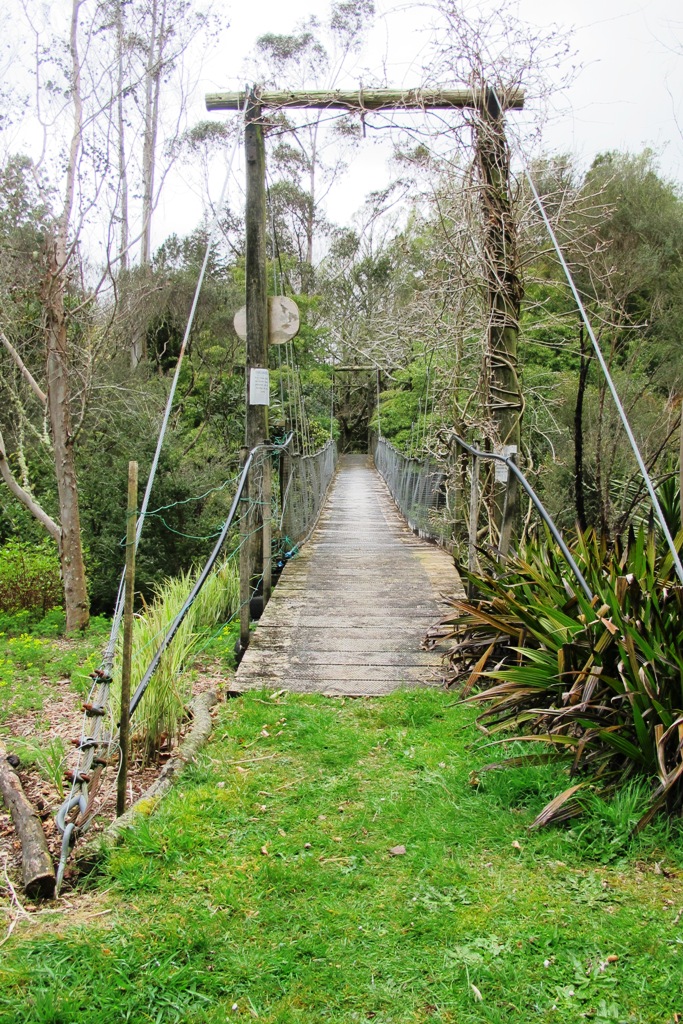


 Tikorangi The Jury Garden