Tag Archives: garden diary

In the garden this week: March 25, 2011

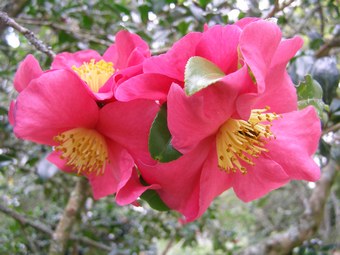
The first of the autumn camellias - sasanqua Crimson King

The first of the autumn camellias - sasanqua Crimson King

* Autumn is here. The first of the sasanqua camellias and the early flowering species have opened blooms. These early flowering camellias escape the ravages of camellia petal blight which will strike in June.

* You can sow annuals now to get good displays in early spring. Cineraria, snapdragons, pansies, poppies along with many other options are all much cheaper if you just buy a packet of seed and take the trouble to raise your own. It is best to sow into seed trays to get them started rather than the lazy option of broadcasting seed on the garden. With most of these, if you take the trouble to get them started once and then let them seed down, they will keep returning in future seasons as long as you are not too ruthless with the weed spray or push hoe.

* Most main crop potatoes are ready to be dug now. Get on to it straight away if your plants are looking blighted – the blight travels down the stem into the tubers and you can easily lose some of your crop. We hose our potatoes clean, sort out any damaged ones to eat first, dry them off and pack in opaque sacks for longer term storage in a dark and dry area.

* If you are planting leafy greens (and with the current price of lettuces at the supermarket, you should be), remember that plants with lots of top leafy growth are the hungriest feeders so benefit from added fertiliser, compost or rotted animal manures.

* With cooler weather, you can be dividing clumping perennials. Astelias, flaxes and grasses are better with autumn divisions because they can re-establish themselves before the chill of winter stops growth. You need to chop back the foliage by half to two thirds to reduce stress on the freshly divided pieces. A level cut with a sharp spade is the most usual approach or you can carefully cut out at least every second leaf at the base if you don’t want the shorn, Mohican look all winter. Clivias are tough, resilient plants which can be divided pretty well any time but now is good.
In the Garden this week: March 18, 2011

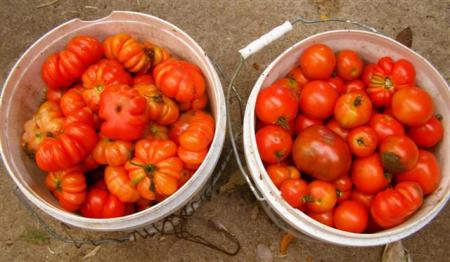
Freezing surplus tomatoes

Freezing surplus tomatoes

• Now that the heat of summer has passed and we are getting into autumn, you can be thinking about planting woody trees and shrubs. Novice gardeners get inspired in spring but more experienced gardeners know that mid autumn is an optimum planting time. It gives plants a chance to get their roots established before the spring flush and the threat of a dry summer. Hedges, specimen trees, avenues and orchards – start frequenting your favourite garden centres to see what they have available. There is no rush. You are better to plant when we have had a few days of good rain and there is a six to eight week spell of good autumn planting weather.

• Garden centres are advertising spring bulbs. Remember when planting bulbs that most do not need super rich soils. Good drainage is the critical aspect so they don’t rot out when dormant. Light, friable soils are more hospitable than great clods of dirt but lay off the fertilisers. Digging in some leaf mulch or a little compost is all that most bulbs require. In the wild, many bulbs have evolved to survive in quite difficult conditions and mollycoddling can result in too much leafy growth to the detriment of flowers.

• You can do autumn cuttings of plants like fuchsias, pelargoniums, vireya rhododendrons and perennials which don’t clump so need to be increased by cuttings – dianthus (pinks), oenothera (evening primrose), erysimum (wallflowers) and the like. These types of plants root easily and don’t generally need rooting hormone. Use firm wood from this season’s growth and reduce the leaves by about half to stop the cutting drying out too quickly.

• You have pretty much missed the boat now on sowing root crops for winter because they need a longer growing season. If you have space, you could try carrots but they will only make baby grade. However, you are fine to continue planting brassicas, Florence fennel (finocchio), peas, winter spinach, winter lettuce and quick maturing Asian greens.

• If you have an abundance of tomatoes, we have found the easiest way yet to prepare them for freezing. Wash them, cut out any damaged bits and the central stem area. Pile them into big roasting dishes and bake in the oven until cooked. Cool. Drain off the clear liquid (tasty as juice or frozen for soups). Pull off the skins which are now very loose. Freeze in small containers. They become concentrated and ideal for using later in the year.

• As long as you can get a hosepipe within reach, it should safe to sow new lawns after the next good rain.

In the Garden: March 11, 2011

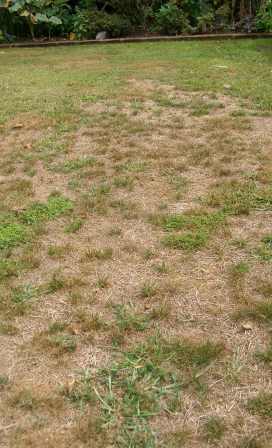
Time to think about lawn renovation

Time to think about lawn renovation

• Early autumn is a good time to do a fertilising round. Give priority to deciduous plants. Fed at this time, the plant will gain the benefit and strengthen itself before it goes dormant for winter. Certainly feed all fruit trees – when you are cropping and pruning plants, you are interfering with their usual routine of maintaining themselves so they need a bit of help. You can use cheap and cheerful, general purpose fertilisers for this task – blood and bone, Bioboost, Nitrophoska Blue and similar. Compost is a good, natural food.

• As you harvest summer vegetables, if you have areas you don’t want to use for winter cropping, sow a green crop. Lupin, oats and ryegrass are good options for this time of the year. Green crops will be dug into the ground in early spring. Their purpose is to replenish the soil. They also help to keep the place looking more cared for – without green crops, the weed invasion to bare soil will be considerably worse.

• It is really important to keep up the succession of planting winter crops – another few plants of all the brassicas, some more leafy greens of the winter lettuce, winter spinach types, even peas and more Florence fennel. It is a bit early for broad beans yet – wait until May.

• The basic rules of crop rotation are the green crop followed by the greedy feeders like potatoes, corn and cucurbits. Next come the leafy greens and brassicas and last are the root crops (carrots, parsnips etc) because they don’t like to grow in recently fertilised soils. Crop rotation is all round good practice in terms of reducing disease problems and keeping the soils in better condition – giving better harvests.

• Inland areas with chillier winters might like to do a light hedge pruning round now to keep the garden looking sharp. The trick of timing is to get it so the hedge just has a light flush of fresh growth before it stops growing for winter. In milder, coastal areas, leave the trim until later in April or you will end up needing to trim twice.

• Lawns, think lawns. Early autumn is a really good time to be over sowing existing lawns and laying new areas. The heat has gone out of the sun but there is still sufficient warmth and day length to get the seed germinating and started. Just make sure that the areas do not dry out if we get a longer spell without rain.

In the Garden: March 4, 2011

• It is now officially autumn, a much more favourable season for keen gardeners but it does bring a slight sense of melancholy to many. This is exacerbated by the national sense of shock at the Christchurch earthquake. Friends who are currently refugees from that fair city tell me that they knew that there was up and down movement as well as the more common sideways vibration because any plants in their garden which were not very well established with big root systems were thrust upwards, right out of the ground, like corks bursting out from a bottle of bubbly. Their former garden is littered with plants pushed up, tossed sideways and now lying some distance away. Sadly, that is the least of their problems but they found it an interesting phenomenon.

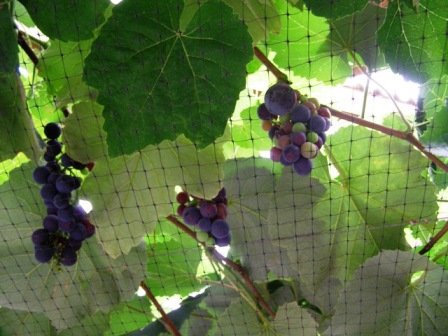
Cover grape vines urgently

Cover grape vines urgently

• If you have yet to cover your grapevines with bird netting, get onto it. Today. Otherwise you will have no crop because the birds will get there first. Even netted in, wily blackbirds will find the smallest opening but it does slow down the onslaught.

• With autumn rains threatening, harvest onions and pumpkins. It does not do them any good to be left out in the weather. Your garlic should have been gathered already.

• Most of the garden centres have their autumn bulbs in stock and the earlier you buy them, the better condition they will be in. If you are not ready to plant them, store them in the fridge but in paper bags, not plastic, so they can still breathe. Many bulbs appreciate that chill before being planted and it is recommended for anemones and ranunculus. Remember to plant anemones with the pointy side down and ranunculus with the claws down.

• Tulips are not easy to keep in our climate which is why mass displays of them are not common. Freshly purchased bulbs should give a wonderful display this spring but future seasons will be all downhill unless you live halfway up the mountain or in cold inland areas. They need winter chill to keep performing well. Even so, many of the spectacular displays in Europe depend on replanting every year and discarding the bulbs that have already flowered.

• Hyacinths are even worse in our climate which is a shame for such lovely flowers. Really, you have to see them as an annual here.

• Take out spent canes on raspberries. Next season’s crop comes on the new canes.

In the Garden: February 25, 2011

Impressed by the Japanese Black Trifele tomatoes

Impressed by the Japanese Black Trifele tomatoes

• There is not a whole lot you can be doing in the ornamental garden at this time of the year but history tells us that we will start cooling off within the next fortnight so enjoy the respite. Try at least to stop summer weeds from seeding to reduce next year’s crop. Snip the seed heads straight into a bucket and dispose of in the rubbish or burn them if you are in an area that allows fires.


• It is pretty much the last call for summer pruning of cherry trees. While you are about it, you may want to tidy up plums and peaches as they finish cropping.

• Mark has tried a relatively large assortment of tomato varieties this year but top of the popularity poll is Japanese Black Trifele. It is a curious dark tomato, more deep green and black than red so traditionalists may find it slightly disturbing but it more than makes up for that with good flavour, fleshy texture (rather than too juicy) and good production.

• You can save seed from most vegetables (we will be saving the tomato seed), confident that future crops will come true but with two provisos. Save the seed from the best specimen in the harvest, not some poor little weakling. The quality of future crops depends on the quality of the parent plant. And F1 hybrids will give very patchy results and don’t generally come true to the parent. F1 hybrid seed is the result of controlled pollination between two selected parents and was the origin of the super sweet corn we now take for granted and of some of the modern tomato cultivars. The only way of telling if you have F1 hybrids growing is from the original seed packet.

• Keep up the deadheading on summer flowering plants like dahlias and cosmos to extend the blooming season.

• Deadhead agapanthus by waterways and near native bush areas.

• Get the winter veg into the ground but plant brassicas in small numbers successively every month to avoid the common problem of a huge surplus of cabbages and cauliflowers all coming ready at the same time.