
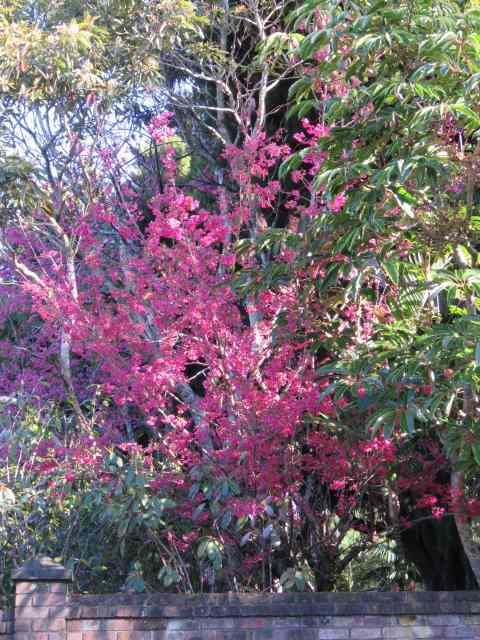
I received a phone call on Friday from a garden centre in another area. The caller wanted me to confirm that Prunus ‘Felix Jury’ was sterile. Their regional council had asked them to remove their plants from sale because they seed everywhere but their supplier had assured them it was sterile.
Reader, Prunus ‘Felix Jury’ is NOT sterile. The woman on the other end of the phone was perfectly pleasant and thorough and said she would immediately remove the remaining plants from sale. All credit to her.
I feel like I am shouting into the abyss when I say that Prunus ‘Felix Jury’ is not and never has been sterile. I have even written to a nursery and garden centre to advise them of this fact when I saw them advertising it as sterile. I was ignored. They are still advertising it as sterile. The original plant was raised here by Felix himself and it was Duncan and Davies Nursery who named it for him and put it into production. So it is a Jury plant but not one that we have any control over at all in the market place and Felix was never paid for it.
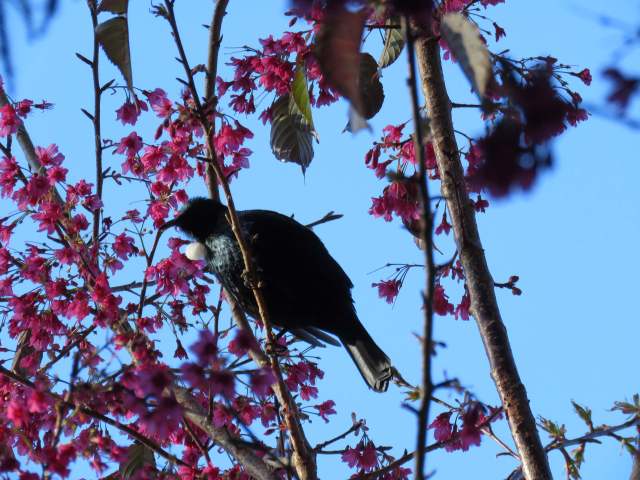
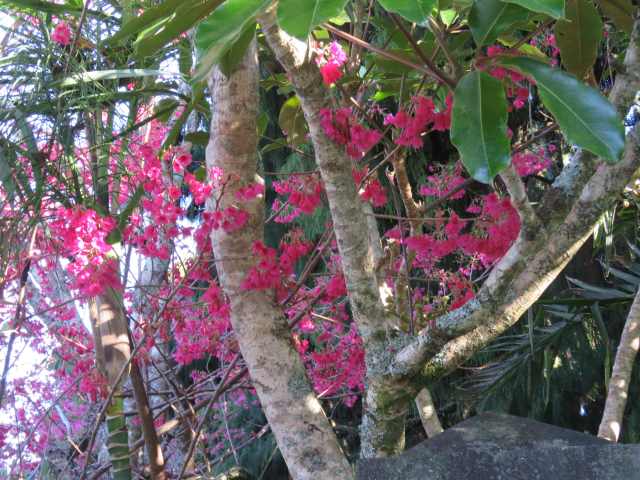
Times were different 50 years ago. We didn’t realise that campanulata cherries would become invasive weeds which are extremely difficult to eradicate because if you just cut them down, they grow again. The seed is spread far and wide by our native birds who eat the small cherries that form after flowering and excrete the inner pit or seed as they fly. Back then, they were just a pretty, flowering tree providing valuable food to tui, who adore them, in late winter. Now they are on the banned list – as in banned from sale, not banned entirely from gardens – in a number of areas and for good reason.
Once and for all: PRUNUS ‘FELIX JURY’ IS NOT STERILE.
If it was sterile, there wouldn’t be a problem because none of the seed is fertile so it can’t spread. The only Jury-bred campanulata hybrids that are sterile are ‘Pink Clouds’ and ‘Mimosa’ and they are sugar pink, not the carmine red of the campanulatas.
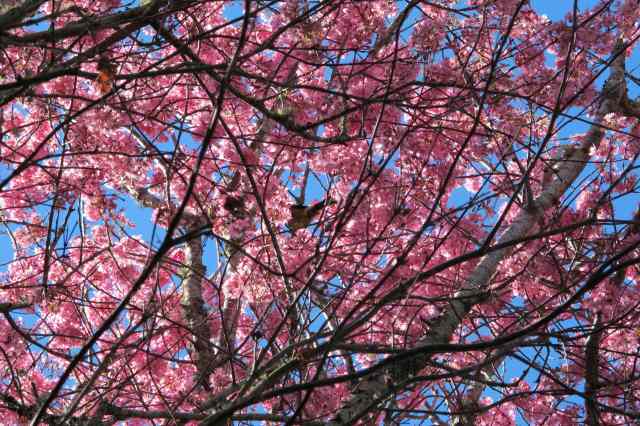
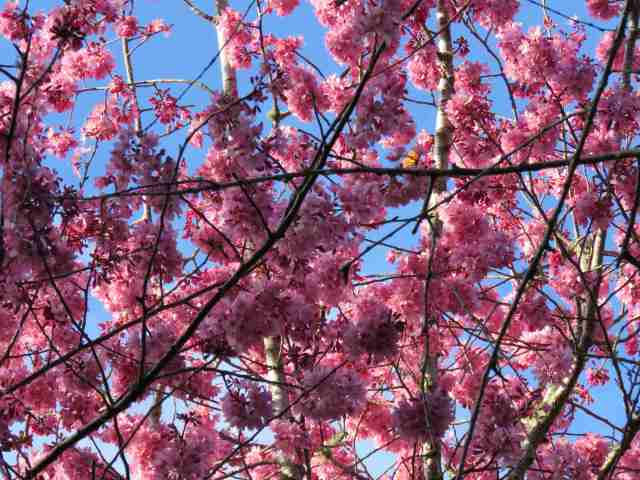
We haven’t cut out our campanulatas and seeding cherries… yet. We derive a great deal of pleasure from watching scores of tui making the trees dance with movement as they feed and then fly on to the next tree. Mark is making mutterings about them. I think it likely we will keep the trees in the areas we actively garden; we are vigilant weeders and constantly pull out seedlings at a very early stage. We can manage them. But the ones on the margins and in wilder areas where we don’t spot the seedlings until they are too large to pull out by hand may get the chop in the next few years. It will be a big job because not only do they get the chop but the stumps have to be poisoned to prevent regrowth.
I would be thinking twice before planting one and, were we still in the nursery trade, you can be sure we would no longer be selling them. Times change, knowledge grows and we need to recognise that and respond.
 Tikorangi The Jury Garden