
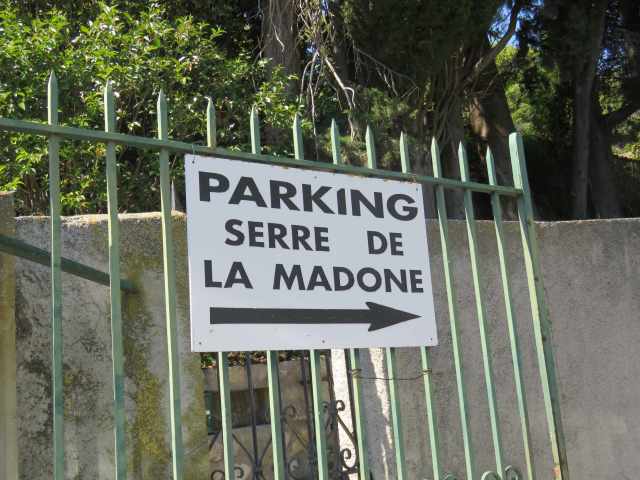
When I joined the tour of gardens of the French Riviera, I was particularly looking forward to seeing Serre de la Madone. It is the garden created from scratch by Major Lawrence Johnston, he whose main legacy is the renowned Hidcote Garden in Gloucestershire, UK. Serre de la Madone was his French retreat in the charming town of Menton.
When we made our one and only visit to Hidcote in 2009, it just blew us away. After several hours we walked out like stunned mullets. At the time, it was simply everything we aspired to for our own garden at Tikorangi except that we lacked major inherited wealth and ten gardeners. We have not been back on subsequent UK visits; in the years since, our garden aspirations changed and we never wanted to dilute the magic of that first visit by discovering that it was not, after all, how we remembered it. But I did want to see Johnston’s French garden, where he chose to spend most of his time in the last 30 years of his life.
Did it live up to my expectations? No. Not at all. Was I disappointed? Not really. As I get older, I get more philosophical and even the experience of something falling short can still be interesting. Hidcote is a large garden planted in a series of garden rooms so popular in the early 1900s, as also seen at Sissinghurst. Johnston sold it to Britain’s National Trust back in 1948 when he relocated full time to Menton and in the years since, Hidcote has had both money and skill lavished on it.
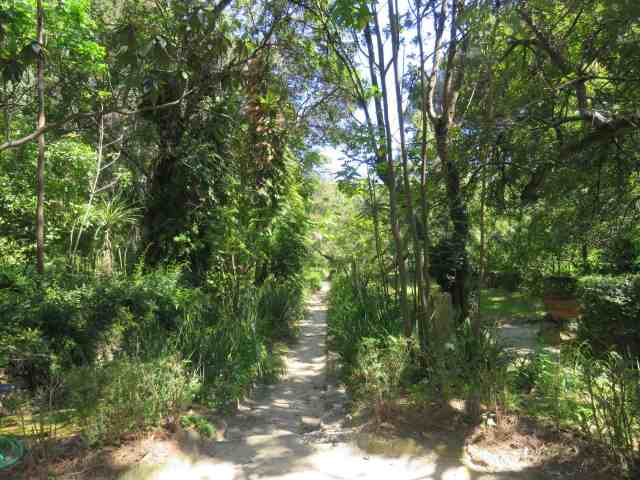
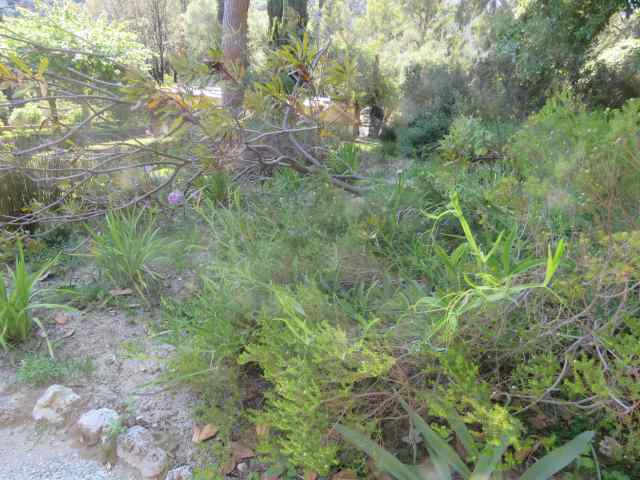
Not so Serre de la Madone. After Johnston’s death in 1959, his French garden passed through various private hands, falling into disrepair before it was taken over by local authorities in 1999. Despite a major restoration in the years between 2000 and 2005, it is generally tired, messy, unloved and a shadow of its former glory.
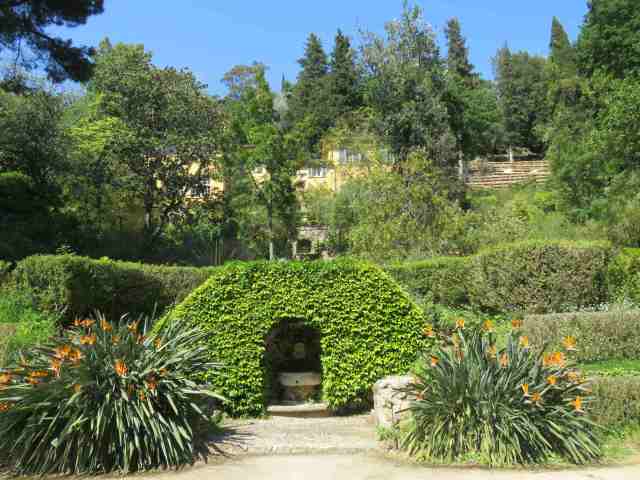
Johnston was a keen plantsman and he originally planted his French garden with exotics from around the world, many of which were too tender to grow at Hidcote. Over time, the plant collection has dwindled away so what survives – the likes of agapanthus and strelitzia – are large a green framework for his historic structures and landscaping, rather than being interesting in their own right.
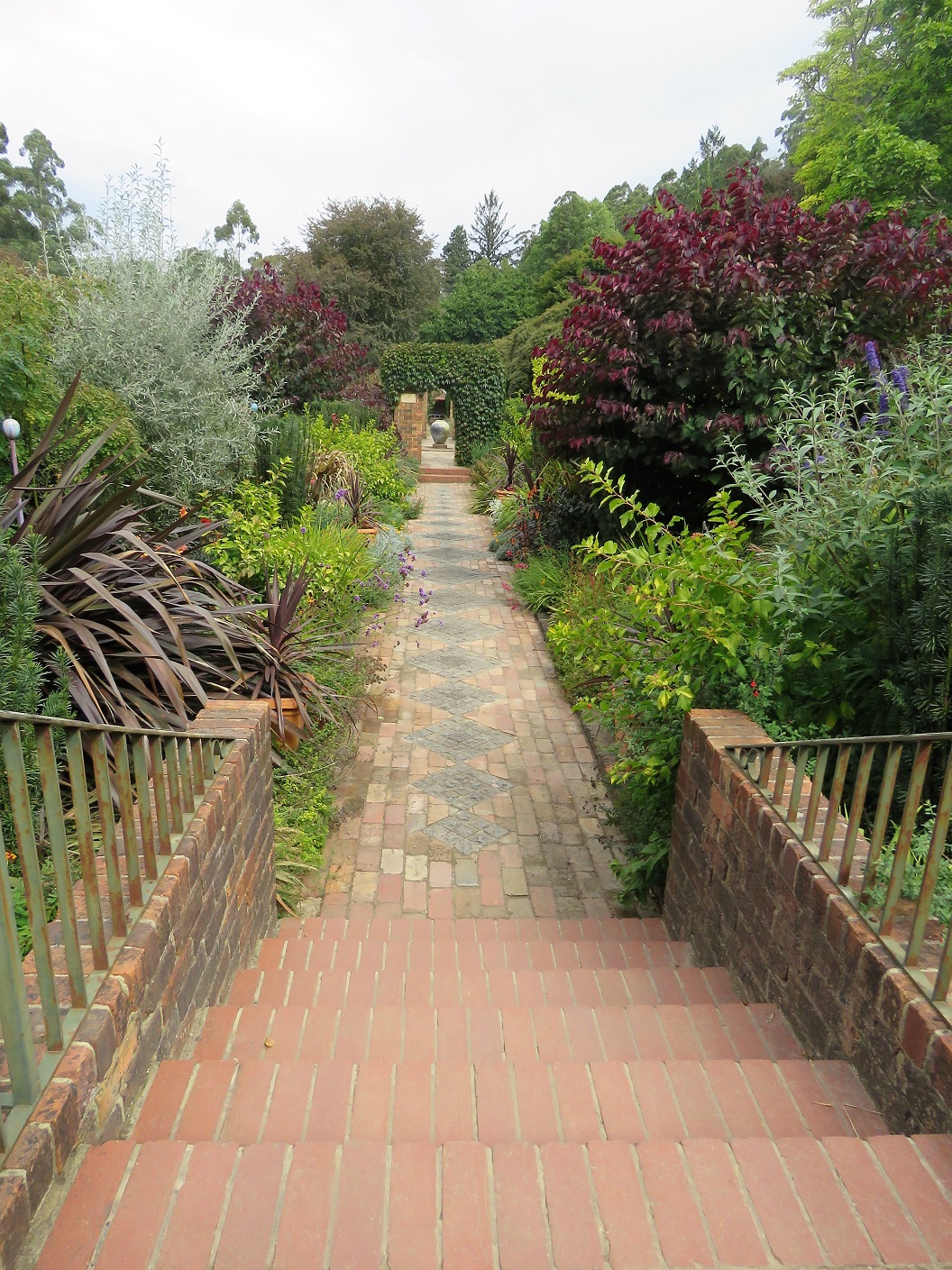
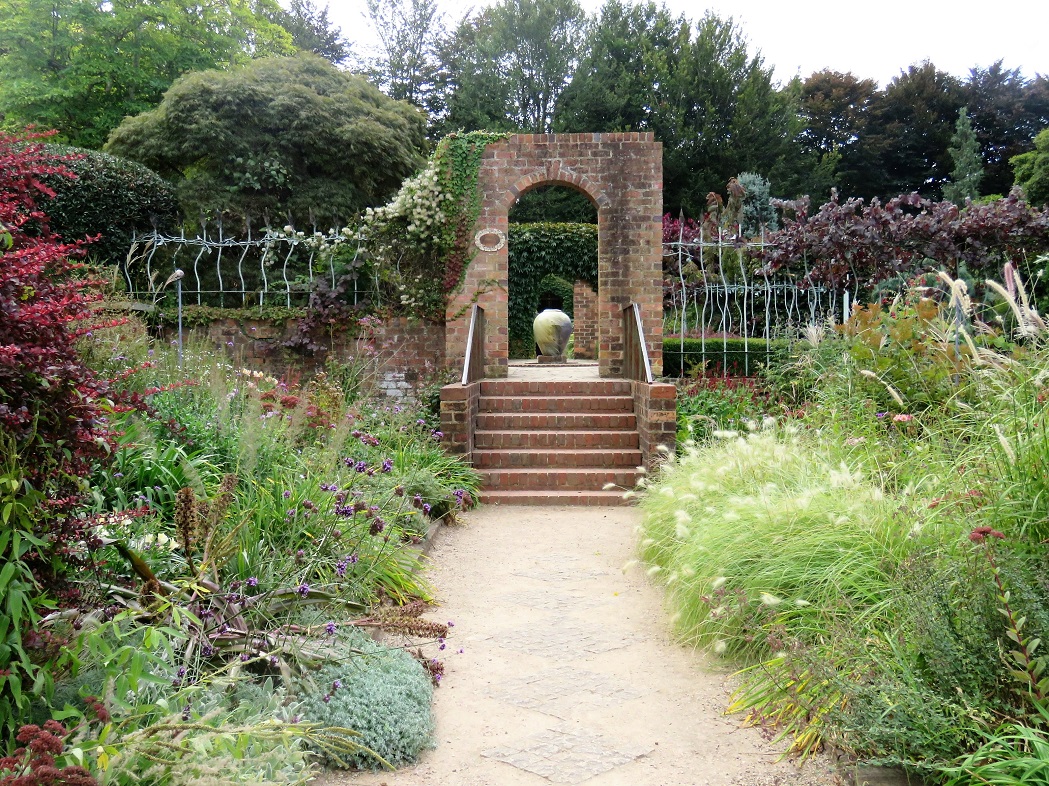
Never underestimate the quality of the British professional gardening tradition that sees both public and private gardens in that country maintained to exceptionally high standards. I have never seen it matched in other countries.

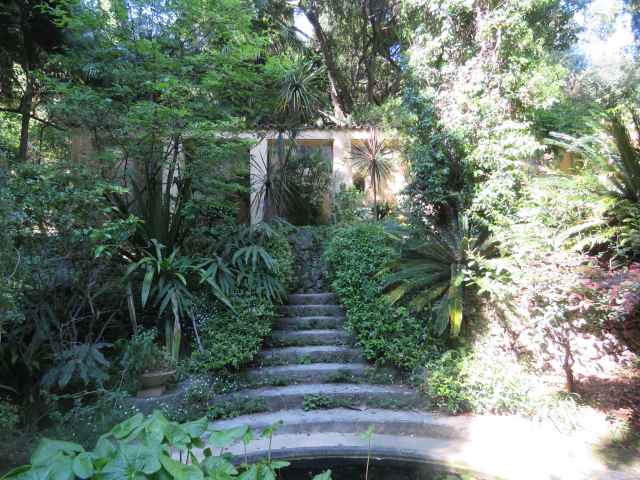
Typical of many gardens in the area, Serre de la Madone is built on a fairly steep slope. If there is a view out to the Mediterranean Sea, I did not notice it but it is likely that there was in Johnston’s day. When dealing with creating a garden on a slope, it becomes necessary to create terraces, sometimes defined by a central axis with long paths on the intersecting horizontal axes. This gives long views to the sides.
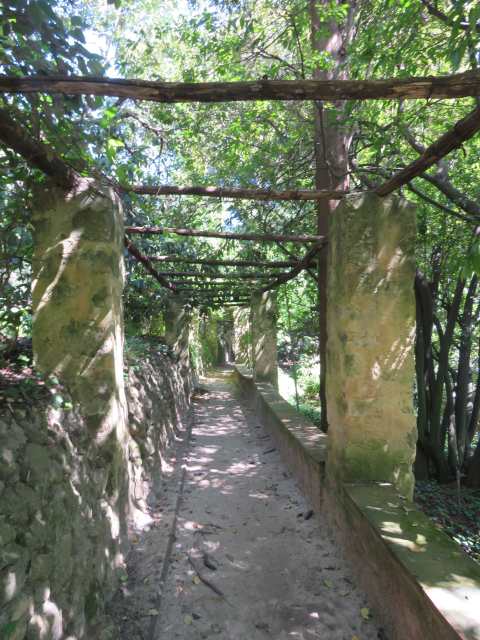

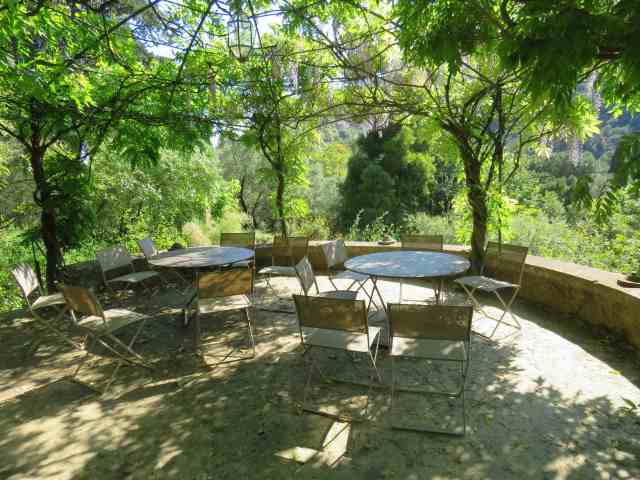
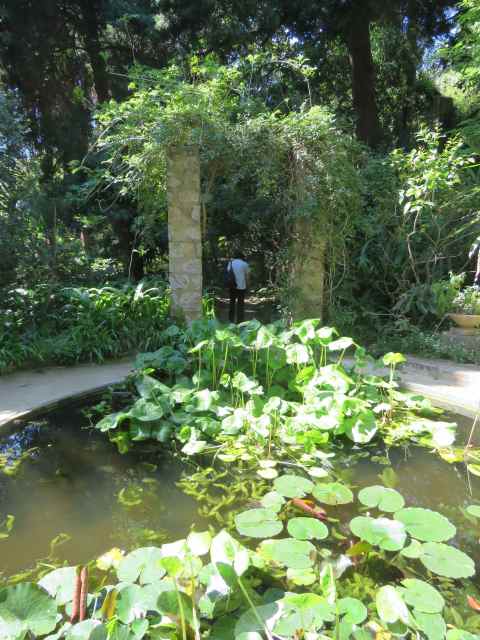
Johnston favoured plenty of hard landscaping and it is this that gives defining structure in photographs. I have to say that it all looks much better in the photographs than it does in person because you can’t see the general weediness and sense of neglect, let alone the poor quality of water in the pools. Photographs can create a sense of romantic abandon rather than tired shabbiness.
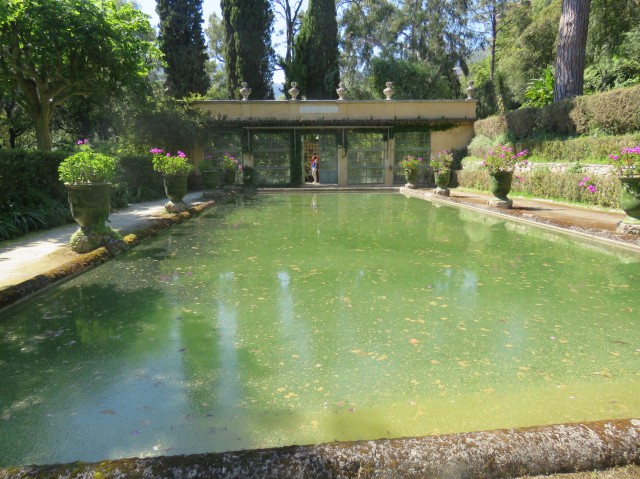
I looked at the water garden and wondered aloud whether it was also a bathing pool, as his round pool is at Hidcote. The person standing next to me doubted it so I felt vindicated when I looked closer at one corner and spotted the steps down into the water. It is an early swimming pool.
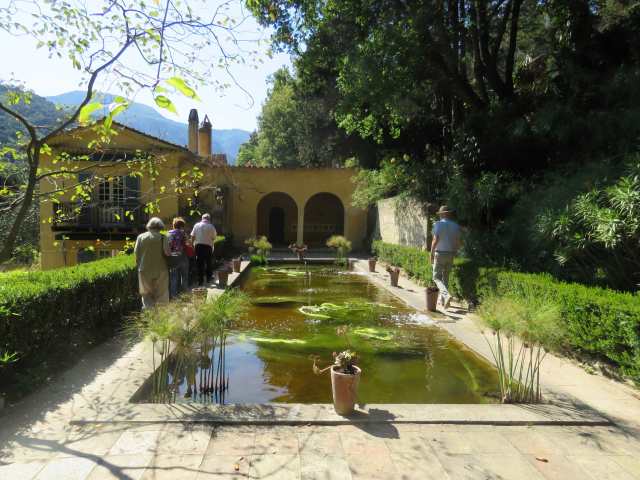
You certainly would not be wanting to swim or even paddle in the water in the Hispano Moorish garden, though. But I could see why Johnston ended up preferring his French home. That Moorish look would not have fitted the aesthetic of Hidcote at all but is not out of place adjacent to his sunny yellow French villa.

Our tour guide pointed out the recent retaining work on the hill behind the villa. The south of France has had an unusually wet spring and the hillside had just slipped when he was last there in February. He was amazed at the fast progress on attempts to shore up the bank.

The lessons I took away from my visit are that detailed plantings can disappear with neglect but hard landscaping remains and gives form to the view; over time the vision of the creator can be lost and it takes particularly high level skills to keep that original vision in focus. Serre de la Madone has lost Johnston’s vision, at least as far as I could see.



 Tikorangi The Jury Garden