
- After a slight delay, Kings Seeds new catalogue is now officially available. This is simply the most mouthwatering line-up of seed choices from stock standard varieties, through gourmet vegetables, exotic crops, green crops, pretty annuals and even some perennials. You can send $7.50 to Kings Seeds, PO Box 283, Katikati 3166, Bay of Plenty, check them out on line at www.kingsseeds.co.nz or get your copy from Fairfields Garden Centre in New Plymouth. If you are not used to growing plants from seed, don’t get too carried away with your first order – half a dozen different packets is quite enough for most novices to cope with.
- Further to the avocado recommendation last week, buy Hass (or Reed as second option) and plant immediately. Avocados are particularly vulnerable to root disease and strongly object to any mishandling. They are not a plant to keep hanging around in a bag or pot waiting for you to find a spot in the garden.
- The fine, frosty weather this week has been ideal for getting out and pruning. Next week’s Outdoor Classroom will be on heavy pruning of elderly apple trees, which is happening here this week. Pruning can continue on roses, wisterias, hydrangeas, raspberries and most other trees and shrubs (except cherries).
- If you plan to do major pruning to renovate rhododendrons, you can start that now so that they will push out new growth as soon as temperatures start to rise soon. You will be sacrificing the flowers but some of them flower so late that pruning after flowering is risky. Pruning rhododendrons back to bare wood (the stump) is kill or cure. If the plant is weak in the roots, it will die but vigorous plants will usually push our fresh growths and you will get a compact bush again. If you don’t wish to be so drastic, taking out the dead wood and tidying up will help the look but it will not force a leggy plant to put out fresh foliage from the base.
- Summer flowering lilies have a fairly short dormant period so if you planned to dig any clumps, get onto the task now.
- If you are heartily sick of planting brassicas, you can at least be sowing carrots, onions, peas and broad beans – all done from seed. In frost free areas, the first crop of early potatoes can go in.
Tag Archives: garden tasks
In the Garden: Friday 9 July, 2010
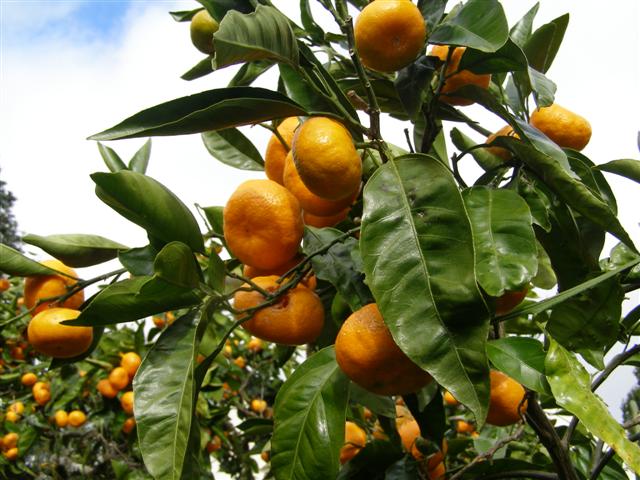
Our citrus trees actually do save us money
- Avoid stomping around the garden or lawn where you have spring bulbs. It is a hard life already for a bulb, pushing through cold, wet soils without being stomped back into the ground. Even worse, some only put up one flowering spike and if you break that off, you are sunk for this season’s display.
- Prune and keep pruning. I am halfway through the roses but have finished the wisterias. The hydrangeas have been started. As luculias finish flowering, it is the best time to prune and feed them because their instinct is to spring into growth. It doesn’t pay to be too brutal with luculias – they can up and die on you. Regular pinching out or cautious renovation is recommended. They are not difficult to root from cuttings in late spring or early summer if you want to start afresh.
- Sasanqua camellias can be pruned and shaped as they finish flowering. This includes sasanqua hedges but it won’t matter if you leave it until spring.
- With our comparatively mild winters, we can lift and divide dormant perennials such as hostas all winter and spring. In cold climates where there is no growth over winter, recommended practice is to leave it until temperatures start to warm in spring (presumably divisions can rot in completely dormant, cold and wet conditions) – hence the different advice in books and TV gardening programmes from England. However it is wise to leave grasses, reeds, rushes and similar plants until they are growing again because they can be surprisingly touchy.
- You can at least be planting your fruit trees which are now available in abundance. Put in the sure-fire crops first and go to the riskier, more exotic options if you have space remaining. Apples, pears, plums and feijoas are extremely reliable whereas it can be hit and mostly miss with peaches, nectarines, cherries and apricots. In mild coastal areas, citrus and avocados are well worth a try – for us they are the crops that save us significant money. Only buy named cultivars of feijoas – the cheapie plants are patchy seedlings for hedging and may never even fruit.
- Get a winter strength copper spray onto deciduous fruit trees, citrus and roses as a winter clean up. This will reduce disease and lichen.
- I have a new definition of a gardening optimist – the person who googled “sub tropical fruits Southland”. Southland may be many things, but sub tropical is not one of them.
In the Garden: July 2, 2010
- There we were last weekend, enjoying mild temperatures, shedding layers and thinking that really our winters are not too bad at all when bingo, Monday’s cold reminded us that July is the worst month of winter.
- While it is fine to plant pretty well any and all of the woody trees and shrubs, there is not a lot of point planting out vegetables, annuals or perennials. They will just sit and wait for warmer temperatures before doing much. So give your attention to fruit trees, hedges, or ornamental shrubs, both evergreen and deciduous. Always, but always, try and get the depth of the plant in the soil the same as they were wherever or however they were grown. If you plant too deeply, you risk rotting the woody trunk (collar rot, no less). With grafted plants, you also increase problems with root stock growing away in competition. If you plant them too shallow, it stresses the plant and its top roots are likely to dry out and die.
- If you are looking at potato varieties, then the advice from the potato grower here is that Liseta and Jersey Benne are both good early varieties but Liseta is more reliable and a better cropper in our conditions. For main crop he recommends both Red Rascal and Agria but he was also impressed by Purple Heart last season and will grow it again. In fact he grew at least ten different varieties and kept them all separate and labelled at harvest time so we have a smorgasbord of choices for different uses. It used to be that there were new potatoes and old potatoes, depending on the time of the year, but many of us are better informed now and can see the different applications of potato types.
- If you are short of fresh greens, the quickest option is bean sprouts, followed by sowing a tray of micro greens. You will need to keep the seed tray under cover but with good light – a conservatory, sunroom or porch may be suitable. Or a cloche if you have one. Establish a large enough patch of parsley for the future and it will seed down and keep you supplied.
- Think pruning. Maybe do the roses and wisterias first, followed by grapevines and apple trees. Raspberries can be done any time now. The hydrangeas can wait till last without suffering. Pruning is best with sharp tools so you make clean cuts. If your secateurs are blunt, their action will be more in the nature of crushing, which is not good.. We did an Outdoor Classroom on sharpening tools last year – you will still find it on abbiejury.co.nz (click on Outdoor Classroom).
- The garden pages are not awash with giveaways and freebies, apparently unlike the food pages, so I was surprised to be contacted with the offer to send me a pack of genuine, fresh, New Zealand grown cranberries. I have never tried proper cranberries, only Myrtus ugni. Now I can’t wait to try the real McCoy. It is early days for this small operation but from the West Coast, they are now getting a commercial harvest, sold under the brand of Cranberriez.
In the Garden: June 25, 2010
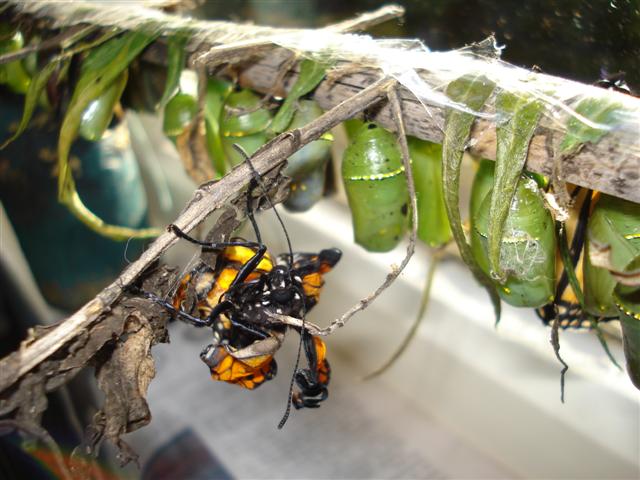
The Monarch Rescue Centre
- Mark’s monarch rescue mission has resulted in a branch of about 100 suspended chrysalises which resembles a shish kebab. It moves around warm positions in the house but alas the successful emergence of healthy butterflies is at an all-time low. I don’t think even Mark is sufficiently obsessed to set up a long term rehabilitation and care centre for disabled and deformed butterflies, though he admits he has certainly thought about it.
- You can still plant broad beans in the garden, along with garlic and shallots but generally, veg gardeners are now looking forward and preparing for spring plantings. If you have a favoured position, you can get the first sowing of carrot seed in but make sure you cover the row with a board or narrow strip of nova roof in order to keep heavy rain from compacting the finely tilled soil and washing the fine seed away.
- • Potatoes will be coming into the garden centres. You need sheltered, frost free positions that get maximum warmth for really early crops, which tends to mean coastal area only. But anybody can be preparing now by chitting the taties – putting them in a single layer in a darkened location to encourage sprouting. Not all potatoes are the same and if you keep track of the different varieties, it is fun to buy a pick and mix selection to compare later. We are disappointed to find hollow centres in most of our large Agria this year (an otherwise splendid potato) which did not occur in any of the other varieties in the same location.
- The great winter pruning operation should be starting. Deciduous trees, shrubs and climbers are generally winter pruned. Some, like rampant climbing roses and wisterias, need pruning to keep them under control. Some, like hydrangeas, apple trees, forsythia and many clematis or roses are pruned to maximise flowering and to keep a tidier plant. Some are only pruned occasionally as required, to remove twin trunks in a deciduous tree for example. In a small garden it is probably just as easy to work your way around the garden. In a big garden, it may be easier to work by genus – wisterias today, fruit trees or roses next week.
- Winter is also the time to do a clean up spray on deciduous plants. Lime sulphur will clean up lichens and mosses and is widely used, as is copper at winter strength.
- We are somewhat proudly still eating fresh green beans and corn on the cob harvested most days from the late plantings. The corn has lost its autumn sweetness but it is still fresh corn. The bean plants defoliated at the first hint of frost but the beans are still reasonably tender and good. They are a triumph of successional planting through spring and summer. Mark and dogs are almost getting a possum a night from the avocado trees. Apparently these critters love them just as much as humans. Even the dogs have developed a taste for avocado snacks.
In the Garden: June 18, 2010

Pleione bulbs - discard the mushy, dark ones like the specimen to the left
- The winter solstice or shortest day of the year is nigh – this coming Monday in fact. Alas the worst of the winter weather hits after the shortest day but at least you can console yourself with the thought that the days are lengthening again.
- Traditionalists will be out planting their garlic (ours is in already). If you don’t have big fat cloves saved from last season, then make sure you only buy New Zealand garlic for planting. The cheap Chinese garlic comes from the wrong hemisphere so is out of its seasonal cycle and is reputedly riddled with virus which threatens our local garlic industry. You also have no idea what it has been treated with so it is all round bad practice to buy cheap imported garlic for planting.
- Asparagus is a luxury crop for the home gardener because it is a permanent plant which takes up space all year for a harvest lasting only six weeks or so. It also takes a few years to start cropping well so is unsuitable unless you are planning on staying in the same place. But for those with space and the long term commitment, heading out to pick some spears in spring is a gourmet experience. If you have a patch, now is the time to clean it up and spread a blanket of compost to feed the crowns below the ground and to suppress weeds. If you have plans to plant an asparagus patch this spring, then get in now and dig the area. Then double dig it. Add as much compost and manure as you can and dig it yet again. Then let it rest and mature before planting in a couple of months time.
- Winter is the time for pruning all deciduous plants except for cherries (both ornamental and edible) and plums which are summer pruned to prevent silver blight getting in. Gardeners in cold, frost-prone areas are best to leave their hydrangeas until last (pruning encourages growth which can then get burned by frost). But wisterias, roses, apples, grapevines and the rest can all be tackled over the next six weeks.
- We did Outdoor Classrooms last year on pruning wisterias and grapevines (these are on http://www.abbiejury.co.nz and on Stuff (Deb, are these still accessible on the Fairfax site?) We will be looking at pruning roses and hydrangeas shortly. Don’t cut your wisteria off at ground level if you want flowers this spring.
- Most spring bulbs are in growth already so it is time to look at planting or lifting and dividing the summer bulbs – particularly lilies.
- Pleione orchids are spring flowering but now is the time to clean up clumps and repot because they are still dormant. These are a most attractive and hardy ground orchid, often called the teacup orchid. If you look after them, they build up quite quickly and we find them useful for carpeting woodland margins where conditions are open. The prized yellow ones like a winter chill so will do better inland and in the south but we find the pinks, lilacs and whites are equally at home in milder areas. It pays to clean them up now (discard the soft, mushy black bulbs and keep the fresh green or red ones, trimming off last season’s dead roots) because root disturbance on pleiones once they are in growth is a no-no.
 Tikorangi The Jury Garden