Tag Archives: helianthus

Let there be flowers and the gentle change of seasons

In a world that seems to be growing more chaotic, unstable, downright dangerous and even vicious by the day, let there be flowers.

I know I am not alone in limiting my time following the news and on social media. Never in my life did I think I would be taking life guidance from RuPaul but his advice to ‘look at the darkness but don’t stare’ are words that I repeat to myself every day. It is one thing to be aware of what is happening but it can be overwhelming if I spend too much time following it closely.

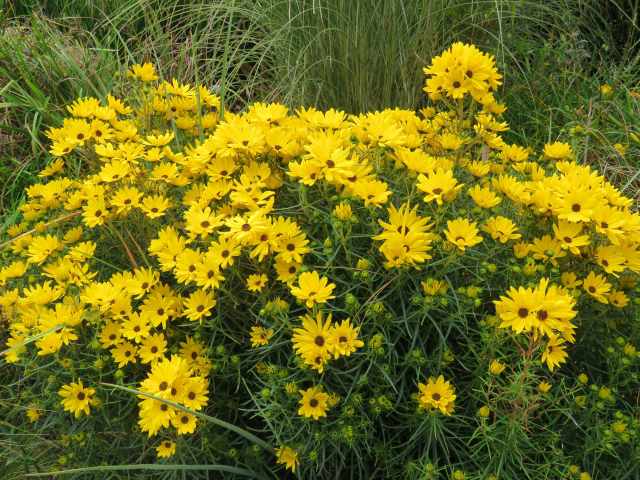
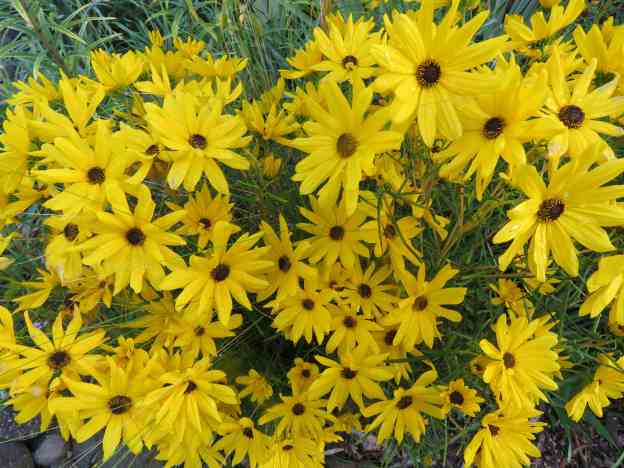
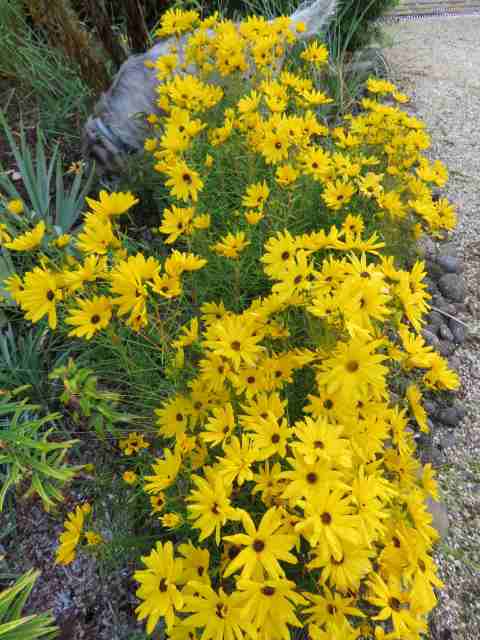
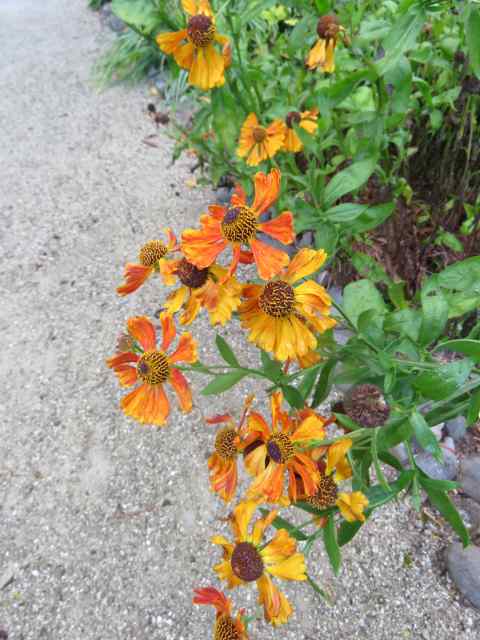
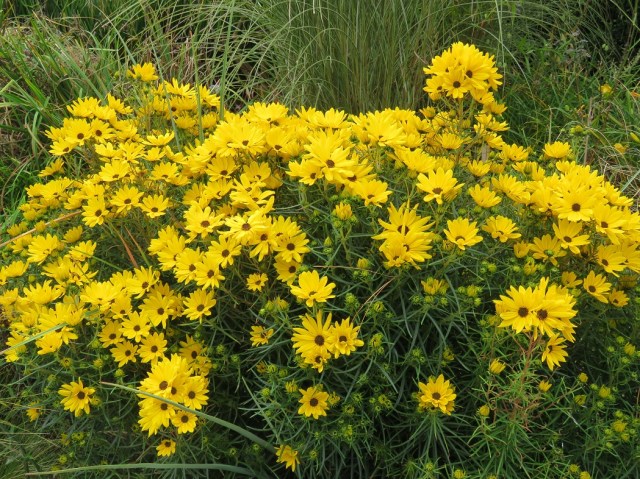
The bright cheer of the dwarf helianthus makes me smile. This is a named cultivar but I have forgotten where I recorded the name.

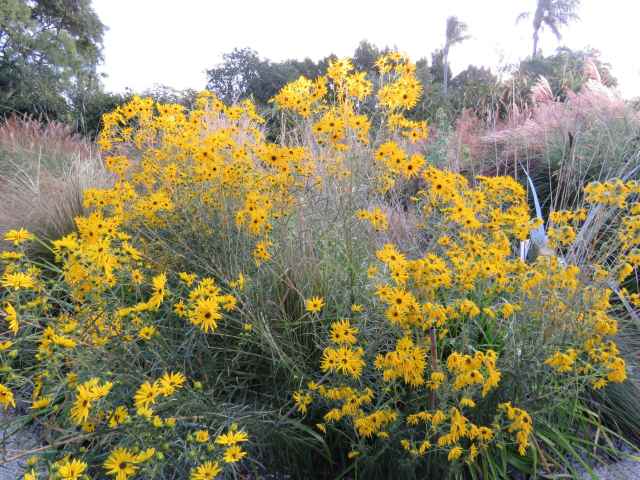
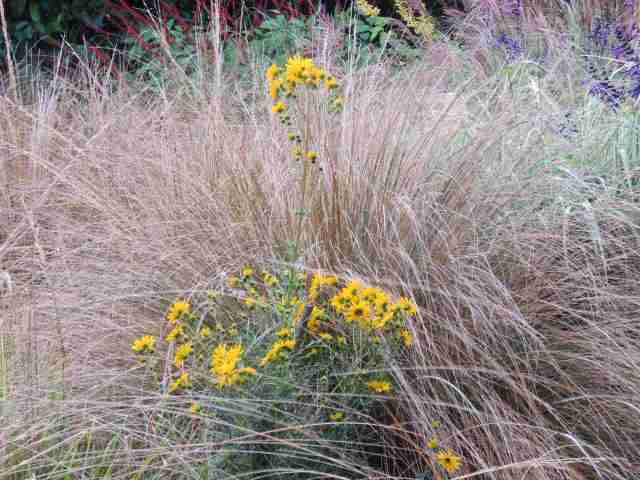
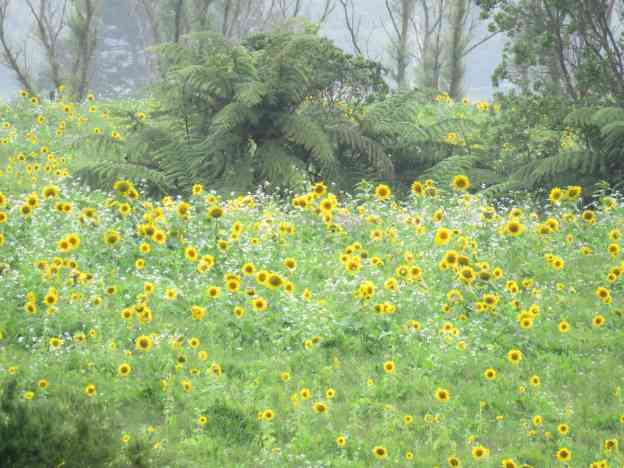
Instead, I give you the gentle predictability of the change of season from summer to autumn here with photos from yesterday. I have used the shorter version of the helianthus in the borders but the tall leggy form – likely closer to the species or as it is found in the wild – seemed to fit better in the controlled abandon of the Court Garden. No more. We are in danger of losing it because it is not as capable of coping with competition as I thought. As soon as this remaining clump has finished flowering, I will relocate it to the more cultivated environment of the borders where it will be given its own space to thrive.

The Jerusalem artichoke is also a member of the helianthus family but it does not justify its place as an ornamental plant. Not enough flowers, I am afraid, but an abundance of tubers which I dare not eat. While tasty, no matter how hard I try, I can not find ways to prepare it that improve its digestibility without the unfortunate side effects. Its name as fartichoke is fully justified.

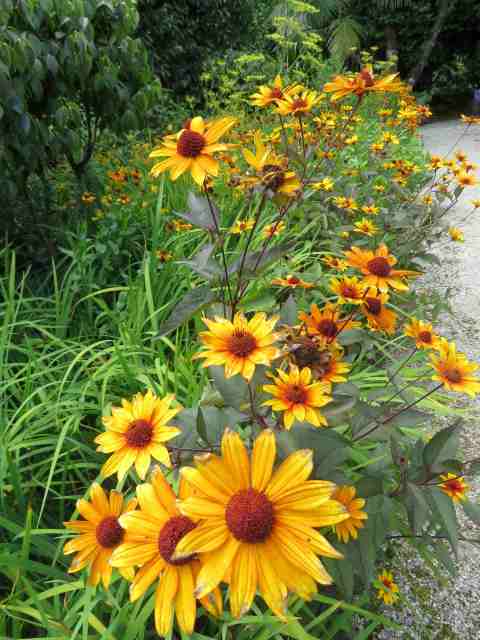
The heleniums are in the twilight of their season but remain eyecatching. These have one of the longer flowering seasons of the summer perennials and fully justify their prime position in the borders.

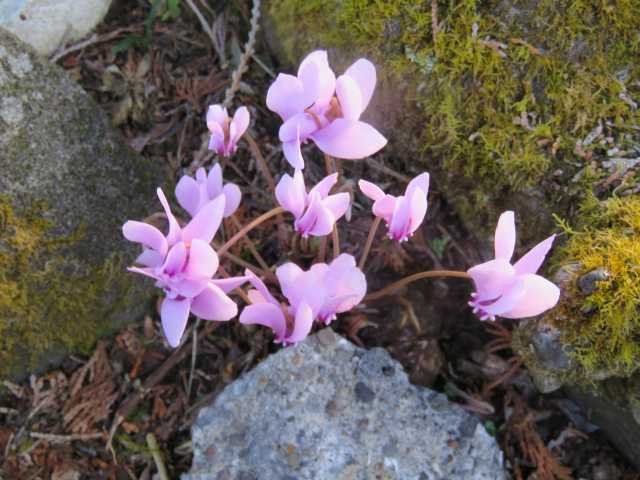
Cyclamen hederafolium are coming into their autumn peak and what a delight they are. We have many of them, many many in fact because we encourage them to seed down in their pretty pink and white charm. I am not a fan of the bigger cyclamen hybrids but the species are a source of great delight throughout the garden.

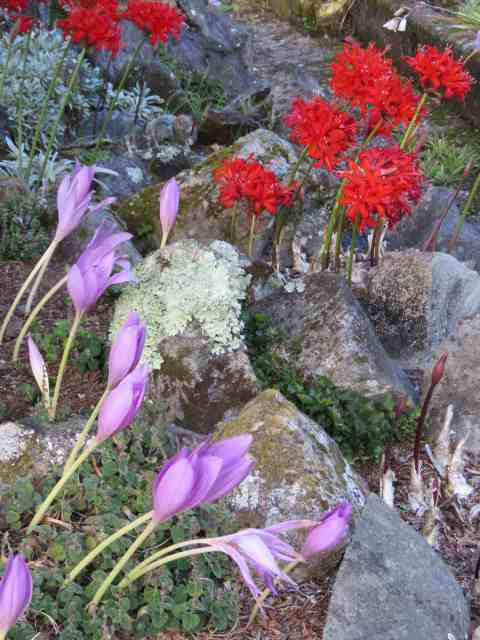
The rockery is hitting its stride with its autumn display. The colchicums are a fleeting delight but one we would not be without. The nerines are just starting, mostly red so far but plenty about to open in other colours. I live in hope that the Lycoris aurea will stage a reappearance. I planted a pot of flowering bulbs out in the rockery years ago but I can’t remember where and it has never flowered since. It may have gently withered away to nothing or it may still be masquerading as a random clump of nerines which I just haven’t noticed aren’t flowering. Perhaps our hot, dry summer will have triggered it to flower. Or maybe not.

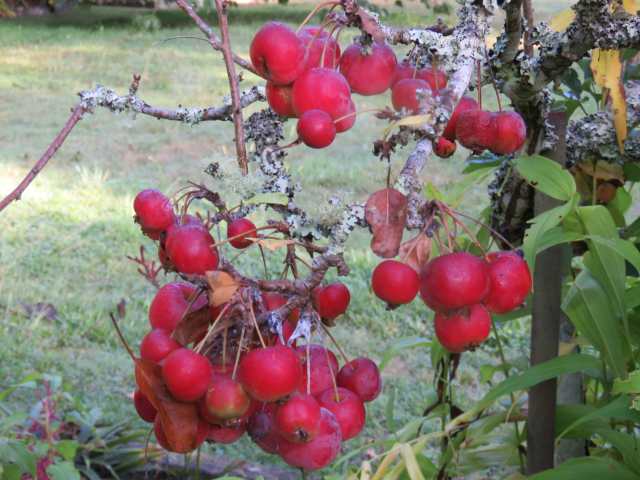
We have two dwarf crabapples in the rockery, standing little more than 1.2metres high after about 50 years. Their flowering is insignificant and their form and foliage unremarkable but they justify their place with their ornamental fruit in autumn.

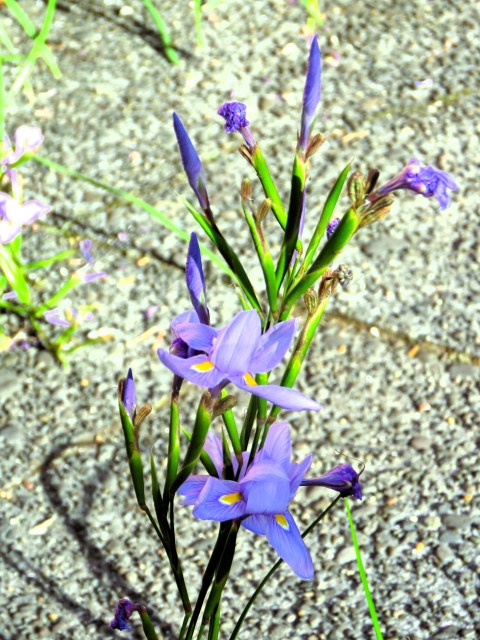
Moraea polystachya, an autumn form of the peacock iris, seeds around enthusiastically but harmlessly and rewards us by popping up randomly – on the edge of the drive in this photo – and having one of the longest seasons in flower of any of the autumn bulbs because it keeps opening a generous succession of buds.

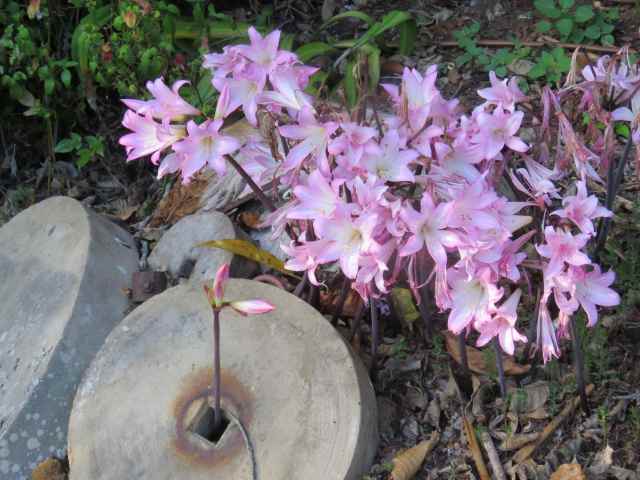
The belladonnas are bold, a bit scruffy and have bulbs and foliage that are too large to make them obliging garden plants. But they are a welcome addition in wilder areas, in this case on the site of the old woodshed we removed this summer before it fell over of its own own accord. We don’t know anything about the grinding wheels except that Felix must have gathered them up fifty years ago and there are three in graduated sizes.

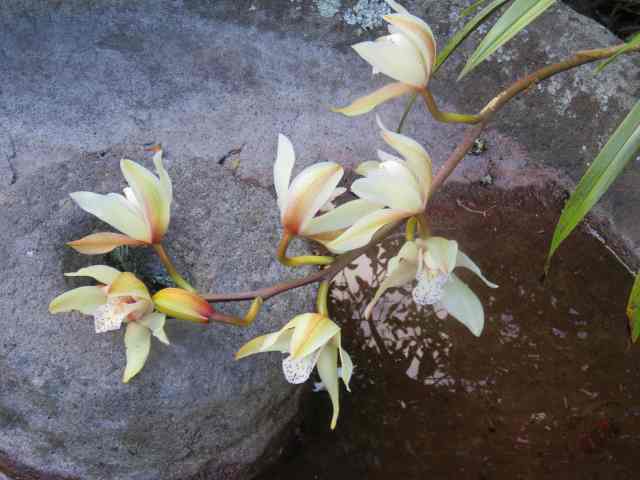
The first cymdidium orchid is opening. This somewhat understated one is always the first of the season and is a top performer in its spot, arching over the old stone millwheel which has been repurposed a bird bath.

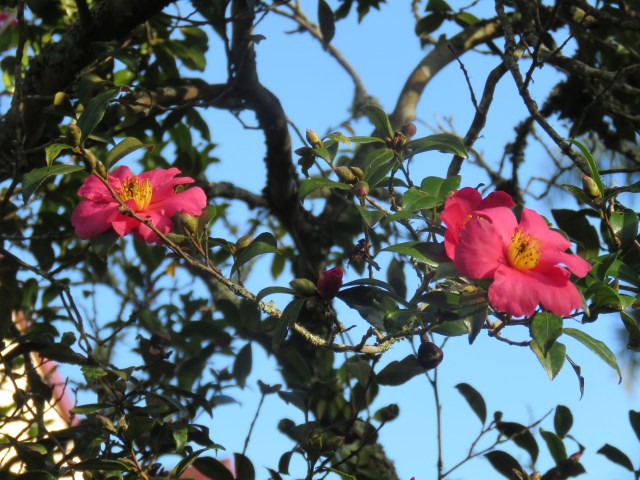
Finally, camellia season has started. Camellia sasanqua ‘Crimson King’ is always one of the first to open. Even with climate change, there is a reassuring predictability in the cyclic nature of the seasons.

May there always be flowers. I can stare at them as long as I like without fear of being overwhelmed by a sense of despair, anxiety and helplessness. In the flowers and the seasons lie promise and joy and we need a whole lot more of that at this time.

The tall and the short of it

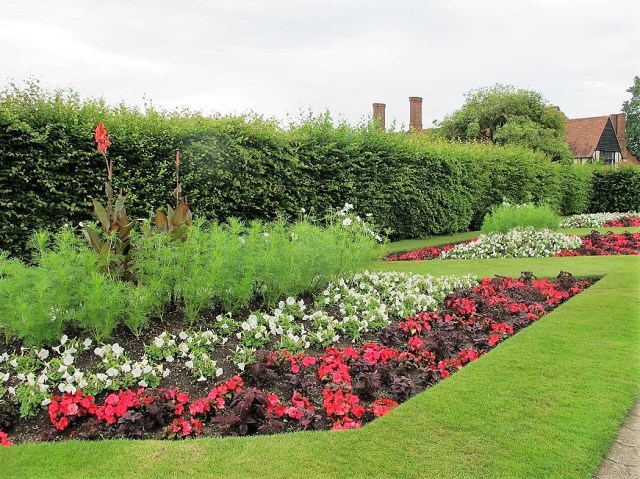
I struggle to appreciate bedding plants. I really do. To me, they belong in dated floral clocks and on traffic islands. Maybe in the occasional garden bed in public gardens to appeal to older folks who have not updated their ideas since the 1960s.

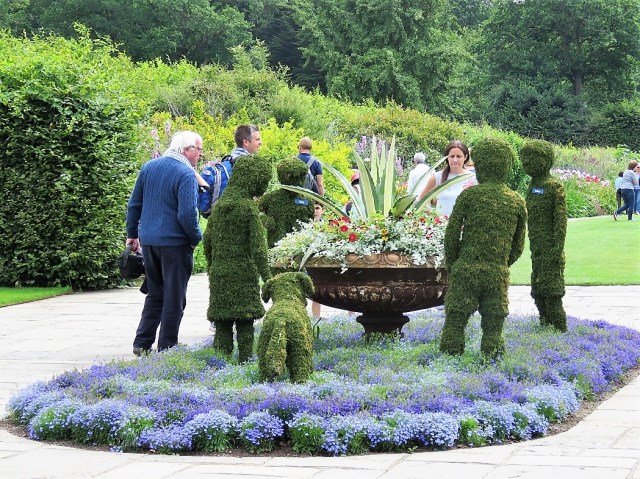
I don’t have many photos on file of bedding plants but these two are from RHS Wisley, south of London and they are certainly not representative of 99% of those magnificent gardens. But there are requirements for such places to be all things to all people. That Is Enid Blyton’s Famous Five clipped amongst the blue which speaks volumes about the age demographic for that particular garden. To this day, it worries me that George on the right looks from behind as if he is having a pee.

Mark is inclined to dismiss the scaling down of plants, rendering them more suitable for suburban gardens. Our garden is anything but suburban but, by all means, if your garden is smaller and you crave a suburban look, stack it with these compact versions of the original. He doesn’t often name-drop, my Mark, and usually only in private but he reminded me that he had discussed this very matter with the late Beth Chatto when we met her and she was in complete agreement with him. He felt vindicated.

The compact form of helianthus is a named variety, though I have mislaid the name.
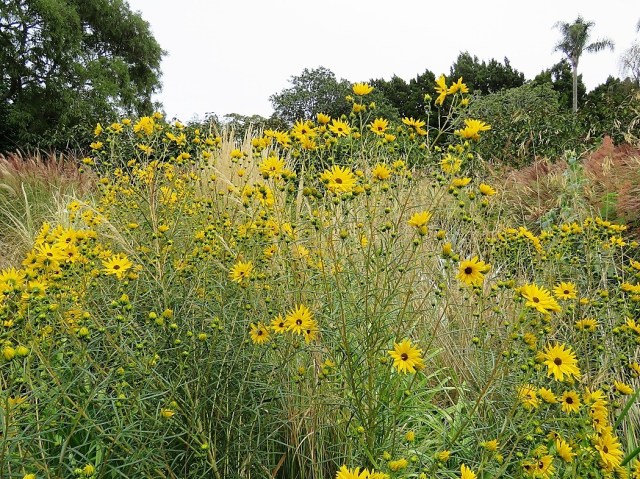
The larger form of helianthus, rangy, brittle but with a grace and presence I prefer

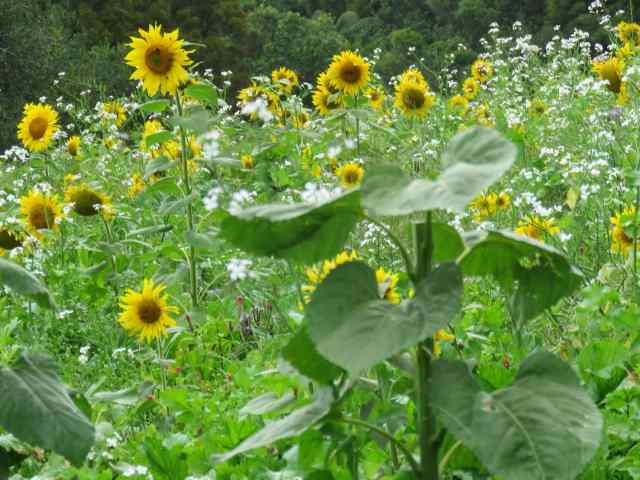
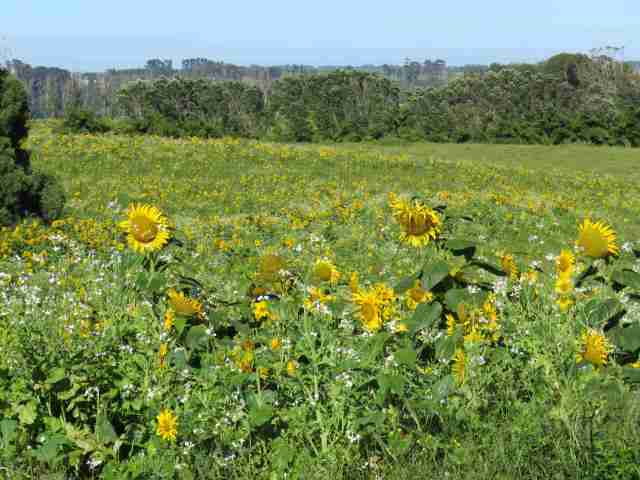
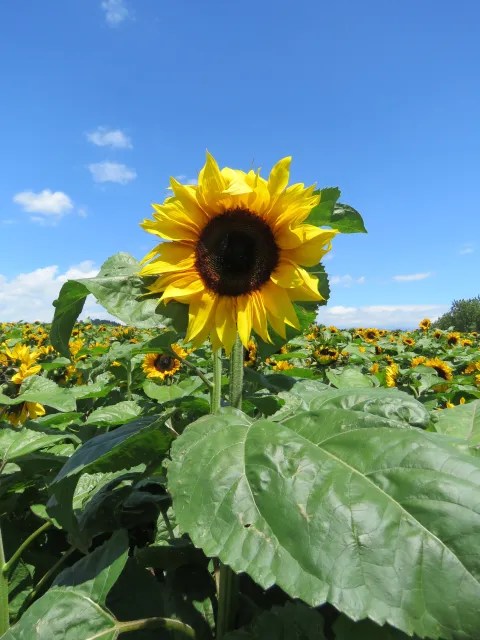
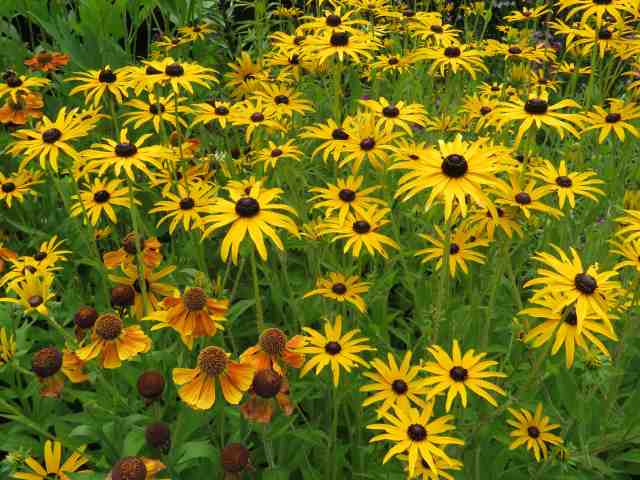
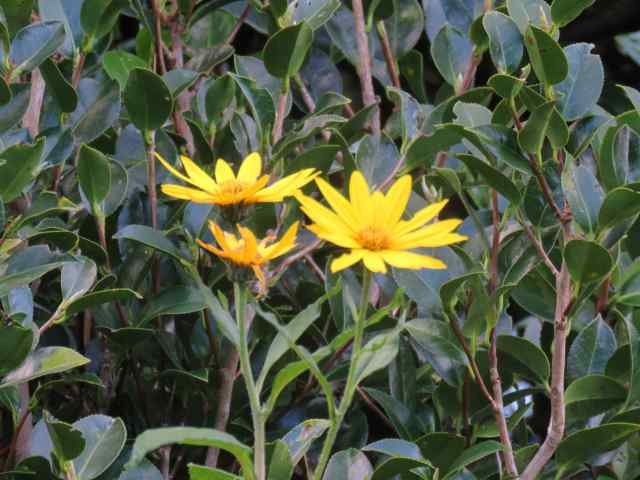
I was thinking about this because the helianthus are in full bloom. One day they were just the promise of buds showing, the next day they were in flower – one of the last of the summer glories. The common sunflower is a member of the helianthus family. Until this year, I had only seen the compact form of helianthus bloom here and very showy it was. Then my gardening friend, Susan, gave me some of a large form which I put into the Court Garden. I had been waiting for it to bloom, worrying as some of the outer stems snapped off from their weight. It is not a tidy plant, but look at it. It is glorious in its late summer raiment of garish yellow. I love it at this time of the year. And I love the big, rangy form, brittle though it is, more than the tidy, compact form.

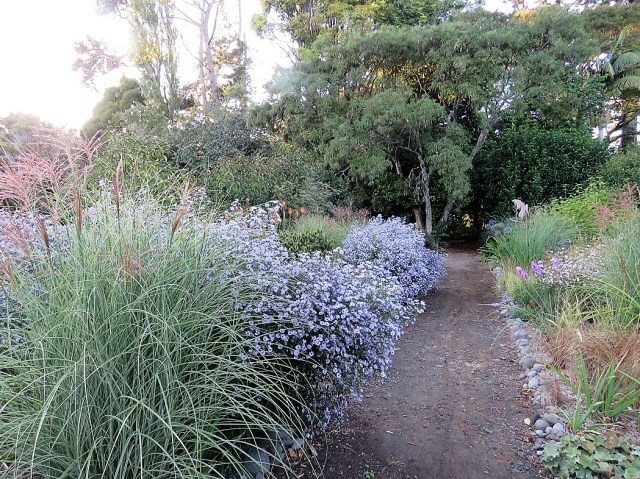
The carpet of blue asters which I refer to as ‘the Kippenberg aster’ because I will never commit its full name to memory

Don’t get me wrong; the scaled down version is very good and it has its place in the garden but the bigger, more open form delights me more. The lower version is knee-high on me, the taller one is shoulder height. So, too with the asters. I have used the compact little blue carpet aster which I think bears the full name of “Aster novi-belgii ‘Professor Anton Von Kippenberg’ “ – sounds like those extended names given to miniature horses. In fact I have two carpets of it in the Wave Garden where it is much loved by the bees and the butterflies. I say carpets because, at its best, the plants form a carpet of blue at about 30cm high.

We have a number of taller asters and this gentle cloud of small blue flowers is likely a species, or close to it, It is certainly less obedient but I like its grace and lightness in the garden.

I haven’t come to grips with the aster species (Michaelmas daisies) but Kippenberg is either a dwarf species selection or a dwarf hybrid, probably the latter. The other asters we grow are much taller and rangier – think chest or even shoulder height and I have used them more extensively because they blend well with other plants rather than being best as a mass carpet.

I have noticed with both the aster and the helianthus that the dwarf versions mass flower in one hit. All the blooms open at once, which is very showy but once they are over, that it is for the season. The rangier, taller versions set flowers down the stems which come out in sequence and so give a longer season in bloom.

We only have one dwarf dahlia and it is banished to an insignificant spot
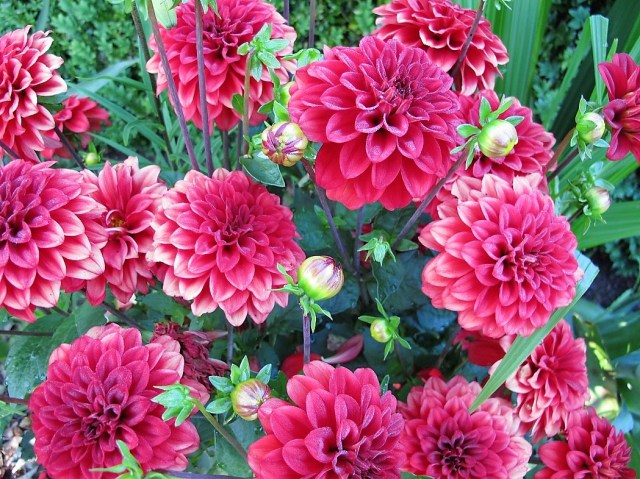
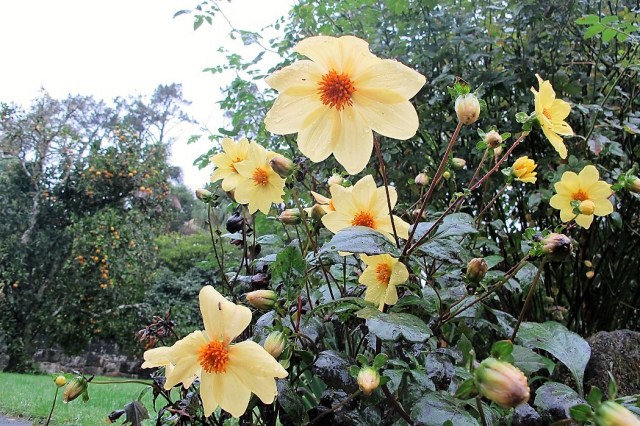
We do, however, have plenty of these larger growing types and our preference is for single blooms

I am not sure about dwarf dahlias. Years ago we were given a little red one and while it is a tidy little plant and it blooms well, I do not find it charming. I much prefer its larger, less controlled relatives.

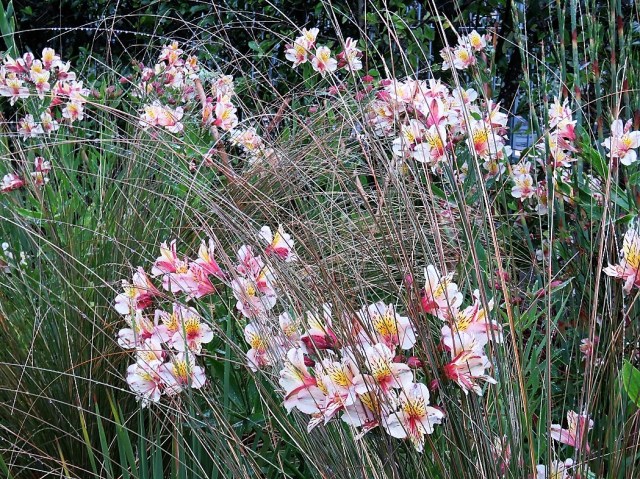
So too with alstroemerias. Yes, the big ones can be problematic. They need support and they are inclined to spread rather enthusiastically. Unless you dig out every last bit of their fleshy roots, they also stage a second coming. But I like them.

Very (very) compact. Barely ankle height.

I was given one of the compact new dwarf varieties. Okay, it flowers very well over an extended period and it is easy to divide and increase. But it is so stunted, to my eyes. So… tidy. I don’t dislike it so much that I have dug it out – yet – but I would never buy one.

It comes down to taste and garden style in the end. We have plenty of space. In smaller gardens, just beware of stacking too many of these tidy, compact, scaled-down versions in unless you like the traffic island look at home.

If you only have a small area and are looking for inspiration on how to create a garden that is less suburban and constrained in style, you may enjoy having a look at Christchurch gardener, Robyn Kilty’s site. She has managed to fill her small spaces with a garden that looks deceptively free, graceful and exuberant while not being wild or out of control at all. It takes more skill to garden in this style but it can be done in smaller spaces.

Look at all the buds still to open down the stems of the helianthus