Tag Archives: in the garden this week

In the garden – 26 February, 2010

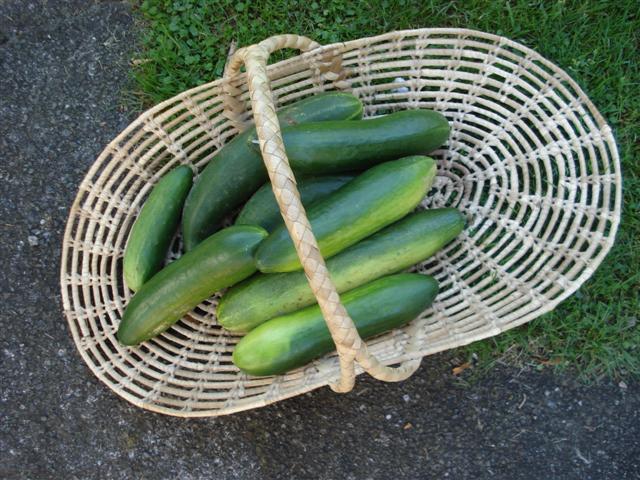
The challenge of the ongoing cucumber harvest

  • We have a surplus of cucumbers here. Our formerly well travelled staffer tells us that in Turkey, street stalls sell cucumbers which they peel on the spot, slice in half and sprinkle with salt. The smaller, younger ones are pleasant eaten as a fruit though the Heart Foundation would no doubt prefer the salt omitted. I failed to convert Mark to cucumber juice last year but adding them to unsweetened yoghurt is tasty and ups the quantity consumed.
  • Regrettably we are cooling off somewhat and the days are noticeably shorter. The upside of this is that if you are dying to get into the ornamental garden, you can plant or dig and divide clumping perennials. These are more forgiving than woody trees and shrubs and as long as you water them in well and follow up in a few days time, they should be fine. Most perennials will keep growing until winter arrives so there is plenty of time for them to recover. If you have clumps which have fallen apart and are looking really scraggy, it is likely that they are congested and need to be split up. Make sure you replant in well cultivated soil and preferably add compost.
  • As summer crops are harvested from the vegetable garden, it is time to be sowing and planting winter crops. Pretty well every novice gardener ends up with far too many cabbages, broccoli and cauliflower all maturing at exactly the same time. It is better to sow a few seed every fortnight or so because you want them to mature in stages. If you buy small plants, look out for the punnets of mixed brassicas which are widely available – these usually have two of each vegetable.
  • You can also be planting winter lettuce (which is leafy not hearting), mesclun (which bolts to seed too fast in the heat of summer), Florence fennel (the most versatile of vegetables), spinach, beetroot, parsnip, peas, and carrots. Do leeks from plants now in preference to seed. Mark has just put in his last crop of beans though he is a little worried it may be too late. Don’t delay past this weekend on these in coastal areas. It is too late inland.
  • If you are harvesting rhubarb, make sure you feed and mulch the plant to encourage it to grow again. Rhubarb is deemed a gross feeder, which means it is a hungry plant. Adults may like to try adding grated fresh ginger when stewing their rhubarb. To make it palatable for children, cook it up with a bit of sago (tapioca takes too long to cook) which reduces the sharpness and therefore the amount of sugar you need to add.
  • Further to today’s column, if you have run out of swan plants for your monarch caterpillars, you can finish the larger ones on sliced pumpkin but apparently it is an insufficient food for young ‘uns and leads to deformities. You do have to imprison them in a box with the pumpkin or they will migrate in search of another swan plant, even if there are no more around. You can find more information on www.monarch.org.nz .

In the garden, February 19, 2010

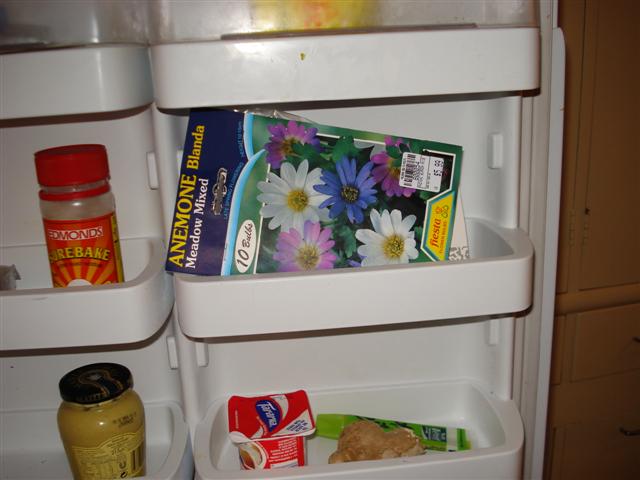
Simulating winter chill before planting out the anemones

Simulating winter chill before planting out the anemones

  • The distinct cooling of temperatures this week and intermittent rain has me fearing that summer may beat an all too early retreat after a late arrival. Mark delights in pointing out that technically we have under two weeks of summer remaining because March officially signals the onset of autumn. But generally we can look forward to settled, summery weather until April.
  • If you have been tempted into buying anemones and ranunculus, remember to plant the former pointy side down and the latter with the claws down. The advice from Aorangi Bulbs is to place the bulbs in a paper bag (not plastic) and refrigerate for a few weeks – six weeks for anemones and four weeks for ranunculus. Then soak them overnight in tepid water before planting. The refrigeration is to simulate the winter chill so that they spring into growth with the warm water. If you have bulk-bought bulbs (and some are ridiculously cheap in quantity), staggering the planting over several weeks is likely to extend the flowering season this year. The chilling process is called stratification.
  • Unless you are willing to refrigerate your hyacinth bulbs every year, you need to treat them as annuals in our climate. Bulbs purchased this year have already set their flowers so you will get one season of lovely blooms. But they need a winter chill to trigger them each year and few gardeners in our area will have sufficiently cold conditions to have them continuing to flower year after year. By no means all bulbs need that winter chill, but hyacinths and many tulips do.
  • The rains this week will trigger winter and autumn flowering bulbs to break dormancy so you are running out of time for lifting and dividing congested clumps.
  • The rains and mild temperatures will also see an explosion of fungal disease in vulnerable plants. Dig main crop potatoes as soon as it appears they are ready, to avoid losing them to blight. You may have to get a spray applied for mildew on crops such as grapes, tomatoes and cucurbits. If you don’t want to use proprietary sprays or copper, you could try baking soda – a level teaspoon to a litre of water.
  • If you have been seduced by the current fashion for growing vegetables in raised beds (ideal for over 70s, those with bad backs or otherly abled but otherwise over-rated in our area with wonderful friable soils and drainage) don’t fill the beds to the top. If you do, you can’t dig the soil without much of it spilling over the edge which makes a mess of the surrounding paths. Nor can you keep adding compost and humus to enrich the soils unless you dig the level lower each time and barrow away the excess.

In the garden, February 12, 2010

  • It is pretty much the last call for heavy pruning on flowering cherries. These need their pruning done in summer to reduce disease. While you are about it, you can prune plums and other deciduous fruit trees straight after harvest. This encourages them to set more fruiting spurs for next year, rather than too much leafy growth.
  • While you are watering container plants (should be done every day), don’t forget to top up the fish pond. Even robust goldfish get stressed if their water heats up too much.
  • While planting in the ornamental garden is largely on hold until temperatures cool or we get some serious rain, mid summer can be a time to give lawns some attention. You can spray for flat weeds now or sprinkle sulphate of ammonia. If you are not keen on spraying, get out with an old carving knife and crawl around the lawn. This last activity is guaranteed to engender a rosy glow of virtue. Never feed a dry lawn – the fertiliser is more likely to burn the surviving grass. If you are planning on sowing new lawns, autumn is the optimum time for this but preparation can start now. The quality of a new lawn can be directly linked to the amount of effort put into preparation. Level the area, cultivate it, remove all green cover and keep hoeing off successive waves of germinating weeds.
  • Vegetable gardens are all about forward planning so while some of us are enjoying full summer (and quite possibly worrying about how to stem the deluge of courgettes), organised home growers are already on the ball for winter. As summer crops are harvested, winter veg are sown and that takes in root crops of the carrots, beetroot, turnips variety and brassicas and leafy greens. Some people start sowing onions this early. You just have time to get a final sowing of green beans but do it asap.
  • Because we maintain active websites (abbiejury.co.nz for published writings and jury.co.nz for garden and plant information), I track google search terms. This week saw somebody looking for advice on how to propagate swan plants (the food for monarch caterpillars) aka asclepias. Seed, preferably fresh seed is the answer. If you sow it at this time of the year and prevent the butterflies from laying eggs on the germinated seedlings and then the baby plants, you will have well established plants next summer which in turn will produce seed. If you have room in your veg garden, it is worth putting a row in. If you are buying swan plants from garden shops at this time of the year, you will end up raising some very expensive monarchs. The idea is to have large, well established plants (bushy and chest or head height) coming ready from now through autumn to enable the monarchs to linger longer into winter.
  • I fear the naïf who googled asking if snails are good for kentia plants (presumably kentia palms) may not have a great future as a gardener. I can not think that snails are good for any plants at all unless squashed and feeding the soil.

In the garden, February 5, 2010

Some deciduous magnolias repeat flower in summer - this one is Apollo

  • If you have deciduous magnolias which have flowers on them, this is not some freaky abnormality. It is all in the parentage. Some varieties repeat flower in summer. This second flowering is but a shadow of the early spring display but it is a bonus. Black Tulip has had particularly good, dark flowers this summer but proved too difficult to photograph.
  • Naturally you will be attending to your bearded irises, as per today’s Outdoor Classroom. Just make sure that the replants don’t frazzle if we get a run of sunny, dry weather.
  • Some readers may have seen the media coverage of the unfortunate arrival of the hadda beetle which so resembles the charming lady bird. In fact the potato and tomato psyllid that we referred to two weeks ago is already here, established and wreaking havoc. The psyllid attacks all solanums which includes tamarillos, cape gooseberries and capsicums. Sudden, unexplained deaths in any or all of the solanum family (which includes a range of ornamentals too) may indicate a psyllid presence. In the short term, worry more about the psyllid than the hadda beetle especially for those who prefer to garden organically. Garden centres should all be able to offer advice on controls but there is no simple answer to effective management of the psyllid.
  • Spring bulbs in the garden are starting to show white roots which means they are breaking dormancy. If you were planning to lift any congested clumps of daffodils or the like, get onto the task without delay.
  • In the vegetable garden, thoughts are turning to planting for winter. The idea is that most plants do their growing while temperatures are still warm and then they hold in the garden through winter so you can pick them fresh. So you can be sowing parsnips, carrots, dwarf beans and brassicas now for winter harvest.
  • If your garlic harvest this year is poor, take heart. You are not alone. The wet and cold November and December probably did not help.
  • Pinch back cucumbers, melons, courgettes, pumpkins and similar spreaders to keep them under control and to encourage fruit set. Tender pumpkin tips are delicious to eat, as are stuffed courgette flowers, if they are not infested with white fly. I have never seen any merit in the fruit of chokos, but we have always enjoyed eating the tender tips when lightly steamed as a fresh green.
  • The rains this week and the warm, humid conditions means that the weeds will be growing and spitting out seed even as you turn your back. Ignore these at your peril.

In the garden this week January 22, 2010

  • Only mad dogs, Englishmen and dead keen gardeners are doing much in the ornamental garden at the moment. But do stop weeds from going to seed if you want to save yourself a great deal of work later. If you catch them before the seeds are set, you can push hoe them or just pull them out and leave them to frazzle in the sun. But if you can see seed heads formed already, you will have to gather them up and either put them out in the rubbish or hot compost them. Weed seeds will survive baking in the sun and indeed survive most people’s compost heaps which don’t get hot enough to sterilise. If you have rubbish collection, the wheelie bin is the safest option for seeds.
  • While you can’t be doing much planting in the ornamental garden, you can at least summer prune, limb up, tidy up and deadhead. We tend to be spring garden specialists in this country and can look rather dull, green and tired in full summer. A grooming round can freshen it all up considerably.
  • We summer prune the roses constantly, trimming back to leaf buds where possible, deadheading and generally tidying up the bushes. If you don’t spray your roses, this is an important process to look them looking half way decent. The books all recommend watering and feeding too, but we don’t tend to get around to this.
  • Most clematis which have finished the first flush of flowering and which may now be sporting an unfashionable powdered white look (powdery mildew) can be cut back to a few centimetres of growth. Feed them, give them a good drink and they will spring back into fresh growth and even flower for you in about six weeks. You can not do this to all clematis, but most of the hybrids that you buy will respond to this treatment.
  • In the vegetable garden, harvest continually to encourage the likes of beans, cherry tomatoes, cucumbers and courgettes to continue producing fresh crops.
  • Even though we have had little real summer yet, the end of January signals the time to get late sowings of corn in to carry you through to early winter. Planted after that, they are unlikely to mature in time.
  • Basil is best pinched out to encourage bushy plants.
  • Most garlic will be ready to be harvested and alas after a bumper crop last year, we are going to be lucky here to have sufficient to keep the vampires at bay. Store in cool, dark conditions with good air movement – in other words plait them in traditional style or recycle mesh onion bags.
  • If you enamoured of the Brussels sprout, you need to be getting in plants right now if you want to be confident of a harvest later. Keep up with sowing fresh salad greens – a little often is the key.
  • The new gardening programme on Prime (Sunday at 7.00pm) is all about learning to veg garden but unless you fit the demographic (urban dwelling female, under 40, upwardly socially mobile and probably drinking skinny milk decaf latte and driving a people mover), it may not inspire you.