Tag Archives: Lower maintenance gardening

What makes a garden? The wild garden debate.

‘Wild’ gardening may be all the rage in the UK these days but it is not a discussion that we are rushing into with any enthusiasm in Aotearoa New Zealand. Maybe we are a bit sensitive in this country to the status of weeds, given that so many of our biological time bombs are garden escapes. Or maybe not. There is a possibility that the majority of homeowners in this country still prefer a neatly maintained section with tidy borders, sharp lines and an immaculate lawn.
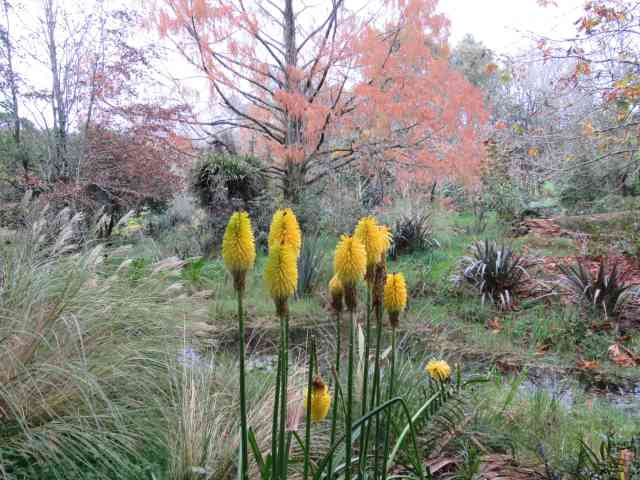
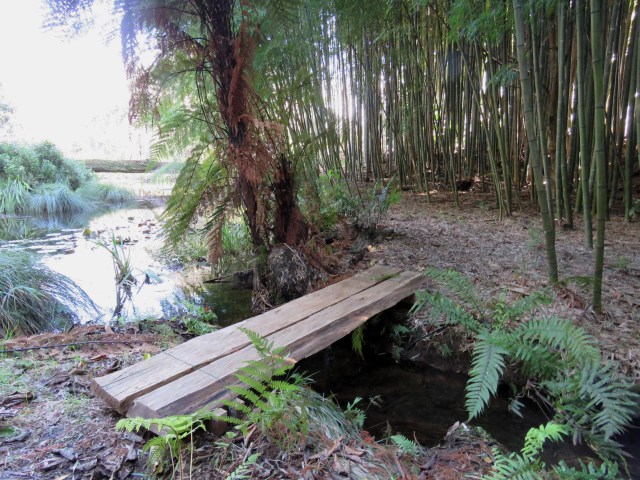
We call this our ‘Wild North Garden’ but it would not pass the test of a wild garden in more purist circles

Whatever the case, I found this article interesting. We will gloss over the fact it is in The Telegraph, a UK publication of somewhat questionable political affiliations; it does seem to have some good gardening pieces. I will park Alan Titchmarsh to one side because I think he is a spokesperson for a past generation of gardeners. It was Monty Don’s comments that interested me because some of us are familiar with his garden through BBC’s Gardeners’ World and I would have described much of his garden as being ‘naturalistic’ in style, verging on ‘wild gardening’ at times. It seems that ‘wild gardening’ in the UK is a great deal wilder than I had thought.

“It is as though a so-called ‘wild’ garden that mimics natural conditions is somehow worthier and more moral than one in which mankind’s creative skills are more obviously played out.

“This is puritanical nonsense.  If you want a truly wild garden then simply walk away. Leave any patch of ground completely untouched by human hand and it will happily become whatever it wants to be.

“The result might be beautiful and richly satisfying as well as very good for wildlife of all kinds, but it will not be a garden.”.

Monty Don in The Telegraph
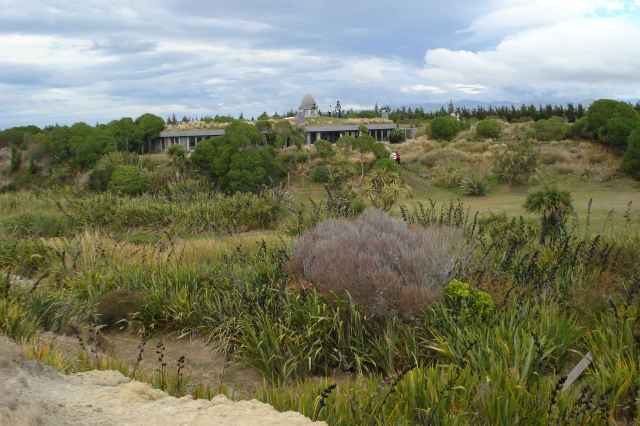
This was the first deliberately wild or naturalistic garden I had seen, in Marlborough back in 2008. While looking very natural, the whole area had been recontoured and replanted, using native plants of the area. I loved it and how it sat in its wild landscape, even though it was not pretty and contained no elements traditionally associated with gardens. At the time, I wondered if it was a garden or a landscape; now I am happy to describe it as a garden.

I think he makes a useful distinction. I see he has been on this topic for a while. The best in show title at Chelsea Flower Show last year was won by a so-called wild garden created by two people who describe themselves as “passionate ecological restorationists”, rather than gardeners. I can’t read the whole article about Monty Don questioning whether their display was actually a garden at all because I am not willing to sign up to The Telegraph, even though they offer the first month free. I have my own standards when it comes to media. Ecological restoration is a different kettle of fish, to my mind. It involves eco-sourcing plant material (limiting plants to those sourced from local plant populations), keeping to native plants only with a purist vision of returning land to how we think it may have been in earlier times, usually prior to European settlement. Aesthetics are not a factor when it comes to ecological restoration, although the end result may well be visually pleasing to some.
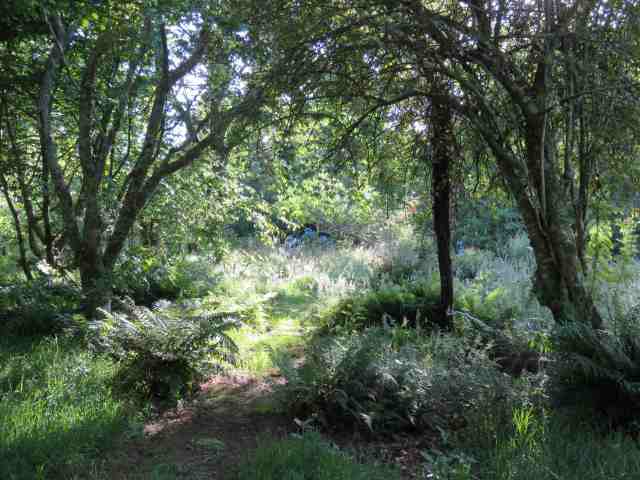
Yes, we do ‘garden’ this area, but differently to other areas.

Of course, many of our weeds in this country are native wildflowers in the UK so rewilding with those may have a prettier result without being tainted by the connotations of rampant, invasive pest plants. We are a bit thin on pretty- flowered, native perennials and annuals in this country, although we have a wealth of beautiful flowering trees and shrubs and some splendid grasses.

Our personal take on wild gardening here at Tikorangi would not meet the purity test. Not by a long shot. We started the Wild North Garden with a mix of both native plants and exotics and have continued with that. We still carry out weed control. We have to in our conditions or it would deteriorate into a weedy mess in a single season. But we don’t remove every weed as we attempt to in the more tightly managed areas of the garden.

Wild gardening is NOT a case of shutting up an area and letting Nature take over, as some assume. It is not an excuse for lazy gardening. It is a different way of managing an area, a lighter hand, way less emphasis on tight control and instead viewing an area through different eyes with different expectations.  
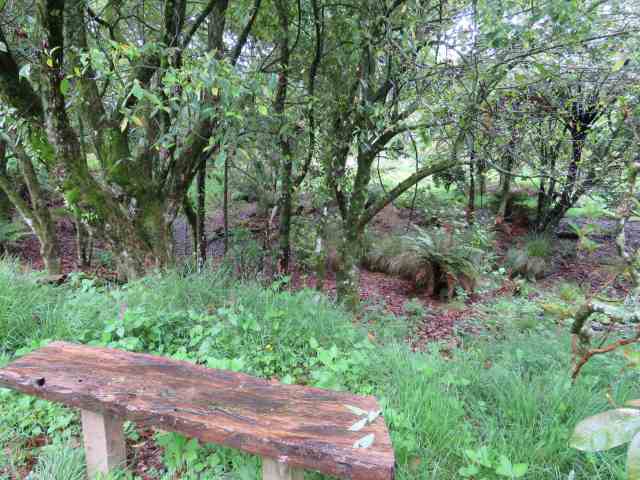
Simple solutions, not man-made focal points

We have shunned contrived ‘focal points’ and garden features that are clearly made by human hands. The simple bridges and a couple of bench seats are the only man-made structures although, in reality, the whole area has been reshaped, re-formed and planted by human hands. We do a lot of lifting and limbing to get view shafts and a sense of distance in the area. There are no defined borders or garden beds but we continue to add plants that we think can blend in, add interest, compete with competition from other plants and survive with minimal maintenance. There is no deadheading, seasonal cutting back or staking. Management of the area – which our property title tells me is close to 4 acres or a hectare – is light-handed but manage it we do.
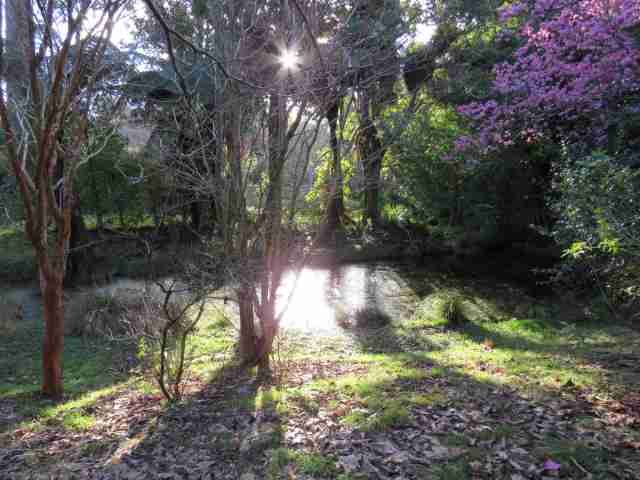
We do a lot of lifting and limbing of trees and shrubs to create view shafts and vistas while keeping a more natural feel.

That is what we are calling wild gardening. At a personal level, when I am leading people through the garden, I always finish up in the Wild North Garden and as I walk down the hillside to enter it, I can feel myself breathing out and relaxing. I find I talk less and more quietly. It feels different to every other area of the garden and very, very different to the more tightly maintained, detailed areas. I love that different feel.
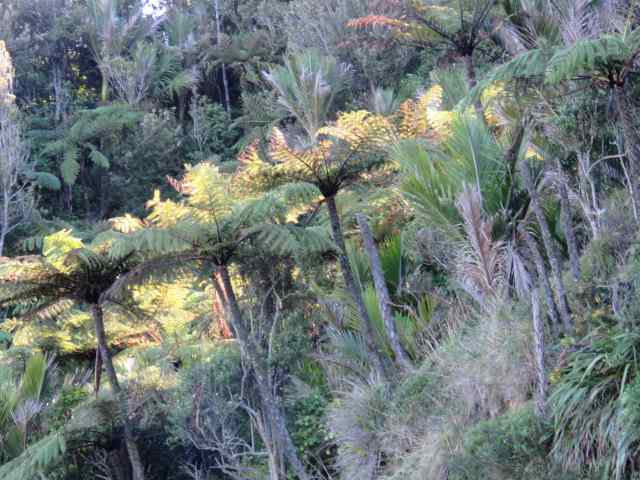
Regenerating native vegetation on a roadside bank just north of the Tongaporutu Bridge. it was beautiful enough in the morning light to make me stop the car to look but it is not a garden.

I am with Monty Don, though. I think, by definition, a garden requires a human vision, a sense of aesthetics and human hands in its creation and ongoing management. Nature can be very beautiful and natural environments can nourish the human spirit or even take one’s breath away; Nature can establish and support an extensive ecosystem if given the opportunity. But that does not make it a garden. Wild gardening or naturalistic gardening is a human attempt to find the meeting ground between a garden and the natural environment that also fulfils a purely human aesthetic.  
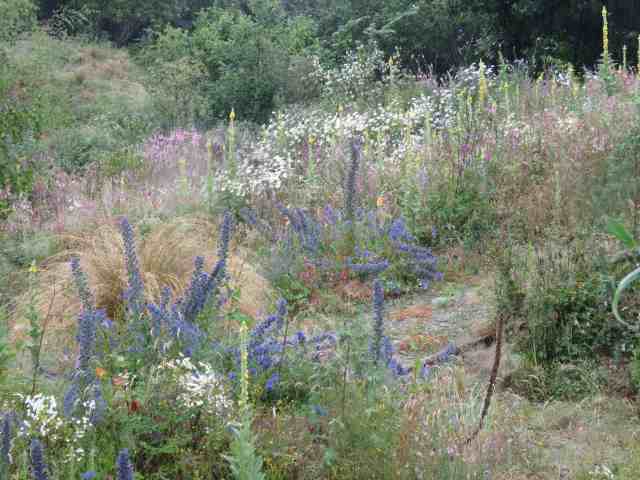
This is from one of our most favourite gardens ever – Wildside in North Devon. Most of Keith Wiley’s remarkable garden is anything but wild – it is highly detailed naturalistic plantings. This was a new area he was just starting to expand into and it had that loose, soft feeling that I associate with wild gardens.

Go back

Your message has been sent

Warning
Warning
Warning
Warning

Matrix planting – a skill worth pursuing

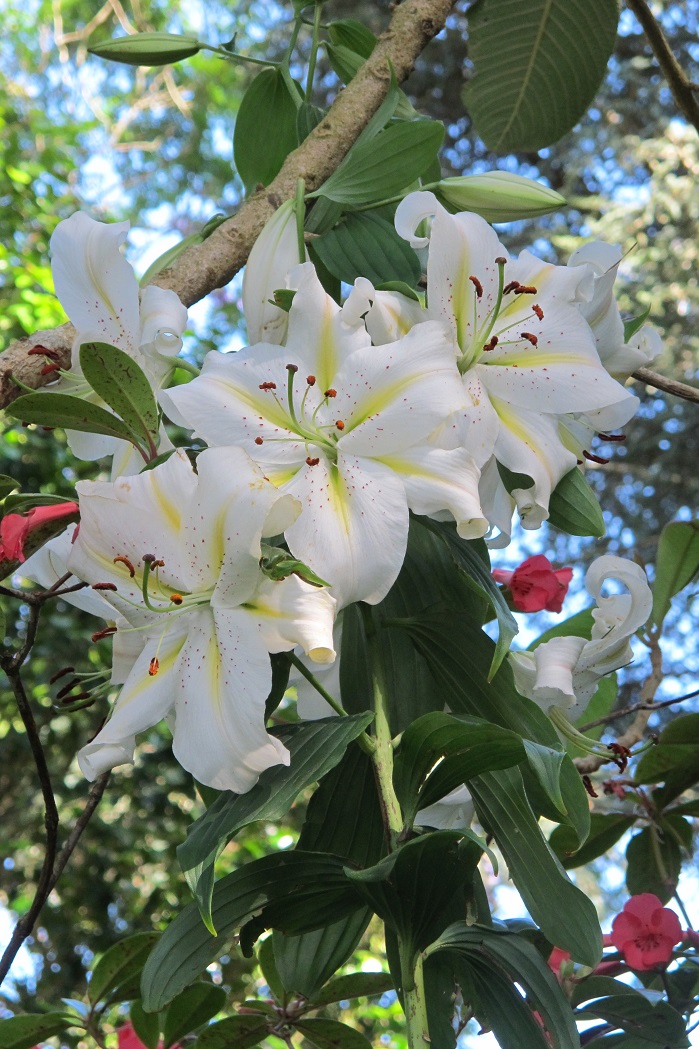
The auratum lilies -now dormant – called to me for some attention

Many gardeners will recognise the situation where one heads out to the garden to do something and what initially seemed to be a straightforward task escalates into one that is considerably more major. I shall dig and consolidate the lily bulbs in the avenue garden, I thought to myself. They haven’t been touched for years and are somewhat higgledy piggledy around the place. It escalated. Of course it did.

After more than 20 years…

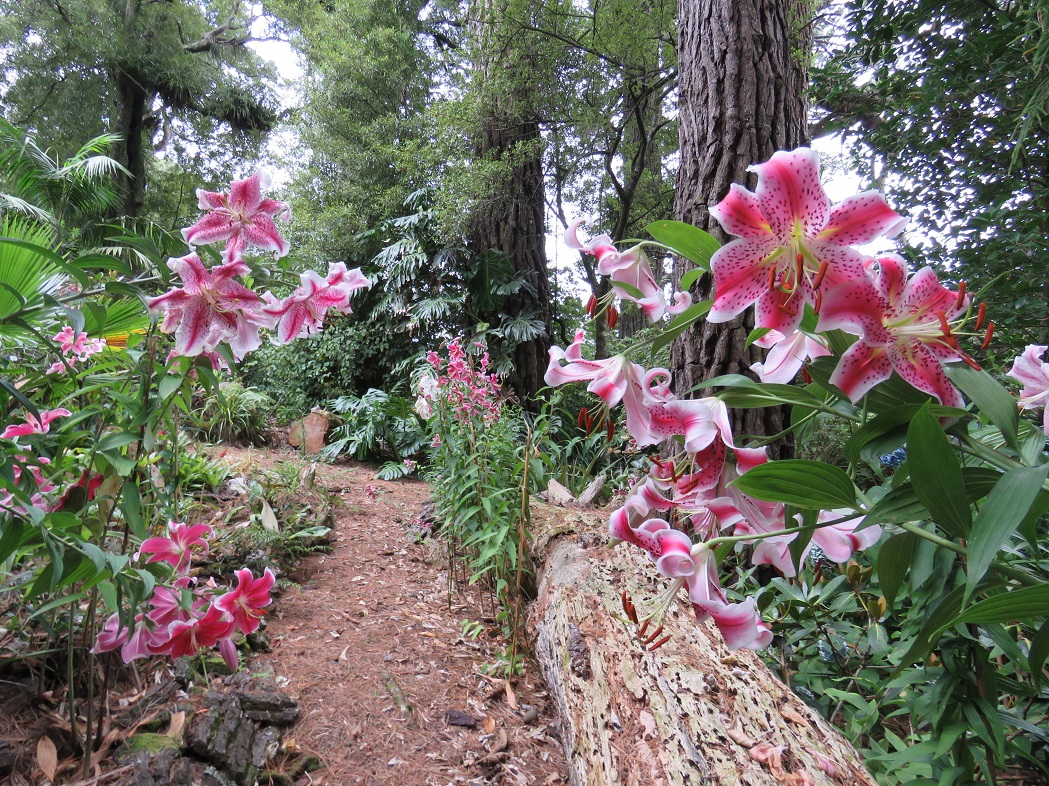
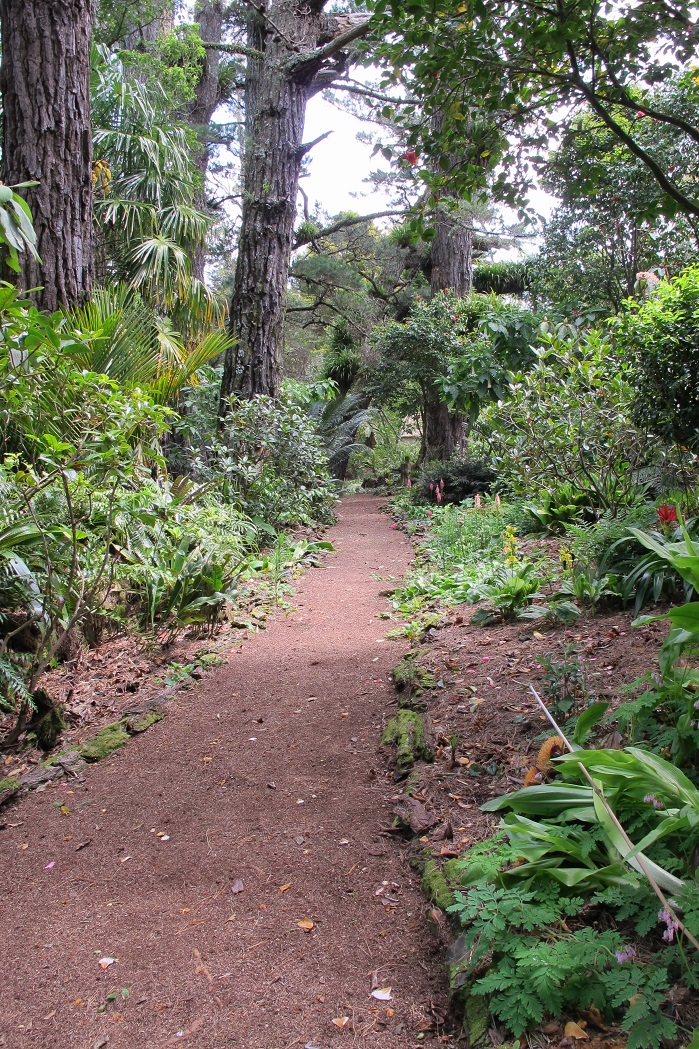
“I am surprised they are still there, really,” said Mark. “It must be 20 years since I planted them and some of those now are seedlings from the originals.” It is probably more like 25 years since Mark planted the lower beds of the Avenue Gardens. No major work has been carried out in the time since, bar clearing up after the occasional treemageddon. We do a tidy-up from time to time and most years the lilies get staked. Nothing has been fed and not a lot new has been planted, just the occasional removal of a dead plant and plugging the gap if need be. I ended up going over almost every square centimetre of the area and becoming familiar with every plant, not just the lilies.

Remarkably low maintenance in the long term

As the days passed, my awe at the skills Mark used when planting the area grew. Matrix planting. That is what it was at the time – a highly complex planting of a whole range of different material, most of which has stood the test of time and is still there. It is the stability and the compatibility of the plants used that makes it a matrix – a form of sustainable gardening that is worth attempting to come to terms with.

When I did a net search looking for a definition of matrix planting, I found a fair number of recent references attributing it to renowned Dutch designer, Piet Oudolf. Oudolf is a giant in the contemporary international garden scene and he may have popularised matrix planting as a concept but he did not come up with it.

Orchids a-plenty in early October

As I told Mark how much I admired his skills in carrying the original planting 25 years ago in some areas, he just shrugged it off and said, “I was only copying what my father did”. Indeed, we still have areas in the garden that Felix planted from the 1950s onwards that remain stable, interesting, timeless and remarkably low maintenance today. These are mostly in shade and semi shade whereas Oudolf’s contemporary work that I have seen is predominantly in open, sunny conditions.

It is the sustainability and low maintenance with a high level of plant complexity that makes matrix planting so important. Without a high level of plantsmanship, you end up with utility, mass planting of few varieties – the hallmark of many contemporary landscape designers who have to plant clients’ gardens with reliable selections so they can not take risks. And people who pay professionals tend to like the tidiness of uniformity. Without sustainability, you have much higher maintenance requirements. This may not matter much in a small garden but if you are managing a large area with a low budget and low labour input, that stability of plant relationships is critical to keeping it all manageable while maintaining a high level of plant interest.

When I talk about a complex planting, I mean different layers and a mix of trees, shrubs, perennials both evergreen and deciduous, bulbs and a smattering of self-seeding plants. In this area, we start at the top with a layer of massive old man pines which are up to 50 metres high. At a lower level, we have rhododendrons (a few, in better lit areas), vireya rhododendrons, cordylines, brugmansia, palms, a few cycads, hydrangeas and the like). At ground level we have trilliums, Paris polyphylla, assorted varieties of bromeliads, Helleborus x sternii, argutifolius and foetidus, orchids (mostly dendrobiums, calanthes, cymbidiums and pleiones), veltheimias, hippeastrums, the aforementioned lilies and a whole lot more. I did say it was a complex planting.  Oh, and lots of clivias in red, orange and yellow. Being in the shade, we don’t get a lot of weeds but the naturally occurring vegetation needs to  be managed and thinned – assorted ferns, macropiper (kawakawa, pepper tree or, botanically, Piper excelsum), native astelias and collospermum, even seedling nikau palms and cordylines.

Lifted, divided and replanted after many years

The surplus from this one small batch amounted to 3 or 4 barrow-loads

I was amazed at how much I could remove without making it look different, just tidier. I lifted entire blocks of bromeliads and reduced them to a shadow of their former selves. After replanting this patch, I removed four laden barrows to dump but it still looks well furnished.

At the end of about three weeks, I decided I had done as much as I intended to. I didn’t need to add much new material at all. That is why I was in awe at Mark’s original plant selections and plantings. And while it was a larger job than I originally envisaged, if that sets it up so that it can be maintained with the lightest of intervention over the next two decades, that is a good outcome.