Tag Archives: narcissi fly

In The Garden: November 18, 2011

A fortnightly series first published in the Weekend Gardener and reproduced here with their permission.
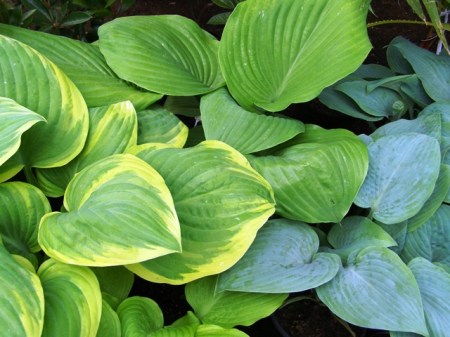
Planting out hostas now

Planting out hostas now

With our annual garden festival (now the Powerco Taranaki Garden Spectacular) over, it is back into the garden with a vengeance. The festival is incredibly important to us but standing on concrete all day every day for ten days on end, meeting and greeting visitors is far more tiring than a hard day in the garden. Unless we have a very wet spell, it is late for planting out woody trees and shrubs. Large plants will now be heeled into the vegetable garden because it has very well cultivated soil and offers easy planting and growing conditions, to be relocated next autumn. Any planting now requires wetting the root ball thoroughly. We plunge the plant, pot and all, into a bucket (or a drum for large plants) until the bubbles stop rising which means the root ball is saturated. This can take anything up to 30 minutes. Once a root ball has dried out, it is very hard to get it to take up water again without soaking.

We will continue planting out perennials, particularly hostas and bromeliads. Perennials in full growth can be divided now, as long as they are well watered and planted into well dug soil where they can get their roots out easily. We mulch with compost as a matter of routine, to enrich the soil and to keep moisture levels up in the soil before summer arrives. It also controls weeds, as long as you make a hot compost mix which kills any seeds in the composting process.
Top tasks:

1) The daffodils in the lawn need to be lifted and separated. I will only replant the large bulbs. They have been there for many years and the flowering is now greatly reduced which means that either they need dividing or we have a problem with narcissi fly in them. If I leave it any longer, I won’t remember exactly where the bulbs are because the grass will cover them.
2) Narcissi fly are on the wing. They look like a small blowfly but with a yellow abdomen. Removing all foliage from narcissi bulbs will reduce problems as long as I cover the bulbs with dirt so the narcissi fly can’t lay its eggs in the hole left from the foliage. Mark also stalks the flies individually with a little sprayer of Decis, which is a synthetic pyrethroid.
3) Label overcrowded patches of spring bulbs which need lifting and dividing when they are dormant over summer.

In the Garden this Week: November 5, 2010

· Narcissi fly are on the wing, circling in search of somewhere to lay their eggs. It is the hatched larvae which will burrow in and consume bulbs, causing the damage from inside out. The flies start circling in the heat of the day. Mark can be found in our rockery stalking them individually with his little sprayer of Decis, which is a synthetic pyrethroid. The non chemical alternative is to stalk them with a fly swat in hand but you have to be very quick to get them. Removing spent foliage and mounding the soil a little deeper over the bulbs will also help protect them. Narcissi (daffodils) need 65 days of growth in order to make the bulbs strong for next season so as long as you recall seeing the foliage emerging by late August, it is safe to strip it off now. Narcissi fly attack daffodils, hippeastrums, snowdrops, snowflakes and quite a number of other bulbs growing in sunny positions. The offender looks like an inoffensive small blowfly but with a yellow lower abdomen.

· In the vegetable garden, leave the brassicas now til the end of summer (that is the cabbage, broc, cauli family) because the white butterfly will decimate summer crops but you can be planting pretty much anything and everything else now – lettuces and all salad veg, peas, green beans, runner beans, cucurbits, main crop potatoes, kumara, yams, tomatoes. If space is very limited, go for quick turnaround greens and higher value crops rather than those that take up a lot of space (in other words lettuces and capsicums rather than gherkins and pumpkins).

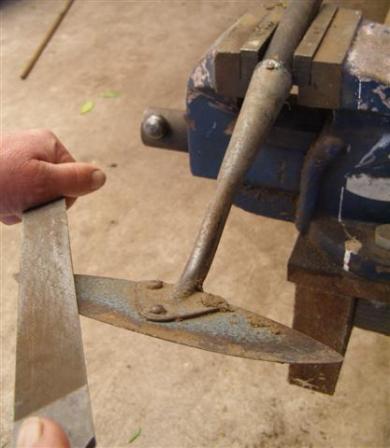
Keep your push hoe sharp for good results

Keep your push hoe sharp for good results

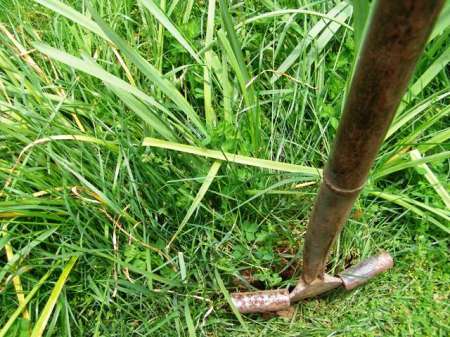
· Stay on top of the weeding. Regular push hoeing before plants have a chance to set seed is very effective, especially done on a hot, sunny day so the weeds wither and die quickly. Push hoeing also keeps the soil tilled and friable. It is easier if you keep your push hoe sharpened – you can do this with a file from time to time.

· If you have not covered your strawberries yet, you are risking your harvest. The birds don’t understand about waiting until they are ripe – as soon as they showing any sign of red, they will be into them. Use bird netting held up with cane hoops or something similar. Laying straw or dried grass beneath the plants helps keep the fruit clean and reduces the chances of rotting if we get a wet spell.

· Water container plants daily now unless we get rain. A little often is the mantra.

· Coating your fingers in cooking oil before going out to deadhead rhododendrons stops the sticky goop on your fingers.

· If you have small children in your life, plant a few sunflower seeds with them and go for the giant heads. They will need staking and tying in due course but it is a pretty amazing experience for little ones to see plants which will grow quickly to three or four metres and have a spectacular flower head. They won’t forget it.