
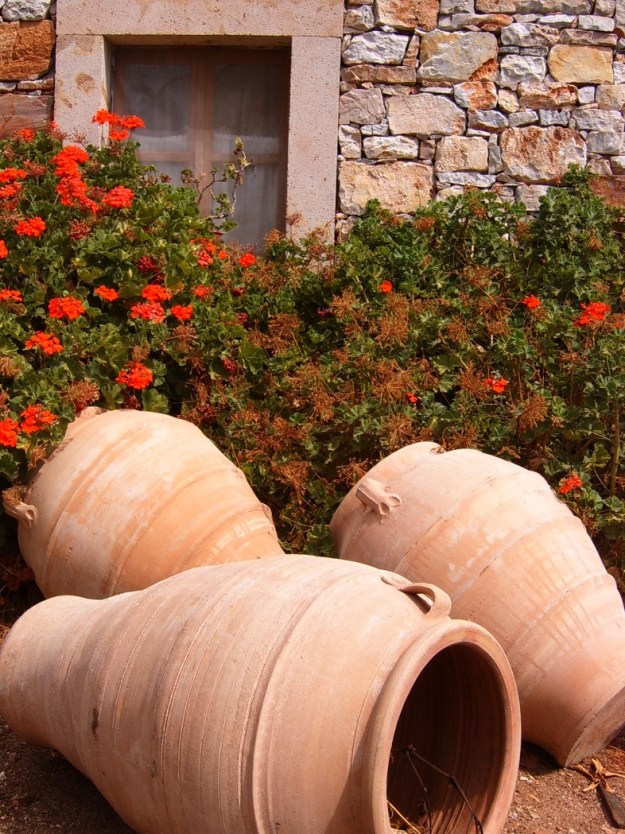
I loved my one, limited trip to Greece in 2004 but didn’t see a lot of vegetation
I like travelling. I am also mindful that in these rapidly changing times, the ability to fly across the world on a whim may be a privilege with days that are numbered. In fact, I feel defensive about even owning up publicly to planning another trip. But I am and it is very exciting.
The sight of wildflowers growing in their natural habitats can fairly be described as thrilling, for some of us at least. We haven’t seen a lot of it but I have been casting around for a tour that would suit us and I wasn’t overly keen on travelling to alpine meadows as they break into spring. A chance remark from a visiting friend put us onto a small tour company whose speciality is wildflower tours. The company is led by Christopher and Basak Gardner whom some readers may know as the authors of a beautiful book “The Flora of the Silk Road”. Another NZ colleague whose opinion we trust gave a ringing endorsement, having gone on two different tours with them.
Just look at the enticing small tours Vira Natura offer. We are opting for the summer tour of the Pindos Mountains in Greece where the temperatures will be cooler than down on the coast at that time of the year. Lots of summer wildflowers, including Lilium chalecedonicum, and a small group, staying in traditional hotels, led by a botanist.
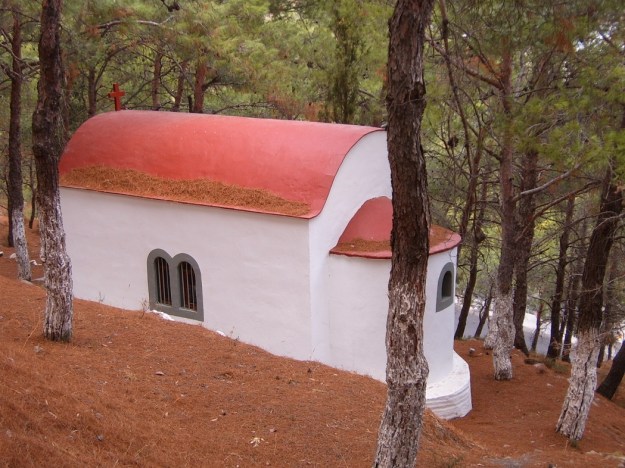
Patmos, not Pindos, in 2004 but Greek at least
I have only been to a small part of Greece – an island-hopping trip in the Dodecanese with Second Daughter who was living in London at the time. I absolutely loved it and have longed to return. But Mark’s interest in arid island landscapes and swimming in the warm Mediterranean sea might last two days at the most before he became bored. And I could never inflict an island-hopping tour on him when he can get seasick out snorkelling, let alone travelling on ferries and catamarans. A land-based wildflower trip, however, is something that will delight both of us.
Because we are travelling so far, we will likely tack another week or ten days on to the end of the trip and head over to England (despite Brexit and all that). We are really keen to track how some of the naturalistic plantings we have seen have matured with the passage of a few more years. It is all very well to look wonderful for the first year or two, but how is it five years or more down the track? The Missouri Meadow at Wisley that so enchanted us in 2009 did not fare well but no doubt lessons have been learned. Meadows, prairies, wildflowers and naturalistic plantings may not need the heavy maintenance input of more traditional garden styles but they still need skilled management.
I offer our tentative list with the thought that some readers may have recommendations or comments to make. This will be mid-July, so heading into high summer. 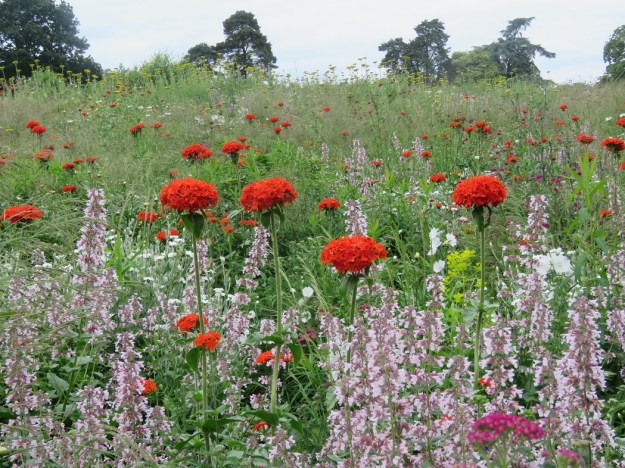
London – I want to revisit the Nigel Dunnett planting at the Barbican that so delighted us on a previous visit and I can’t think why we have never been to see the Oudolf plantings at Potters Fields. Then up to Trentham Gardens near Stoke-on-Trent, primarily to see how the Dunnett plantings are maturing and to see the more recent additions he has made. We are particularly interested in his work. There is also a major magnolia planting there and we would like to see if any of ours have been used.

Wildside, a very special private garden in our opinion
Heading further north than we have been before, we are thinking of visiting Lowther Castle in Cumbria, mostly to see the gentle romance of Dan Pearson’s recent work. While up there, we would add in the outrageous, historical topiary of Levens Hall and probably pay a return visit to Arabella Lennox-Boyd’s lovely garden, Gresgarth (if it is open). Heading south, there has been so much talk about Piet Oudolf’s plantings at the Hauser and Wirth Gallery in Somerset that it would be a pity to miss them, even though we have a fairly good understanding of the Oudolf style now. Then to North Devon to see Keith and the late Ros Wiley’s particularly special garden called Wildside. We have been twice before but it remains our absolutely all-time favourite garden other than our own. It is worth the journey. We will go as far as arranging the dates and itinerary around Wildside’s limited opening days.
Heading back towards London, I would like to see Derek Jarman’s garden, even if it is only a brief stop en route. His book about the making of his garden is the best personal account I have read of any garden.
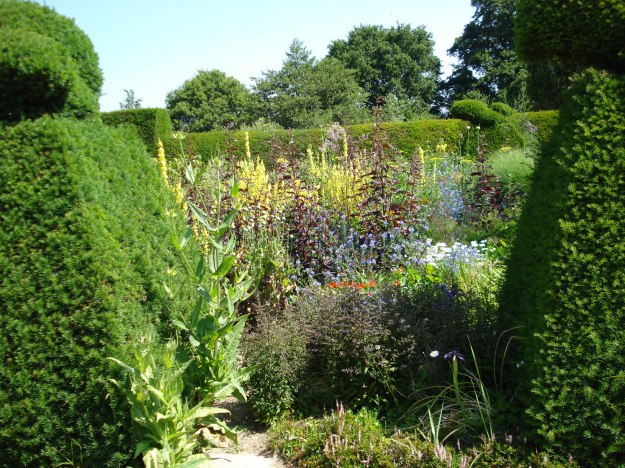
I am not sure how well we understood Great Dixter back in 2009
Finally, on this whistle-stop tour, we may revisit Sissinghurst to see what changes the outgoing head gardener, Troy Scott Smith and advisor, Dan Pearson have wrought in recreating the romance of Vita Sackville-West and Harold Nicholson’s original creation, which had become largely a distant memory in the face of ever-growing crowds of visitors. And we probably should have a second look at Great Dixter. We would look with different eyes now and it is time to lay to rest the most enduring memory of our one previous visit when we encountered some gardening underling who had clearly failed at Gardeners’ Charm School. It is not fair to judge the life’s work of Christopher Lloyd and, more recently, Fergus Garrett on the shortcomings of one graceless underling. Besides, on our only other visit, rather of a lot of what we were looking at seemed like serendipity. I think now we may have fine-tuned our observation skills and understanding to the point where we can discern what role careful editing (in modern parlance) plays in creating this experience of happy chance when it comes to keeping a light but skilled hand on garden maintenance.
Mark’s comment is that it should be really interesting to look at real wildflowers in the wild and follow it up with looking at the application of that naturalistic style in the more managed context of gardens and amenity plantings.
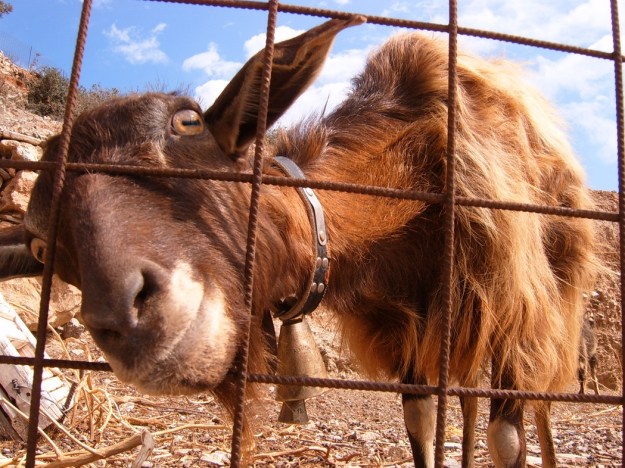
Finally, Greek goat, as seen on the tiny island of Lipsi
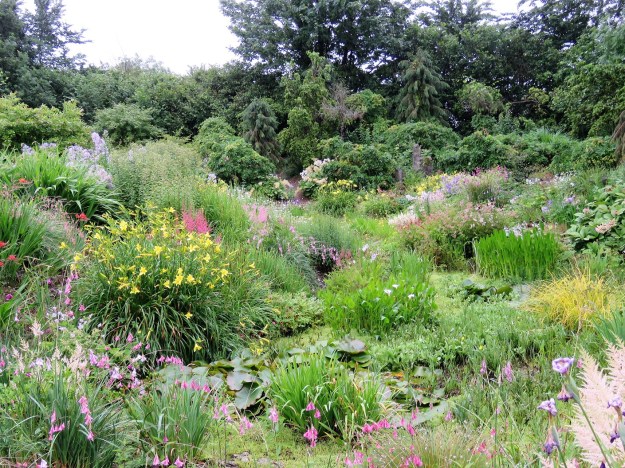
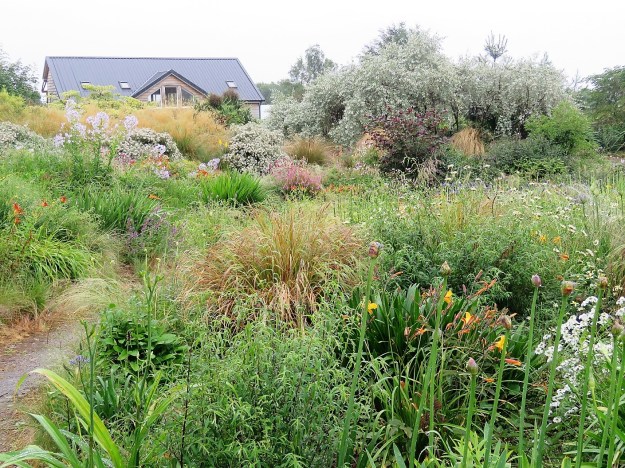 Keith and Ros Wiley had shut the garden for the past two years in order to start building their house and are still only open for very limited days but it is worth planning a trip around those days. It was interesting to see the way in which the building of the house gave a central heart to what is a private and very personal garden. But also, we knew we were looking at a situation where the owners’ energies had largely been going into the house in recent times. The garden hadn’t expanded physically into the remaining areas that had already been prepared when we visited in 2014. It will happen at some stage, I am sure. The existing plantings had filled out and softened in the intervening time.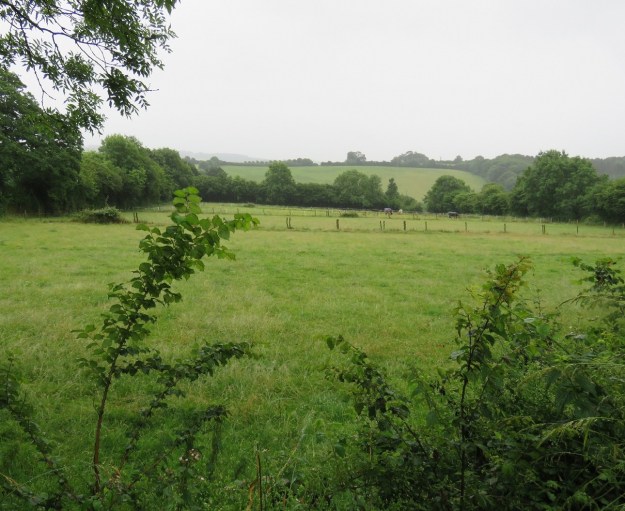
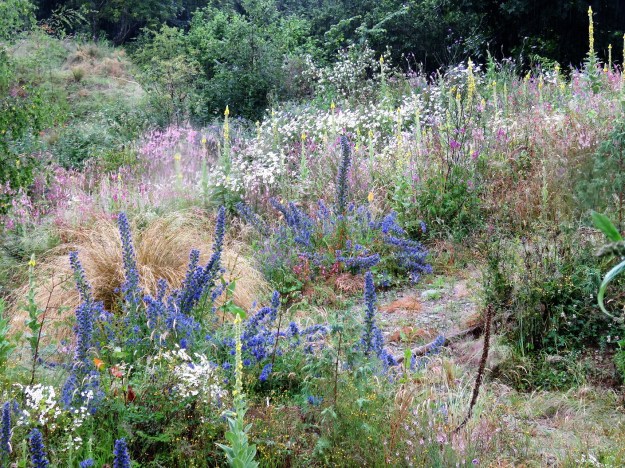
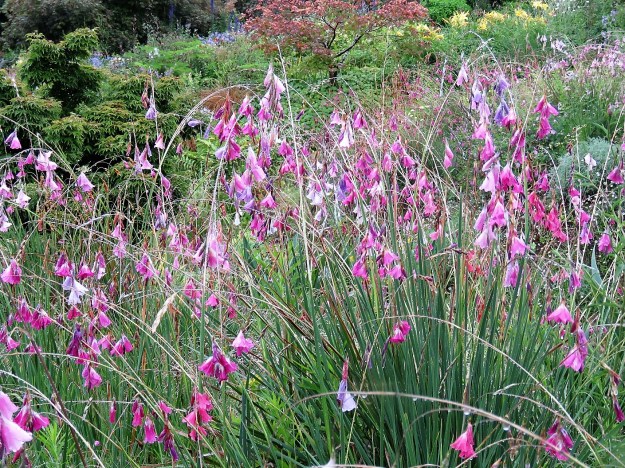
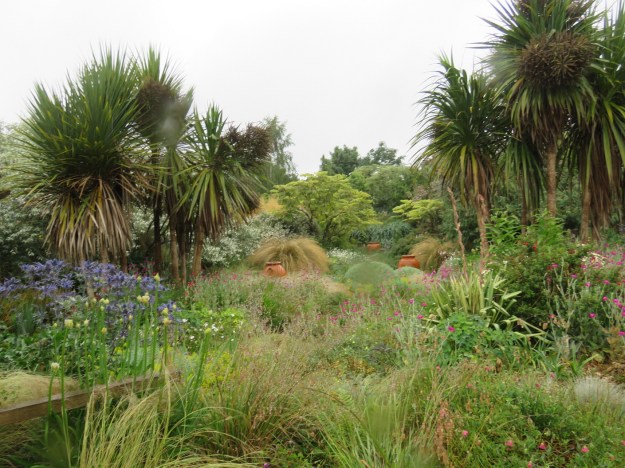
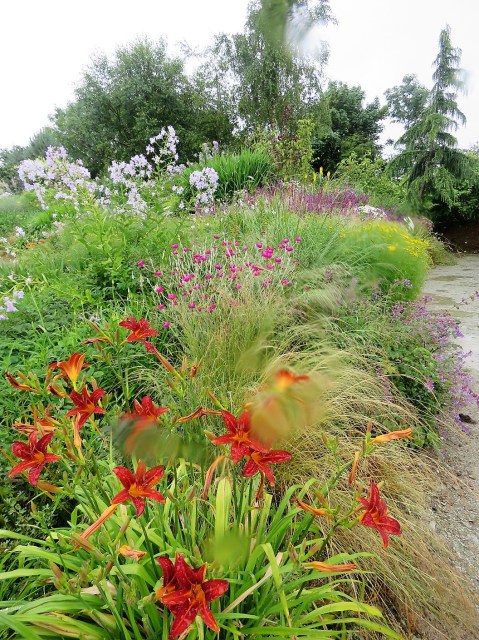
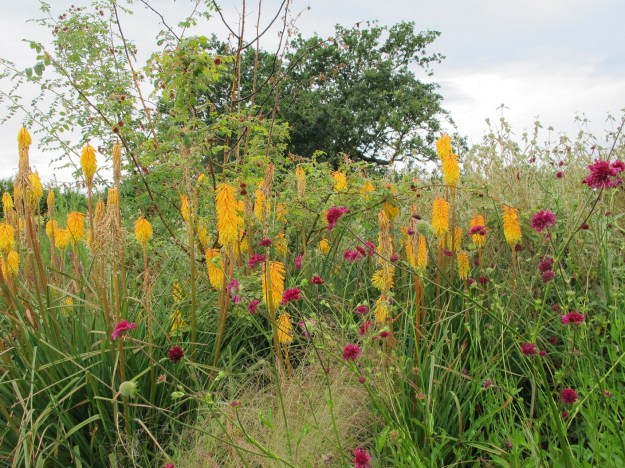 We are off today on one of our garden visiting trips. For the first time, I have felt sufficiently unnerved by international events to register our trip on the Safe Travel site run by our government. That is so they know roughly where we are in case of catastrophe.

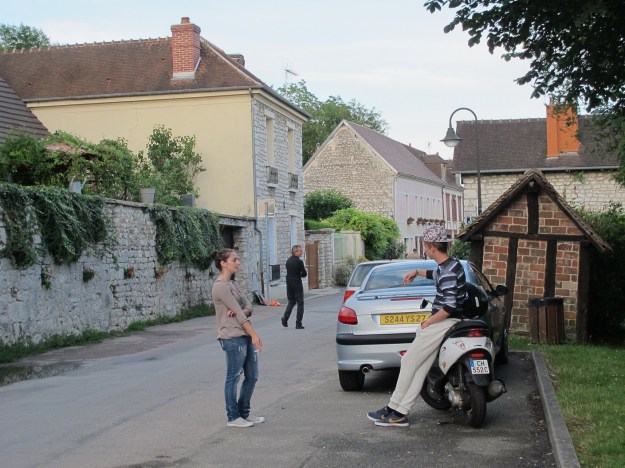
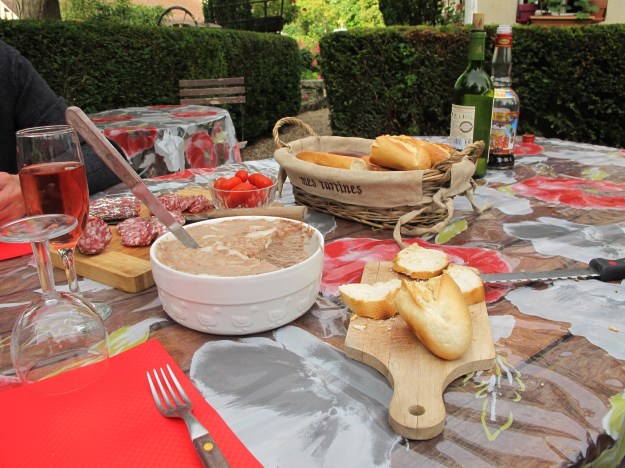


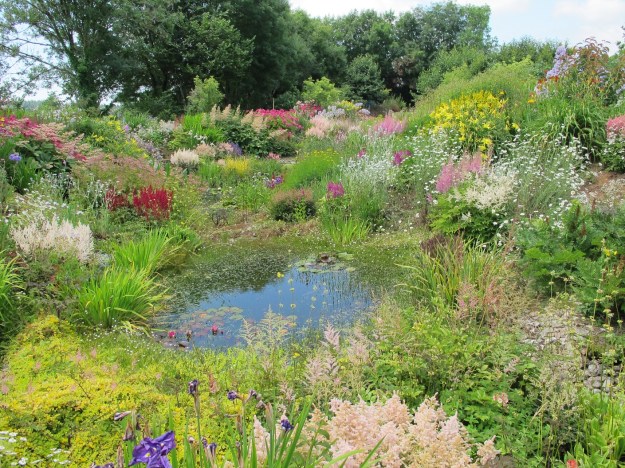
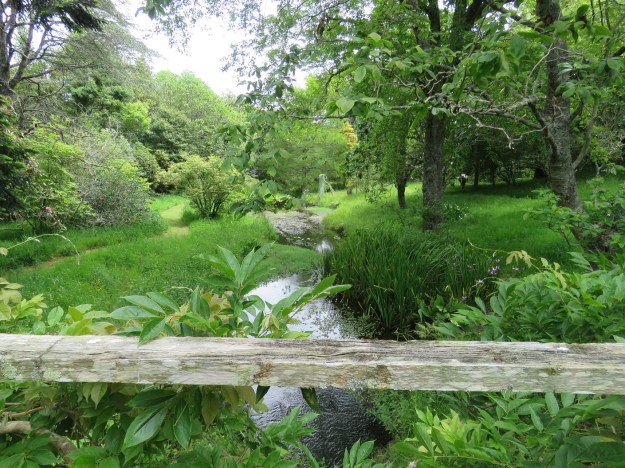
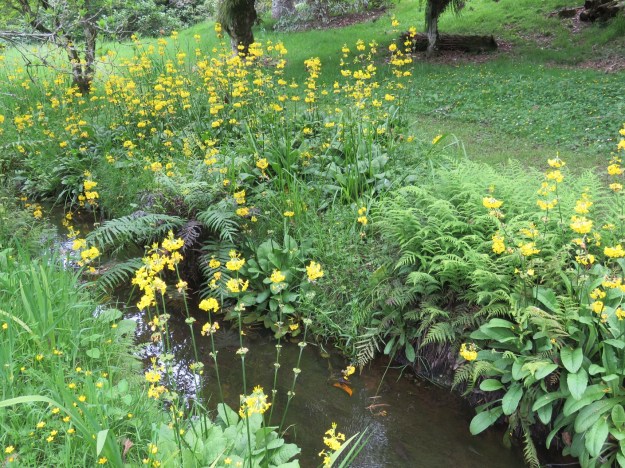

 Now we have long grass with mown paths through it. After three years, there is increasing diversity in the plants moving in. Many are commonly seen as weeds and the whole debate about weeds needs more attention another time. Not just buttercups, daisies and dandelions, though we have those in abundance. We also have Herb Robert moving in (Geranium robertianum), clover pink and clover white, foxgloves, self-heal (Prunella vulgaris), Mark’s stinking billy-goat weed (a stachys), montbretia and more. I am not keen on the docks or thistles, so I try and dig those out. Mark is particularly pleased that we had a lot more brown top in the existing grass mix than he had thought because it has beautiful silky seedheads that wave in the lightest of breezes.

 My first encounter with a garden strongly promoted for its romanticism was in northern Italy – Villa San Remigio. If you have ever been to the Italian lakes district, you will nod in agreement when I say that the whole place seems impossibly romantic. Stresa, Mennagio, Bellagio (the Lake Como one, not the Las Vegas one) – in the right circumstances these are places of charm bordering on enchantment.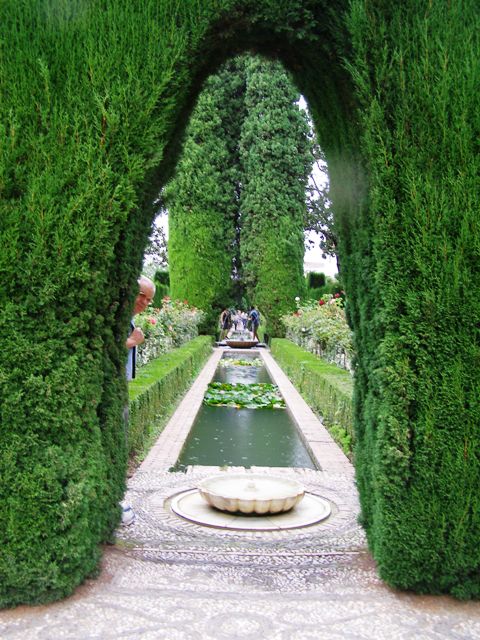

 Tikorangi The Jury Garden