
I am busy a-diggin’ and a-dividin’ perennials. While autumn is indubitably here, the soils are still warm and there should be several more weeks for the fresh divisions to settle in and start to establish before the winter chill of late June and early July. In colder climates this is more commonly recommended as a spring activity but with our distinctly wet spring season and late onset of winter, we prefer to do it in autumn.
I did not realise how much digging and dividing would be needed when we embarked on some large areas of perennials in open, sunny conditions. We have always had plenty growing in shady conditions but they are pretty self-maintaining and undemanding. Give them sun and it is a different story. Sun, mild winters, friable, volcanic soils and regular rainfall – in optimum conditions they R O M P away with gusto.

If I had my time again, there are perennials I would not unleash to start with. Some I have written about before but off the top of my head, I can not recommend planting the following:

- Saponaria (soapworts). Pretty they may be in flower but those underground runners run both deep and far. Dangerously invasive. They are not generous enough on the flowering stakes, to justify their existence. And in the absence of a soap shortage, I do not feel the need to keep them to use the foliage as a soap substitute.
- Jerusalem artichokes – foliage to flower ratio is way too high and they are altogether too enthusiastic at producing tubers.
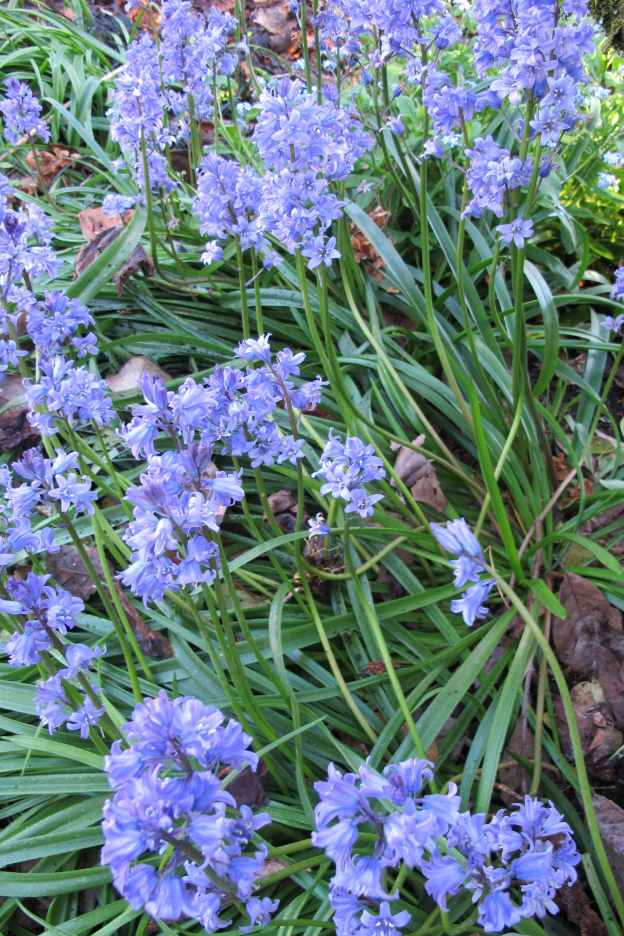
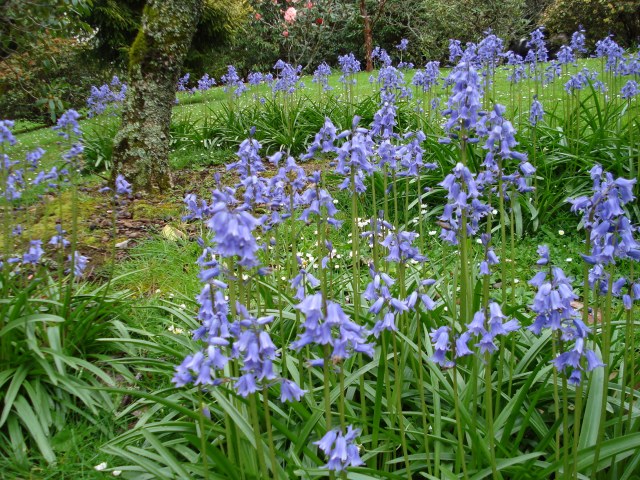
- Bluebells in cultivated garden situations. I am digging out every one I come across, knowing there will be plenty I miss but still they are being measured by the bucket-load. They are difficult to dispose of, too. They grow rather than rotting down so I am having to send them to landfill.
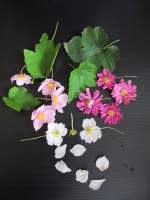
- Japanese anemones. I love the flowers in early autumn but these are another invasive plant genus that either needs to be confined tightly in a garden situation or avoided from the start. Because they put out very long runners, they are difficult to get out when they creep – or sprint, actually – amongst other plants.
- Mondo grass. Mondo grass. Mondo grass. Too much mondo grass here, there and almost everywhere. I am carefully picking out their seeds as I go, too.
- Forget-me-nots, be they annuals or perennials. I love their sea of blue, coming in just after the bluebells and they are easy enough to pull out but I am pretty sure every single seed grows. And they are incompatible with Ralph the dog who is no great respecter of gardens and can spend months coming indoors with multitudes of sticky little forget-me-not seeds all through his fur.
- I have now added violets to the banned list too, after spending yesterday digging out plants I am sure snuck in and weren’t planted. They may have a sentimental attachment, being Mark’s great grandmother’s violets but it doesn’t stop them being invasive. They are another plant that will entwine themselves amongst the roots of neighbouring plants so I have had to dig those out too, to extract the interloper.
There are other plants that need caution and constant management. Crocosmias and ixias are in that group. I removed yellow crocosmia bulbs by the bucket load in late summer but I am aiming for containment on those because I like them in bloom, just not everywhere.
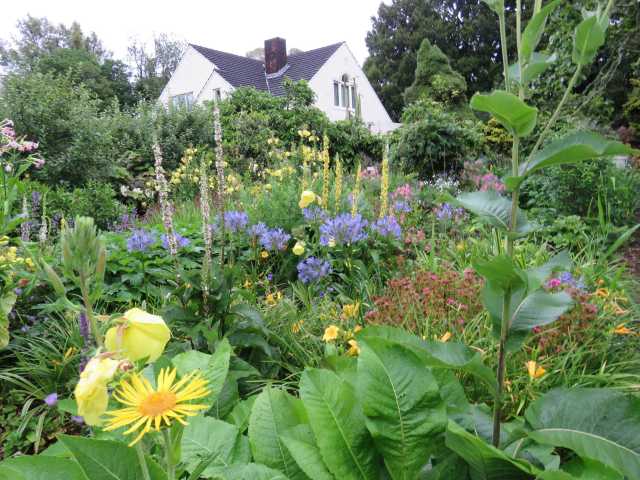
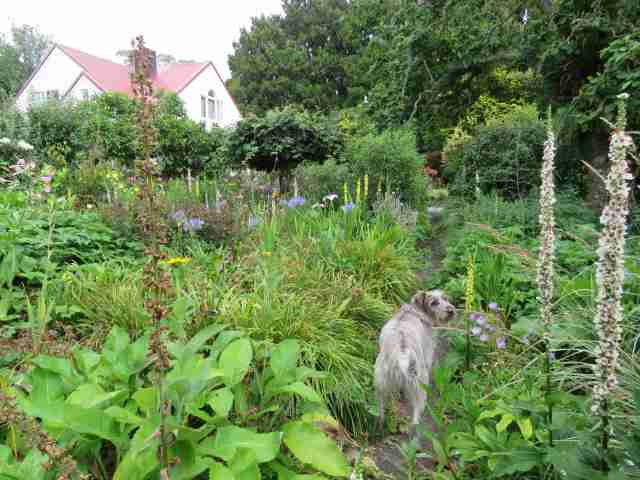
Zach and I have been working our way through the Iolanthe garden, our bee and butterfly garden which is a cross between a perennial meadow and a cottage garden. I planted the whole area up back in 2019. During summer just passed, I thought it wasn’t looking as pretty and flowery as it had been and too many of the perennials were looking scruffy and somewhat rank. I have high hopes for next spring and summer; it had better be good because a lot of work and time have gone into it so far.

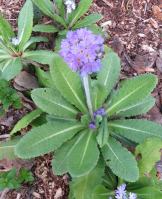
I was distracted from the Iolanthe garden for a couple of weeks onto the border at the back of the sunken garden area. We were in danger of losing the pretty Primula denticulata. At the end of a dry late summer, they were fast dwindling away to nothing. I realise that to keep them going, I probably need to dig, divide and feed with compost every two years. There aren’t a lot of plants I am willing to give that amount of attention but they are one. Some perennials just quietly waste away if left to their own devices. Stokesias and echinaceas also fall into this category. Having started on that border, I had to keep going because the whole border, I realised, had passed over from being relatively anonymous to so unloved that I was avoiding even looking at it as I walked around. I dug the lot and did a full reorganisaton and cull before replanting. That was when I found how dangerously invasive the saponaria is. Those underground runners were up to a metre long, sending up shoots all the way along.
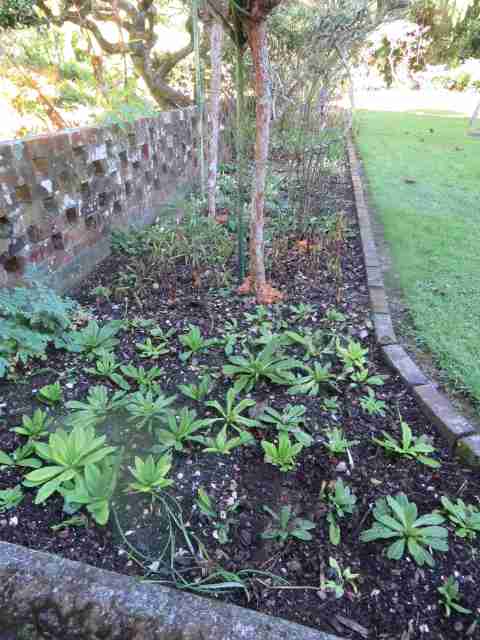
It was interesting, to me at least, moving between the two areas. The border in the sunken garden is planted in defined blocks whereas the Iolanthe garden is much more casual, naturalistic mix and match. Different styles for different areas but no matter what style we choose, we prefer complex plantings involving many different plant varieties to utilitarian mass planting of a single variety. It is more complicated to manage but also a great deal more interesting.
It never fails to surprise me, when I lift an entire area, just how many plants it takes to fill the area back up again with fresh divisions. We want it to look well-furnished by spring and summer so I am planting fairly close together. You would not want to be buying the plants unless you have very deep pockets but the advantage of perennials is that most divide easily. I haven’t had a lot of surplus plants to compost – some sedums, campanula and stokesia but that is about it.
I am not big on anthropomorphism but I like to think of the fresh divisions heaving a sigh of appreciation as they settle back into fluffed up, friable soils still warm from the summer but now moist from the autumn rains. Hopefully, these areas will perform for another five years or so with just spot interventions before the next round of lifting and dividing is needed. This is not a low maintenance style of gardening but neither do we want that.
 Tikorangi The Jury Garden