
We get a tad defensive about our weather here. That has a lot to do with summers that are a little cooler than areas that boast better summer holiday climates and we take longer to warm up in spring. So forgive me for boasting our autumn sunshine hours being the highest in the country for the three months just passed – 1207 hours to be precise. There is a lot to recommend sunny days in autumn and winter.
There are places in NZ that only get 1600 hours a year. We are usually above 2200 hours, sometimes even 2400 but even so we seem to be getting more than our share of sunshine this year. And goodness, we are achieving a lot in the garden.
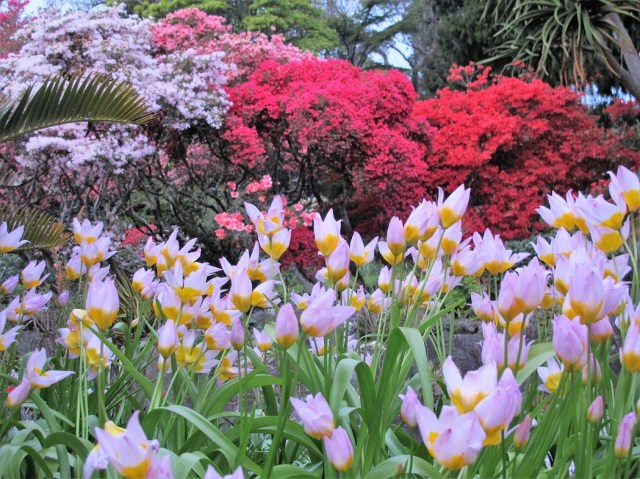
Mark and I have spent the better part of a week tackling the azaleas. Many of these are venerable old plants, mostly Kurume azaleas which are most often seen as low, tight buns smothered in flowers. Years ago, Mark made the call to limb up and thin, rather than to cut down and shape to tidy mounds. Our approach takes more work and we like the grace of the twisted stems which are white with lichen and the overhead carpet look. But, and it is a big but, that canopy needs ongoing work thinning and cleaning or it becomes a tangle of dead twiglets festooned in hugely excessive amounts of lichen. We had left this patch too long and it has been a major task to get it back. It is, Mark observed wryly after a day spent up the ladder carrying out microsurgery, one of those jobs nobody else will notice we have done. But we will notice and it will bring us renewed pleasure.
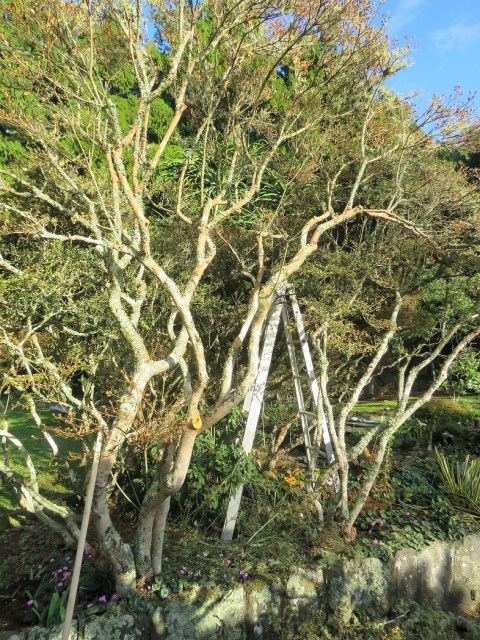
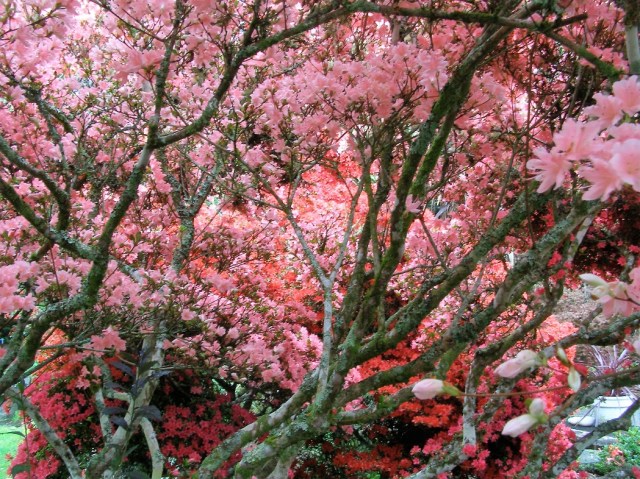
Lichen is apparently a sign of clean air. We could spray it out but we choose not to spray as a part of routine garden maintenance. Being azaleas, we could also cut down hard and let the plants ‘come again’, as is said, but we don’t want to cut down 70 years of growth and clipped mounds of azaleas are a bit suburban in style for our garden.

“Have you any idea what Lloyd is doing?” Mark asked me on Friday as he noticed Lloyd cutting timber and heading down to the park. Yes, I did know. He was adding a lower rail to the high bridge and a very tidy job he made of it, too. He had become aware of the lack of protection for small people when he took his young granddaughter around the garden last spring. While it is certainly not childproof now, at least none will fall off if they take a step backwards. With the height of the bridge and rocky rapids below, it seemed a minor safety measure we could make with relative ease.

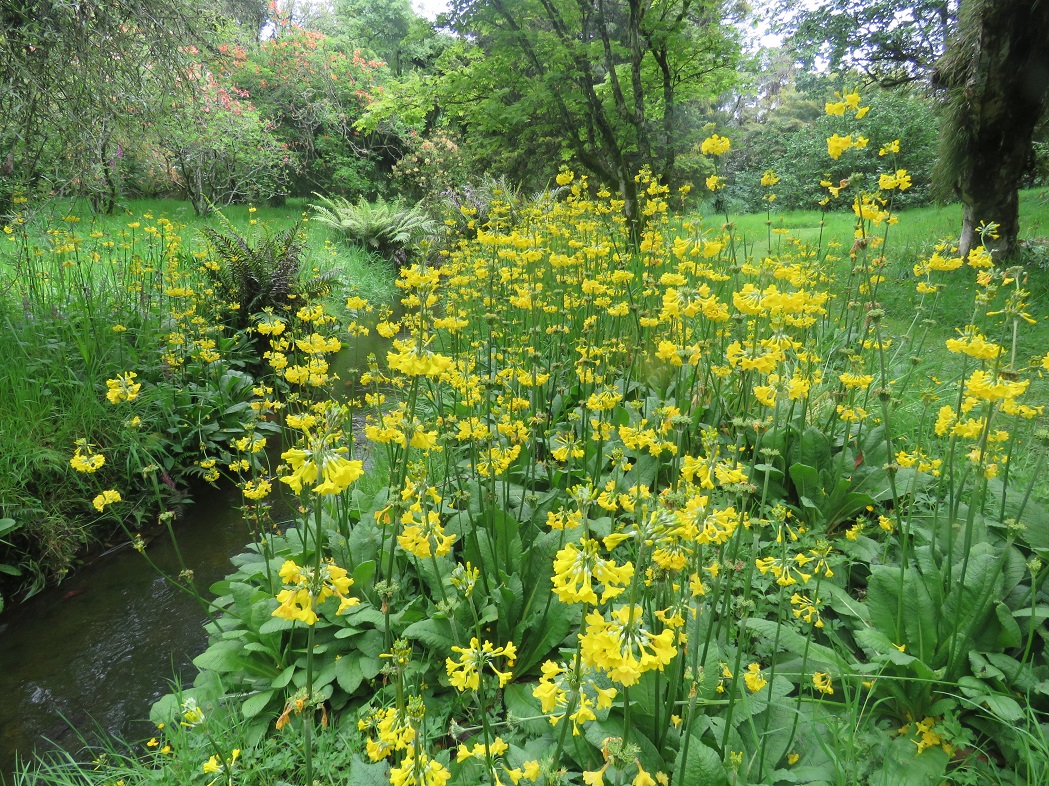
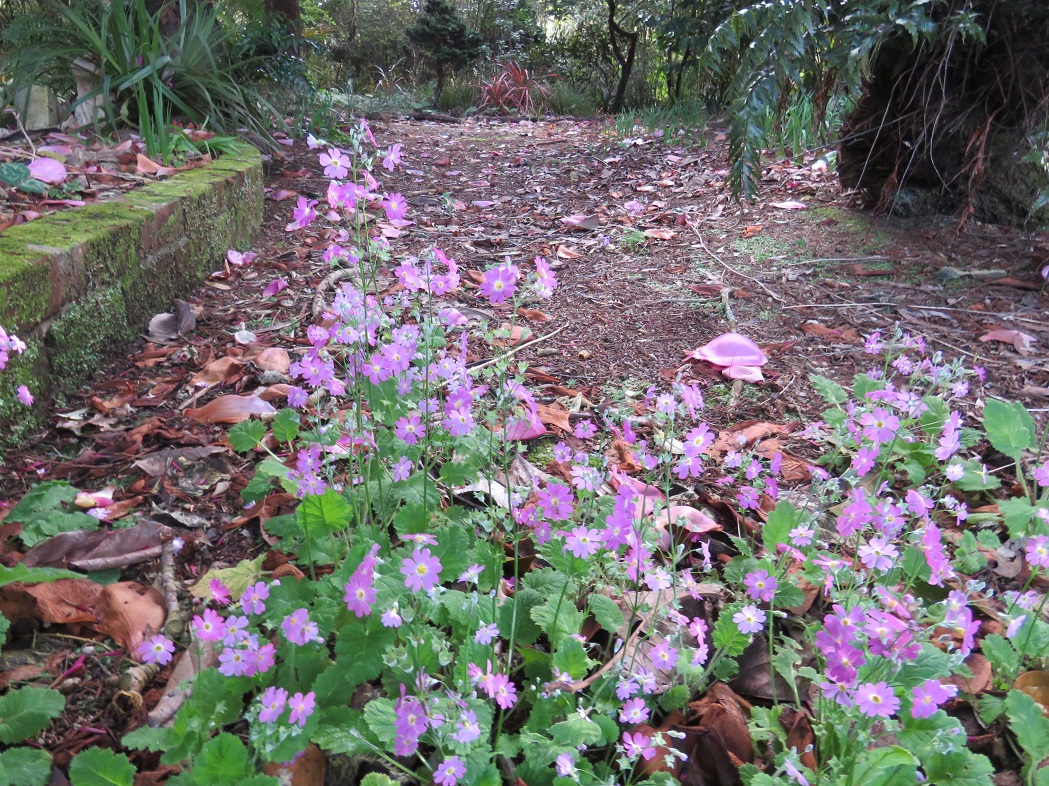
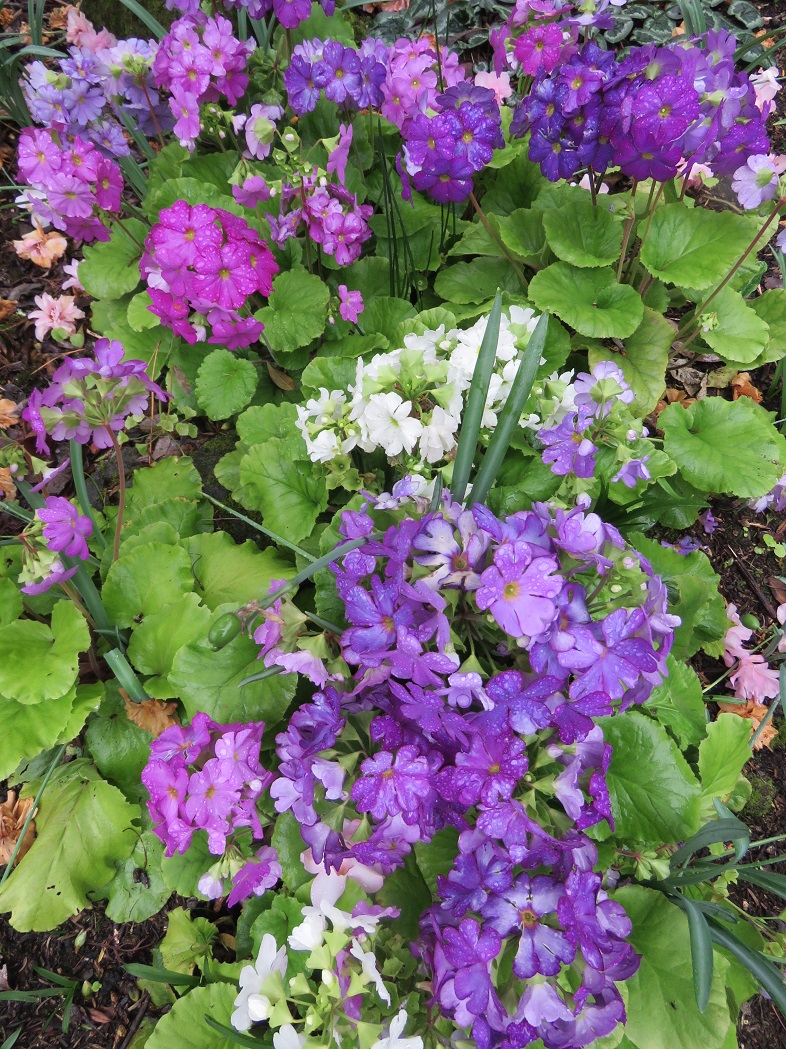
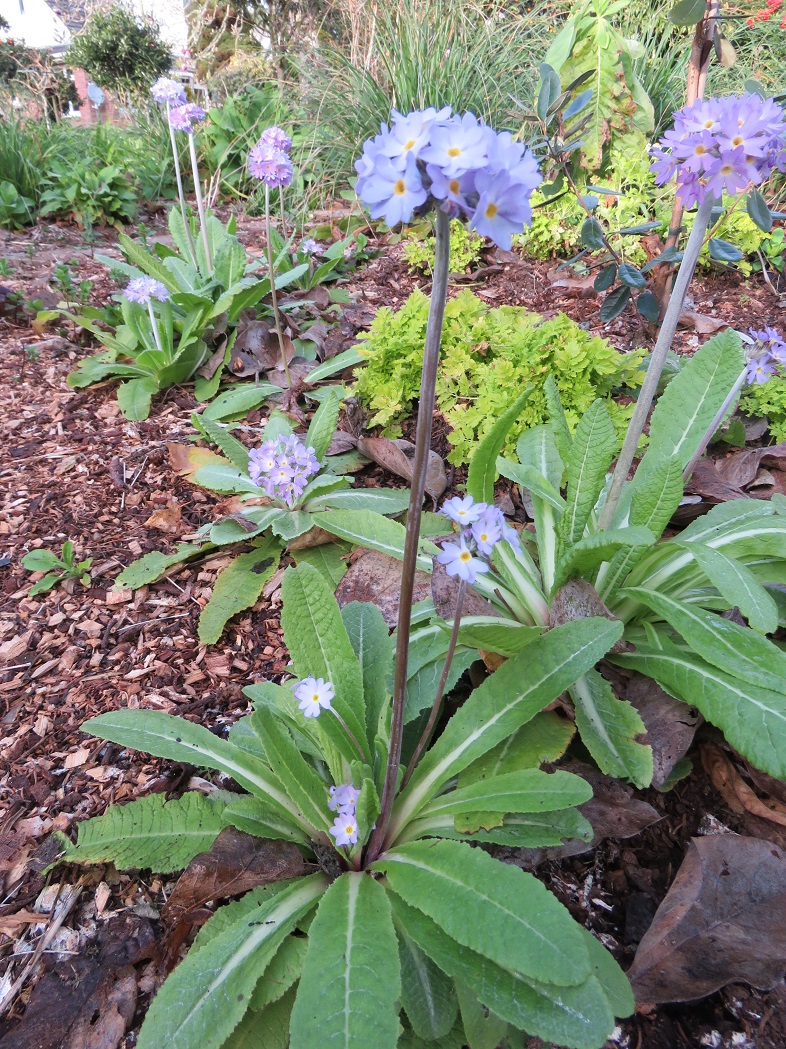
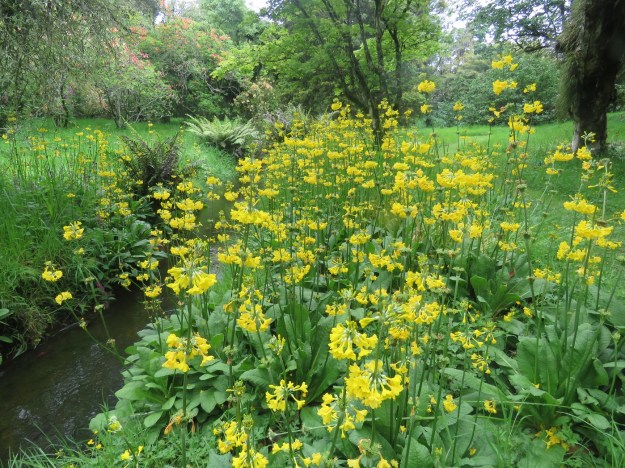
Zach has been solving a couple of longstanding issues down in the park. While the Primula helodoxa puts on a wonderful display in spring, Mark was concerned at the weed potential downstream and wanted the plants removed from the banks and the immediate flood zone so the seed from our plants did not colonise the Waiau Stream from here to the ocean. I had been worrying about two cold, sloping beds with very heavy soil that Mark had put in nearby. While they looked splendid when he first planted them, over the years they had gone back badly and we didn’t really know what to do with them. They were a step too far for us to give them the attention they needed to keep the complexity of suitable plantings and to keep them free of weeds. Last year, when we reopened for the first time in seven years, I took the temporary step of doing a quick tidy-up and getting Lloyd to carpet them in wood chip. That at least made them look cared for but didn’t solve the issues.
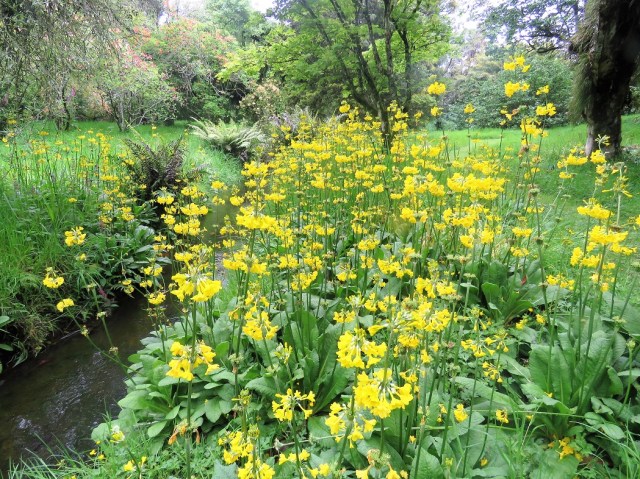
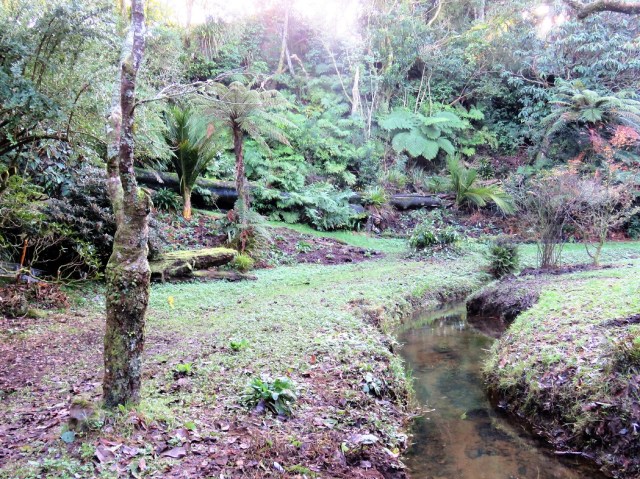
I wanted to incorporate the beds into the meadow we now manage in the park. Zach, bless his energy, enthusiasm and ability to pick up on ideas quickly, has taken on board the concept of blurring the lines between cultivated areas and wilder areas. Sharp demarcations in the garden belong in the most intensively maintained areas. I mean tightly defined edgings, of course. In the more naturalistic spaces, we find a softer transition pleasing to our eyes. The survivors of the original plantings are still there – some very good hostas, trilliums and interesting arisaemas in the main – but now they are interplanted with a hillside of yellow primulas relocated above the flood zone. More meadow than garden and much of the informal ponga edging (lengths of tree fern trunks) has been removed so the meadow grass and buttercups can invade, as it will anyway. I am looking forward to spring to see how seamless it will appear.

Next week, Zach and I will tackle the miscanthus in the grass garden. Normally, I would leave it standing longer into winter but it needs Major Thinning. I am anticipating culling somewhere between 50 and 70% of it, which can be done without it being apparent to anybody else that anything has changed. It does involve digging every plant, dividing some of them and replacing fewer at wider spaces. It needs doing. I badly overplanted them and underestimated how much they would grow. But I learn from every mistake I make along the way. When they are planted too closely and the clumps get large, they fall apart. With smaller clumps and more space, they will hold themselves upright well into winter. I am hoping we can then get away with root pruning them in situ every second year and maybe avoid having to dig and divide for at least another five years. That is the plan.
May our sunny days of early winter continue for another week at least.
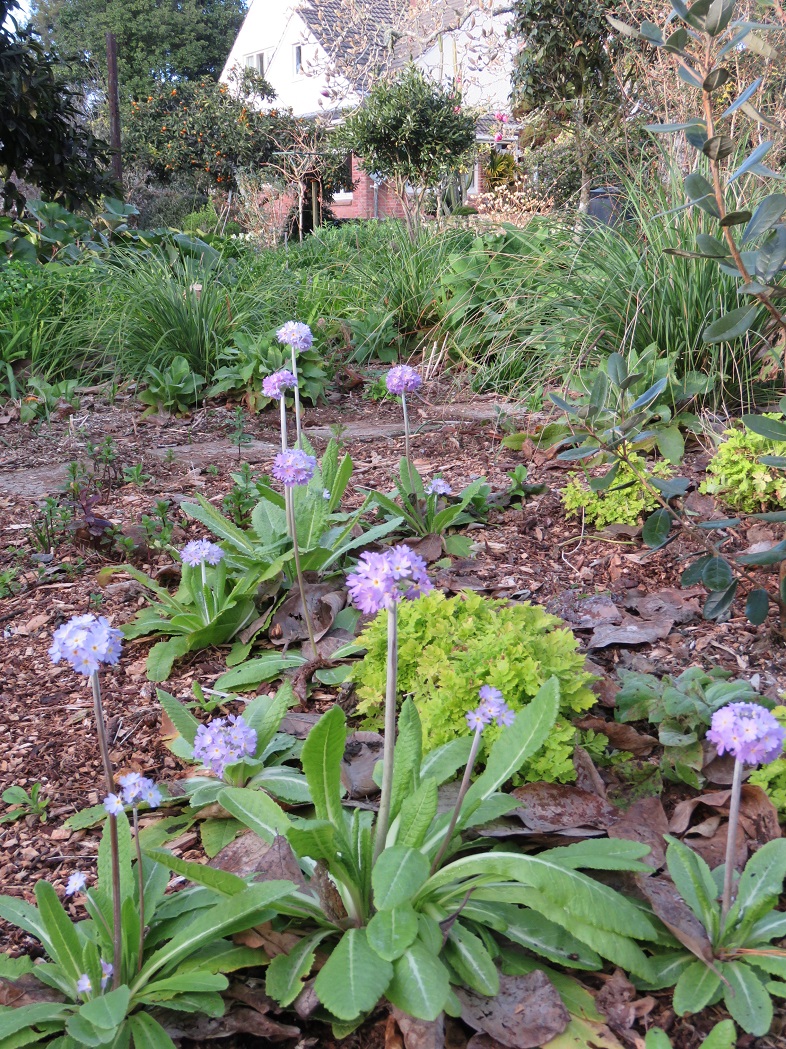
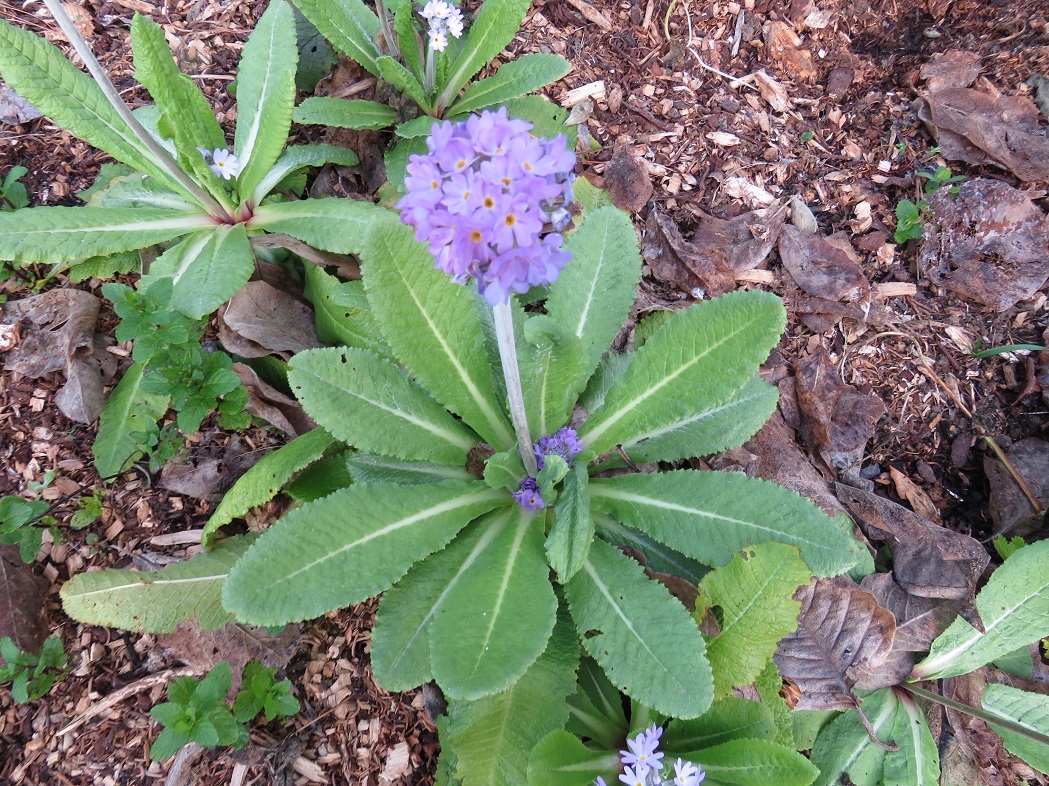

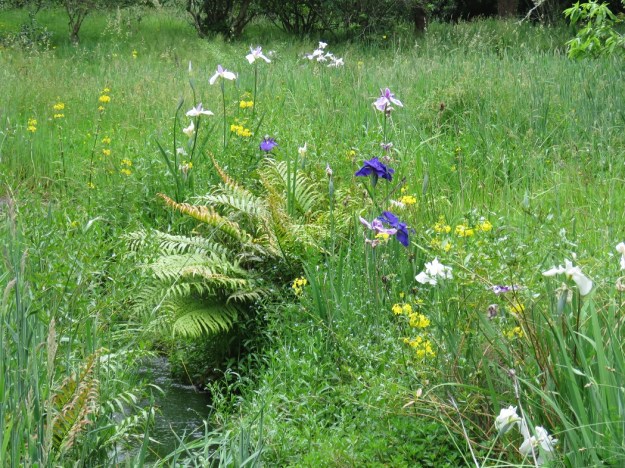 We are now entering our sixth year of managing our park as a meadow. Note the word ‘managing’. This is not just leaving it to its own devices but a much lighter touch than the previous mowing and weed control we used to practice. And in December, as in previous Decembers, my heart just fills with joy at the sight of the Higo iris in bloom. I love all times of the year in the garden – there is always something that delights me – but never more so than the iris meadow in the lead up to Christmas.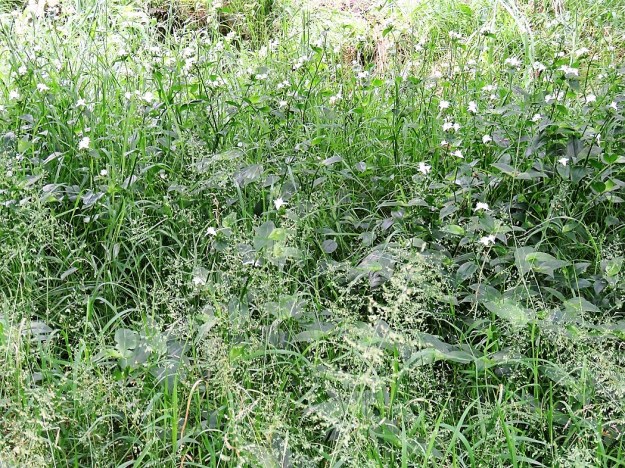
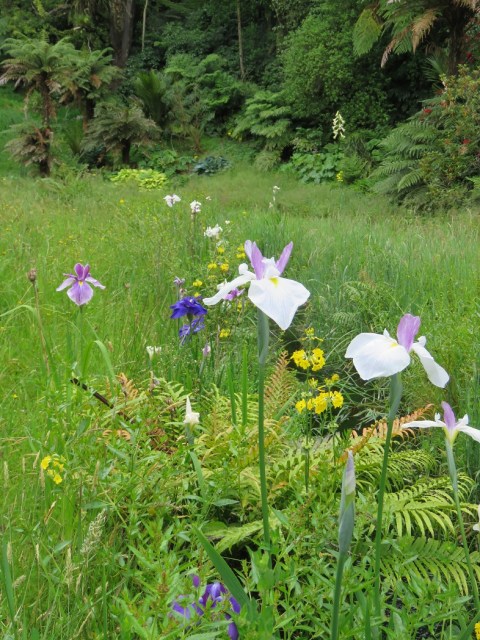 Having a stream flowing through brings responsibilities and these are weighing somewhat upon us. We worry that we are likely to be blamed for every escaped ornamental plant that establishes downstream, even if at least some are washed down from further upstream. The shiny leafed angelica, Angelica pachycarpa, somewhat more prized in overseas gardens but seen more as a weed here, has introduced itself from an upstream property. Don’t believe the
 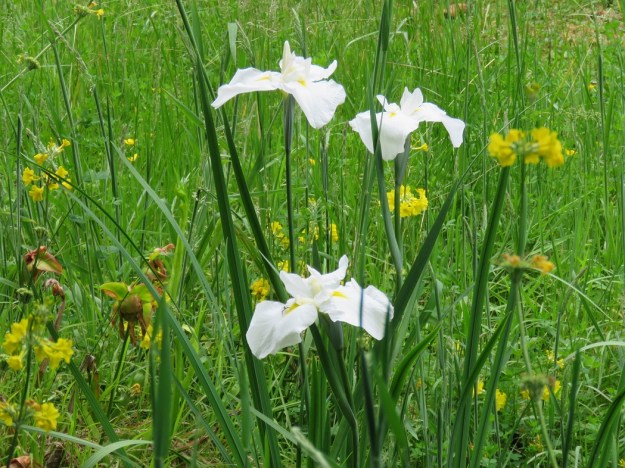 To be honest, we figure that if the beautiful Higo irises establish themselves downstream, that may not matter. They are no risk that we can see. We worry about the
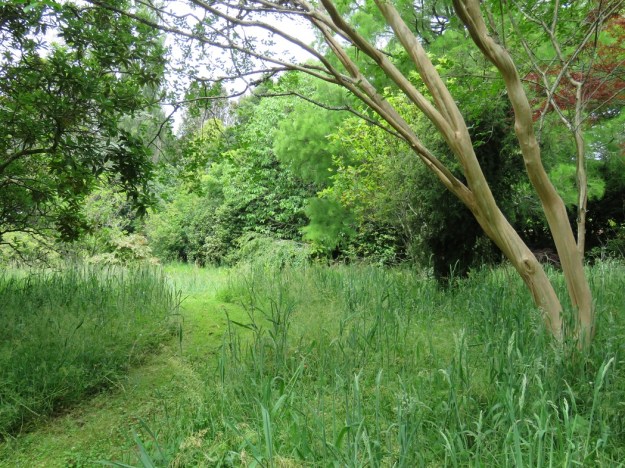
 Currently, I can be found in the afternoons down by the water, digging out the weedy carex and docks that are shooting up into flower, thinning the primulas and battling the wachendorfias. It is heavy work, sometimes muddy, but the setting is one to gladden my heart.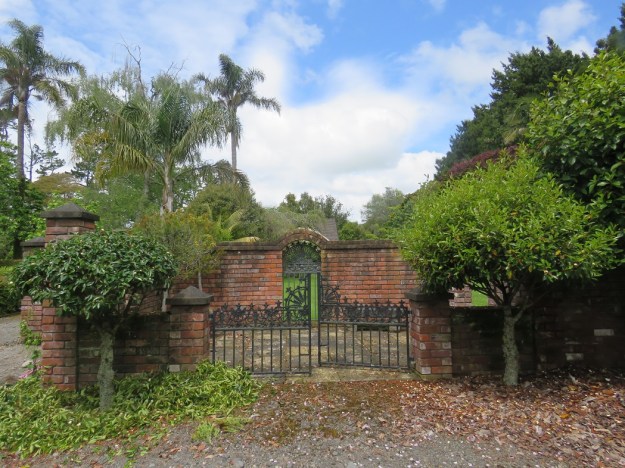
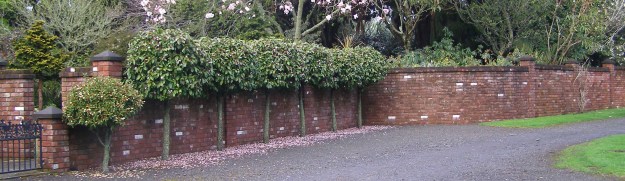
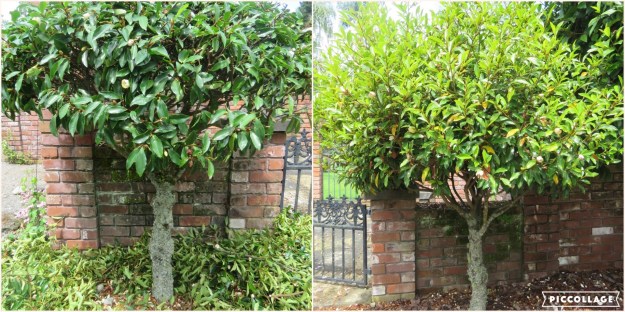 Aesthetically speaking, cutting with secateurs means there is no leaf damage whereas the speedier clippers or hedge trimmer will cut almost every external leaf which will then discolour on the damaged edges. It is also easy to reach in at the time and remove dead wood and do a clean-up of the interior of the ball using secateurs and the finished result is less… brutally shorn, shall I say?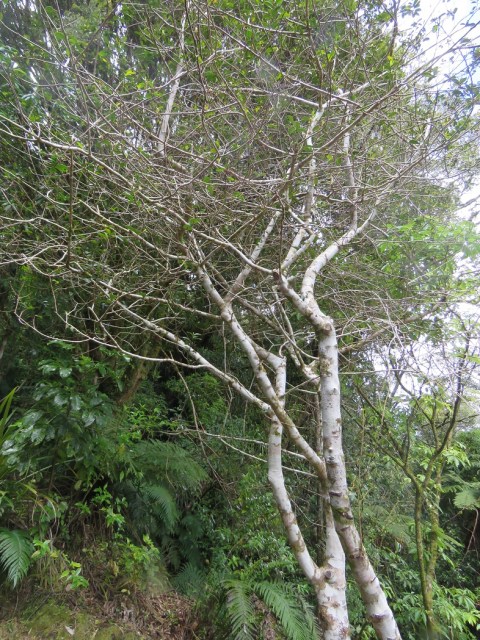


 Tikorangi The Jury Garden