Tag Archives: Taranaki gardens

Powerco Taranaki Garden Spectacular update

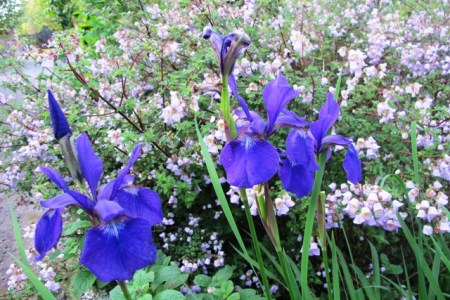
Iris sibirica and Jovellana punctata

Iris sibirica and Jovellana punctata

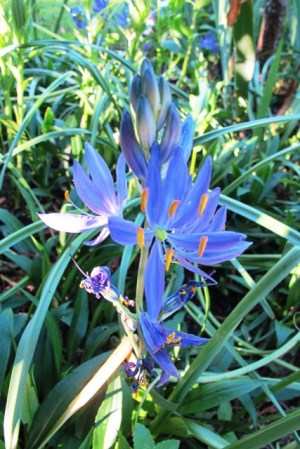
Blue cammasia

Blue cammasia

There are a mere three days to run for this year’s garden festival – the Powerco Taranaki Garden Spectacular. The pattern here has been very busy mornings and much quieter afternoons. Tomorrow is the last of our guided walks at 11am – the popularity of these has become a standing joke here. The agreement is that if there are under 10 people, Mark will lead them, over 10 and it is mine. So far, this year and last, they have all been mine. Mark is now threatening to pressgang unwilling participants should any look to fall short of the magic 10. It was closer to SIXTY on Tuesday. That was a minor challenge.

We are open from 8.30am until 5.00pm daily. Admission to the garden during Festival is $12.00 or 3 x Festival tickets. Garden entry includes tea and coffee at this time. We are open from 8.30am to 5.00pm each day. Plant sales continue until Sunday only.

589 Otaraoa Road, RD 43, Waitara 4383, New Zealand
Email: jury@jury.co.nz | Tel & Fax: +64 6 754 6671

Powerco Taranaki Garden Spectacular – day 4

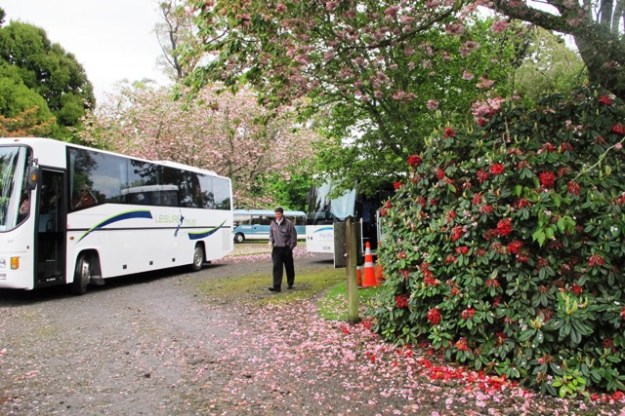
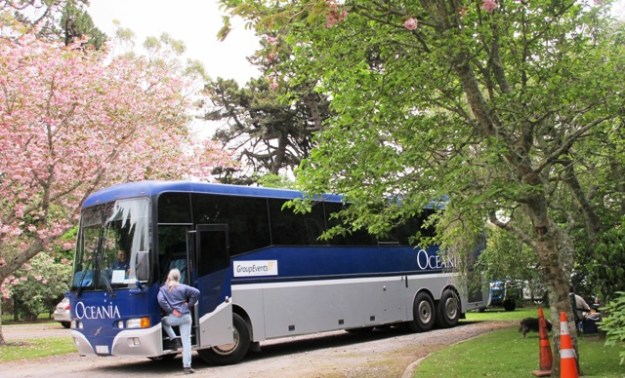
A wet Sunday was a tad discouraging but we have to accept that a spring time event may well have a rainy day – and be grateful if it is only one day. Today dawned fine again and a pleasant sunny day made for a much pleasanter garden visiting experience. We started with a whoosh and a bang with the first coach arriving before we even opened. They had not long been welcomed and set on their path around the garden when the second coach arrived. And the third. The challenge for us is always parking coaches because we have to get them off the road.

The weather forecast is good so we hope for a busy week. We are open from 8.30am until 5.00pm daily. Admission to the garden during Festival is $12.00 or 3 x Festival tickets. Garden entry includes tea and coffee at this time. We are open from 8.30am to 5.00pm each day. Plant sales continue until Sunday, the final day of our festival.

589 Otaraoa Road, RD 43, Waitara 4383, New Zealand
Email: jury@jury.co.nz | Tel & Fax: +64 6 754 6671

Powerco Taranaki Garden Spectacular- day 2

Day 2 of our annual festival has passed. For us the highlight was having Guitarra playing in the garden – a wonderful blend of classical guitar with Spanish and South American influences. The gentle melodies wafting through the upper garden was a delight for garden visitors. At the time we had the Galston Garden Group from Australia visiting. I suspect there were a few ring-ins with them – can’t think that the Galston group has a catchment from Sydney to Perth.

Our Lloyd, the keeper of the carpark and manager of parking at peak times, kept the coach driver entertained.

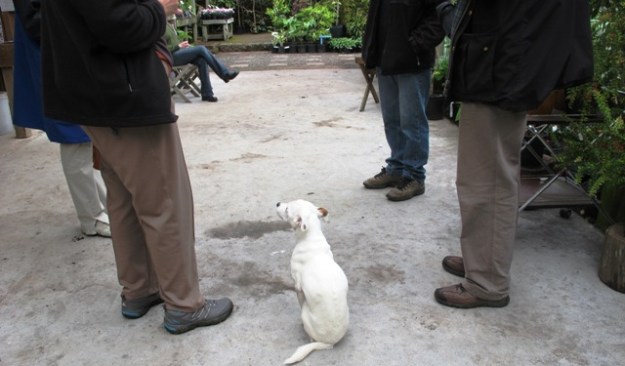
The dogs had a busy day. Spike was an attentive participant in the conversation of one group of visitors.

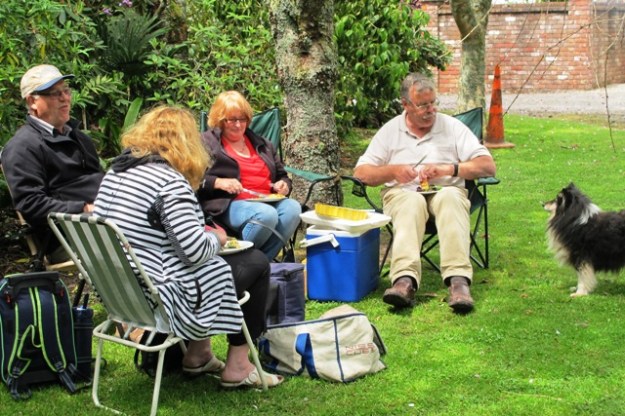
Zephyr was more interested in joining another, well organised group for their luncheon in the carpark.

If you are in the area, admission to the garden during Festival is $12.00 or 3 x Festival tickets. Garden entry includes tea and coffee at this time. We are open from 8.30am to 5.00pm each day.

589 Otaraoa Road, RD 43, Waitara 4383, New Zealand
Email: jury@jury.co.nz | Tel & Fax: +64 6 754 6671

Meet the maddenii rhododendrons

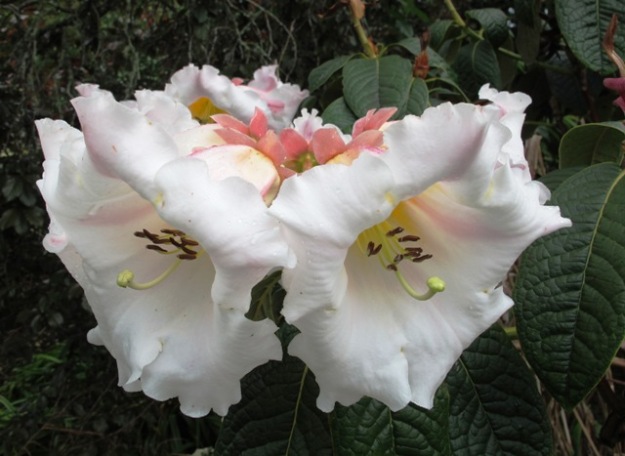
The Rolls Royce of rhododendrons - sino nuttallii

The Rolls Royce of rhododendrons – sino nuttallii

Allow me to introduce you to maddenii rhododendrons. We are pretty keen on them here, although you may not share our enthusiasm if you think all rhododendrons should have the tight ball truss of blooms which is usually regarded as typical of the family. Maddenias don’t hold their flowers in that style.

But the family does include the spectacular nuttalliis with their huge trumpets. I rate these as the most stunning rhododendrons of all with their flowers which look as if they have been cast out of wax and their wonderful, big leaves which are heavily veined – described as bullate foliage. There is nothing quite like them but they are not generally available on the market. They don’t produce much cutting material and they are not easy to propagate but many will set seed so, if you are really keen, you could try raising seed. Some of the hybrids can be found from time to time – Mi Amor and Floral Sun in particular.

There are two huge pluses for the maddeniis. Most are scented, some strongly so. R. polyandrum can waft out for a metre or two which is an indication of a strong scent. Many will pass the 30cm sniff test which is good. And if you are willing to risk the pollen on the nose, most have a sweet scent when you bury your face in the flower.

The second big bonus is that the maddeniis show much better resistance to thrips than most other rhododendrons. Thrips are nasty sucking insects that hide away beneath the leaves, sucking out the chlorophyll. This turns the leaves silver and once that has happened, they can never be turned green again though the new season’s growth will be green, at least until the thrips get hold. Over time, serious infestations can weaken a plant past the point of return. Very cold winters will kill the bugs off, but we don’t get cold enough here so there is not a whole lot one can do beyond spraying with insecticide or neem oil, or trying a cloth collar soaked in systemic insecticide wrapped around the main trunk. Or you can choose varieties which are more resistant.
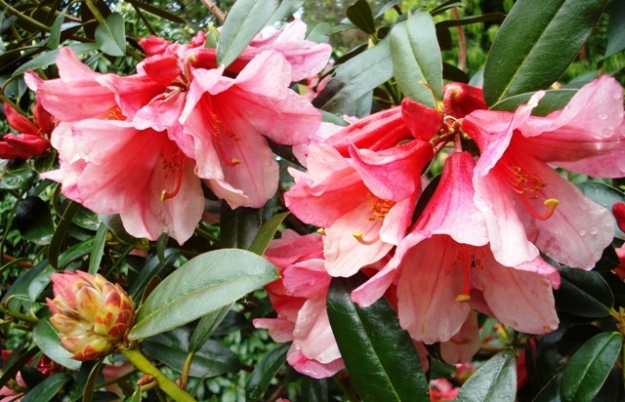
Bernice, as red as the maddeniis get

Bernice, as red as the maddeniis get

There is a preponderance of whites and pastels in the maddeniis and where there are coloured ones, they lean to the subtler, softer shades. In other words, there are no pure reds, purples, blues or oranges. We don’t mind because we can get the stronger colours in azaleas and other types of rhododendrons. Some of the hybrids flower so heavily that it can be like viewing a wall of bloom with barely any foliage visible at all.
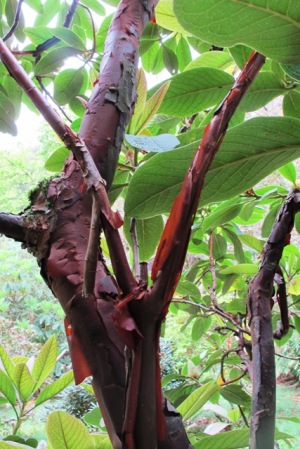
Wonderful peeling bark and bullate foliage

Wonderful peeling bark and bullate foliage

I should perhaps mention also that most of Maddenia types don’t make tidy compact little buns of bushes either. They are inclined to be more open in their growth – though by no means are all of them giants. Some can only be described as leggy, but all is forgiven when they flower. Besides, another attractive feature of these rhododendrons is the lovely peeling cinnamon bark many have. If they were bushy, dense plants, you would never see it.

Google tells me that this group were first introduced to the West in 1849 by famous plant collector Joseph Hooker – he who also visited New Zealand. For reasons which are not entirely clear, he named them after Lieutenant Colonel E Madden of the Bengal Civil Service. How random is that? Given that these rhododendrons are found in northern India, Burma, southern China and the milder areas of Tibet, maybe Lt.-Col. Madden was particularly helpful to Hooker’s expeditions.

Internationally the maddeniis are rated as subtropical and somewhat tender so they are the envy of gardeners from cold climates. Our climate in New Zealand is so temperate that you are able to grow most of the maddeniis in all but the coldest, inland conditions. They form the backbone of the rhododendron collection in our garden and, being later flowering than many others, are coming into bloom right now.

There is no simple way to determine which rhododendrons fall into the maddenii group. That is what books and Google are for. But ones you may find, or know of, include Fragrantissima, Elsie Frye, Princess Alice, Bernice, Moon Orchid, the aforementioned Mi Amor and the plant confusingly known simply as Rhododendron maddenii.

The problem is sourcing these rhododendrons. In fact the problem is sourcing any interesting rhododendrons at all in these days when specialist nurseries have fallen like flies. The best option for Waikato readers may be Rhodohill or Tikitere Nurseries in Rotorua. Failing that, try Trade Me where there is a South Island grower, RhodoDirect, producing and selling by mail order. I have seen them listing the lovely Floral Sun and there are other maddeniis in their range.
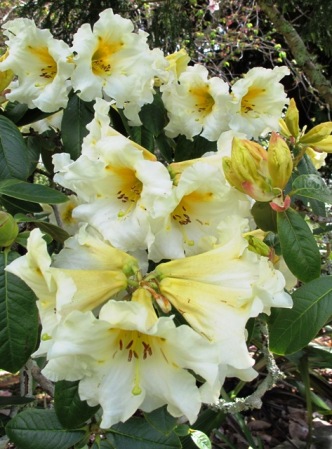
Our very own Floral Sun

Our very own Floral Sun

First published in the Waikato Times and reprinted here with their permission.

Plant Collector: Rhodohypoxis

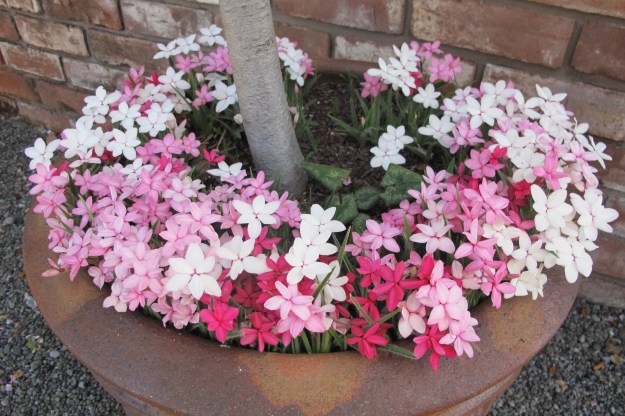
Pretty little rhodohypoxis - Ruth (white), Susan (pink), Albrighton (dark)

Pretty little rhodohypoxis – Ruth (white), Susan (pink), Albrighton (dark)

As the peak time for spring bulbs passes over, the South African rhodohypoxis come into their own. These are cracker little plants, forming a colourful carpet in well drained, sunny conditions. They are also great in wide, shallow bowls or underplanting shrubs in containers, as illustrated. Their fresh growth is triggered by autumn rains and they have a long flowering season from mid spring into early summer, as long as they don’t dry out. The foliage is short and grassy and hangs around unobtrusively until autumn when the plant goes dormant for a brief time.

There are a mass of different named rhodohypoxis, though most are just selections of R. baurii. Essentially they come in sugar pink, deep pink to red, white, bicoloured variations and occasional double forms. They are really easy to grow and multiply up most satisfyingly, with one proviso. The rhizomes are tiny and dark brown – sometimes not unlike the clawed ranunculus and other times just small, brown lumps. This means they are alarming anonymous when dormant and I am sure that is when most people forget where they are and either flay them round when weeding or plant something on top of them. If in doubt, plant them in a pot and sink the whole pot in the garden while you build up numbers.

With a rhodohypoxis expert staying here this week, we had a discussion on whether these bulbs are technically tubers, corms or rhizomes. The internet uses all terms interchangeably. The decision came down fair and square on rhizome status.

First published in the Waikato Times and reprinted here with their permission.