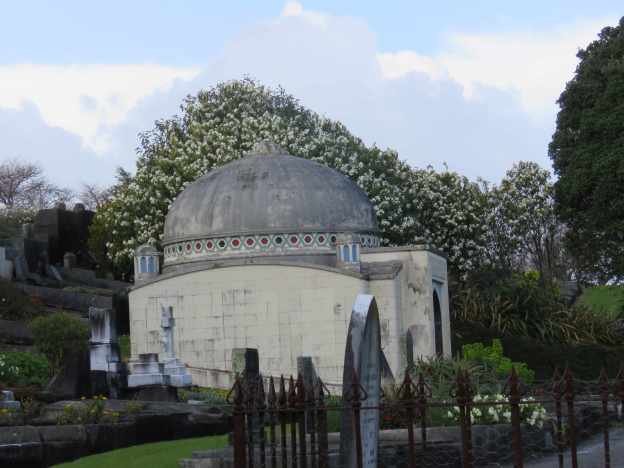
Tag Archives: Te Henui cemetery

The graveyard incident

Truly I have a terrible story for you this week. Well, maybe not terrible in the greater scheme of things but fairly astonishing. Despite its location, it does not involve death.

Does the world really divide in two groups of people? There are those who understand instinctively that pretty, seasonal floral displays in public places are there to bring pleasure to all.

And then there is the other lot. Those who think that the same pretty flowers are in fact their personal picking garden and it is their right to pick bouquets with no thought at all that they might be depriving others of pleasure. First in first served and all that.
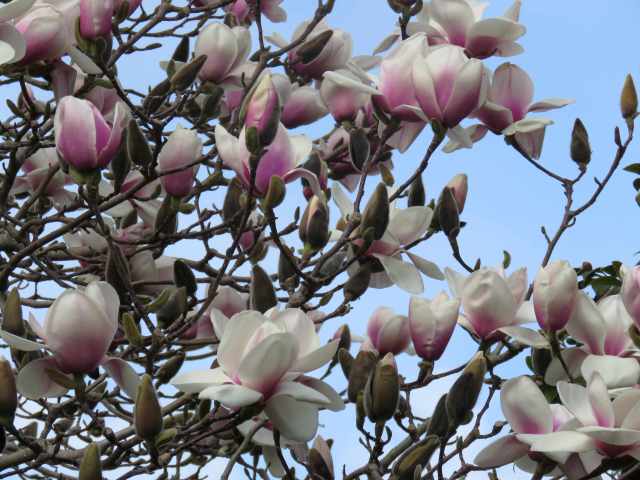
Magnolia Athene

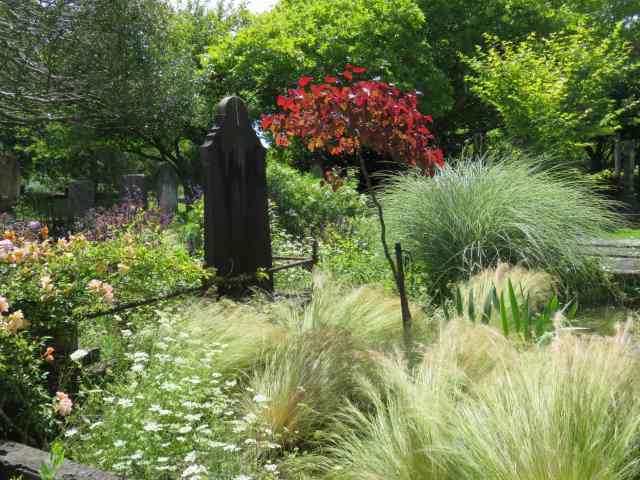
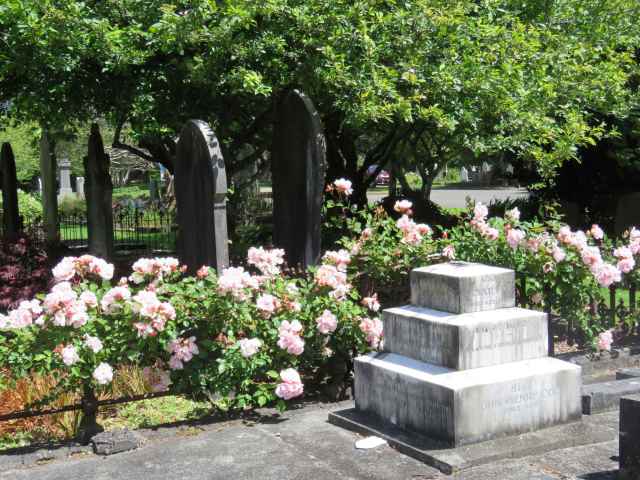
The Te Henui cemetery in New Plymouth is known to many, not just locals but also from further afield. The repository of the dead going back well over a century, it is also a popular dog-walking route. But, for many of us, it is a place to visit to see the flowers.
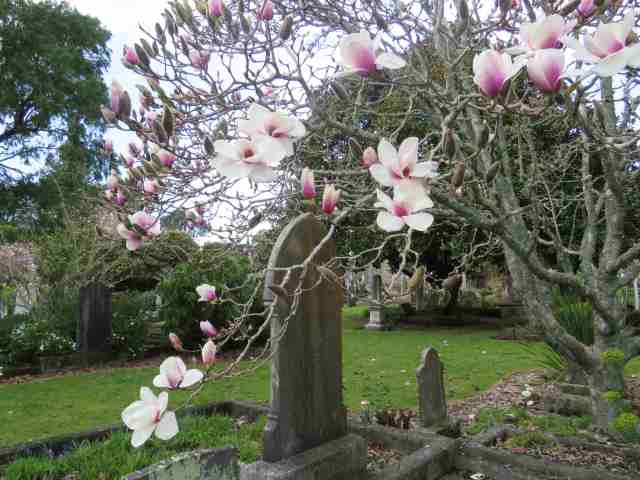
Magnolia Milky Way

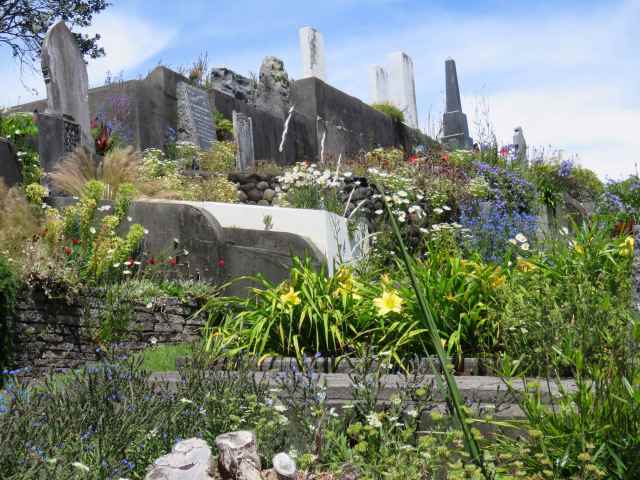
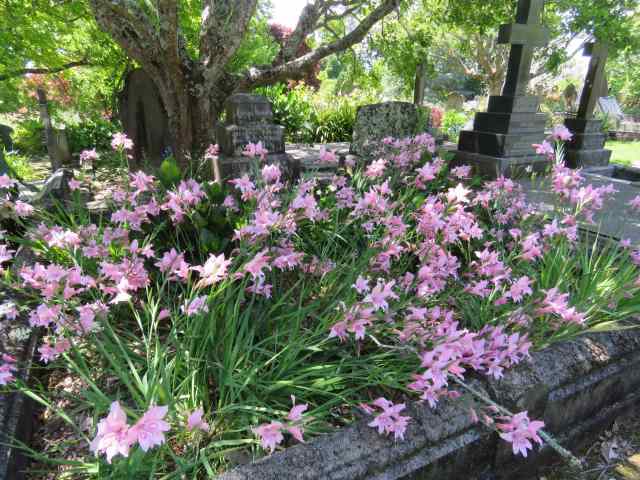
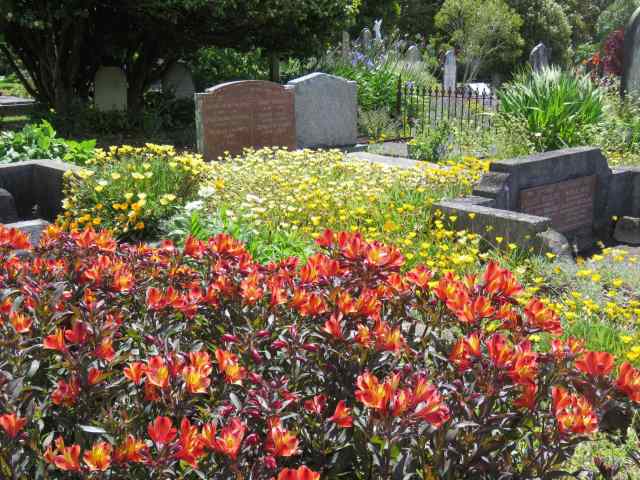
Part of that is the designation of the cemetery which allowed for recreational use (hence the urban dog-walkers) but also the planting of trees which are less common in graveyards on account of their root systems breaking up all that concrete. But most of the credit for the current floweriness all through the year must go to a small group of dedicated volunteers who spend a large part of every week tending the detailed plantings on and around the graves.

Theft is always an issue, especially with plantings in public places. The volunteers at the cemetery have learned to deal with it but it doesn’t stop their frustration and disappointment.
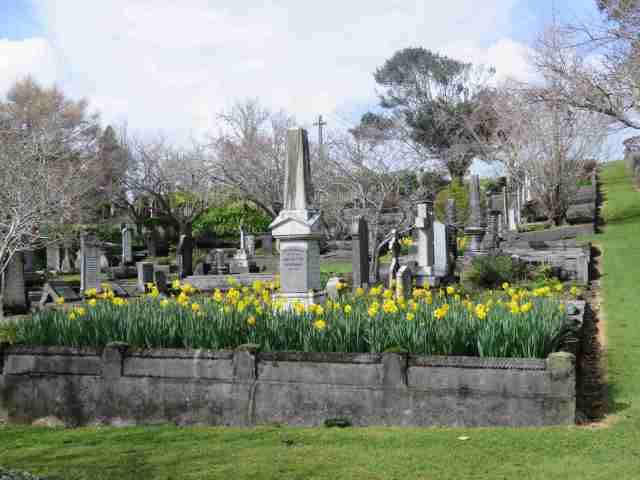
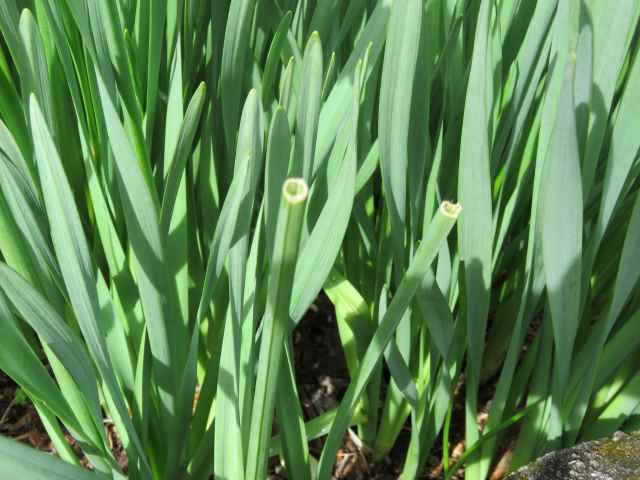
Last week, one entitled woman took it to new heights. She was seen helping herself to tulips and daffodils. When challenged about her actions, she became angry. How dare anybody rain on her parade? Most of us would be embarrassed but not her. She phoned the police and claimed she was being intimidated. Two officers turned up with remarkable promptness. She was waiting for them, holding just one daffodil (having dropped the others along the way to the exit, you understand), claiming she was being harassed for picking a single flower.

No further action was taken but it is hard to believe that this woman has learned her lesson. Volunteer gardener, Susan, made sure to retrace her steps and retrieve the flowers she had thrown away, showing them to the police after the woman had left. While this woman is by no means the only person picking flowers, she is the only one who had the nerve to call the police in retaliation for being challenged.
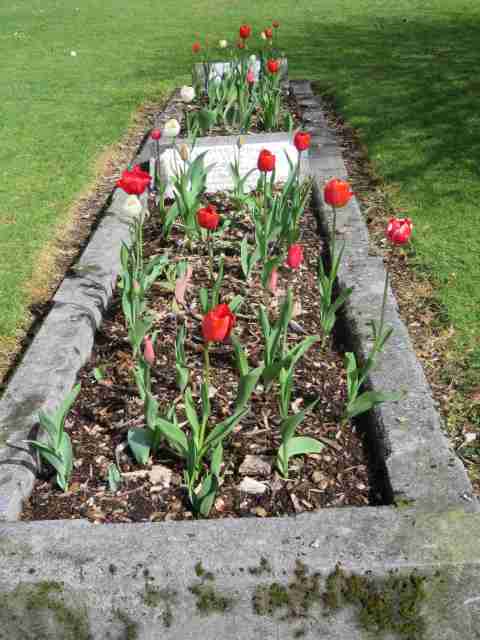
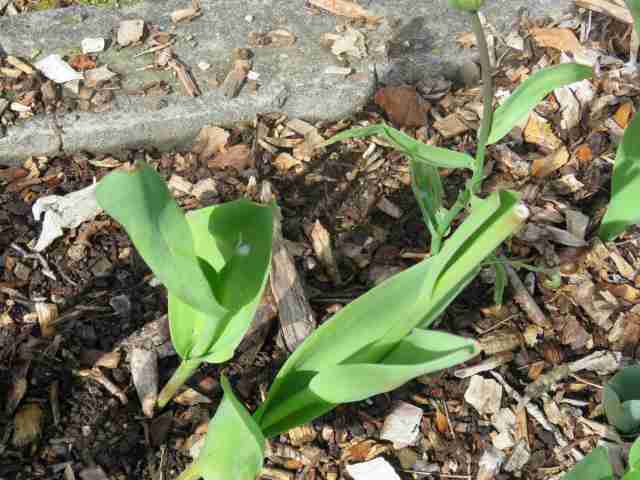
The poor tulips, being taken before they have even opened.
Evidence!

Susan tells me: “We have lost 17 tulips from the grave opposite the tomb and 8 from the grave on the eastern side – so far. It doesn’t sound many but the season is not over yet and the tulips are expensive and don’t reliably re-flower in subsequent years. So tulip losses in particular are very aggravating. We pay for the tulip bulbs.

We deliberately plant the tulips by the road so that the rest home vans can drive past with residents and the residents can view them from the van (most have mobility issues).”

The moral is clear. Don’t steal flowers (or indeed plants). Especially don’t think it is okay to raid them from public places where they are tended by volunteers. Also, the police have better things to do than to be used as a back-up for some entitled, selfish person.

What is wrong with some people?
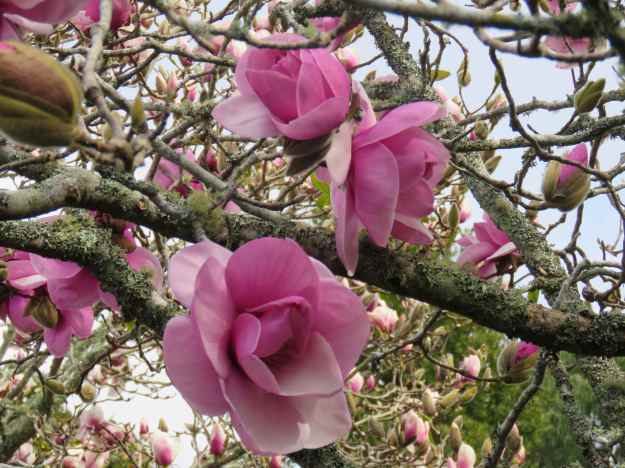
Magnolia Atlas

On a more positive note, the magnolias in the cemetery are looking splendid this week.
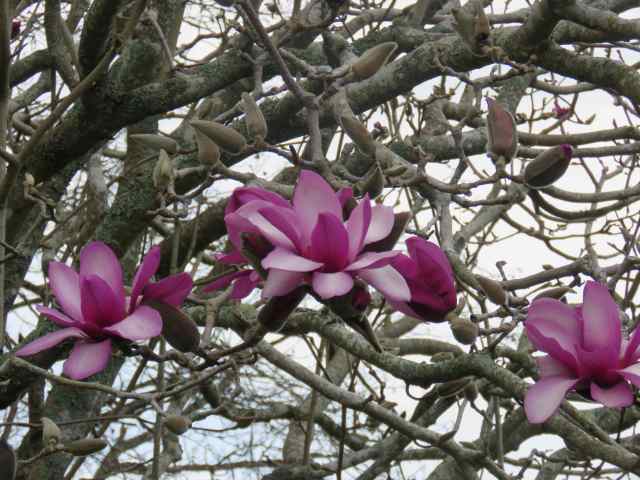
Magnolia Apollo
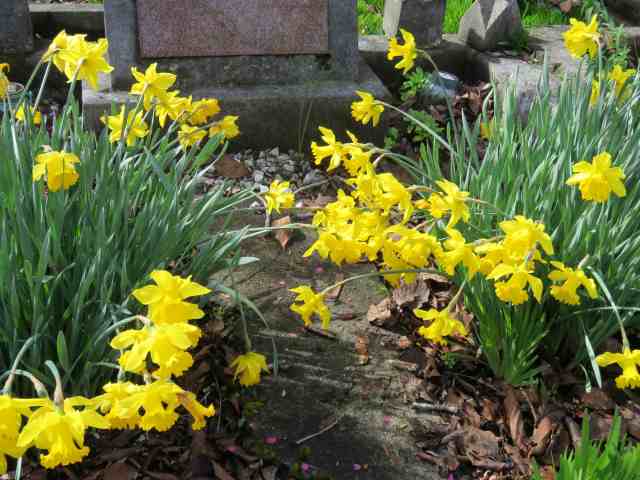
I took this photo as an illustration of a recurring theme – narcissi where the flowers are too large and heavy to hold up straight. Excellent cut flowers – but not if you are helping yourself to them in a public space – but not so good as garden plants.

Grave matters

I am back again. Not quite firing on all cylinders yet but getting there. Back again from where, you may or may not wonder – Barcelona and the south of France. Alas, in Nice Covid finally tracked me down after I had managed to avoid it for a full four years. Fortunately, it has been a fairly mild case for which I give credit to my many vaccinations and boosters but I do not recommend flying long haul when still in recovery. It did rather set me back.

Fortunately, the unwanted Covid experience was towards the end of my trip so I managed to pack in plenty before being forced into isolation. I need to gather my thoughts on the larger topics but thought I would start with a minor diversion into graveyards. I have never taken a great deal of interest in graveyards generally, although I have written often enough about the pretty flower combinations in Te Henui Cemetery in New Plymouth.Te Henui has set a high standard for graveyards in general.

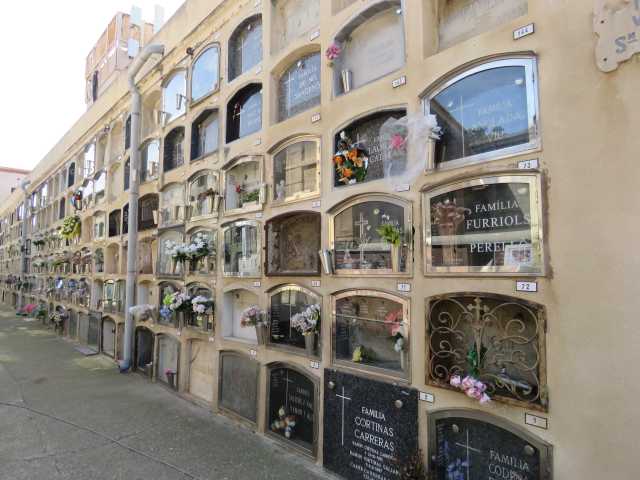
Space saving in Barcelona

It was entirely by accident that daughter and I stumbled upon the space-saver approach of a cemetery in Barcelona. I don’t know how the logistics work of fitting several members and generations of the same family into one of these coffin-sized stacked compartments. Some of the stacks were seven stories high which must give some challenges when it comes to opening the entrance to add another deceased. Are they maybe just adding ashes in urns?

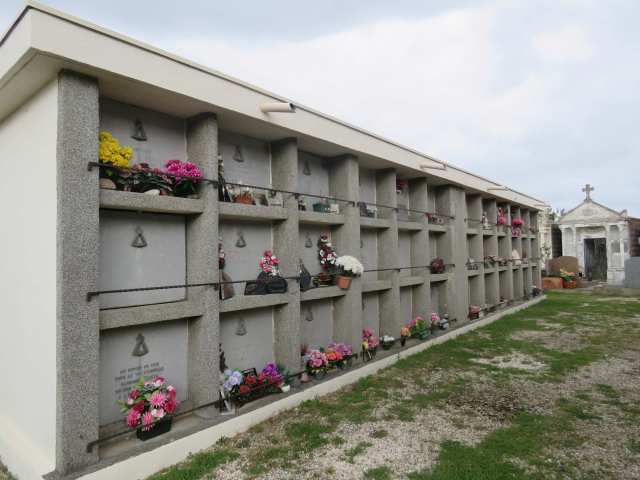
A modern approach to space saving across the border in the south of France

I found the modern version of the grave condominium in a small French graveyard in Montesquieu-des-Albères, the village closest to where my daughter is living for this year. These were three high, two deep and fully coffin-sized but clearly modern so not yet accommodating generations of the same family.

This burial technique may be utilitarian and lacking aesthetics but I can certainly see the practicality of it in terms of saving space while still enabling some sense of a permanent memorial. I had never really thought about the nature of graveyards before – that a one-off payment can secure a single plot that then becomes a permanent – sacred, even – installation where any maintenance becomes the responsibility of some other body to care for and respect the deceased down the decades and centuries. It is a curious concept, when you think about it. Over time, graveyards can take up a lot of space if they are predominantly one individual per plot.

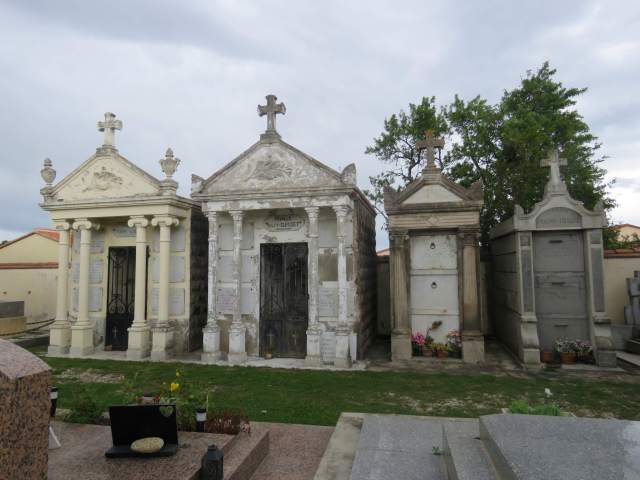
Family tombs in Montesquieu-des-Albères

In death as in life, graveyard real estate can make differing social and economic status crystal clear. We have not generally gone for the family tombs in Aotearoa New Zealand. The French seem to be quite big on tombs and they do make a statement on the standing of la famille.

These graves, memorials and tombs in Montesquieu surround a church whose oldest parts date back to (wait for it) 1123.

I photographed the only pretty part of this cemetery. Overall, it could not hold a candle to our Te Henui one for plantings and beautification. Death can be a very austere experience.

When it comes to tombs and memorials, this one to the Hanbury Family in La Mortola, a botanical garden just across the Italian border from Nice, set a high standard for aesthetics and grace. I felt we might have sold Mark’s parents short. Both were cremated, in accordance with their wishes, and we brought their ashes back to the garden here that they created. It seemed entirely appropriate at the time. It is only when I saw this Hanbury memorial – which, if my memory serves me right, may house some of the family ashes – that gave me pause to ponder whether we should have done more. But I think it would have looked somewhat ostentatious and out of place in our garden.

Not the Chagall grave in the cemetery of St Paul de Vence but a good example of the preference for fake flowers and fake plants

I walked to the village cemetery at the end of the hilltop village of St Paul de Vence, drawn to see the grave of Marc Chagall who spent some time living there at the end of his life.

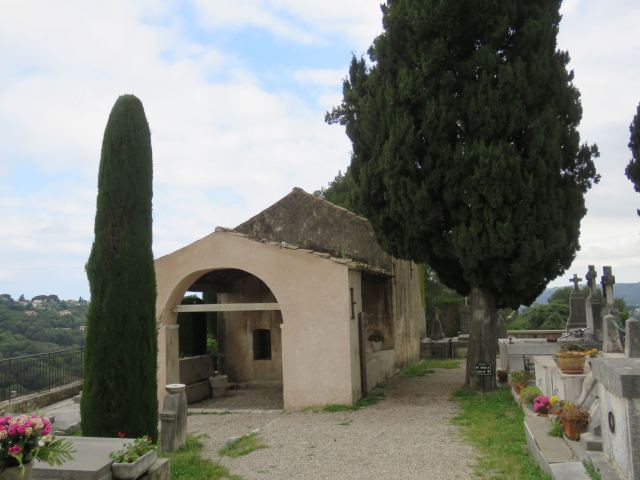
The graveyard chapel recorded that it was first mentioned back in 1356 so probably not quite as old as the church in Montesquieu.

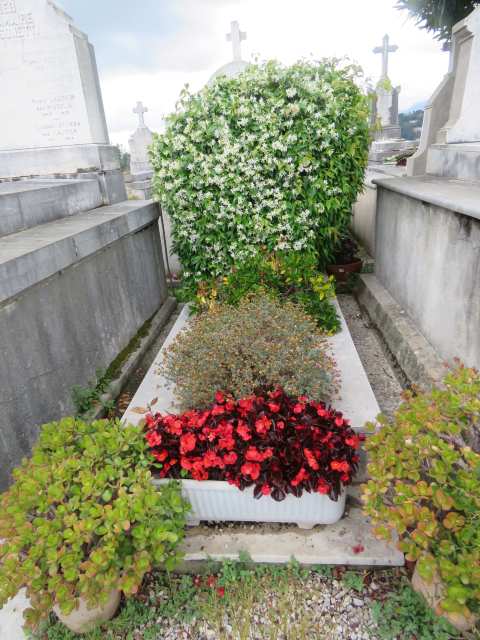
I did find one grave that was adorned with living, flowering plants but it was unusual. The families of St Paul de Vence favour the longevity of fake blooms.

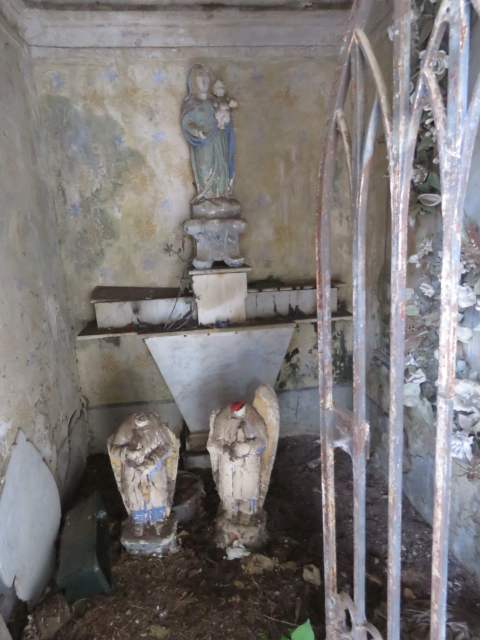
Back on tombs, I am not sure that there is much that is bleaker than a long disused family tomb. The Famille Lambert and Famille Flour appeared to have fallen into oblivion which was somewhat poignant to see.

The grave of Marc Chagall and family

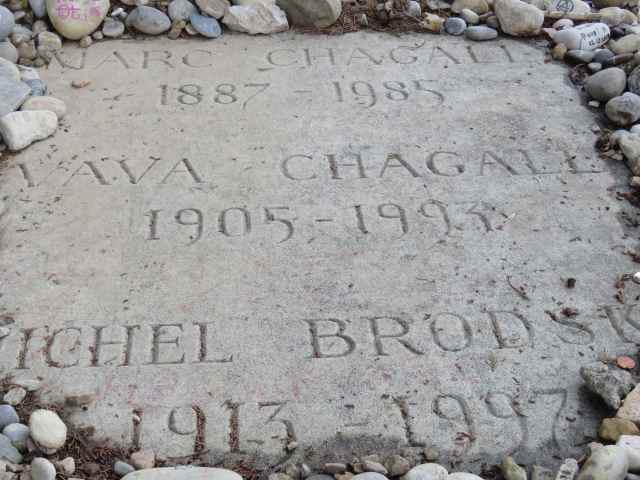
The grave of Marc Chagall, however, has a casual but vibrant energy to it that belies his death in 1985. It also accommodates his second wife, Vava Chagall and a third person clearly attached to Vava because he bears her maiden name. If you look at Chagall’s lifetime of work, the grave seems all the more appropriate. It is clear that it is tended regularly to this day but I am not sure about the fake pink rose.

Life amongst death

Te Henui cemetery

I have been a little quiet here for the past few weeks. In part this is because life can get in the way and indeed, some fairly large chunks of my time have been consumed by matters unrelated to gardening. And sometimes I think I have nothing worth saying that I have not said before. But I am back again.

I dropped in yesterday to Te Henui cemetery yesterday, not to pay respects to the dead but to revel in the flowers. It was a while since I had last visited. On a day with bright sunlight and a strong, blustery wind, it was distinctly less than ideal conditions for photographs but the graveyard never disappoints.

The catalyst to visit came in part from being sent a newsletter written by Michael McCoy who had visited it in the pouring rain a week earlier. McCoy is not a name that is well known in this country and when he came here the following day, I wished I had googled him before he arrived because he certainly has a much higher profile elsewhere – particularly in Australia – and an impressive résumé to match. Garden designer, writer of books, TV writer and host and leader of masterclass tours, he has covered his ground internationally and in an extended conversation with him, we found so much common ground that I was both inspired and affirmed.  

Alas, his newsletter to subscribers (like my Canberra daughter who forwarded it to me) does not appear to be posted to his main website (https://thegardenist.com.au/)  and I can’t find it on line to add the link so I can not share it in full. Suffice to say, his joy in the experience of visiting the cemetery made me proud to be a local and to have a loose connection to some of the volunteers who turn this place of death and often long-forgotten memories into a place that celebrates life with colour and light. His concluding sentences are:

“But what I’m forever chasing, and experience with joyous regularity, are those magical moments when conscious enjoyment turns to inexplicable enchantment. 

I never imagined it could happen in a cemetery. In the pouring rain.”

Just those lines have started me thinking about those magical moments I have experienced in other people’s gardens in this country, in other parts of the world and, indeed, in our own garden. There is a good thought to carry me through the day. But in the meantime, I will leave you with some (mostly) joyous moments from amongst the tombstones. I still think of this graveyard as the grown-ups version of miniature gardens and sand saucers that so many of us made in our childhoods and that adds to its charm.

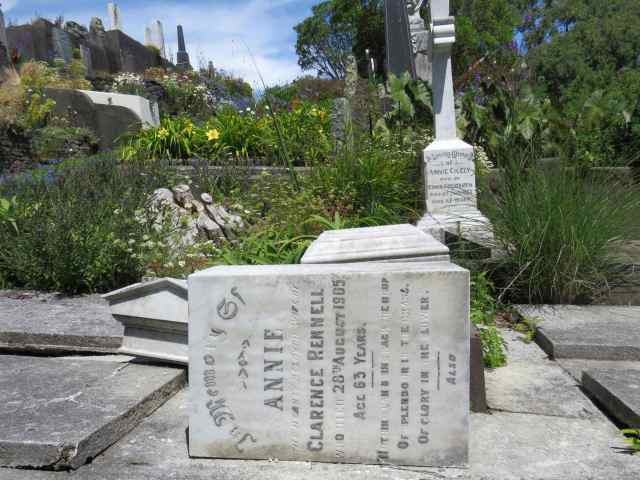
Alas poor Annie and Clarence

Down amongst the graves

Friends invited me to join them amongst the graves last week. The Te Henui Cemtery in New Plymouth must be the country’s prettiest, most vibrant graveyard. I credit this entirely to the energy and cheerful dedication of the small band of volunteers who tend to a multitude of discrete, grave-sized gardens.

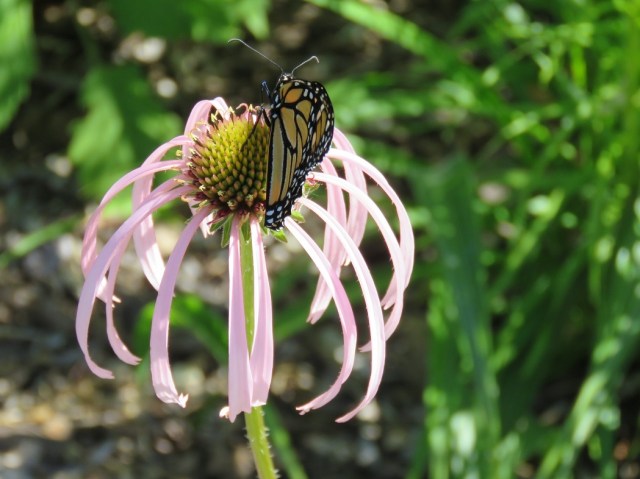
My first sight was a monarch which resolutely refused to oblige by opening its wings, feeding on a shaggy echinacea

It is very seasonal and, on this visit, it was lilies, agapanthus and dahlias that did the heavy lifting in the floral display. The sunlight was so bright and the shadows so deep that I was struggling to get half way decent photos which is why landscape shots are missing. I need to go back on a day when light conditions are more muted. But it is a really interesting place to look at plant detail and planting combinations.

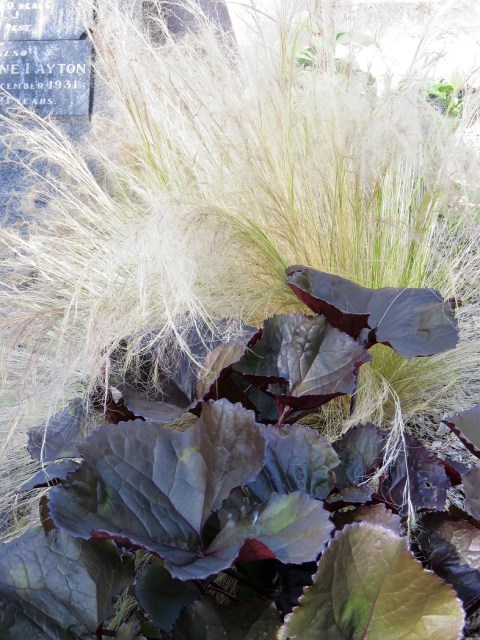
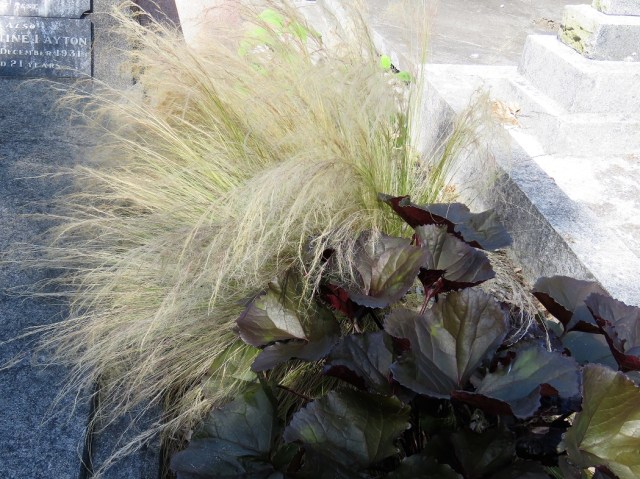
The most startling plant combination of the day, one to make you stop and go ‘wow’, was the dark leafed ligularia with Stipa tenuissima. The stipa is pretty controversial, as I learned a month or two ago, (banned from commercial production but not illegal to have in the garden) but the combination is one that would not look out of place in a super-smart Auckland townhouse.

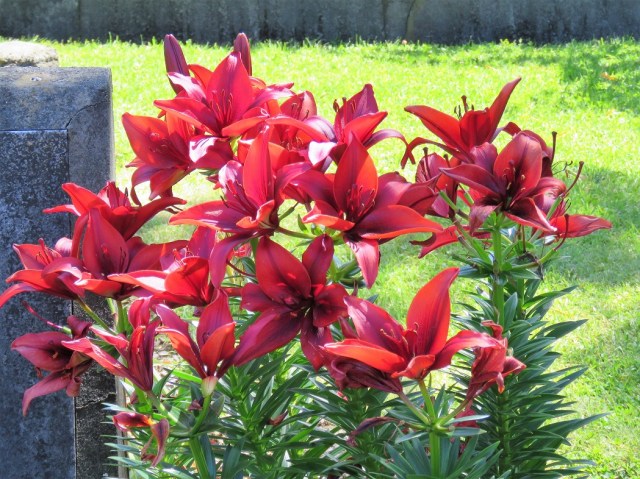
Mark was not with me on this occasion but I have shared a life with him for so long now that I know what his response will be. And he does not like upward-facing lilies. He holds his opinion so firmly on this matter that it could be described as dismissive. It didn’t stop me photographing this handsome red lily that was looking splendid. I am guessing it is an Oriental hybrid, maybe even what I have just discovered is sometimes called an ‘Orienpet’ which is, the ever-handy internet tells me, a hybrid between and Oriental and a Trumpet lily. Why does Mark reject upward-facing lilies? Leaf and litter gatherers, he calls them. And when a bloom gathers debris, it marks badly and its flowering time is limited as a result. In the Garden of Jury, lily blooms are to be outward-facing, not upward-facing.

The cemetery has a good selection of lilies so locals and visitors may like to check them out from now until early February.

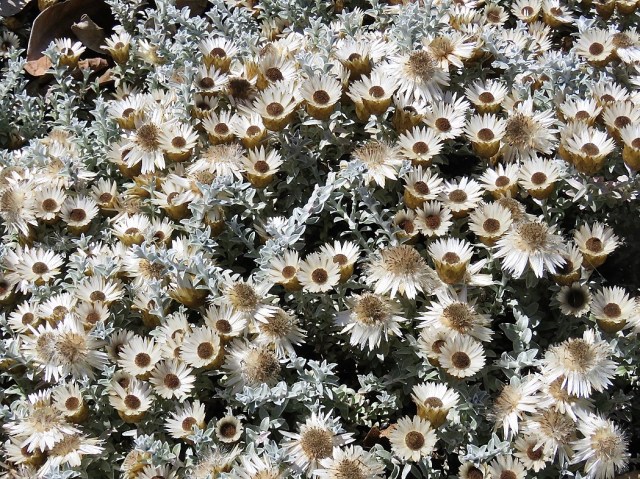
I call it a helichrysum but I think it is actually an anaphaliodes

It is over ten years ago that I wrote up Helichrysum ‘Silver Cushion’ and I have not added anything to my knowledge about what most people know as everlasting strawflowers in the intervening years. All I can say is that this plant is not what we have growing as ‘Silver Cushion’ though it must be related. Those everlasting blooms are larger and clearly hold better over a long period of time. They were dainty and charming, albeit somewhat reminiscent of tarnished tinsel daisy-stars at this time of year.

My best guess is that this and ‘Silver Cushion’ have derived from our native plant Anaphalioides bellidioides (formerly Helichrysum bellidiodes) but I doubt they are species selections and what else is sitting in the genes, I do not know. I would like a piece of this larger form, though.

Any input from readers who know more about anaphalioides is most welcome.

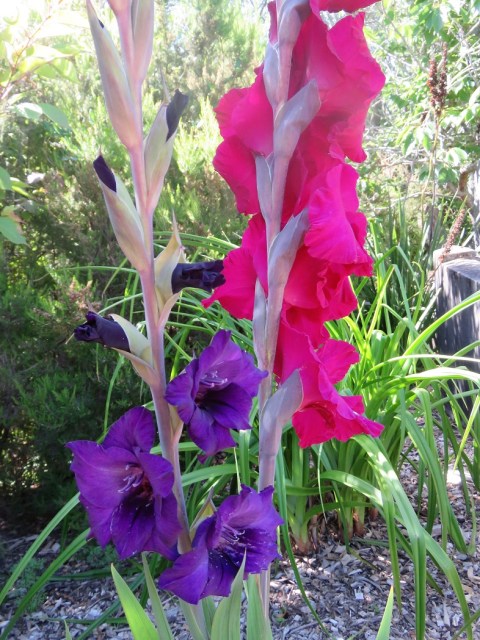
I am not a fan of Dame Edna gladiolus, not at all. I tolerate my vigorous yellow ones that are a legacy from Mark’s mother. But look at the startling colour in these two. Vulgar, yes. Lacking refinement, yes. But vibrant and with a clarity of colour that is not to be derided. Just not in my garden, I think. The foliage gets rusted and unsightly here. That is another good reason to go to the cemetery – to see plants and colours that I do not grow at home.

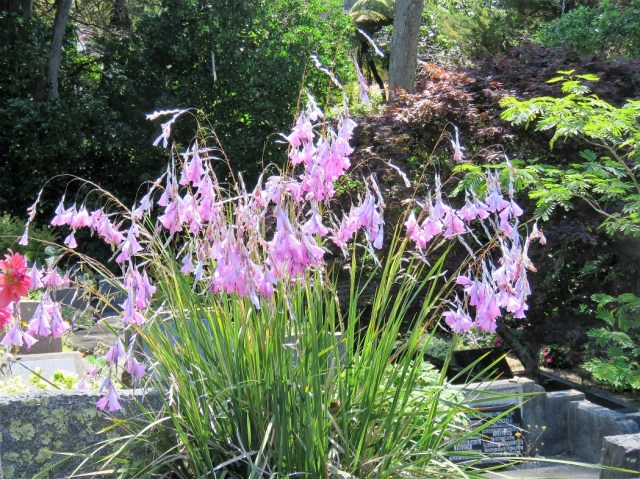
I do not understand why my dierama – angel’s fishing rod, do not perform as well here as amongst the graves. They flower, but nowhere near as freely. I don’t think it is varietal, it is more likely to be conditions. What am I doing wrong?

Our thanks go to the dedicated volunteers who tend to this particularly cheerful and colourful place which combines delighting the living as much as remembering the dead.  

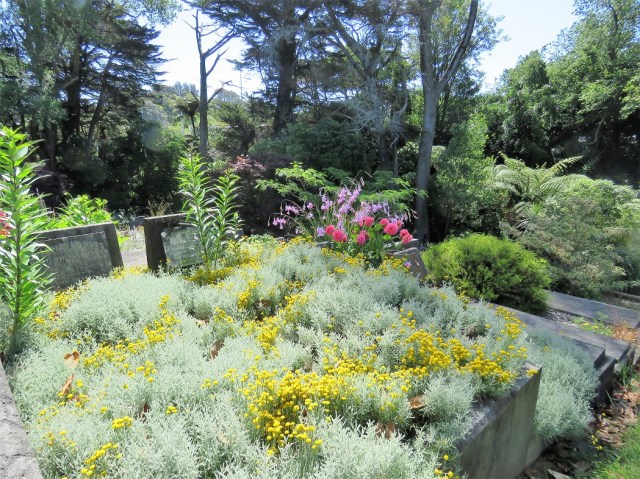
A simple santolina, I think in the only landscape view I managed in the glare of summer sun


Aurelians, Asiatics, Auratums, Orientals and other flowers of the graveyard

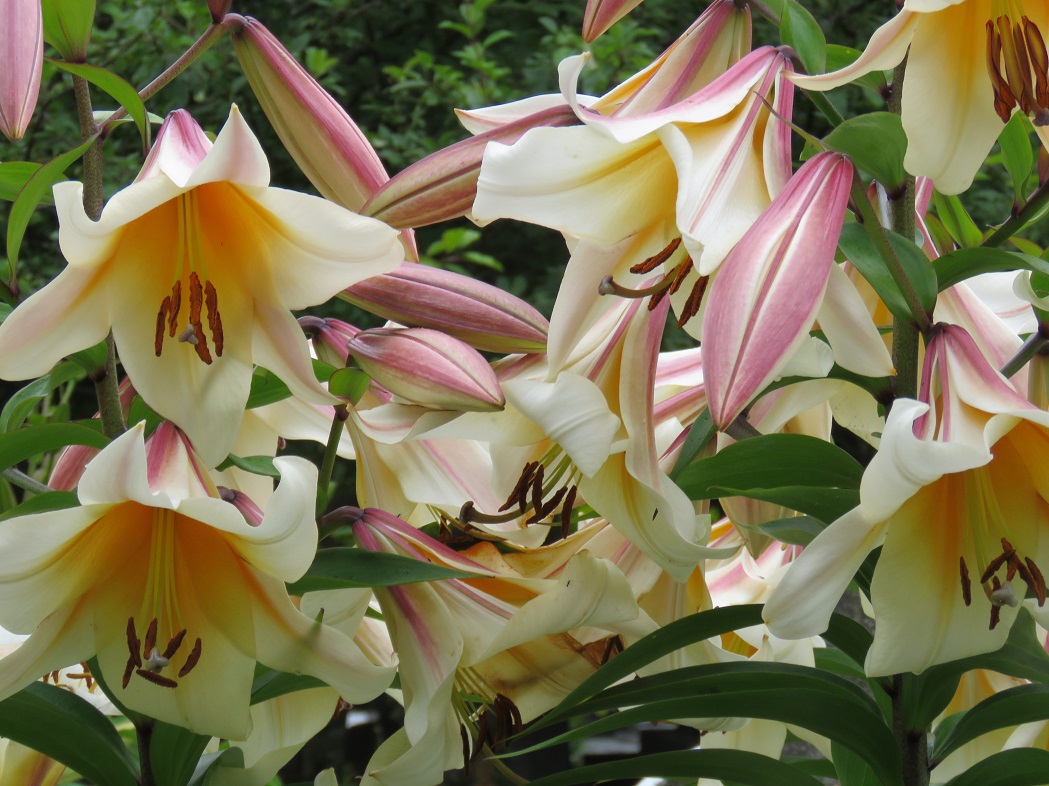
‘High Tea’

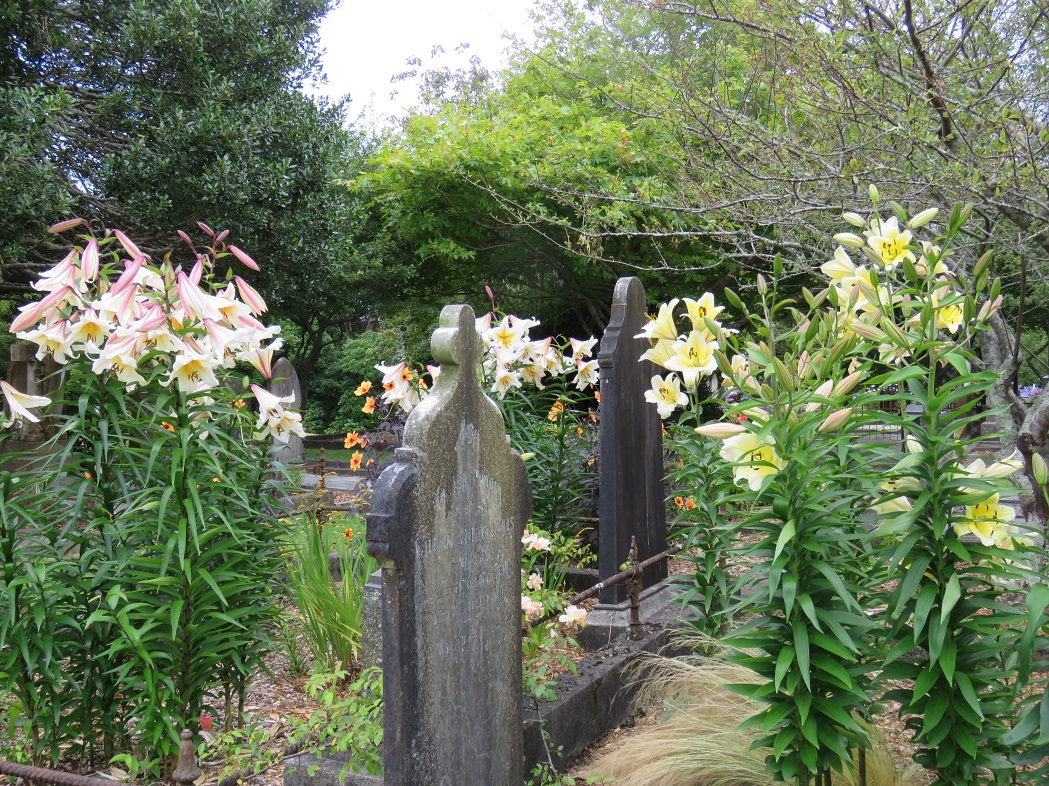
‘High Tea’ on the left and a yellow Oriental to the right

I went back to the Te Henui cemetery this week to take my gardening friend some of the giant albuca she wanted. The dedicated volunteers keep the whole place blooming all year round but it was the lilies that caught my eye this week. One lily in particular was standing sturdy and straight with no staking and reaching a heady height of maybe 1.8m. “What is it?” I asked. “It’s an Oriental, she said. “I bought the first one from a bulb outlet and it is called ‘High Tea’ and the rest came in a mix of Orientals that I picked up at The Warehouse.”
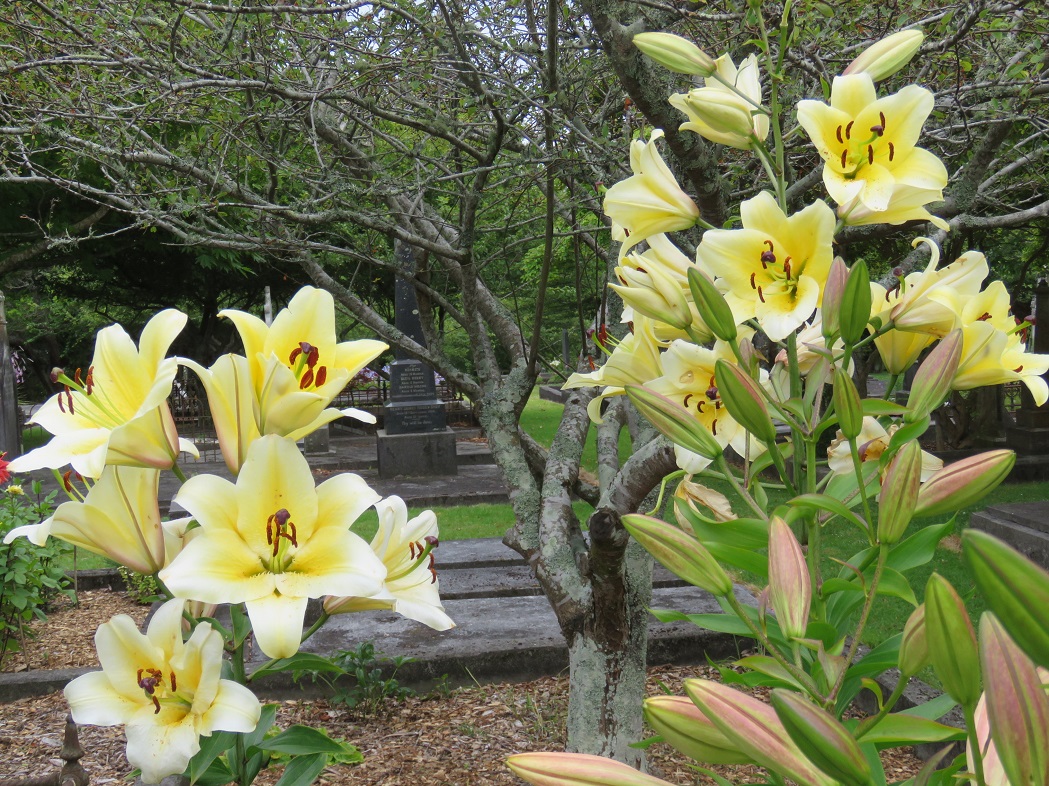
The yellow one next to it was clearly an Oriental – and a very pretty one at that with good yellow colouring for one with Japanese auratum lily in its parentage. ‘High Tea’ had me puzzled and then I realised it was very similar to one we had at home that I relocated last year. I hadn’t noticed it before the previous summer but Mark and I had discussed it when it suddenly produced a fairly spectacular performance. Neither of us have any recollection at all of acquiring it in the first place or planting it in its original location. Mark took one look at it this morning and said, “It is an Aurelian”.

This took me down the rabbit hole of looking at lilium groups. Does this matter to the home gardener? Not at all. You can happily grow plants without knowing anything at all about their origins or relatives. But it is a bit like doing crosswords – some of us like the challenge and find it interesting trying to work out the genetic lines and the different groups.

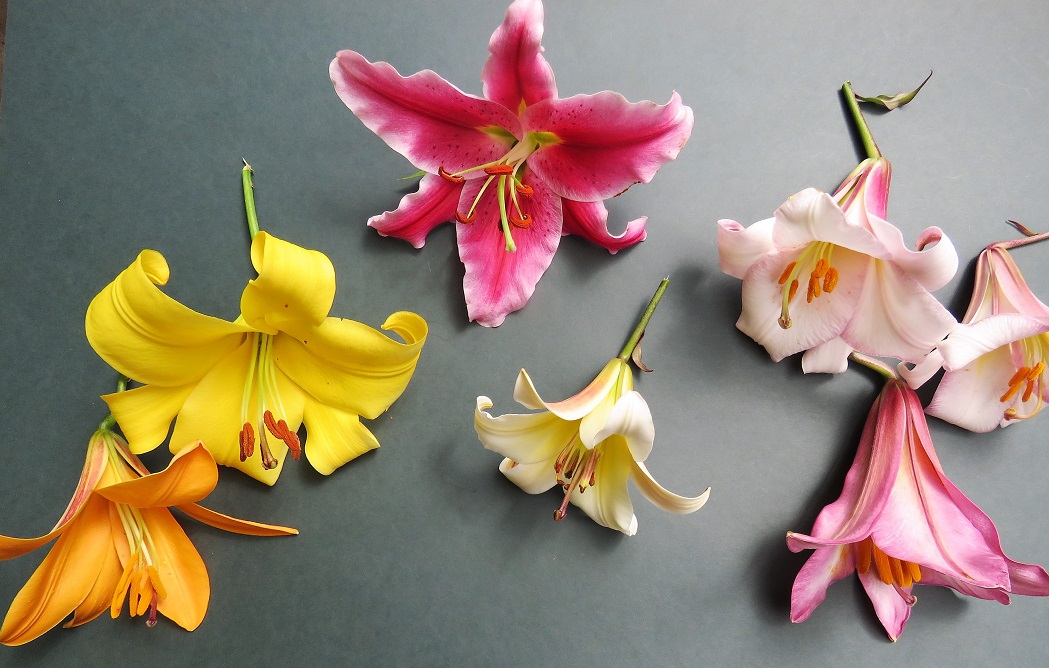
Left to right: a typical Aurelian trumpet in soft orange, one of Mark’s Aurelians in yellow with larger flowers and better scent, an early auratum bloom at the back with its flatter flower, in front the Asiatic which resembles ‘High Tea’, and late blooms of Lilium regale on the right with a deep pink form which may or may not be regale but is an Asiatic.

We grow a lot of Aurelians and auratum lilies and they are a strong feature of our summer gardens. But neither of us were at all sure what the definition of an Oriental lily was. It turns out that Oriental is a broad term that takes in a whole lot of hybrids between different species but the dominant genes come from Japanese lilies. They flower a little later in the season and they usually have the best fragrance. L. auratum that Mark and his father before him have done quite a bit of work on to get a range of good garden plants here would be classified as falling within the Oriental group even though they are just variations on the one species.

What makes the cemetery yellow Oriental interesting is that it the result of an effort to get yellow auratum hybrids. Auratums come in shades of pink, white and red so the yellow has been introduced from a different species and will have involved some sophisticated hybridising techniques.

A very good yellow as far as auratum hybrids or Orientals go

Trumpet lilies from the wider Asian area have the catch-all term of Asiatics. They are not renowned for their scent, but we have a lot that are scented. They also have finer foliage and flower a little earlier in the season.

The Aurelian group is a blanket term for hybrids with L. henryii in their parentage. So all Aurelians are Asiatics, but not all Asiatics are Aurelian. Once you get into these larger groupings, the breeding can be very complicated involving several different species and hybrids.

So Mark was right that ‘High Tea’ is not an Oriental and it may indeed be an Aurelian. It is certainly an Asiatic.

Dierama

The graveyard is a splendid backdrop for plants. Lots of framing of small pictures that are a delight. Flowers this week included Dierama pulcherrimum which the internet and I know also as angel’s fishing rod but a social media follower declared was in fact fairy’s fishing rod on account of Tinkerbell but the detail eludes me. I like the graceful form and the gentle way the blooms age.

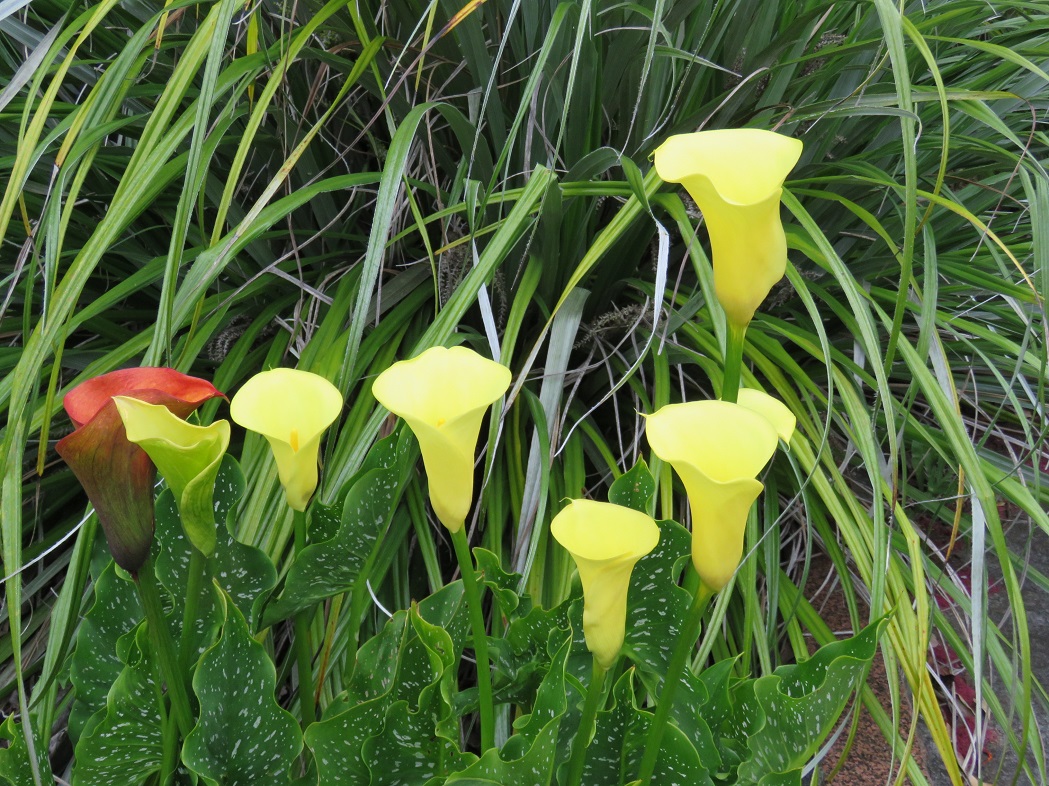
What we call calla lilies are not lilies at all. They are zantedeschia from Africa. I pulled most of mine out because they were too shy on flowering and not worth the space in the garden but this patch was doing well in the graveyard. The gardener in me wanted to rogue out the stray orange one. If the flowers look familiar, it is because they are the same family as the common arum which is a noxious weed in New Zealand.

Romneya couteri

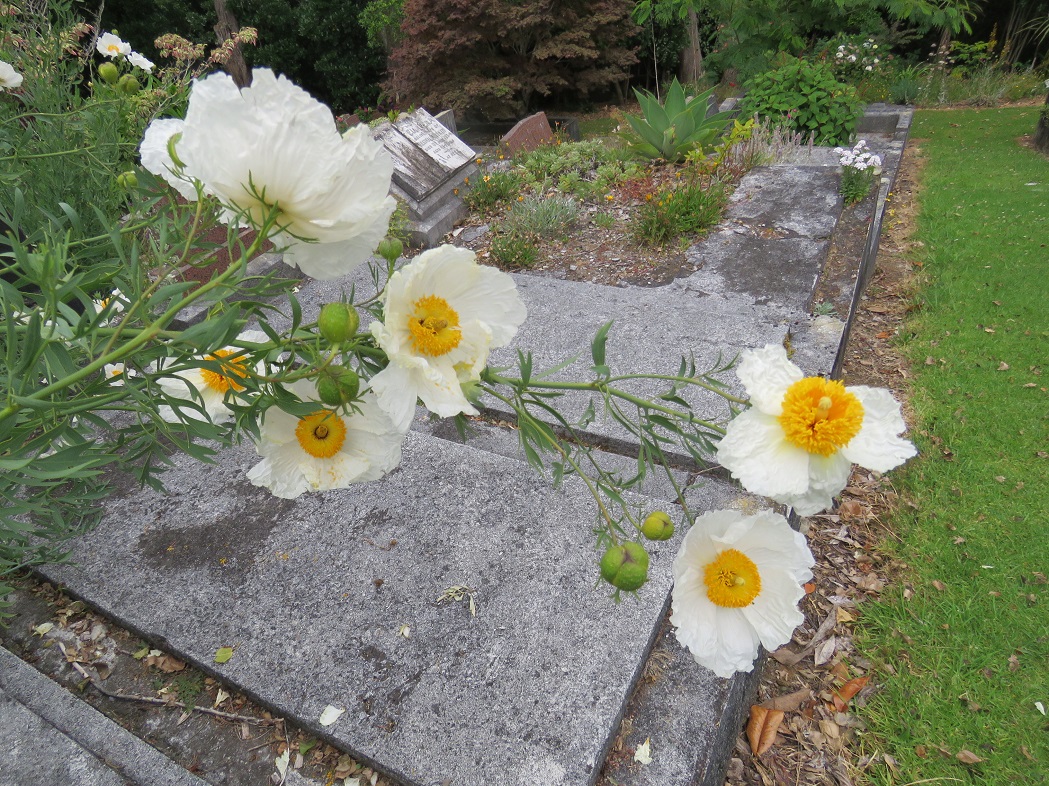
The beautiful white flower that looks as though it is tissue paper is the Californian tree poppy, Romneya coulteri. It is one of those plants that is either extremely happy and inclined to become rampantly invasive or it is unhappy and it dies. Our attempts to grow it resulted in its death.

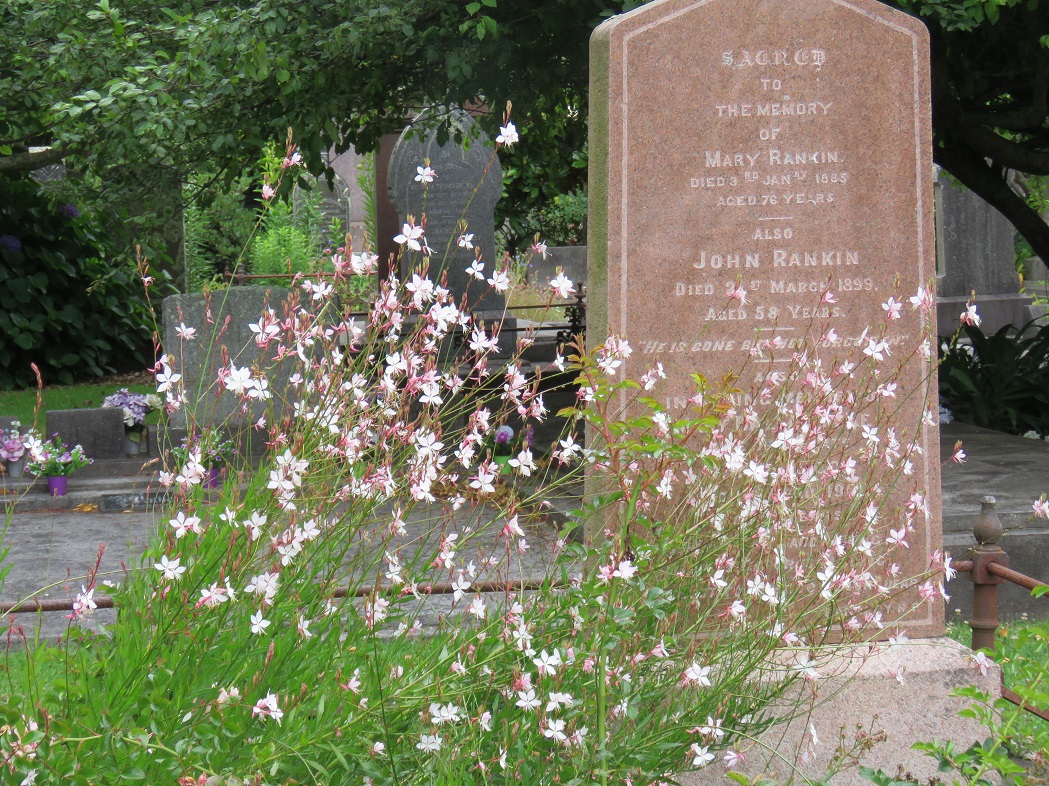
Beautiful, ethereal gaura floating like butterflies.

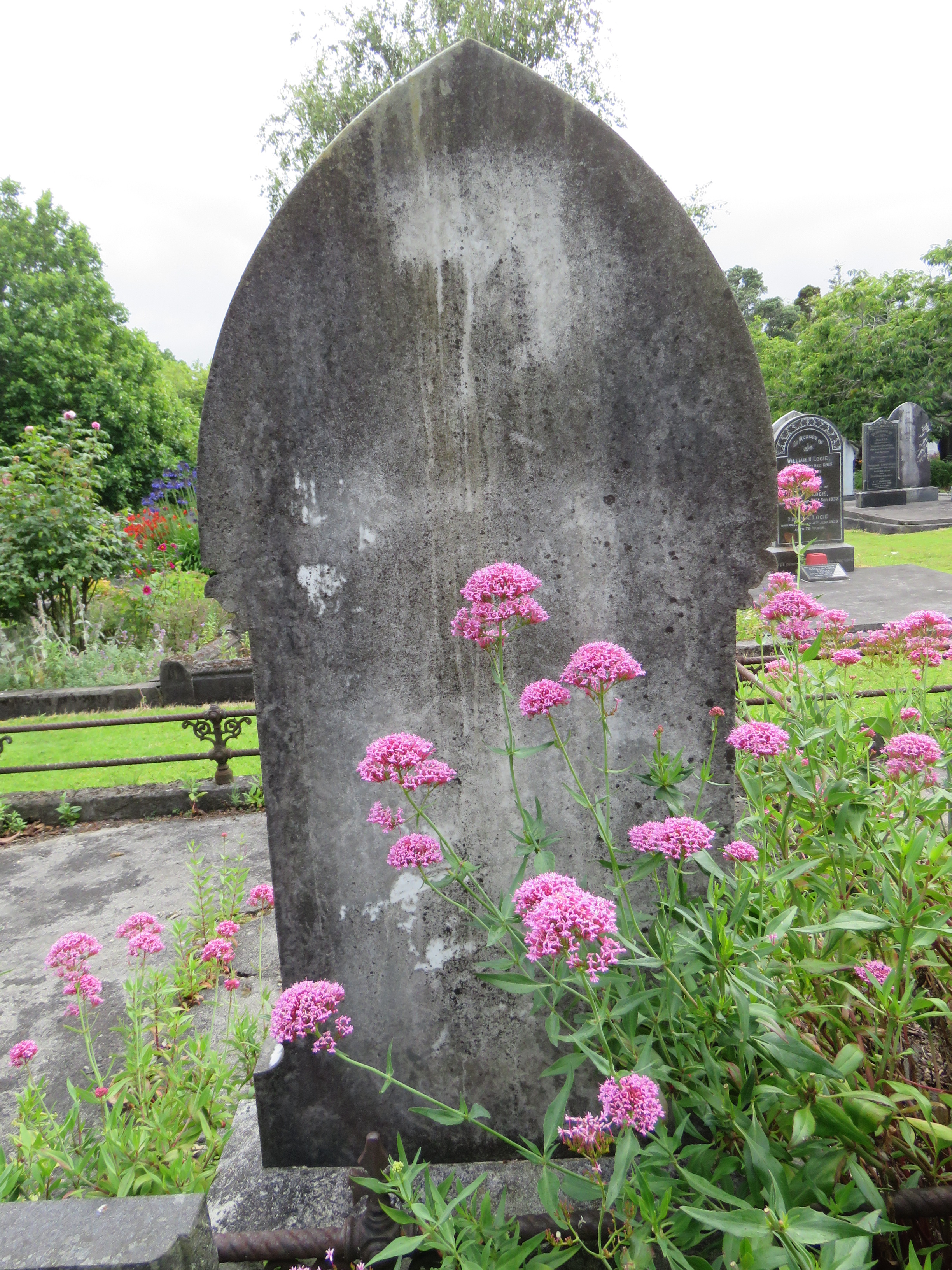
I assume this is false valerian (Centranthus ruber) but I will stand corrected if my assumption is wrong.

This local graveyard remains one of the very best places to see a huge range of flowers and some charming and well thought out combinations.