
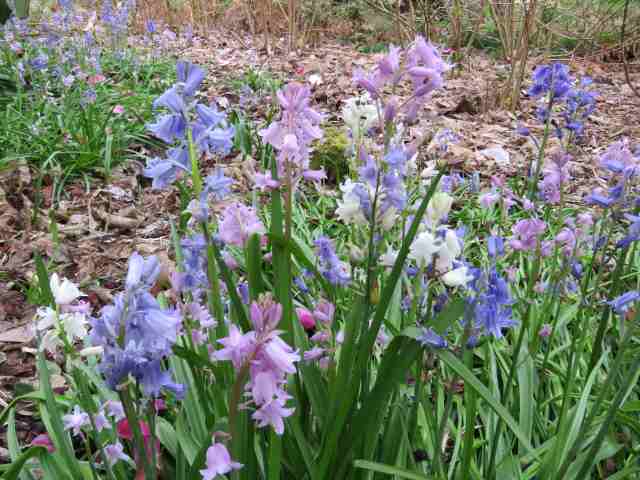
October opened with the bluebells, the pinkbells and the whitebells. I don’t want these in cultivated garden areas any longer but they are very pretty in wilder areas. In terms of a single colour sweep, blue is always best. White might as well be onion weed. Pink is a bit novelty-ish. When it comes to a colour mix, blue should still be in the highest proportion, as it is in the wild. At least that is the rule of Abbie if you are after a naturalistic, sweeping meadow effect.
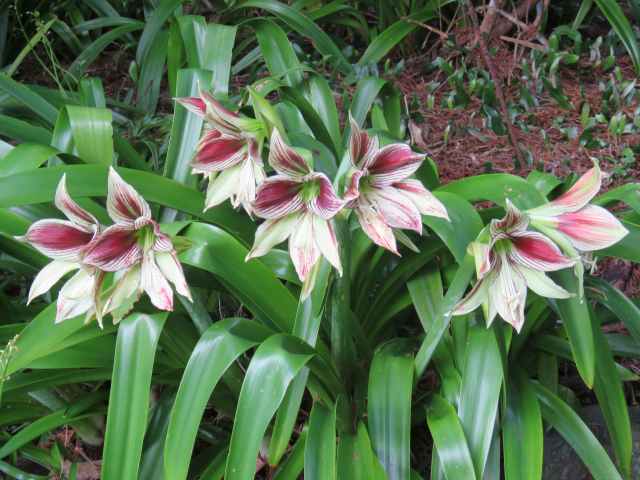
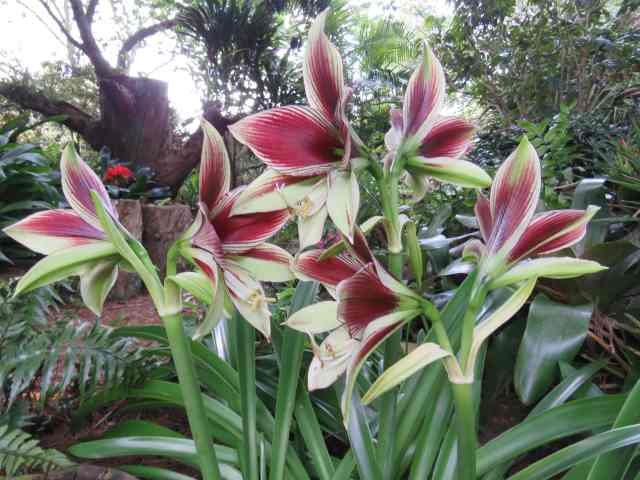
Last month belonged to red Hippeastrum aulicum. This month opened with Hippeastrum papilio. It has taken a few years but we now have plenty of this bulb, able to be counted by the score rather than single figures. It is available for sale and it is expensive to start with – probably around $25 or $30 a bulb. But it is not difficult to grow and it multiplies at a reasonable rate if you quietly lift and divide it every year or two, replanting into well cultivated soil with some compost added. Its flowers are large and showy. Its season was somewhat shortened this year with The Rains. It feels as though it has rained most days this spring. The magnolias and michelias did not appreciate the very wet season and were particularly disappointing. H. papilio tried to bloom and did well enough for me to get this photo. Alas, when I looked a few days later, even with their heavy texture, the blooms had largely sogged out and given up.
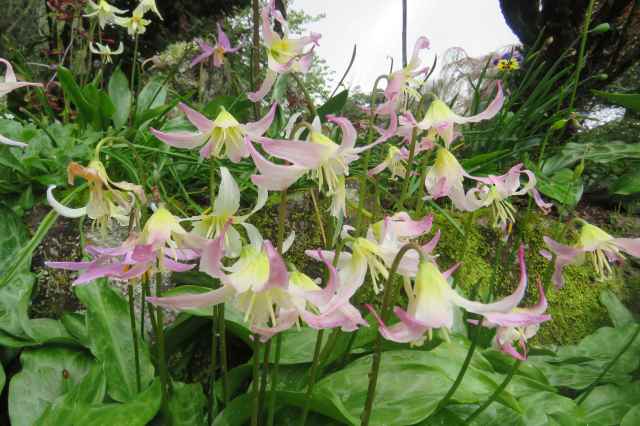
The dogs tooth violets – Erythronium revolutum – are marginal with us at the best of times. Their very soft blooms can mush up in our spring rains so I had to reach into my file photos, given that there were a few brave blooms at best. The Fritillaria meleagris is equally marginal our climate and has also been and gone for the season. These are plants that are very charming but they will love your conditions more if you can give them more winter chill and less spring rain.
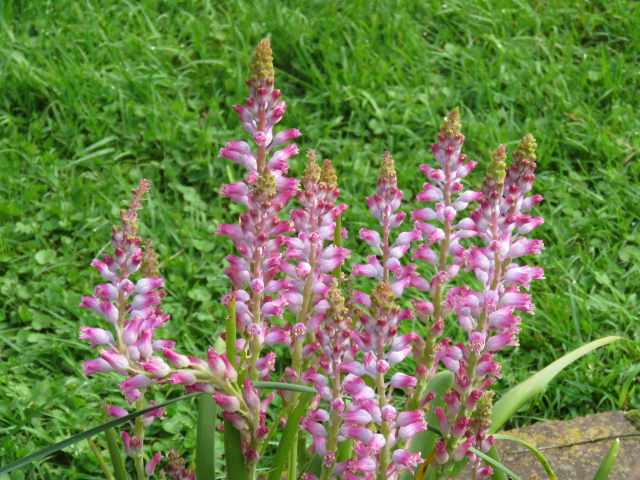
The lachenalias have proven more weather hardy for us. Now that the early ones have long gone, we are onto the late bloomers, particularly this rather striking pink and blue number and the white species L. contaminata.
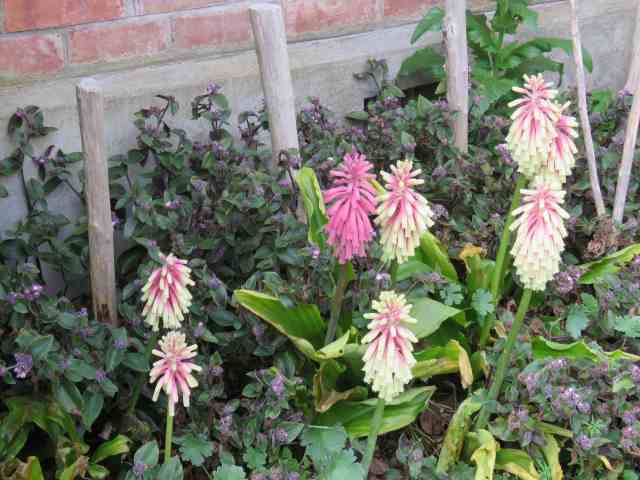
The veltheimias are another large bulb that has surprised us with its willingness to settle in and naturalise. It is a South African native, triggered into growth by autumn rainfall but otherwise happy in dry, conditions. We assumed it would want full sun but Mark’s efforts scattering seed through the woodland areas has seen it settle in without fuss and gently establish in shade as well as sun. Veltheimia capensis is the pink form and it is common enough and reasonably hardy; the prettier lemon and pink form is less common, probably less hardy and is Veltheimia capensis ‘Rosalba’.
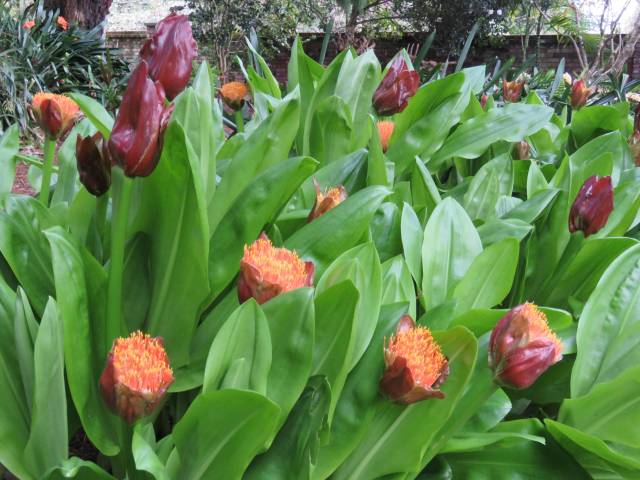
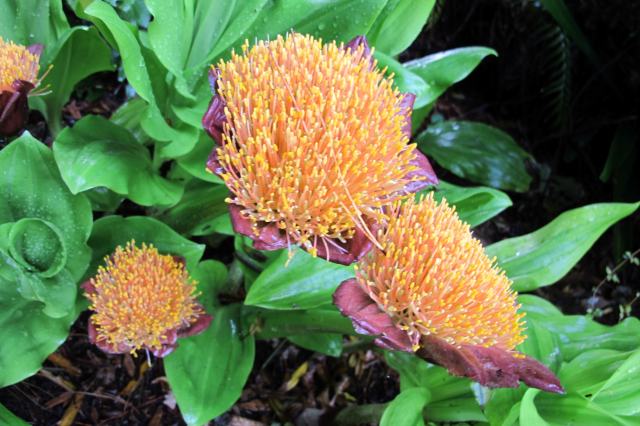
Our other stalwart this month and into early November is Scadoxus puniceus. Part of the family oft referred to as blood lilies, this species is not common. You will be lucky to find it offered for sale in New Zealand. The summer flowering Scadoxus katherinae (technically S. multiflorus ssp katherinae) is readily available, although certainly not cheap. We have both gently seeding down in woodland where they make big, bold statements with their presence. If you are a patient gardener, you can build these up from a single bulb, as we have. If your conditions are favourable, you may even get them to naturalise over time, as we have.
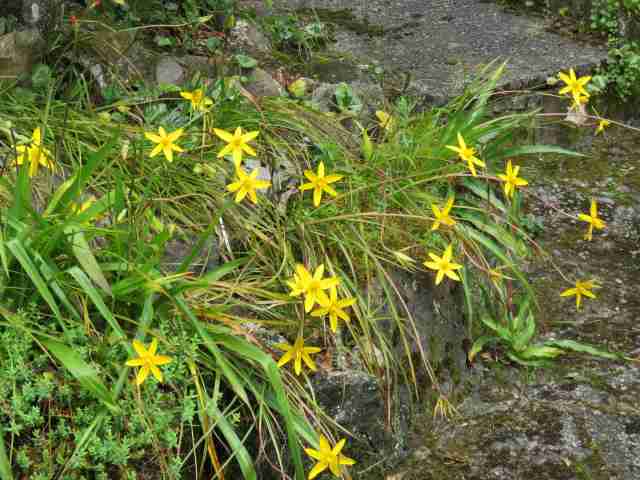
I am not writing a comprehensive book so I am not doing a full listing of which bulbs flower this month. There are too many, from pretty Albuca canadensis through to Phaedranassa cinerea, that sit on the choice, less common end of the bulb spectrum. There are families that we tend not to think of as ‘bulbs’ like alstromeria (we must have those blooming every month of the year) or the vast iris family. And there is that whole cluster of somewhat messy bulbs which often seem to overlap categories – babiana, sparaxis, ixia, vallota, tritelia, brodiaea, spiloxene syn pauridia and more – many coming into flower now. I say messy because a fair number of them come up with foliage that starts to die off as the flowers open. There are times I think greater separation between flowers opening and foliage browning off would be preferable.
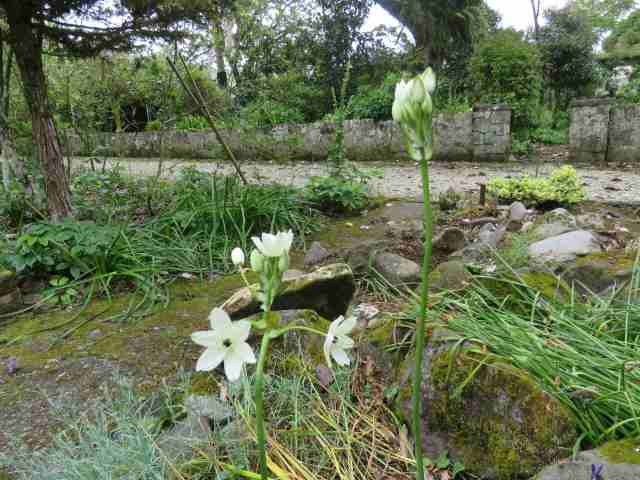
I will mention Ornithogalum arabicum, sometimes referred to as black-eyed Susan but it shares that name with other plants too, which all goes to show that common names can be problematic. Arabian star flower or star of Bethlehem are perhaps preferable options. It is not that O. arabicum is particularly rare but it does exercise great mystique for me as a prime example of random reinforcement. Every few years it pops up flower spikes but it clearly does not wish to be taken for granted because it doesn’t do it every year. It makes it a fresh surprise and pleasure when it deigns to bloom.
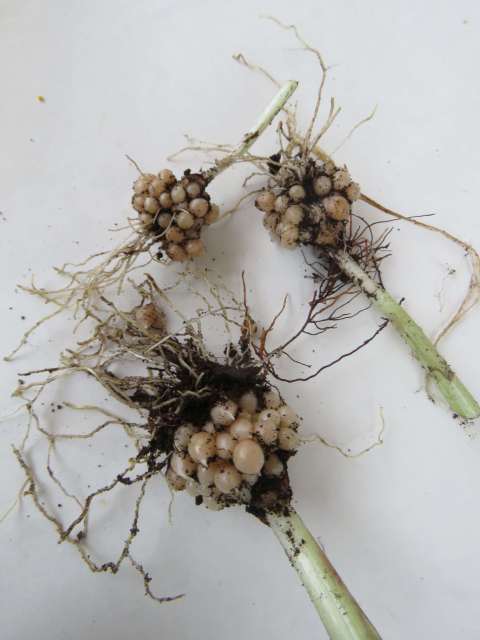
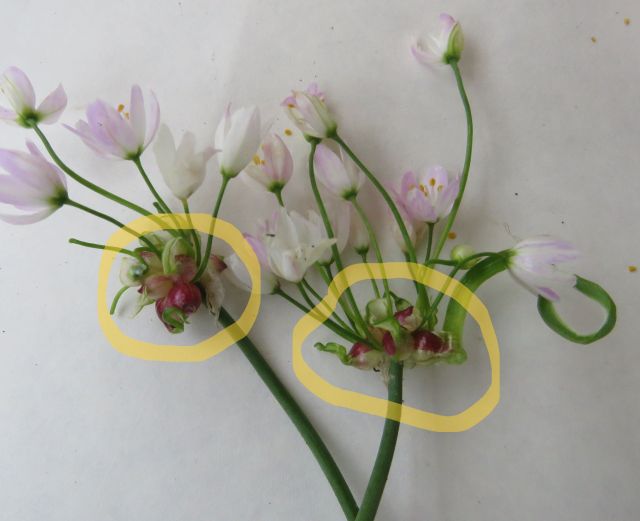
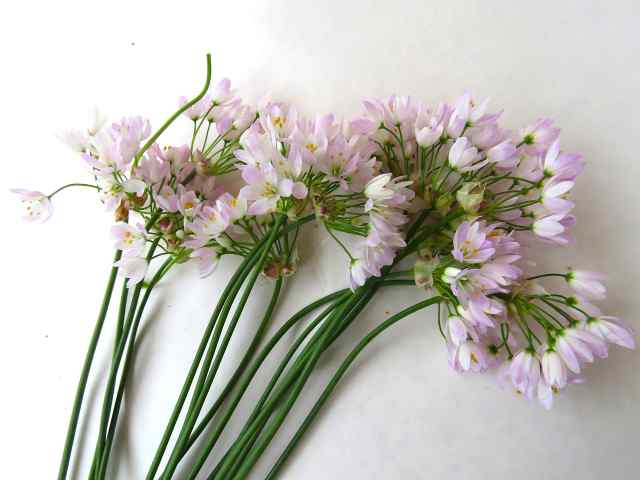
Unfortunately, I am also dealing with An Incident – The Incursion of the Allium Bulbs. “Oh, that is the one Dad tried to get rid of,” Mark said as he passed. It is probably a species that was sold at some stage but, with over 1000 species of alliums now identified, I have no idea which it is. There are not too many of that thousand that I would accept these days, excepting onions and garlic, of course. Look at how many bulbs a single stem is creating. And not just at the base. If you look at the flowers, you can see a whole lot more babies forming at the base of each bloom. This is a scary rate of reproduction. I shall continue attempting to get rid of it here, even though total eradication does not seem possible.

 Tikorangi The Jury Garden