
A friend was telling me about a major garden that he had visited recently and his disappointment that it was, as we say, noticeably ‘going back’. He then offered the reason that “of course, they are trying to garden sustainably,” as if to excuse the out-of-control weed issues.
No. No. No. That is not sustainable gardening. That is stopping using glyphosate in regular garden management but not replacing with extensive hand weeding, mulching and making sure no weeds ever get large enough to seed down.
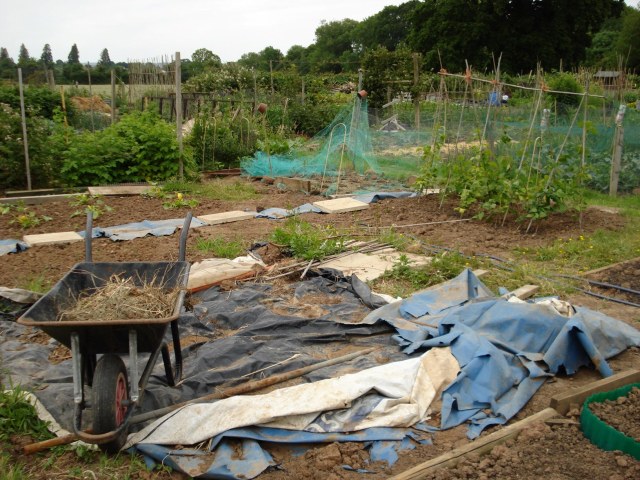
A sustainable approach has more traction in the home vegetable garden where good soil management and the production of healthy vegetables are prioritised – often a mixture of organics, permaculture, biodynamics and other approaches that used to be extremely fringe but are now more mainstream. What doesn’t usually come into that type of gardening is aesthetics. Laying cardboard and old woollen carpet is fine in a utilitarian environment of food production but not generally acceptable in an ornamental garden setting.
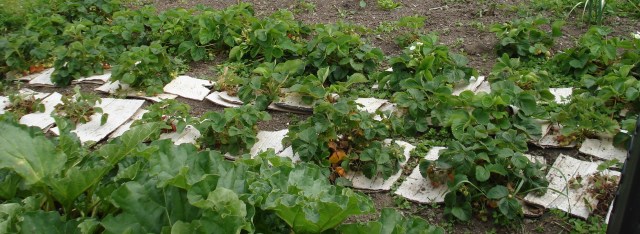
We have been talking about sustainable gardening here for years and it comes down to two main principles for us. One is eliminating – or at least hugely reducing – garden practices and habits that we know are bad for the environment. The second is gardening in a way we can manage as we age but which maintains the garden in a state that continues to bring us pleasure. We are certainly ageing here, but we have no plans to sell up and move somewhere smaller so that second point is equally important to us, but may not apply to others.
If you do a search on sustainable gardening, there are plenty of resources on line, like this one from Missouri Botanic Gardens, which give handy hints on things great and small that you can do to make your garden practice more environmentally friendly. You do not need me to produce another check list. Small steps are a good start.
Changing a large, predominantly ornamental garden to more sustainable management needs more than small steps. It takes a whole different approach and looking through different eyes. Alas, it sometimes starts with ceasing use of all toxic sprays and that is a giant step, not a small one. We are old enough to be of the glyphosate generation. When it was introduced and then generic, cheaper options became available, it was a game-changer both in gardening and in agriculture. Mark recalls the talk at the time that Round Up (the original glyphosate) was the equivalent of a labour unit. One man – and they were usually men – with a knapsack sprayer could deal to weeds astonishingly quickly. Many large gardens in this country were established and are still maintained with weed sprays. Ours was no exception. Mark would fill the sprayer and start a weed round from one end of the garden to the other on a regular basis.

Over time, that practice has become questionable and is now increasingly regarded as unacceptable. I remember a point in time when Mark decided it was not at all okay to be seen by members of the public with the knapsack sprayer on his back. He would discreetly disappear when people arrived. When we closed the nursery, we moved away from the routine use of sprays. We removed plants that needed spraying to stay healthy; we stopped using fungicides, went for canola oil-based insecticides when we needed them and stopped the routine use of glyphosate in garden management.
We don’t describe our garden as organic because it is not. There are times when we will resort to sprays to deal with particularly invasive weeds (onion weed, tradescantia and the like) or to knock back weed growth in areas of the property we don’t garden but it is never routine and it is not often. We don’t spray or fertilise our lawns and haven’t for at least 15 years but we have changed how we manage them. Our general use of commercially produced fertiliser is rare and targeted to single plants. There is no nitrogen run-off from our place.
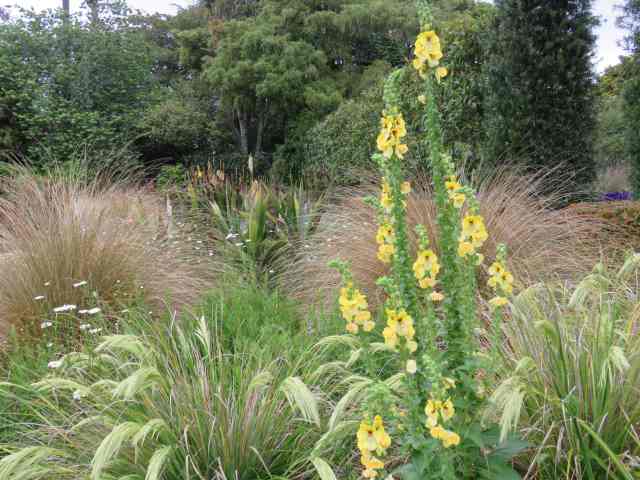
There are commercial products now that claim to deliver the same results as the spurned sprays but all that is doing is continuing the same gardening practices, usually with less effective tools. Think of it like the attempts to reproduce the traditional food diet but with vegan substitutes – tofurkey (tofu turkey) and fake chicken made from pea protein come to mind. I tried the pea *chicken* once and it was perfectly pleasant but it wasn’t the same as chicken and, when I looked at the packet, the food miles were huge – I think I remember it coming from the north of the UK – and it was a highly processed product. I didn’t buy it again. Just as a good vegan diet is not as simple as swapping out animal products for something that emulates that product, so too does swapping out a toxic spray for an *organic* product fail to get to grips with real issues of sustainability.
Nor indeed should sustainability be confused with low maintenance. They are different concepts.
Once you have taken the first baby steps towards gardening more sustainably, it takes a change of thinking and management to make the next, more significant steps. It is not what we garden with that is the issue; it is how we garden and what personal values we bring to our gardens.
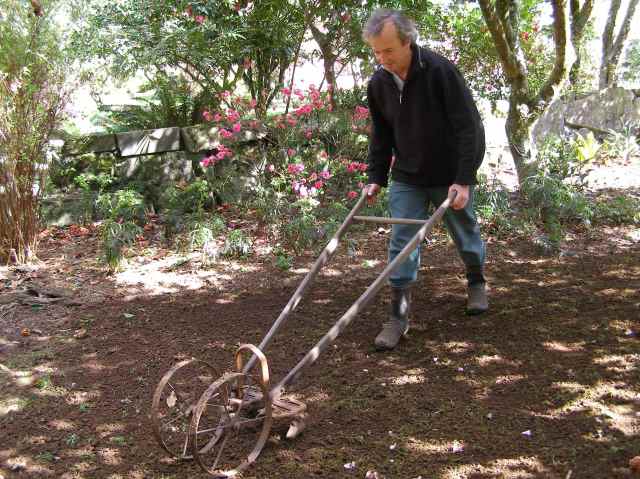
Part one of two. Sustainability and gardening for biodiversity to follow…. Probably tomorrow.
 Tikorangi The Jury Garden