
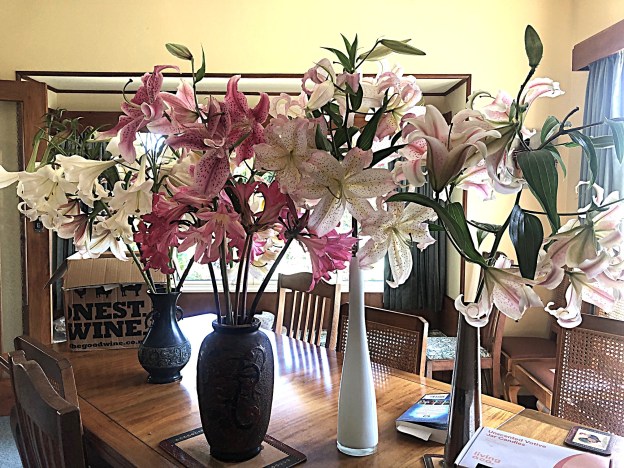
Will my bulbs of February be the month when there are slim pickings, I wondered at the start of the month. But no. I begin to think that there may be no such months, in our garden at least.
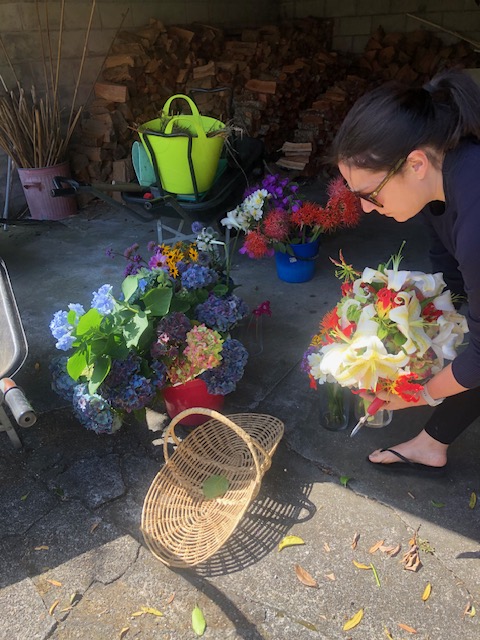
February was marked by a bit of a rollover from January, notably auratum lilies, gloriosas and Scadoxus ssp multiflorus katharinae. All are excellent cut flowers. I knew the lilies were but I have never cut the scadoxus before and they show a remarkably long vase-life. This discovery was made because our middle child came home for a small, intimate wedding in the garden here – an event we never expected to see. In the spirit of this informal occasion where the vows were both heartfelt and a central part of the whole event, she did her own wedding flowers from the garden here. She made her posy and a smaller one for their two year old to carry as well as the vases for the long table while I did the big showy vases of OTT lilies – mostly auratums but with a few Lilium formasanum and belladonnas.
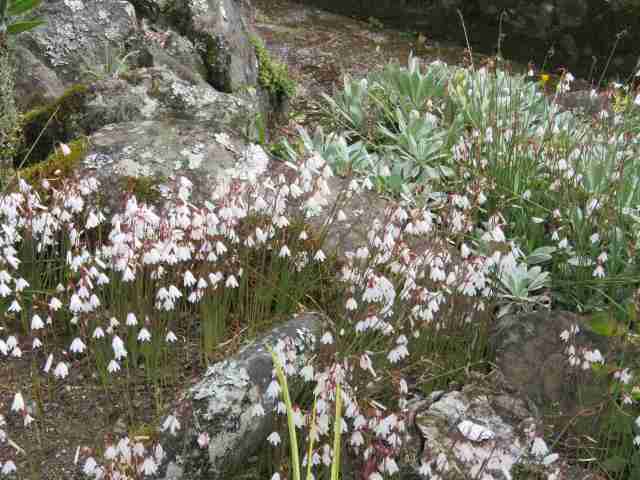
Some bulbs are a fleeting delight. The daintiest, tiniest little flowers of the autumn snowflake – Leucojum autumnale – all bloom at once as harbingers of the change in season. The Worsleya procera came and went in the first ten days of the month. No less spectacular, the Paramongaia weberbaueri impressed with its debut performance this very week. I do not think it will have a long season in bloom.
Then I pondered the fact that many of the bulbs that I declare have a long season are in fact bulbs that we have in the garden in abundance, counted in the high hundreds. If we had 500 worsleya, they are likely to flower more in succession and might have me admiring their long season in bloom. That is the case with the blue Moraea polystachya just opening and likely to flower for a good couple of months. But it is not each individual moraea bulb that is flowering that long, although it does set buds that open successively. It is having many bulbs around which open for their weeks to star.
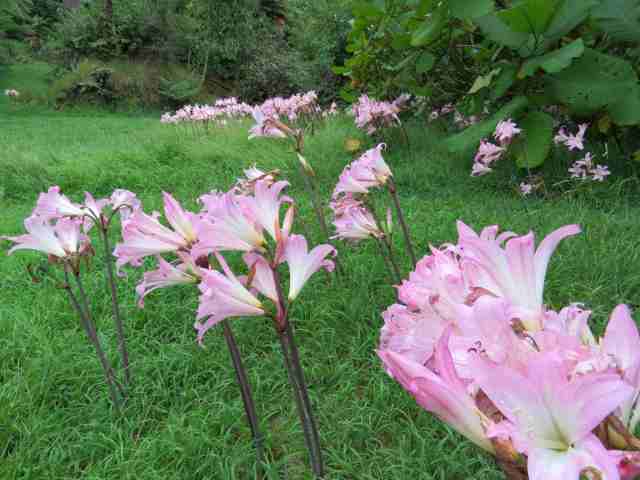
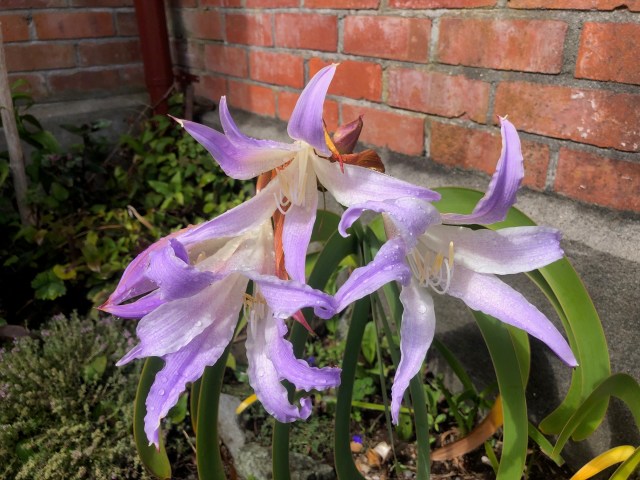
Some are short in season but somewhat glorious. The belladonnas – Amaryllis belladonna -are more wildflower or roadside plant than one for cultivated garden but that does not diminish their charm on the day. They last well in a vase, too.
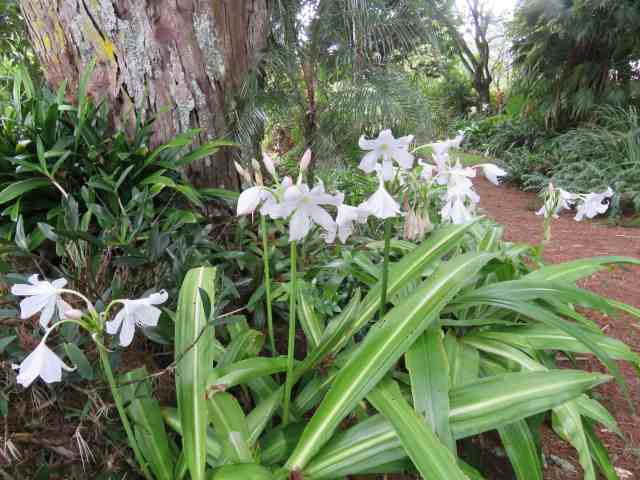
Crinum moorei variegated has spectacular foliage in late spring and early summer but the foliage starts to whiff off a bit, sometimes losing its variegation, as the perfect, white, scented blooms open. I would prefer it to time the foliage and the flowers to perfection but the gardener’s personal preference is irrelevant. It remains an excellent bulb, showy for a long period with the foliar lead-in followed by lovely blooms. We always grow it in the shade gardens because that foliage will burn in our bright summer sun.
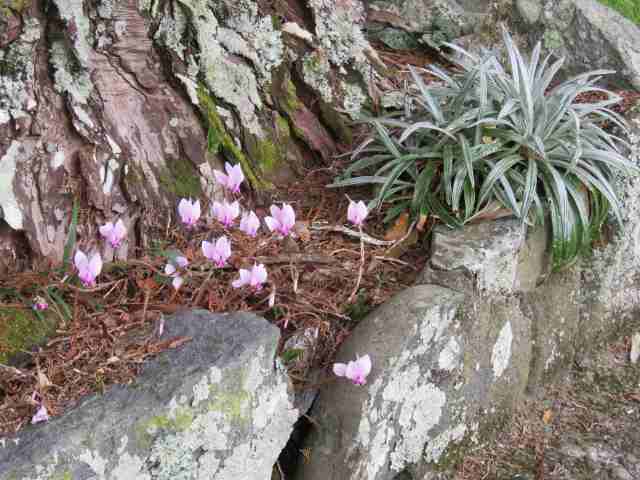
As the big blowsy bulbs of summer pass over, the autumn snowflakes are joined the by the dainty Cyclamen hederifolium which we have in abundance – decades of letting it gently seed around to naturalise.
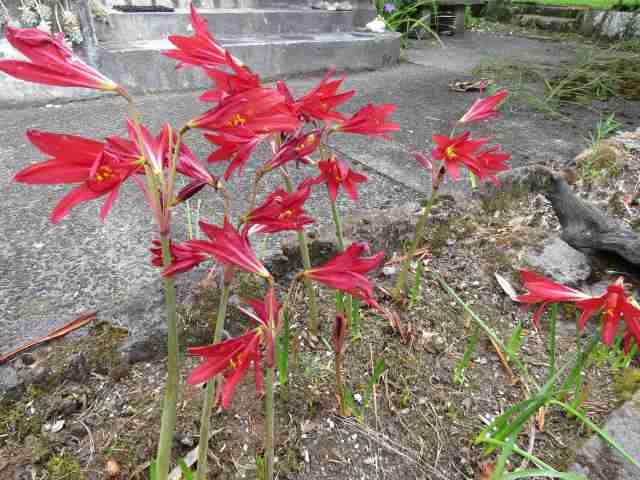
We have known this plant as Rhodophiala bifida, following on from a period of it being Hippeastrum bifida but apparently it was classed as Habranthus bifida prior to that; now, now it has been moved again to Zephyranthes bifida. I do hope it has found its forever home in the zephyranthes family. It doesn’t have a long season in flower; nor does it increase quickly but it is lovely in its time.
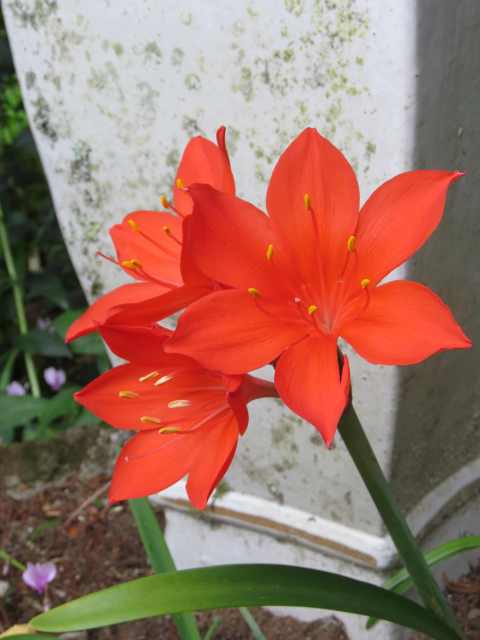
Whereas what we once had as a valotta (and was it also once an habranthus?), is now to be known as Cyrtanthus elatus. I do try to be botanically accurate but it is not always easy to do so. For those railing against name changes, they may be inconvenient but there is scientific data to justify the reclassifications. I would assume it is all DNA-based these days.
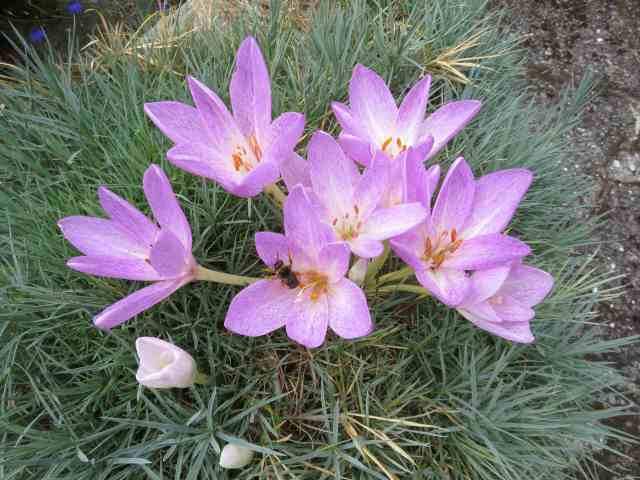
Haemanthus coccineus may be the most fleeting of all the late summer bulbs we grow, but mostly this plant is grown for its spectacular foliage, colloquially known as elephant ears. Colchicums, too, have a brief season but not as brief as the haemanthus. They are oft referred to as autumn crocus but that is not botanically correct at all.
The bulbs are telling us that we are on the cusp of summer turning to autumn.
 Tikorangi The Jury Garden