Category Archives: Garden lore

Wisdom and hints

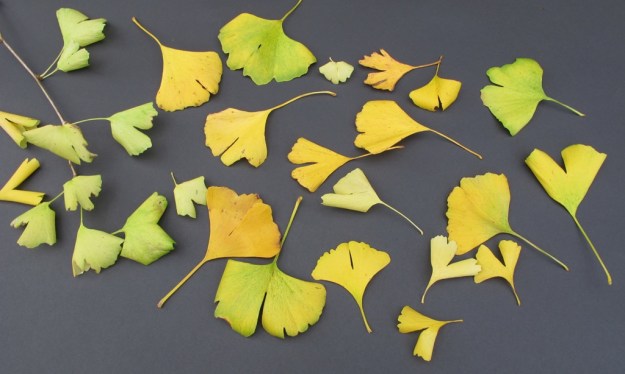
Garden lore: another use for gingko leaves

Ginkgo leaves

Ginkgo leaves

Bay leaves – from the culinary bay tree or Laurus nobilis – are so widely recommended as a means of discouraging pantry moth that I assume this lore has been tested by time. I have to admit to not having tried it myself but I think the idea is that you strew bay leaves in your pantry. Given that pantry moth can cost quite a bit in spoiled food, it may be worth a try if you are dogged by these pervasive critters.

I had to burn books. so badly infested were they

I had to burn books. so badly infested were they

What I did not know until I read this month’s NZ Gardener magazine is that gingko leaves are reputed to repel silver fish and whatever moth it is that likes to lay its eggs in books. I shall be trying this but I imagine it will take a year or two before I can comment on its veracity. We are in the process of building a designated library area and this has involved removing every book in the house into stacks. I was a bit shocked to find three titles amongst the teen fiction in our son’s bedroom which were disintegrating due to insect infestation. Poor Philip Pullman and Robert Jordan – such an ignominious end to be burned but inspection ascertained that nobody would ever want to read these books again. I shall be placing ginkgo leaves inside the books that were adjacent to these titles and particularly inside one which is only lightly damaged.

Now I guess the question to be asked is whether gingko leaves will also repel pantry moth.

It was only last year when I was still writing for the Waikato Times, that I featured the fascinating gingko trees.

A brief diversionary activity for moments of extreme boredom

Monet-ish or Monet-esque. Perhaps.

Monet-ish or Monet-esque. Perhaps.

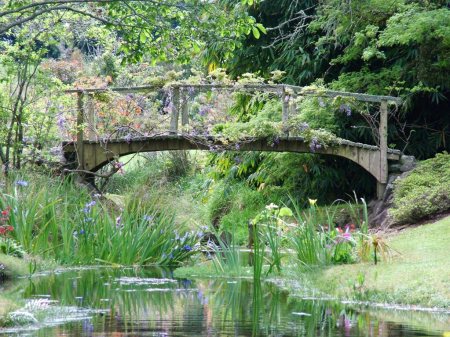
Should you need a minor diversion in your life, may I introduce you to the brief amusement of the DIY Monet site offered by our national museum, Te Papa? The site is quite old and no longer appears to be fully functioning so I had to call upon the skills of a more technically-inclined friend to save my image. He did it by a screen capture and then cropping in, in case you want to save your DIY Monetesque photograph.

Our bridge is weathered timber, not the synthetic green shade favoured in Monet’s own garden at Giverny so far less distinctive as a landscape feature. But no matter, we like it in real life. We made the pilgrimage to Monet’s garden in Giverny last year.

The Monet bridge - one of two at Giverny

The Monet bridge – one of two at Giverny

Our own bridge, pre- Monet-ising

Our own bridge, pre- Monet-ising

Garden lore – the autumn trim of the hellebores

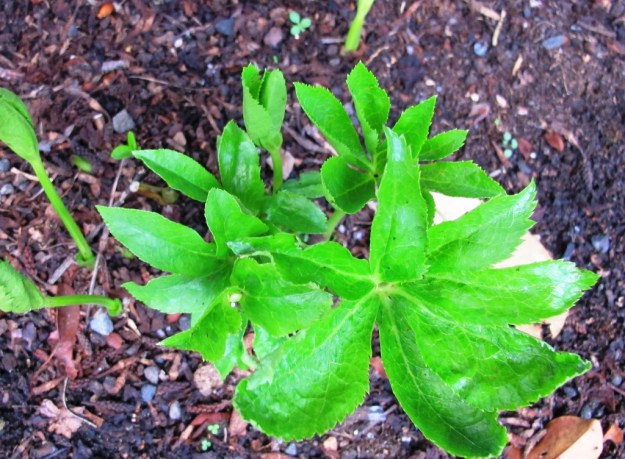
???????????????????????????????I am cutting all the old foliage off the Helleborus orientalis and I am pleased I have my timing right. Few plants are putting out their new foliage yet. We never used to do this. Indeed, for decades, the main hellebore border (about 30 metres long) was just left to its own devices. Then I read about NZ hellebore expert, Terry Hatch, cutting off all the foliage – even putting a lawnmower through them, though you would have to get your timing absolutely right to carry out this approach.

I tried it and the hellebore display was hugely more charming in winter because the flowers were visible and the fresh foliage was light and bright. It also gave more light to bulbs beneath the plants and cleared out the aphid infestations we can get in the foliage. While about it, I weed out the multitudes of seedlings we get beneath. We do not need yet more hellebores in this area which is already quite congested.

Last year, Mark demurred. He wondered if cutting off all the foliage from evergreen plants would weaken them over time. Fortunately, when we headed over to England on our summer garden trip, we stayed with a new friend. Diana is one of those wonderful English gardeners – an amateur enthusiast but with a specific technical knowledge allied to practical experience which exceeds that of many professionals. We were happy to accept her opinion and indeed she does clean off all the old foliage.

I get dirty knees and do it all with grape snips. One year we tried putting the strimmer or weedeater over the bed. While it was speedy, I didn’t like the chewed stems it left and it didn’t do the weeding either. The trick is all in the timing. Leave it much later and it takes much longer because it involves trimming carefully around fresh new growth. The rewards will come in a few weeks because I can see fresh growth and flower stems starting to push through. We used to follow up with a compost mulch but the soil is now so rich in humus that this is no longer necessary.

I only carry out this extreme trimming on H. orientalis. The other species we grow just need an occasional trim of spent stems.
???????????????????????????????

Garden Lore: Another tree falls

Poor old Picea omorika

Poor old Picea omorika

Behold, a fine example of why most trees are best kept to a single leader. A short, fierce storm 10 days ago brought down part of our Picea omorika. This tree is several decades old – five or six maybe  – and is over twelve metres tall.

It reached about four metres before it forked into three trunks so it would have needed a good ladder to deal with the issue then but it is one of those jobs that nobody ever got around to doing. The first trunk was broke out a couple of years ago, having been exposed to wind after damage to a nearby tree. The second trunk has just fallen. Fortunately, while tall and dead straight, the only damage caused was to the flashing on the side of the shed roof. The third trunk is still in place but precariously swaying. It is highly likely it will snap off at some point in the future though we have ascertained the direction it will likely fall and it won’t be too problematic. The loss of the other two trunks leaves it one-sided, exposed and vulnerable.

Some trees have the shrubby habit of branching from the base and putting up multiple leaders. Magnolias Leonard Messell and Apollo are examples of this. Trying to keep these to a single leader is fighting nature. But most trees grow up on a single leader for maximum strength. In terms of long-lived garden specimens, they are stronger structurally and look better if the trunks are not allowed to fork low down. It is a great deal easier to do this when the plants are young than to clean up at the other end of several decades of growth.

The folly of allowing trees to develop multi leaders

The folly of allowing trees to develop multi leaders

Garden lore: The Agapanthus Conundrum

???????????????????????????????Overseas gardeners find our attitude to agapanthus perplexing. These plants are much more prized elsewhere, whereas we largely consign them to roadsides. It is much rarer to see them used as garden plants in New Zealand, even though there are some very good named cultivars which are sterile, so don’t set seed. Their future is sometimes under threat as they are seen by some to be noxious weeds. And they are very difficult to get rid of if you no longer want them.

But I think our summer roadsides would be dull without them. While they set prodigious amounts of seed, these do not appear to spread far and certainly the birds are not expanding the range. But such is the concern, that we try and get round to removing the spent flower heads and we feel obliged to stop them from encroaching on the neighbours’ boundaries.
???????????????????????????????This leaves the problem of what do with the seed heads. While we make a hot compost mix, it is not always hot enough to destroy viable seed. In the past, I have been guilty of putting seed and noxious weeds out for rubbish collection but we now think that sending even very limited amounts of green waste to landfill is not justifiable.

This year Mark has set up large barrels into which unwanted seeds and bulbs are put to soak in water until they rot down. It would give a valuable liquid fertiliser but liquid feed has not been part of our routine so it is more likely to all end up in the compost heap eventually. Allow at least a month for the rotting process to take place.

If you want to get rid of clumps of agapanthus, most people will have to get digging. The most common weedkiller, glyphosate (Round Up) is largely ineffective. To spray, you have to resort to heavier duty, controlled brush killers like Grazon and few people have access to these. It may be the difficulty of eradicating existing plants that puts most people off the plant, more than their seeding ways.

030