Category Archives: Seasonal garden guides

Weekly garden guide, In the garden this week, In the Taranaki garden

In the Garden this week: Saturday 23 April, 2011

• I was wrong. The first wintery blast did not wait for Easter but arrived last Monday morning. Fortunately we should not stay cold for a while yet, but it was a good reminder to make the most of remaining mild autumn weather in the garden. Nothing saps gardening motivation faster than cold, wet conditions.

• Easter should signal the time to be out doing the autumn clean up. Tell yourself that you are working off the extra calories consumed by most of us at this time. Remove spent crops in the vegetable garden and do a weeding round. If you don’t need to use all the area for winter and spring crops, either sow down bare areas in a green crop or at least mulch it to keep the invading weeds at bay.

• Silver beet is a rewarding vegetable to grow for those who are willing to eat it (and apparently some people like it) because you can continue harvesting repeatedly from the same plants. It is also hardy so makes a good winter stand-by. It is best to put in small plants this late in the season. There is not a lot of growing time left before winter.

• In the ornamental garden, the time for autumn feeding is over in colder, inland areas and fast running out in milder parts. The idea of feeding now is to allow the plant to take up the goodness before growth slows down or stops during winter. There is no point in feeding dormant plants.

• Last gasp, too, for perennial cuttings this season. After this, perennials need to be increased by division, not cuttings.

• Slugs and snails are undeterred by the cold. Watch for signs of them around emerging spring bulbs and set up bait stations if need be. We often use a low-sided plastic bottle top such as those from milk containers with a paua shell covering it to stop the bait from dissolving.

• Wrench plants which you intend to move to another site. Wrenching involves making straight cuts down two sides of the plant’s roots now, following up with cutting the other sides in two or three weeks’ time. This reduces the stress on the plant but is only necessary for well established plants which have been in the ground for some time (as in more than a year or two). Plan to take as large a mass of roots as you can physically manage.

• If you have not yet given hedges a tidy up trim, don’t delay on it. Trimming forces a new flush of growth and you don’t want it so fresh and tender that the first hint of frost will burn it off.
In the garden this week: Friday 15 April, 2011

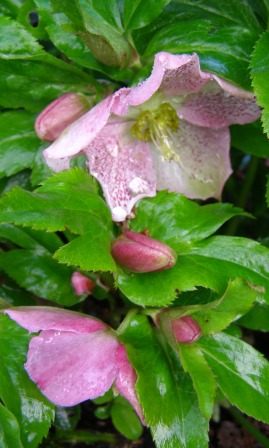
A little attention now will ensure a better winter display from hellebores

A little attention now will ensure a better winter display from hellebores

* It is time to give hellebores (winter roses) a little attention. We go through at this time and cut all the old leaves off, removing them to the compost heap. This gets rid of any aphid infestations, allows the flowers which will start emerging in a few weeks to be visible and the fresh foliage is much more attractive than tired old leaves. You can go through with a slasher if you wish. A weedeater is faster but tends to leave chewed looking stems. Feed and mulch the crowns.

* Most hellebores, particularly the common H.orientalis, are not the most amenable plants to divide. They take several years to build up to a good size so if you plan to divide a clump, make them large divisions. We prefer to go through and remove all the seedlings to prevent too much competition, leaving the large plants alone.

* Autumn is a good time for pruning and shaping most woody trees and shrubs.

* Sow lawns without delay while the weather is still mild. If you don’t do it straight away, you will have to wait until spring because grass seed won’t grow in winter.

* In response to phone calls, the pumpkin crop we grew for hull-less pumpkin seed was called Austrian Oil Seed and we bought it from Kings Seeds. Only the seeds are edible although the pumpkin may be suitable for stock food.

* In the curious world of vegetables, Sydney daughter reports that amongst the various bok choy/ pak choi variants at the market, she found a different veg called kang kong which she thought looked like a weed so she bought some to try. She says it was “quite nice”. Upon looking it up, she worked out why it looked like a weed. It is a convolvulus. I have yet to see kang kong offered here. Most Asian green leafy vegetables are quick maturing so ideal for a short term crop.

* While on the topic of seeds, the new autumn catalogue from Franchi Seeds is available on line at http://www.italianseedspronto.co.nz. These are predominantly summer crops but you may like to browse the traditional tastes of Italy in anticipation of sowing seed later in the year. Mark is planning to try some of the tomato crops and I am encouraging him in this because the most delicious tomatoes I have ever eaten were in the south of Italy. By no means are all tomatoes equal in the flavour stakes. Make the most of the pleasant autumnal weather which is brilliant for gardening. We frequently get the first wintery blast over Easter. No matter when Easter falls, the weather gods spy the event, not the date.

In the garden this week: April 8, 2011

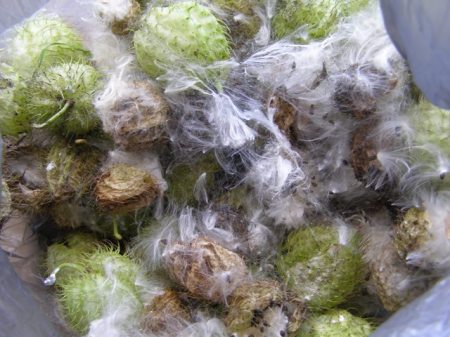
Time to gather swan plant seed

Time to gather swan plant seed

• If you had swan plants which were large enough to set seed, gather the seed and hold it over for planting in early spring. A row of plants in the vegetable garden is a satisfying summer entertainment.

• The walnuts are starting to fall. If you have trees, you need to gather the nuts frequently or you will find the wildlife beats you there at night – particularly rats. Nuts need to be dried before they can be eaten and stored. We spread them in a single layer on trays for a couple of weeks and try and fight off the vermin which will conduct raiding parties until we can get them stored away. Mark sometimes resorts to putting the dried nuts in tightly tied onion bags hanging from the shed roof.

• Pumpkins store better if they are dried out first. Eat any thin skinned varieties of pumpkin first (the green buttercup type along with squash) and keep the tough iron grey ones for last. However, if you plan on storing pumpkins, make sure that their outer casing is undamaged or they will just rot.

• Onions also store better if they are first dried in warm, light conditions.

• You are running out of time for planting vegetables to harvest during winter. Soon it will be time to plant for spring. Get in peas, brassicas and winter leafy greens (silver beet, spinach and winter lettuce) without delay.

• Sow down bare areas of the vegetable patch with green crops such as oats, lupin, vetch, phaecelia, mustard or rye grass. They will germinate and grow, reduce weed infestations and when you dig them into the ground in early spring, they will add goodness and structure to the soil. Leguminous green crops like lupin and vetch also fix nitrogen in the soil.

• You are not likely to ripen tomatoes on old vines now. Gather any perfect fruit, green or not, because they can be ripened off the vine and are less likely rot.

• If you have areas in the ornamental garden which are looking scruffy, past it and generally unappealing, lifting perennials and dividing them can make a big difference. These plants appreciate frequent handling and will respond with renewed vigour, especially if you dig over the area before replanting, water them back in and add a scattering of fertiliser. Perennial plants include all the clumping types of plants, as well as flaxes and grasses.

In the Garden: Friday 1 April, 2011

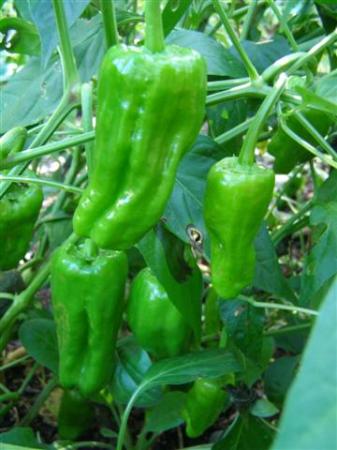
A game of chance with the pepper crop this year

A game of chance with the pepper crop this year

• The capsicum crop this year has been causing me problems. Peperone Padron is apparently a Spanish heirloom variety, renowned for the fact that it bears both mild and hot peppers but you can not tell the difference until you eat them. The seed packet proudly proclaims that eating a portion is popularly linked to Russian roulette. I prefer a little more predictability in the harvest so we may be more conservative with next year’s varieties.

• The spring bulbs are bolting into growth so if you have patches you have been meaning to dig and divide, do them this weekend and handle them gently. You have longer if you are buying dry bulbs which are still available at all garden outlets.

• We should still have at least five weeks of very mild weather, albeit with cooler nights, before the threat of frosts in inland areas and the first blasts of winter chill. So it is perfect planting time for trees and shrubs.

• The mild conditions are also the reason why right now is a good time to do an autumn fertilising round. The plants have time to benefit from the feed before they either go dormant or slow dramatically in growth over winter.

• Sow new lawns and over sow bare patches now. The grass has time to germinate and get some roots out before winter.

• Don’t walk away from the vegetable garden after you harvest the autumn crops, even if you are not intending to replant until springtime. It is time to do a big tidy and clean up. Remove blighted and mildewed plants entirely from the site to try and break the cycle. You don’t want the fungi and diseases wintering over in your patch. If you are going to dispose of them by burying them, don’t do it in your vegetable garden and only compost them if you make a hot mix. It is also good practice to rake up the leaves from fruit trees as they fall. You can help break the cycle of pests and diseases by good hygiene.

• With cooler nights, mice will be moving indoors. If you are storing seed, move the packets to rodent proof containers.

In the garden this week: March 25, 2011

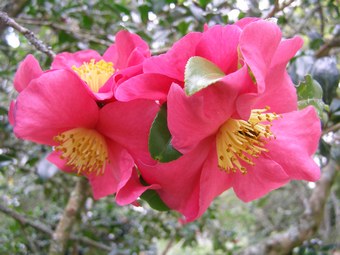
The first of the autumn camellias - sasanqua Crimson King

The first of the autumn camellias - sasanqua Crimson King

* Autumn is here. The first of the sasanqua camellias and the early flowering species have opened blooms. These early flowering camellias escape the ravages of camellia petal blight which will strike in June.

* You can sow annuals now to get good displays in early spring. Cineraria, snapdragons, pansies, poppies along with many other options are all much cheaper if you just buy a packet of seed and take the trouble to raise your own. It is best to sow into seed trays to get them started rather than the lazy option of broadcasting seed on the garden. With most of these, if you take the trouble to get them started once and then let them seed down, they will keep returning in future seasons as long as you are not too ruthless with the weed spray or push hoe.

* Most main crop potatoes are ready to be dug now. Get on to it straight away if your plants are looking blighted – the blight travels down the stem into the tubers and you can easily lose some of your crop. We hose our potatoes clean, sort out any damaged ones to eat first, dry them off and pack in opaque sacks for longer term storage in a dark and dry area.

* If you are planting leafy greens (and with the current price of lettuces at the supermarket, you should be), remember that plants with lots of top leafy growth are the hungriest feeders so benefit from added fertiliser, compost or rotted animal manures.

* With cooler weather, you can be dividing clumping perennials. Astelias, flaxes and grasses are better with autumn divisions because they can re-establish themselves before the chill of winter stops growth. You need to chop back the foliage by half to two thirds to reduce stress on the freshly divided pieces. A level cut with a sharp spade is the most usual approach or you can carefully cut out at least every second leaf at the base if you don’t want the shorn, Mohican look all winter. Clivias are tough, resilient plants which can be divided pretty well any time but now is good.