Category Archives: Tikorangi notes

What about *land farms* then?

Unlined and unfenced. What is this liquid on the Brown Road *land farm*?

Unlined and unfenced. What is this liquid on the Brown Road *land farm*?

Update: January 3, 2014
In recent weeks, it has transpired that the Waitara *land farm* is, apparently, the only one which had fracking fluids spread over it, and that may have been in the last few months. It is probably the *land farm* that is closest to an urban area. It is also right on the coast, unfenced on the coastal side and open to the Waitara West walkway. These two photos of pits full of liquid were taken by a third party in July 2013. The pits were unfenced. Apparently the pits have since disappeared without trace. Were these the fracking fluids? In which case, why was Pit B unlined? Is this the “world class practice” our regional council keeps claiming for itself?
This pit was at least lined but still unfenced. Is this the fracking fluids?

This pit was at least lined but still unfenced. Are these the fracking fluids?


My June 29 walk

???????????????????????????????
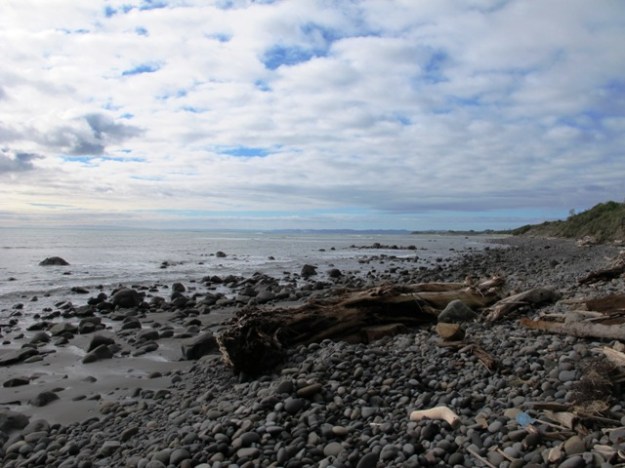
I went for a walk with my daughter along a Waitara beach yesterday. By the Orapa Reef, well known to surfers as Spot X, we scrambled up the bank for a view and to find the Waitara West Walkway and came across… the Brown Road “land farm”. There are areas with no fences here on the seaward side.
???????????????????????????????
“Land farms” sound so innocent, but they are the places where drilling and fracking waste from the petrochemical industry is spread so that, in simple terms, nature can take its course and this contaminated waste can, it is claimed, be rendered benign by bio-remediation in a remarkably short space of time.
???????????????????????????????
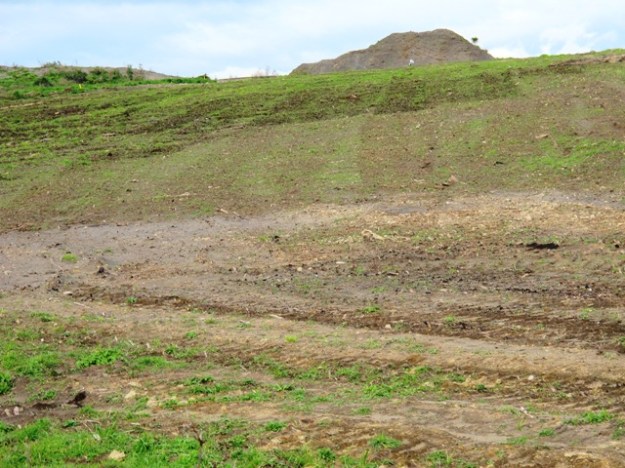
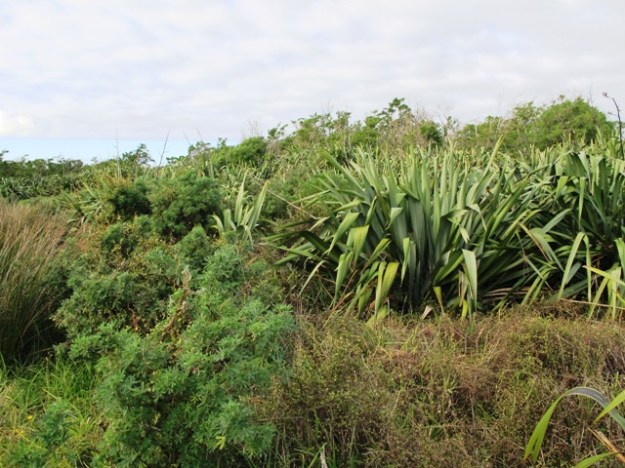
Taranaki Regional Council staffer, Gary Bedford, keeps saying publicly that land farms turn “ugly land” (his words) into lovely farm land. This presumably is what Bedford considers is “ugly land”. Some of us might call it sand dunes and think it has a role to play in the natural ecology of the area.
???????????????????????????????
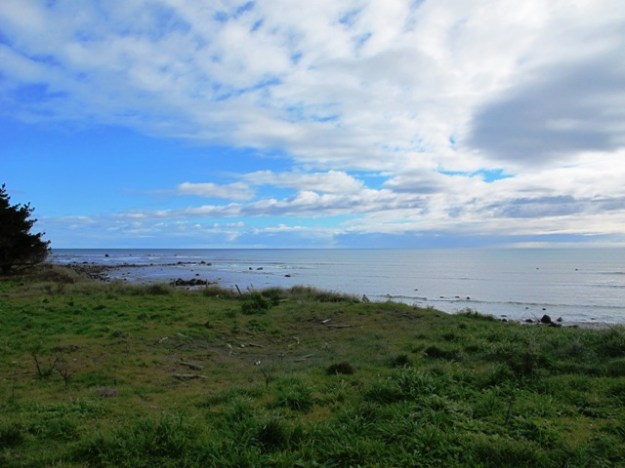
Bedford may think that this bare, grassed area which is all that stands between the “land farm” and the coast is much more attractive. There is no riparian planting at all. The edge of the “land farm” looks very close to the bank at the edge of the beach but then the TRC consent appears to allow them to discharge this waste within 50 metres of the sea which seems awfully close to me.
???????????????????????????????
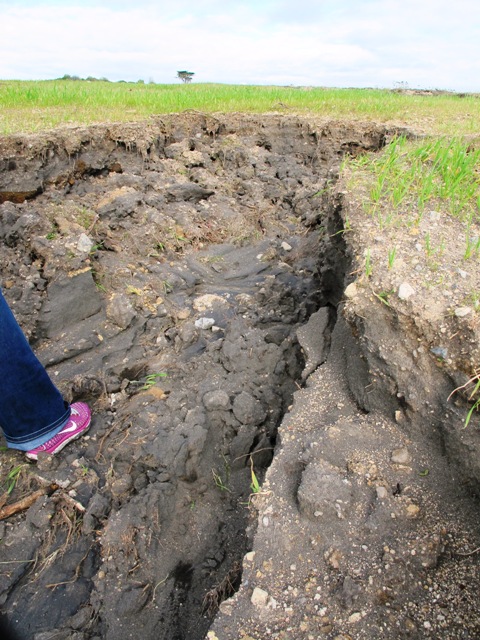
It appears that this area of the “land farm” has been levelled and resown in grass. However the edges are visibly eroding.
???????????????????????????????
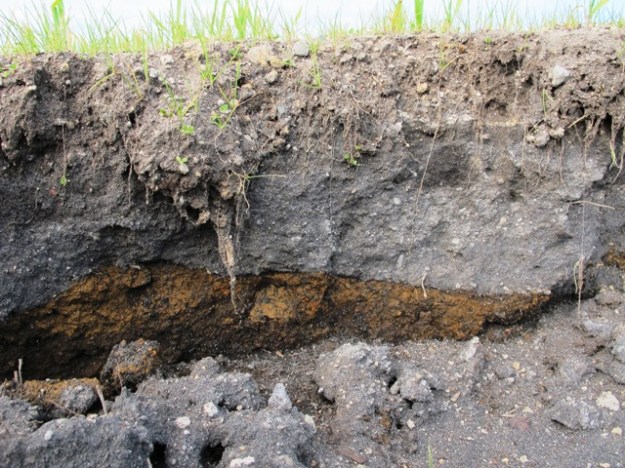
You can see a clear cross section of the soil.
???????????????????????????????
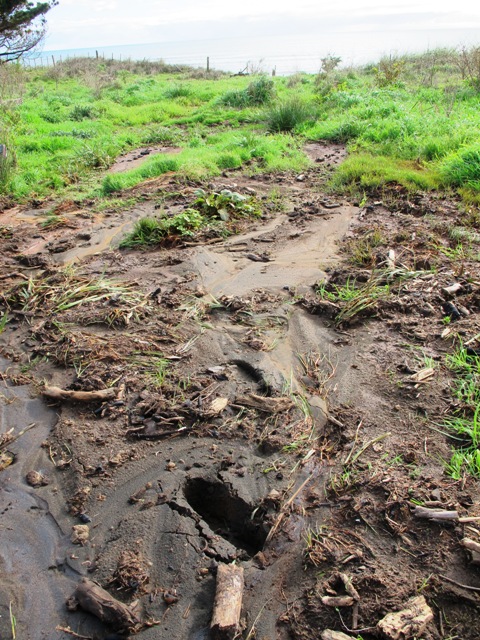
Immediately below the eroding area is a small natural swamp, presumably fed by a spring.
???????????????????????????????
It drains straight down the bank to the beach below. It is hard to see how leaching from the “land farm” area immediately above cannot be feeding into this boggy area and then draining down to the beach.
???????????????????????????????
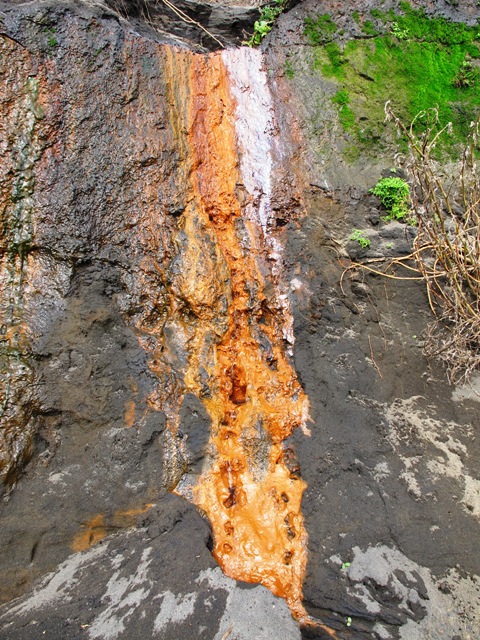
There are other examples of natural drainage along this stretch of the beach. This one appears to be flowing all the time.
??????????????????????????????????????????????????????????????
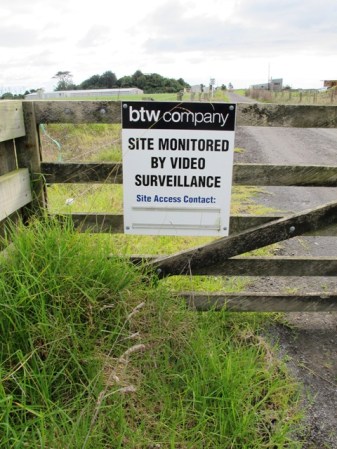
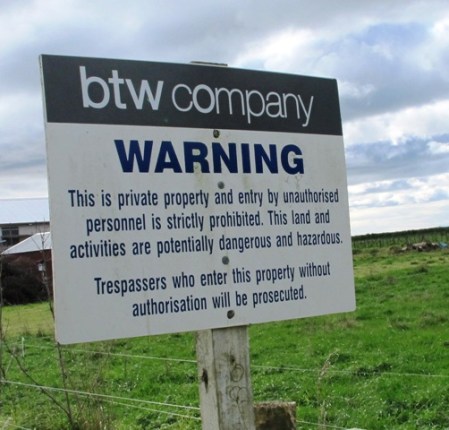
Curious, we drove around the road to find the entrance to the “land farm”. It is only a few hundred metres from the edge of Waitara and some highly desirable properties right on the coast. There we found signage, telling us that the area was under video surveillance (not on the beach side, apparently) and that it is a hazardous area.

Taranaki Regional Council keeps assuring us that these “land farms” in Taranaki are absolutely hunky dory, safe and managed to the highest standards. I do hope they are right but I can’t help being anxious about the spreading of contaminated and toxic waste so close to the coast and so close to a popular recreational area. When one matches all this drilling and fracking waste to the hazardous chemicals details in the applications for consents, it certainly raises questions. If this waste was benign, it would go to landfill. It isn’t, so it goes to “land farms” instead.
???????????????????????????????
What is even more disturbing is that we are taking the waste from other petrochemical exploration around the North Island. Apparently other local bodies are not so keen on keeping their petrochemical waste. This is not the Taranaki I want.

A flurry of feathers*

* That is a flurry of feathers as opposed to a tranquil haven filled with bird song.

Some dreary weather and the need to find the best photos we have of our garden had me trawling through and sorting all the many photos on my computer. I was quite pleased with the bird file and in an act of displacement behaviour (because the more urgent task was far more difficult) sorted some out for here.
???????????????????????????????
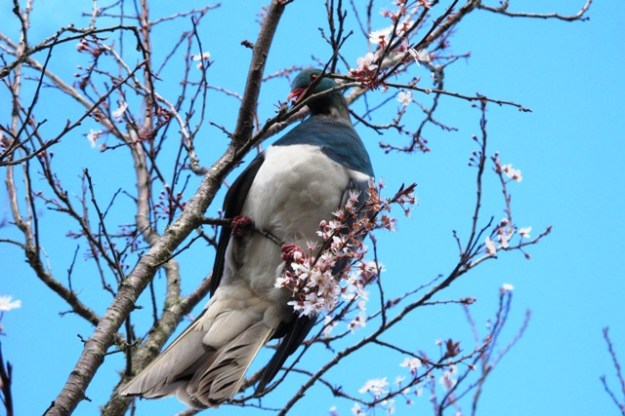
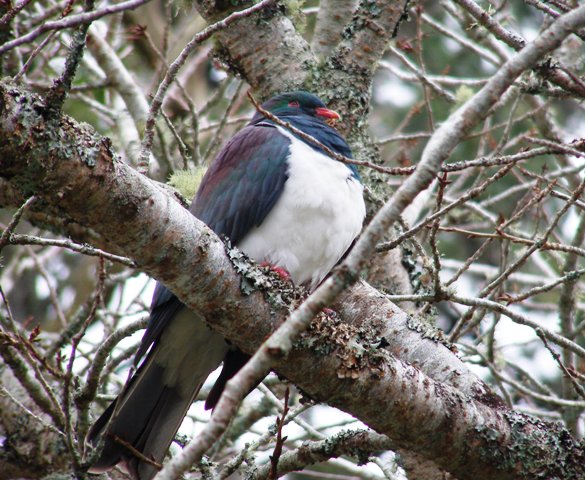
Photographing our native kereru (New Zealand’s wood pigeon) can be a challenge because they are inclined to take fright and crash away. This large bird is protected these days and is slow to procreate.
???????????????????????????????
Mark has been known to erect hammocks beneath a precarious kereru nest to protect the growing baby (kereru usually raise only one young at a time), and to build a large ground enclosure to save one which was learning to fly from ground predators.
???????????????????????????????
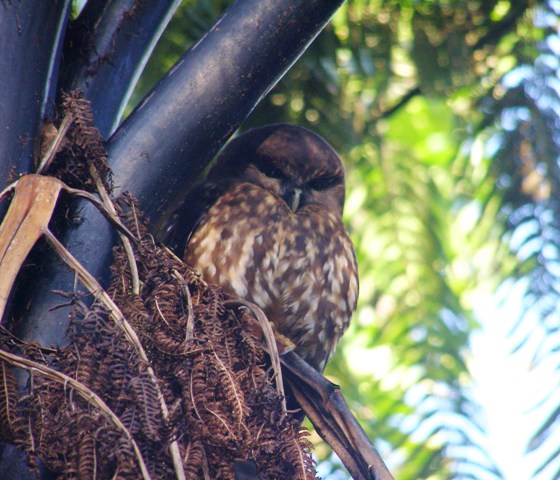
The morepork or ruru is our native owl and is rarely seen by day. This was almost certainly a young one. A morepork calling is one of the loveliest night time sounds. One of the most delightful sights we have seen was a family of five roosting in a tree here during the day. Mama and Papa Ruru were trying to sleep and three babies with big owl eyes were all bright and alert.
??????????????????????????????? Sadly this one was lying dead beside our letter box last week – almost certainly coming off second best from an encounter with a vehicle at night.
???????????????????????????????
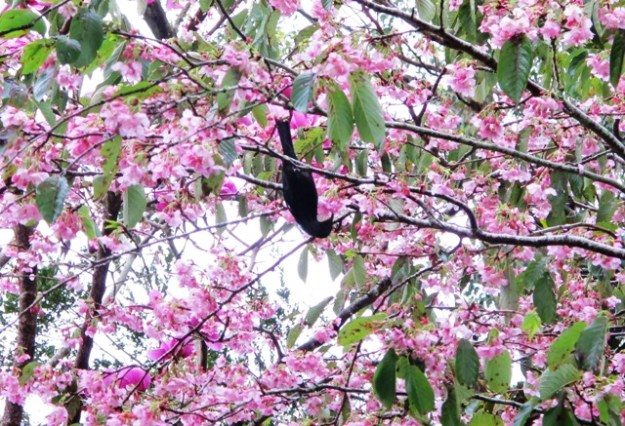
I have spent a great deal of time photographing the tui. There is no shortage of candidates – we can have trees heaving with scores of bickering tui – they are strongly territorial.
???????????????????????????????
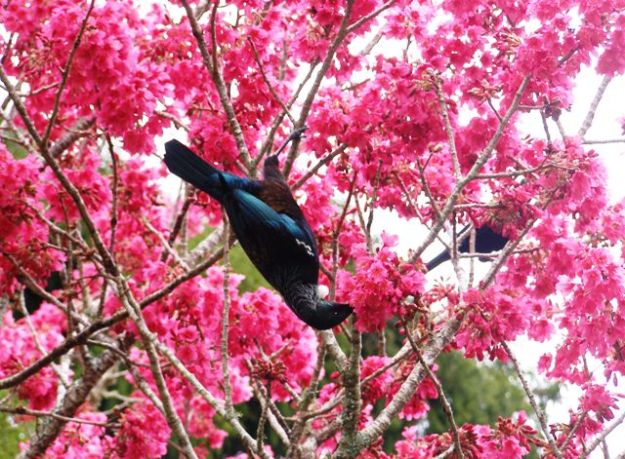
And acrobat tui number two. Feeding upside down is no problem to these nectar feeding birds.
???????????????????????????????
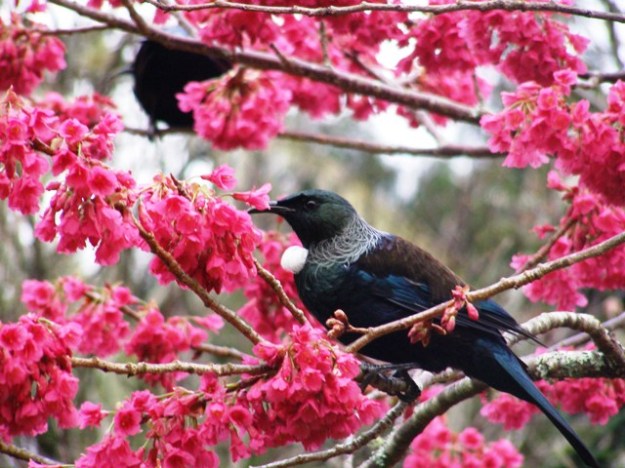
King tui, we call this one. He looks as if he is the dominant bird in this campanulata cherry. I posted two short clips of feeding tui last spring here and here.
038 - Copy
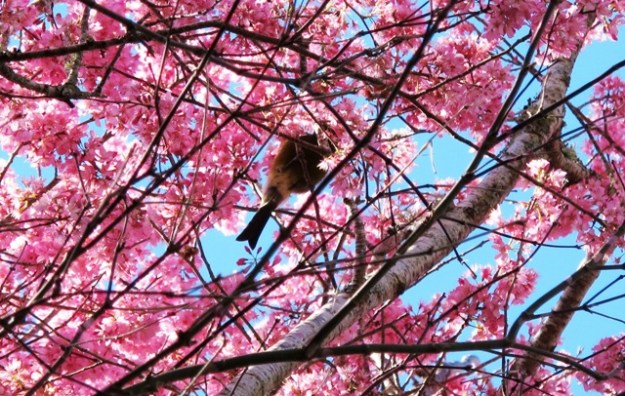
Bellbirds, often known by their Maori names of korimako or makomako, tend to be heard more often than seen. They are a modest bird to look at and very shy in their behaviour, but with beautiful song.
???????????????????????????????
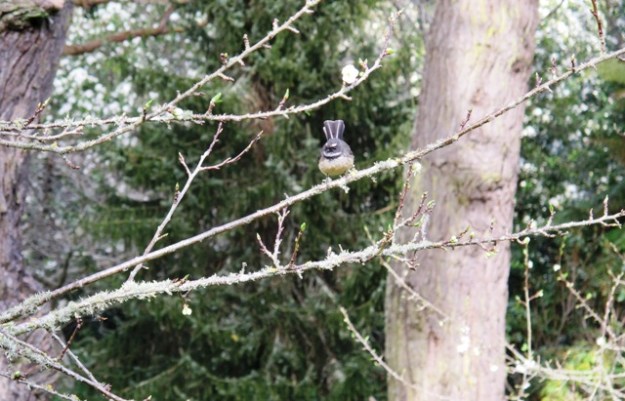
One of our most ubiquitous birds is the little fantail or pīwakawaka. The tail spreads out in a full fan and these little birds do not show a great deal of fear around humans. However they also move extremely quickly and this is the best photo I have managed so far.
???????????????????????????????
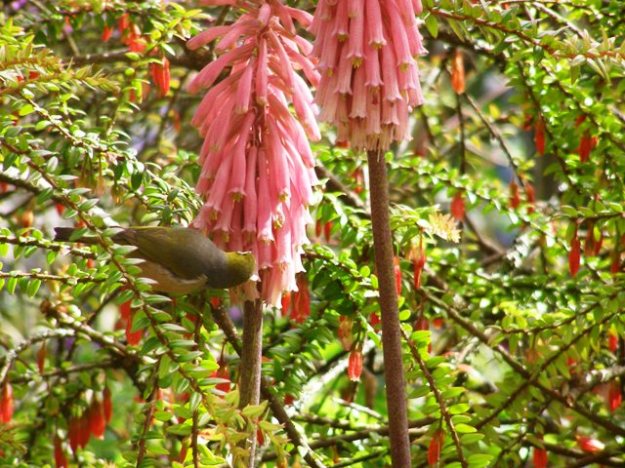
The little waxeyes are here in large numbers – almost our equivalent of humming birds, which we don’t have in this country. Because it is self-introduced to this country, it is regarded as a native. Wikipedia says: “ Its Māori name, Tauhou, means “stranger” or more literally, “new arrival”.”
???????????????????????????????
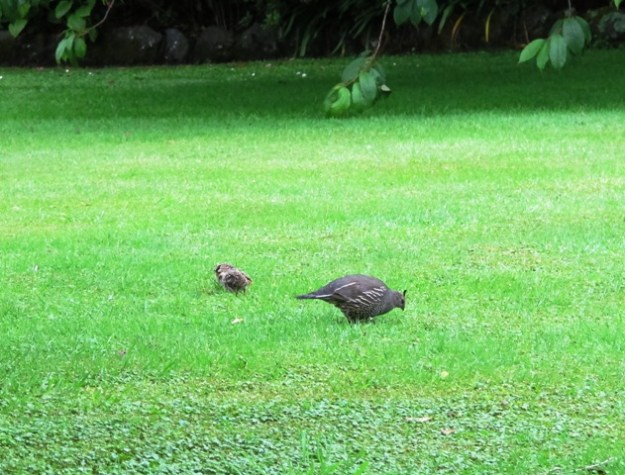
The Californian quail are a more recent arrival to our garden but are a quietly delightful addition. Each spring we watch nervously as Mama Quail heads off with a gaggle of little babies in tow – each of them a tiny bundle of feathers. Up above we can see Papa Quail and hear him calling. We like to think he is cooing out directions: “Turn left.” “Veer right.” “Danger ahead.” Sadly, we then watch an ever-diminishing number of fluffy babes as each day passes. But this winter we have seven mature quail quietly foraging around so maybe they are going to be a permanent feature.
???????????????????????????????
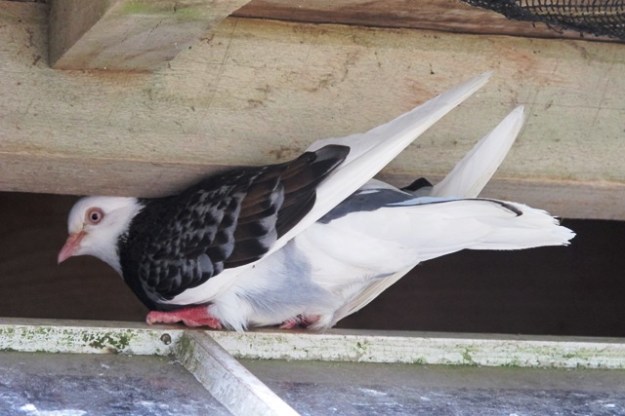
And Mark’s pidgies – tumbler pigeons these days. He likes the coloured ones rather than the white ones more commonly favoured. There are times when he feels he is raising fodder for the rare, endangered native falcon or Kārearea which makes frequent feeding forays through this area. The surviving pigeons are the wise ones.
???????????????????????????????
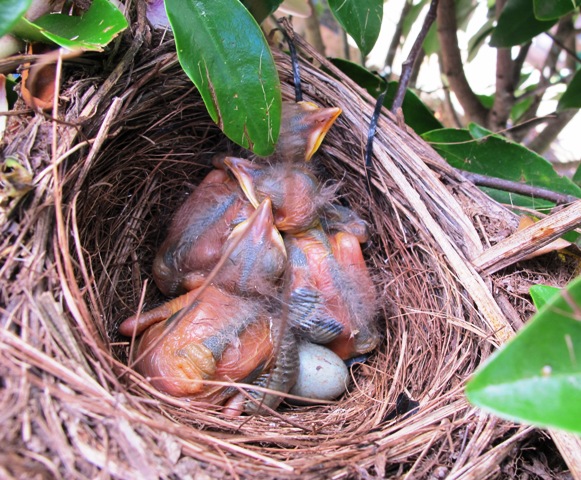
Just common old blackbirds in a nest last season – a nest in a particularly public position – but the sight of babies brings out the protective instinct all the same. They all matured and flew away – probably to thieve our strawberries.
???????????????????????????????
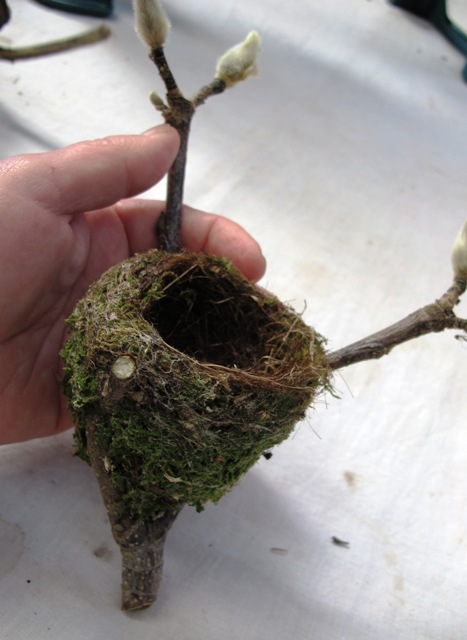
Then there are the nests. This one is an exquisite little fantail nest built in a fork of a magnolia tree.
???????????????????????????????
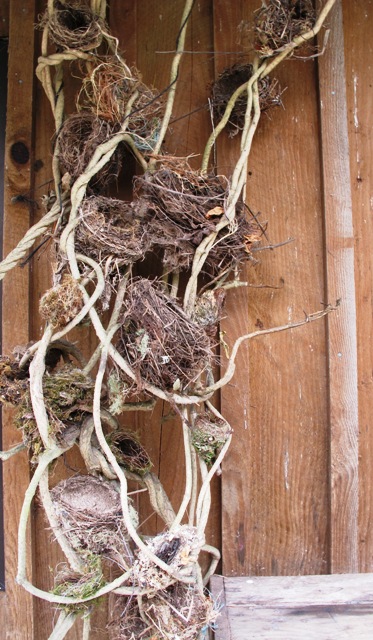
Each year we gather the abandoned nests which are in good condition and bring them under cover – our nest installation. Each spring the birds fly in gradually demolish them in their search for nesting materials – recycling in action.
???????????????????????????????
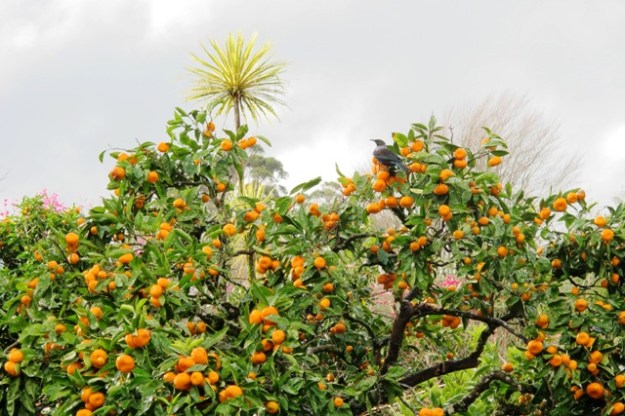
And my most favourite tui photo of all. Sitting in a mandarin tree out from our back door. It was gorging itself on the fruit. We no longer have a cat and none of our immediate neighbours have cats. We would rather have the birds.

The Jury Magnolias from New Zealand

First published in the spring journal of the American Magnolia Society, Issue 93.
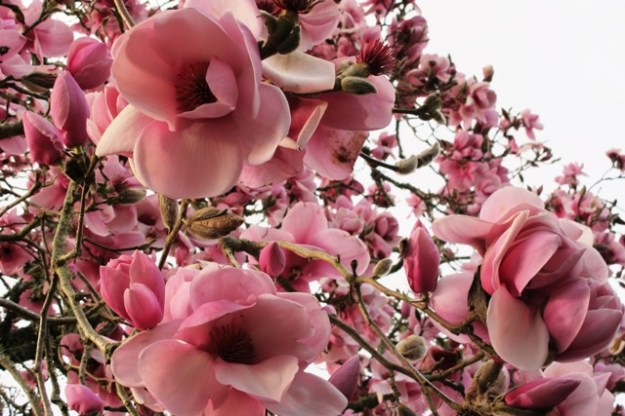
Magnolia ‘Iolanthe’ is one of our star performers here and has achieved considerable stature after 50 years. It has necessitated relocating the vegetable garden

Magnolia ‘Iolanthe’ is one of our star performers here and has achieved considerable stature after 50 years. It has necessitated relocating the vegetable garden

The Jury magnolia reputation has been built on a small number of named varieties. Felix Jury only ever named eight of his own breeding – Magnolias ‘Apollo’, Athene’, Atlas’, ‘Iolanthe’, Lotus’, Milky Way’, ‘Serene’ and Vulcan™ . We don’t include the variety M. ‘Mark Jury’ in that list because it arrived here as a seedling of Lanarth purchased from Hilliers and all Felix did was to grow it and, in due course, name it. There is no record of how many seedlings he raised. Mark’s comment is that it wasn’t a huge number and he guesses somewhere between 50 and 100 in total. Mark curbed his father’s suggestion of naming a few more because they were too close to ones already selected, although we have a few fine sister seedlings from those breeding lines in the garden here.

In his turn, Mark has raised many more controlled crosses. He has never kept track of the number, but a rough guess brings him around the 1000 total of deciduous magnolias grown to flowering size so far. Of those he has named a grand total of four. He is discerning. All were chosen because they represented a breakthrough in some aspect: an ability to produce flowers on young plants, not grow so rapidly as to indicate that they will become forest giants, propagate relatively easily and flower reliably every year while setting buds down the stems to prolong the season.

Black Tulip - good form, solid, dark colour and heavy petals

Black Tulip – good form, solid, dark colour and heavy petals

Magnolia Black Tulip® was selected because it sets flowers freely on young plants and achieves a depth of solid dark color with heavy textured petals in an attractive goblet form which holds its shape. M. ‘Burgundy Star’ offered a totally different habit of growth, strongly fastigiate, and the large star-shaped blooms over a prolonged period are a purer red at their best.Being three parts M. liliiflora ‘Nigra’, he hoped it would also prove hardier and maybe hold its color in colder climates. Felix® is our personal favorite so far. It is big, up to 30cm (12 in) across. It is very showy. With us, it can appear a rich red, but even when the color gets bleached out in colder climates, it retains a good depth of deep rosy pink. It was everything that Felix Jury himself was trying to breed – a big, rich-colored M. ‘Iolanthe’ – and he lived long enough to see it bloom. This is a cultivar that we think is just going to get more spectacular with age and size.

Magnolia Honey Tulip™ is a soft golden version of M. Black Tulip® scheduled for release in 2013. The rounded flower form and heavy textured petals appear to be an advance in the yellow magnolias. (photo by Sally Tagg)

Magnolia Honey Tulip™ is a soft golden version of M. Black Tulip® scheduled for release in 2013. The rounded flower form and heavy textured petals appear to be an advance in the yellow magnolias. (photo by Sally Tagg)

This year will see the first release of Mark’s newest cultivar called Honey Tulip™. It is a golden honey version of Black Tulip® and represents a breakthrough in flower form and petal substance in the yellows. It retains its color through the flowering season where the comparators (Magnolias ‘Yellow Fever’, Sundance’ and ‘Hot Flash’) all become increasingly pale. Magnolia Honey Tulip™ is a soft golden version of M. Black Tulip® scheduled for release in 2013. The rounded flower form and heavy textured petals appear to be an advance in the yellow magnolias.

For our climate, it is particularly significant that it flowers on bare wood, whereas most of the yellow hybrids flower at the same time as they come into leaf. It is also less vigorous, which is to its credit, given that the yellows tend to compete with timber trees here in their rate of growth.

What takes time to sort out is how well these magnolias will perform overseas in different climates. M. Vulcan™ has been patchy at best internationally and washes out to a muddy purple in cold climates. M. ‘Iolanthe’, too, has not matched up in many overseas locations. Yet, here in New Zealand it is a flagship magnolia. The original plant is now somewhere over 50 years old and planted in the most prominent spot in our garden. Year in and year out it takes our breath away with its sheer magnificence. There is a lot of trial and error involved in how these plants perform overseas and we have been particularly delighted to see that M. Felix® seems to be measuring up across a range of climates.
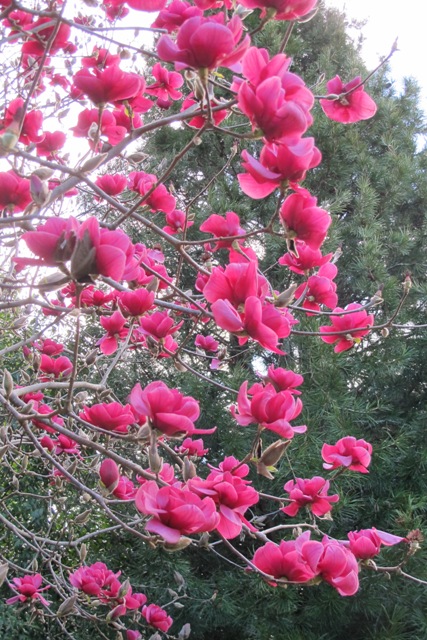
Felix®, bred by Mark, fulfilled the magnolia breeding ambitions of his father, Felix Jury. It is heartening to hear reports of how well it is performing internationally.

Felix®, bred by Mark, fulfilled the magnolia breeding ambitions of his father, Felix Jury. It is heartening to hear reports of how well it is performing internationally.

Mark continues with breeding deciduous magnolias. The quest here is for a yellow M. ‘Iolanthe’ (in other words, a very large cup-and-saucer bloom in yellow). He is after pure reds which lose the magenta hue common to the first generations of new hybrids and he is getting very close to it. There is certainly room for an improved M. Vulcan™ which would bloom with better color in other climates and fade out with more grace as its flowering season draws to a close. There is a way to go yet in a pure purple.

The process here is to grow seed to a large enough size for planting out, which usually takes about 18 months. They are then planted wherever there is space. Our shelter belts (windbreaks) are rows of trial plants, including magnolias. Some are in groves, some edging a stand of native forest, some lining our road verges and he has now resorted to rows in the open ground. From time to time, Mark heads out with the chainsaw. If the seedlings haven’t flowered by five years old, they get the chop. If it becomes clear that a cross is of no particular merit, the batch will be felled. If one is looking very promising, others will be cleared to give it space. Over time, the first groves have been thinned down from about 120 to the best 20, which will remain in situ. Because, of course, if you are only naming about four out of a thousand, there are a rather large number of also-rans which are too good to cut out, but not good enough or sufficiently different
in the eyes of the breeder to release.

The Michelias

Venturing into the michelia branch of the magnolia family has been much more recent. The first crosses only go back about 17 years, but the turnaround is much faster so the total number raised is already larger than the deciduous magnolias. One has been widely released and is on the market as Fairy Magnolia® Blush. The next two are scheduled to be released this year – Fairy Magnolia® White and Fairy Magnolia® Cream.

The decision to brand these with the trademarked name of Fairy Magnolia® was made by our agent, Anthony Tesslaar Plants. With the reclassification by taxonomists of Michelias to Magnolias, it seems important to highlight the difference between these and the larger, evergreen grandiflora types.

Michelias flower in two to three years from seed so it is possible to use them for further hybridising and to see directions quickly. However, there is an additional hurdle. Deciduous magnolias are usually budded and it is only the occasional one which falls at the propagation hurdle. Michelias are much more of a mass market proposition and have to propagate easily from cutting and in tissue culture. We have a far higher fall-out rate when it comes to trialing for ease of propagation. We were disappointed when a green-yellow full sister to Fairy Magnolia® Blush, which had very distinctive large green buds encased in brown velvet, fell at the last hurdle. It’s a good plant. It just doesn’t propagate reliably. With hindsight, it is a little sparse in foliage, too, so maybe it is to the good that it didn’t make it to international release.
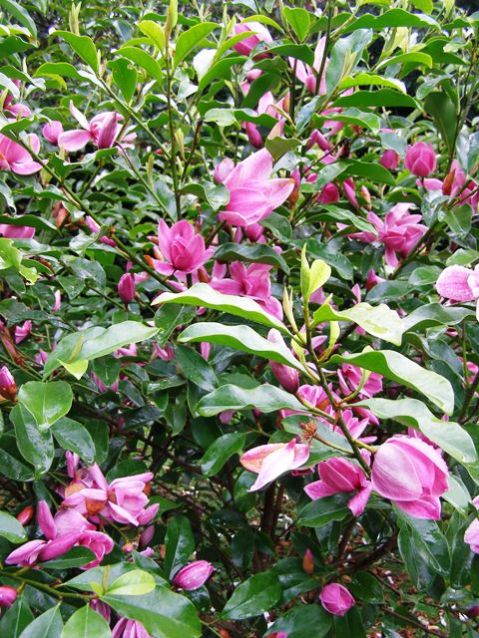
While Mark is getting some interesting colors in the michelia hybrids, none has yet passed the propagation trials.

While Mark is getting some interesting colors in the michelia hybrids, none has yet passed the propagation trials.

Similarly, the colored varieties appear to be problematic when it comes to propagation. The breeding program has yielded some good pure yellows which are easily on a par, color-wise, with the yellow deciduous magnolias. None so far have propagated reliably. Even more disappointing have been the purples. Hopes are raised when a plentiful number of flower buds open to good-sized, distinctive purple flowers, but none of these seedlings has so far passed the propagation test with high enough percentages. If they are reluctant to strike from cutting, it appears that they are equally problematic in micropropagation.

Fragrance has been another issue. Even when using two strongly fragrant parents, a large proportion of the offspring are bereft of any scent at all. We have many visually splendid plants, some representing real breakthroughs in form or flower, but doubt the willingness of the buying public to embrace a michelia with no scent. Mark has been backcrossing some of these to scented species to see if he can get the fragrance back.

Others are rejected because they are too fertile, setting far too much seed, which will lead to a scraggly plant over time, and a scraggly plant with weed potential in some conditions. Some crosses have simply been too vigorous in growth to contemplate them as garden plants of merit no matter how lovely the blooms.

New Zealand’s borders are now well and truly closed to any imports of new species of any genera so Mark has not had access to recent introductions. In fact, he is working on a limited range – mostly M. doltsopa, M. figo, M. laevifolia and M. maudiae. M. alba and M. champaca have proven to be blind alleys so far and the obscure and as yet unidentified wild-collected michelia species brought back from Vietnam by the late Os Blumhardt has little merit or breeding potential. Mark observes that he has not seen other new species that he covets or that he thinks will add much of significance to the hybrids, so the closed borders have not been the problem that he initially feared. He has ruled out using allied plants such as Mangletias because they lack the floriferous characteristic that is a bottom line for any hybrid. By this stage he is down to about the sixth generation of crosses and back crosses using the sought-after characteristics of favored species and hybrids, so the genetic makeup of individual hybrids has become increasingly complex.
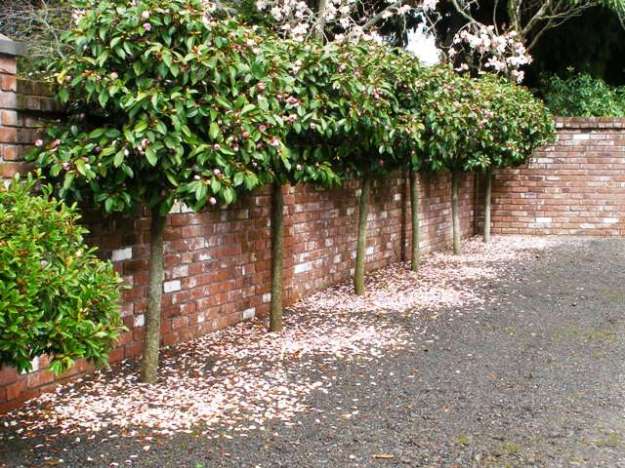
Fairy Magnolia® Blush clips very successfully. These plants are kept to this size with trimming in late spring and a light follow-up in late summer.

Fairy Magnolia® Blush clips very successfully. These plants are kept to this size with trimming in late spring and a light follow-up in late summer.

Fairy Magnolia® Blush brought consistent pink coloring into the range along with bushy growth and floriferous characteristics over a long season. The natural bushiness and the ability to take hard trimming are both important characteristics. The early M. doltsopa x foggii crosses from Os Blumhardt (particularly ‘Mixed Up Miss’ and ‘Bubbles’) make splendid juvenile nursery plants, but as they mature, they become leggy and open and most people would not look twice at them. We have had many seedlings the same and discard any which make only tip growths. Blush has a light and pleasant scent and, despite having doltsopa and figo in its parentage, it has proven much hardier in the US than we dared to hope and appears to be coping as low as zone 6 with winter protection and comfortably dealing with zone 7b conditions through the years of pre-release trials in the USA. It is hard to breed the perfect plant – the foliage can be a little more olive green than we would like and it would be good to get a larger, pinker bloom, but it is maturing well here.
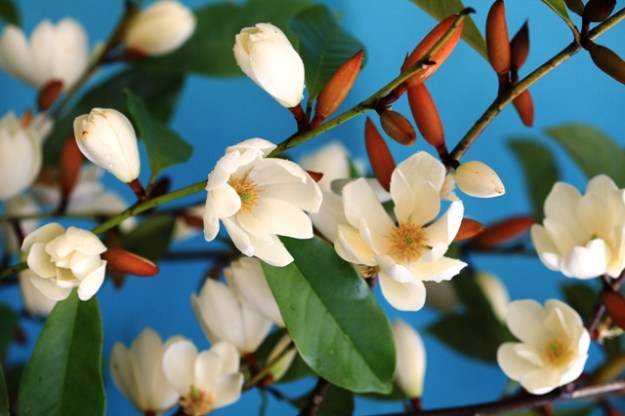
Fairy Magnolia® Cream has very fragrant, large cream flowers over a long season and will be released internationally in 2013. (photo by Sally Tagg)

Fairy Magnolia® Cream has very fragrant, large cream flowers over a long season and will be released internationally in 2013. (photo by Sally Tagg)

Fairy Magnolia® Cream, to be released this year, is similar to Blush in breeding and performance, but with desirable brighter green foliage and a very strong fragrance. Its peak flowering season extends into months and the blooms are a little larger than Blush, measuring at least 10cm across. Fairy Magnolia® White is from a different breeding strain. It has been selected from a very consistent run of seedlings which we have long referred to as the Snow Flurry series. It is one of the earlier flowering michelias, opening in winter, and with a higher proportion of M. doltsopa it is not likely to be as hardy in cold climates as Blush and, we hope, Cream. Where climate and space allow, we think it should prove to be a big improvement on existing doltsopa types. It has smaller leaves and wonderful
velvet brown buds opening to the purest of white starry flowers with excellent fragrance. It is much bushier in habit and has never shown the tendency to defoliate after flowering which can be problematic with some doltsopa types (and indeed with many M. laevifolias here). While it forms a plant of some stature (maybe 5m x by 4m, or 16 ft x 13 ft, if not trimmed), it is not going to become a giant like the M. doltsopa, which now takes up a greater area than an urban house plot in our park.
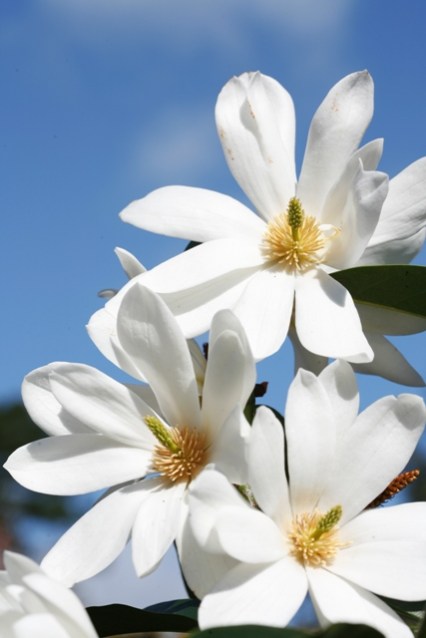
Fairy Magnolia® White is from a different breeding line and we see it as a garden friendly M. doltopa type with very beautiful, perfumed flowers. (photo by Sally Tagg

Fairy Magnolia® White is from a different breeding line and we see it as a garden friendly M. doltopa type with very beautiful, perfumed flowers. (photo by Sally Tagg

In recent years, we have wound up the wholesale and retail nursery here in order to concentrate on the garden and plant breeding. At the rate he is going, Mark may eventually end up naming and releasing a few more cultivars than his father, but the selections will have been made from trials involving a much greater number of cultivars.

Magnolia Burgundy Star - as yet unproven overseas but we are hopeful it may prove hardy and keep good flower colour

Magnolia Burgundy Star – as yet unproven overseas but we are hopeful it may prove hardy and keep good flower colour

Tikorangi News

Tikorangi-Butter-paper

Welcome to the first edition of Tikorangi News which your council has undertaken to write in response to complaints from a few local residents that they don’t know what is happening in their district. At New Lympouth District Council, we take our duty to consult local residents very seriously and we hope this newsletter will fill the gap. We would like to thank the guardians of the old Tikorangi Dairy Factory for making their butter wrapper available to use as letterhead, reminding us of the semi rural nature of the area. regular_smile

036• We at Council are deeply aware that traffic is a major issue for many Tikorangi residents but we have AWESOME news. We have brokered an arrangement between companies, their subcontractors and Tikorangi School. Starting next week, the trucks will be calling in to the school where the students will be painting happy faces on all the vehicles. We are confident that smiley faces will bring a smile to all Tikorangi residents as the trucks pass by. Drivers have also been instructed to give a cheery wave as they pass. regular_smile regular_smile regular_smile

• Graymooth Petroleum have told us that they are very, very sorry that their drilling rig on Kowhai B allegedly broke their consented noise levels on one occasion and they promise they are doing all they can to remedy this situation. We are confident that this is the case because they even returned our wet bus ticket to us. The good news is that they have nearly finished this well and may shortly be moving their rig to the Stratford area which means it will no longer be our concern. sad_smile

???????????????????????????????• Tikorangi residents will be as thrilled as Council is that the Len Lye Centre has been given the green light. It is only because of Toad Energy’s wonderful generosity that this project is going ahead. In recognition of the special relationship between Toad and Tikorangi, residents will be guaranteed free entry to the new centre when it opens for a period of five years. regular_smile
???????????????????????????????• A few residents have suggested that Greymooth are not abiding by their declared number of light vehicles on their Kowhai B site. We are pleased to report that Greymooth have assured us that they are abiding by all conditions of their consent. We suggest that busybody residents who have counted up to 17 light vehicles parked in the two carparks at the same time should perhaps find something better to do with their time and get a real job. There are only six light vehicles a day travelling to the Kowhai B site. Similarly, Toad have assured us that they too are keeping strictly to the terms of their consent and there are only 8 light vehicles and 3 heavy vehicles driving on to their Mangahewa C site in any 24 hour period during drilling activities.
???????????????????????????????regular_smileThe next edition of the Tikorangi News will be called the Todger News after your council successfully negotiated a sponsorship deal with both Toad Energy and Greymooth Petroleum. This is good news because it means the special needs of Tikorangi will no longer be a drain on the other ratepayers of the district.

• Residents are reminded that they are best to contact the company concerned in the first instance when they have worries. This cuts out the middle man and companies can let us know what queries they have logged. We recently requested the logs from both Toad and Greymooth and were thrilled at the positive entries.
“Thanks so much for our awesome new road. Now we can speed down it at 120km an hour” said one Tikorangi East Road resident (Good news, Otaraoa Rd people. Roadworks will be starting in your area soon!)
“ Thanks guys for the generous gift of a hamper. My wife and I loved it. Now we no longer notice the sound of your generators and drilling rig at night.”
“Don’t take any notice of the carpers and moaners, guys. These few greenies are probably the same types who spend their time buggerising around on Facebook and besmirching the reputation of NLDC. We think you’re great. I will be back at work next week, by the way.”
It was wonderful to read so many positive comments and to know that the companies are taking such good care of you all. ???????????????????????????????

• On a more serious note, Council is reducing the affected party zone for new sites to those people whose residences are 20 metres or less from the site. This brings it in line with the notional boundary ruling in the District Scheme where noise levels are monitored at a distance of 20 metres from the nearest neighbouring houses. Effects from this change should be less than minor and no parties will be adversely affected. The rural character of the area will not be changed by this minor amendment.

• Big thanks go to both companies and their active programme of retro fitting double glazing in houses where the owners do not even have affected party status. This is a wonderfully generous move on their part and one which they are under no obligation to make. regular_smile

???????????????????????????????cry_smile We are acting on concerns raised by an elected councillor at a recent Council meeting regarding malcontents in Tikorangi “besmirching the reputation of the Council”. He suggested a public education programme might be required. Council categorically rejects any insinuation that this may be a case of shooting the messenger and is investigating models of re-education programmes pioneered in the Soviet gulags, the Chinese re-education through labour programmes and the Vietnamese voluntary relocation strategies of the 1970s. We are confident that any troublemaking dissidents in Tikorangi can and will be dealt with promptly and efficiently and will no longer be able to embarrass your council and to sully the reputation of Taranaki.

• Finally, in response to community concerns, we at New Lympouth District Council can assure Tikorangi residents that as far as disruption as a result of the petrochemical industry is concerned, we will leave no stone unturned in our quest to find where the buck stops. We think it may be with central government but we are mindful it may even be international – maybe WTO or OPEC.

• Kia kaha Tikorangi! And remember, you drive a car so you can’t complain. regular_smile

Tikorangi-Butter-footer

Saving Tikorangi – what could Councils do?

???????????????????????????????
Following on from my post on Tikorangi Lost – how a little community is being sacrificed to the petrochemical dollar, I suggest the following:

1) Stop hiding behind legislation. If the ability for Councils to take a lead role in planning and managing development is not possible under existing legislation and regulation, then admit publicly that is the case and immediately approach central Government seeking change. It appears that the current regulations may be inadequate to meet such major development.
2) Set a moratorium on new consents and major variations to existing consents while an overall plan is put in place and pending the final report from the Commissioner for the Environment.
3) Develop a plan for the district involving local residents as well as the companies.
4) Review the extent to which the use of non-notified consents and the virtual elimination of “affected party status” has led to a culture of exclusion bordering on secrecy between companies and councils whereby local residents only find out what is happening after the consents have been approved.
5) Appoint a residents’ advocate.
6) Give residents a voice, the chance to give a report card, victim impact report even, on what the personal impact has been. Stop ignoring them.
7) Initiate a study into levels of stress and anxiety in local residents as a result of the rapid petrochemical development.
8) Create a single point of contact at Council.
9) Impose a 70km speed limit throughout areas of Tikorangi affected by petrochem dev – ie from Princess St through Ngatimaru Rd to Kowhai A site, Inland North Rd as far as Otaraoa Rd, Otaraoa Rd as far inland as Mckee, Tikorangi Rd from the intersection with Otaraoa Rd to Mangahewa E site.
10) Cease issuing permits for well sites in excess of what a site is suitable for and in excess of what companies have actually planned. This is effectively an open mandate for them to do whatever they want in the future.
11) Do not allow existing use as a reason for granting major variations, as was done with the increase in site area for Mangahewa C, setting a dangerous precedent. If a company applies for use which is beyond the capacity of their site at the time, that should be the company’s problem and not a reason to allow them to hugely expand the site.
12) Conduct independent traffic counts including specific attention to heavy loads and hazardous loads.
13) Define community consultation. A letter box drop is not community consultation. Nor is dropping a large bundle of papers on a local resident or organisation without explanation or interpretation. Indeed, a meeting where a company presents its plans to local residents is not community consultation either. It is merely communicating decisions already made and is therefore community liaison.
14) As the intensity of development escalates, the chances of a major incident greatly increase. This could be an on-site incident such as a well blow out or major malfunction, or a traffic accident involving heavy vehicles, often carrying dangerous goods. Many locals would like advice as to emergency actions in the event of such an incident. Put simply, which way should we drive to get out?
15) Actively discourage Greymouth’s pepper-potting of well sites. Do not permit them to establish separate well sites a few hundred metres apart. Todd have chosen to establish fewer sites and directionally drill. While the impact on neighbours is therefore much higher, the total number of people adversely affected is much lower. Allowing companies to pepper pot sites impacts negatively on many more people and on the environment.
16) Take best practice from one company as the required benchmark for other companies. Todd Energy have made major improvements to flaring, reducing the length of time flaring took place on their third well on Mangahewa C site, to under 30 hours, if my memory is correct. This is a massive change from the months of flaring previously and the improvement for locals was major as a result. If Todd can do it, so can other companies. Similarly, Todd maintains extremely high standards of community liaison and acts on complaints. This does not appear to be true with all companies.
026 - Copy
17) Acknowledge that in the countryside, the norm is silence at night. Setting allowable limits for industrial noise, pays no heed to the severe degradation of quality of life when low grade industrial noise permeates the environment 24 hours a day. The same goes for light. The norm in the country is darkness at night. The well sites are very brightly lit.
18) Look at the whole picture, not just the well sites. The construction is a major intrusion and the infrastructure seems to have bypassed Councils’ notice altogether – the pipelines, the roadworks, the power supplies, the use of helicopters, the seismic surveys. There is layer upon layer.
19) Stop consents being merely a checklist of boxes to be ticked. Look at applications in the context of what is already happening, what the cumulative effect will be and how it all fits with a development plan drawn up for the area.
20) Undertake regular Assessments of Environmental Effects and formal reviews of resource consents. Recognise that when companies pursue a very active programme of encouraging residents to complain direct to them, that it means they can fudge the extent of resident complaints. Indeed, it appears to have been so effective that it can entirely escape New Plymouth District Council’s attention. Council then acts on the unverified assumption that there are no significant problems.
21) Seek external verification of company reports on environmental effects. Do not rely solely on information supplied by the companies and “visual inspections”.
22) Change the way complaints are recorded at Council. Complaints from Tikorangi residents about noise, light, traffic, the state of the roads, littering and assorted other presenting issues are more likely to be about petrochemical development than about anything else, yet they appear to be recorded under a host of other categories.
23) Monitor closely what is happening to property values and the length of time it takes to sell property in Tikorangi. These are another indicator of the health and desirability of the area.
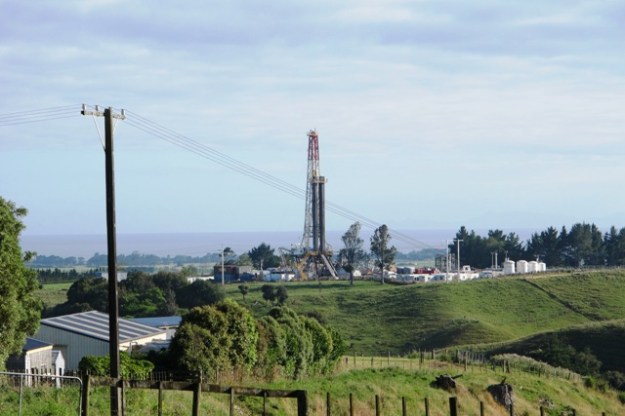
24) Require that sites have screen planting put in as part of the initial site preparation. These industrial sites are an eyesore in a rural area and detract hugely from the visual quality of the environment. Within two or three years of initial site works, that planting should screen sites from view. Take the ability to screen from view into account when approving a site. In other words, hide them. Screen planting may also absorb some of the noise.
25) Recognise that the precedent set by allowing Greymouth Petroleum to position an 8 well site (Kowhai B) immediately on the boundary of the Foreman farm and about 300 metres from Graham Foreman’s home, without his agreement, has set a new bar for permissable intrusion. Many locals now fear that they could suddenly find a rig on their boundary, too.
26) Write a code of conduct for petrochemical companies, even if it has to be voluntary.
27) Independently verify claims made by companies and recognise that the consultants employed by those companies work for them. They are not independent consultants and their advice needs to be considered in that context.

In short, do some actual planning for once.

These, these types of measures are what I have been seeking for over fifteen years since I first sat in Mayor Claire Stewart’s office with the then so-called “planners”. It appears that nothing has ever been done. Councils have abdicated any role or responsibility for planning and leave it to the petrochemical companies.

Tikorangi and other similar areas are paying an unacceptably high price for Councils’ willingness to pander to the powerful petrochemical companies and the petrochemical dollar. The problems are only going to escalate with rampant and uncontrolled growth of the industry.

Genuine resident Tikorangi goat. Draw your own conclusions

Genuine resident Tikorangi goat. Draw your own conclusions