Tikorangi Notes: Sunday 15 May, 2011

LATEST POSTS: Friday 13 May, 2011

1) As autumn closes in, the rewarding sasanqua camellias come into their own and none I know are lovelier than Early Pearly.

2) Battening down the hatches in preparation for winter which will arrive soon – tasks for the garden this week including a message from the Chief Weed Controller here. In the garden this week.

3) Outdoor Classroom this week is in a new format on our website (which is just as well given the hash made of the photographs in the newspaper on Friday where readers would not, alas, have been able to see what to do) – looking at rejuvenating tired perennial patches. Outdoor Classroom.
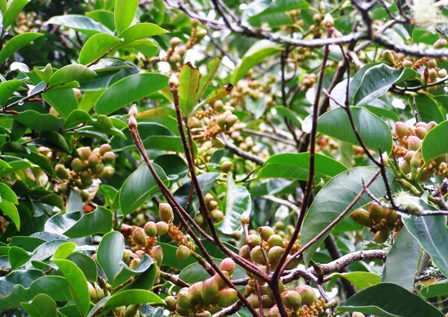
If only they were coffee beans - excessive seed set on Michelia maudiae hybrids in particular
If only they were coffee beans – excessive seed set on Michelia maudiae hybrids in particular

TIKORANGI NOTES: Sunday 15 May, 2011

We have an extensive breeding programme running here on michelias (now reclassified as magnolias but most people still know them by their former name). The first of Mark’s cultivars is already on the market under the name of Fairy Magnolia Blush and attracting a gratifying amount of positive attention in Australia. The next two selections are being built up for release and subsequent ones are still at the trialling stage. This whole process requires the growing on of pretty large numbers of different crosses and Mark is frankly alarmed at the seed set on some plants – particularly those with M. maudiae in their parentage. If only they were coffee plants, we could be self sufficient in beans but alas the tendency to set prolific bunches of seed is not a desirable feature at all in michelias. The weed potential of some of these crosses is huge. Added to that, too much seed set means the plant is not putting its energies into producing further flowers and foliage. It is not enough to select a plant on a pretty flower alone – michelia selections need to be sterile or close to it to make them worthwhile taking to the next stage of trialling. These seed setters are destined for firewood here.
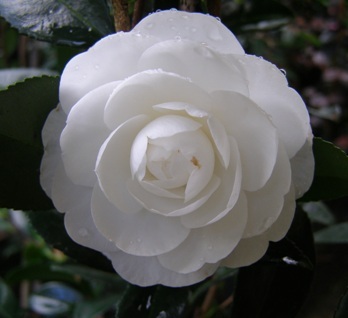
Plant Collector: Camellia sasanqua Early Pearly

The lovely white sasanqua camellia Early Pearly

The lovely white sasanqua camellia Early Pearly

Sasanqua camellias are the autumn flowering ones in bloom now. They are cheerful and obliging plants, generally tolerant of full sun and wind and they don’t suffer from the dreaded petal blight. But in the main, they don’t have the good flower form of the main season types. Early Pearly is a stand out exception with quite the prettiest flower of any sasanqua that I know. It is a beautiful creamy white with the petals arranged formally in the layout we associate with water lilies. However, sasanquas have looser flowers and softer petals, so bloom lacks the rigidity or waxed nature of other camellia types. The foliage is a particularly good, dark forest green which gives good contrast.

The white sasanqua hedge has been used so widely that it has become a modern gardening cliché, which is a shame because it can be really lovely. But it does seem to begin and end with either Setsugekka or Mine No Yuki, particularly the former because it is so widely available, gives a quick result and is a favourite stand-by of landscapers. Personally, I would much rather be looking at the lovely Early Pearly. The one downside to EP (it is so hard to find the perfect plant) is that as a juvenile plant, it lacks the flower power of some of the other members of its family. I don’t mind that when each bloom is so pretty. As it matures, it sets many more flowers, especially when it has been trimmed, I am told. Sasanquas are native to Japan. The origin and breeding of Early Pearly has been harder to uncover although it was imported to New Zealand from Australia.

In the Garden this week: Friday 13 May, 2011

* The Chief Weed Controller here (aka Mark) advises that the weeds are germinating in abundance and to make a weeding round a priority. If you get on top of this wave of weeds, you should have a largely weed-free winter and delayed start to spring infestations, especially if you lay a mulch after dealing to the blighters. We are a bit too wet now and there is not enough heat in the sun to make push hoeing effective unless you rake it all up immediately and remove it. Hand weeding or glyphosate (weed spraying, on a dry day) are the usual techniques for this time of year.

* If you are a less than enthusiastic gardener, get out to do the big autumn clean up before the weather turns cold and miserable. Otherwise you will spend the winter looking out the windows at a messy garden. If you do a trim, tidy and weed now, you can get through the next few months with the occasional mow and raking up the debris.

* Rake up autumn leaves in discreet piles so they can break down to give you rich leaf mould to rake back out onto the garden later. They will rot down more quickly in a heap.

* Cover your compost heap or bin, if you have not yet done so. It keeps the compost warmer and stops the goodness being leached out by the winter rains.

* Gardeners in inland areas should be battening down the hatches in preparation for early frosts. Take cuttings of frost prone plants like fuchsias, begonias and vireya rhododendrons as an insurance. Coastal gardeners probably don’t need to worry about this in our milder conditions.

* Remove saucers from beneath container plants, both indoors and out. It is not good for plants to sit around in cold water during winter. Cut back your watering of indoor plants – they are better kept on the dry side now.

* Part of your tidy up round of the vegetable garden is to sow all vacant areas in a green crop – urgently. Lupins, oats, even plain ryegrass will help. Green crops condition and nourish the soil in preparation for spring planting but even more helpfully, their roots stop the ground from compacting and make it much easier to dig over later, particularly in heavy soils.

Outdoor classroom – rejuvenating tired perennial patches

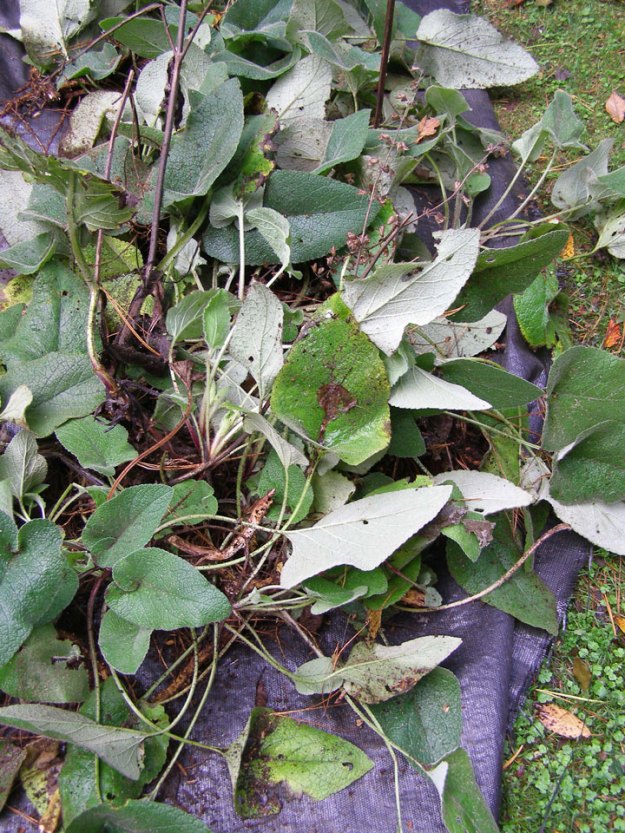
[1] Many of us have areas of garden which look like this – tired and dull. Although this patch has been kept weed free, mulched and deadheaded, it is many years since it has been actively gardened. There is no alternative to a bit of hard digging.

tired and dull

[2] Dig out all the plants. You can see how heavily compacted the soil has become over many years. It was originally rotary hoed which made it light and fluffy but that was a long time ago.

OC-2A-13-5-2011

Placing the plants on a mat beside where you are working will reduce the mess.

OC-2-13-5-2011

[3] Dig to at least the depth of the spade and dig again, breaking up any clods of dirt. This incorporates air into the soil and encourages worm activity. Rake the area to an even surface for replanting.

OC-3-13-5-2011

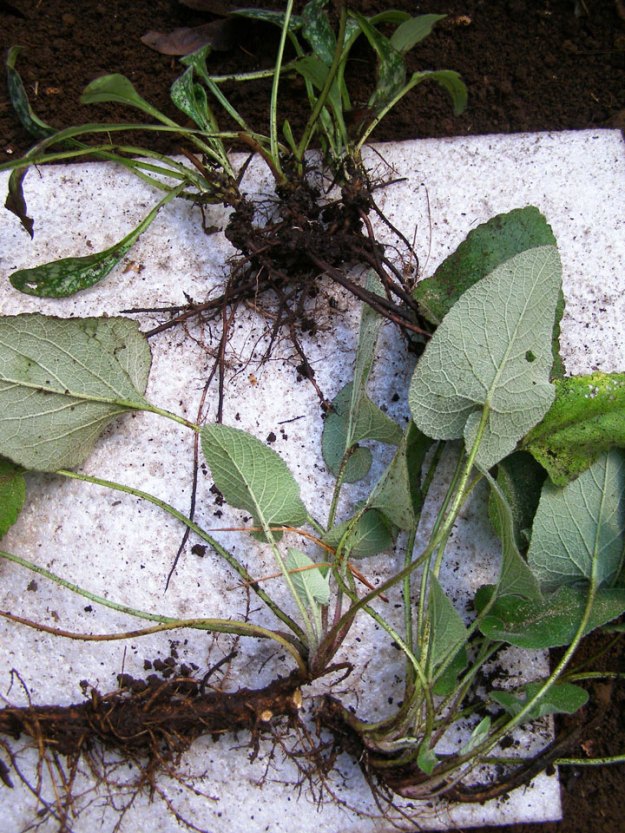
[4] Different plants divide in different ways so look closely at the plants. The pulmonaria at the top of the photo will pull apart easily to three separate pieces, all with roots and growing crowns. The phlomis at the bottom of the photo could be cut into many plants but I will take this to just two strong plants, reducing each to only one or two growing points.

OC-4-13-5-2011

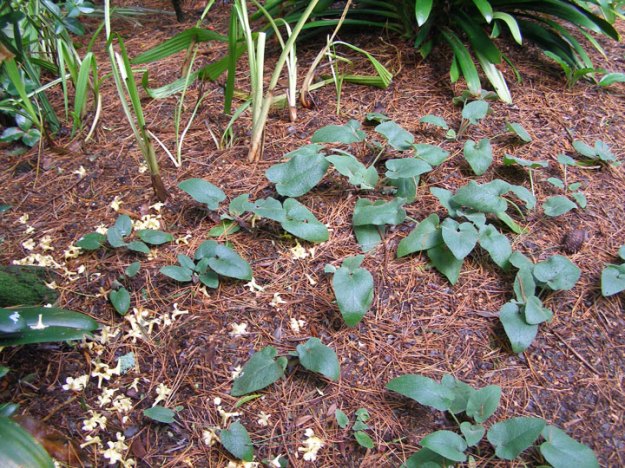
[5] If you have dug well, you can replant using just a trowel. Try and avoid planting in rows – staggered drifts look better. I want a quick result so am planting at about 15cm spacings. Take the oldest leaves off the little plant, leaving fresh new growth tips. Remember that the soil is fluffed up and the next rains will compact it a little, so don’t plant at too shallow a depth. Only plant the strongest and the best divisions.

OC-5-13-5-2011

[6] We give a light feed of an all purpose fertiliser – in this case our locally produced Bioboost – and then mulch. This patch was dug, divided and replanted about three weeks ago and has a mulch of wood chip from our shredder. It should be well established and look lush and vigorous in spring time.

OC-6-13-5-2011

A step by step guide by Abbie and Mark Jury first published in the Taranaki Daily News and reproduced here with permission.

Tikorangi Notes: Friday 6 May, 201

Latest Posts: Friday 6 May, 2011
1) Breaking the mould of the modern New Zealand garden – the dreams at Paloma. I admit I only worked out after writing this piece just why the two arboretums are named the Matchless Arboretum and the Norton Arboretum or I would have included reference to them by name.
2) The autumn colour on Taxodium ascendans “Nutans” in Plant Collector this week.
3) Garden tasks for the week as we descend into a somewhat wet and dreary spell but at least it is still mild enough to want to garden.

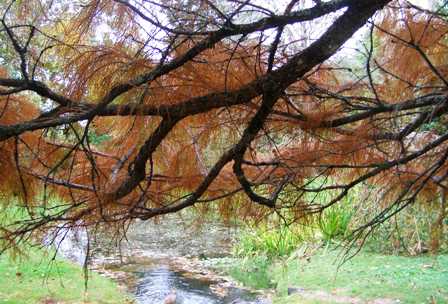
Taxodium ascendans "Nutans" in our park

Taxodium ascendans "Nutans" in our park

Tikorangi Notes: Friday 6 May, 2011
Driven indoors by yet another passing shower, I commented to Mark that the little corner garden by the garage that I was renovating was taking some time. “Ah,” he pontificated. “Regular maintenance and periodic overhauls – that is what it is all about.” I was slightly startled by this tripping off his tongue so readily but he admitted that he had just read that phrase in the paper. However it does sum up the nature of maintaining a large garden like ours, however pompous it may sound.