Mr David McLeod, Chair
Taranaki Regional Council,
Stratford
Dear David,
I was terribly thrilled to read your press release about having secured the future of Pukeiti. That is so exciting.
I see that you personally rank the importance of Pukeiti right up there alongside our maunga, our mountain, Taranaki. Now I don’t want to be accused of raining on your parade, but you don’t think that maybe you were getting a little carried away with the hype of the situation? That perhaps you have overstated the importance just a trifle? I admit I don’t know you (you don’t mind me addressing you as David, do you? It is just that as you are quite good at spending my money, I feel as if I have some sort of relationship with you). Maybe you do in fact wake each fine morning and look out at both Mount Taranaki and Pukeiti and feel a sense of identity. Maybe when your travelling children are asked where they are from, they identify themselves as coming from Taranaki, the home of Pukeiti Rhododendron Trust. Maybe you have enjoyed such frequent visits to Pukeiti all your life that you feel a deeply personal sense of ownership and belonging. Alas, much of your electorate has already voted with their feet and decided that in fact Pukeiti is not such a part of their very identity – that is the whole nub of the problem. Visitor numbers simply haven’t been high enough to support the dream – a dream that belonged to somebody else. But I don’t want to be negative. I am assuming that you and your councillors did a breakdown on visitor numbers to work out how many were local and how many were tourists? And as you are so hellbent on making it free for everybody, I guess that your public consultation showed that ratepayers are glad to pay so that tourist attractions have free entry for visitors from out of the region.
I mention this, David, because in your press release you approved the takeover of Pukeiti “in the wake of positive feedback during public consultation…” That is absolutely wonderful, no doubt about it. I wouldn’t for one minute want to be accused of pouring cold water on your plans. It may be that your networks in the gardening, plants and garden tourism scene are hugely better than mine. That would explain why nobody I have met in the last six months has been consulted. My networks must be terrible. I am talking to the wrong people. No matter, you have apparently found the right people to talk to. Mark says he would really like to hear the names of all three of them.
But lest you think I am moaning, really, David, my reason for writing is to offer you some help. Your press release says that ” …work will begin soon on plans to develop and enhance the property and its plant collection. This will be similar to the planning processes which resulted in the very successful redevelopment and refurbishment of the Council’s existing heritage properties, Tupare and Hollard Gardens. We are looking forward to involving the Trust, PKW and a range of people in this exercise.” That sounds absolutely splendid, very consultative. It is just that I am pretty sure that this has all been done already, quite recently in fact, and I still have the discussion papers in my archives. Actually it is not that long ago – 2005 in fact and I can date it exactly because it all happened when Mark and I were flicking off to look at magnolias in northern Italy. I think along with all the discussion papers from Big Names like Boffa Miscall, Berl and others, somewhere, just somewhere, I even have a letter from your CEO, Basil, telling me how much ratepayer money had been spent on these plans. These sums (measuring into the multi hundreds of thousands of dollars but I would need to find the letter to confirm exact figures) included plans for Hollards and Tupare as well, but the ratepayer has already paid for big plans to take Pukeiti in to a new era of popularity.
Sure, it has to be admitted that some of those plans may have been just a tad grandiose. I think they even included a new home for the wandering gondola, along with a little shopping arcade, of sorts. A tourism hub, even. And fabulous (and I mean fabulous) visitor numbers.
But a little bird told me, and I wouldn’t want to be quoted on this because I haven’t had the information officially and it may be completely wrong, that after Regional Council paid for all those plans five long years ago, the Pukeiti Trust Board commissioned another review and set of development plans immediately after. I think what I was told was that the annual grant of $50 000 of ratepayer money, allocated by Regional Council, was further reinvested in this new set of plans to save Pukeiti. I just recall some discussions at the time because some of us felt that maybe they could have been spending that windfall of 50 grand on another gardener instead of yet more development plans. I am just guessing, maybe putting two and two together and making five, that that was why Pukeiti went ahead and appointed a new CEO with a highly relevant record in managing Speedway. I recently found a newspaper clipping where that new CEO declared that within six months of him starting in his new position, Pukeiti would be re-branded as a functions and events centre. Funny thing that. Six months came and went and it doesn’t seem that long after, the new CEO also went. Made redundant in preparation for Regional Council taking over, do we think?
David, I don’t want to be a moaner but it just may be that there are plenty of recent reports already available to be drawn on, without having to start again. We don’t want to be accused of re-inventing the wheel, do we? Or to make ourselves vulnerable to an accusation of pouring more rate-payer money down the wishing well. Maybe somebody could pick up the phone and have a chat to the immediate past CEO to find out what did and didn’t work?
You don’t think, do you, that maybe it could be argued that it is a teensy weensy little bit precious to say that the cost of Regional Council picking up the tab for Pukeiti will have “minimal impact on average regional rates — over a full year, less than half the cost of the $14 entry fee Pukeiti has been charging up until now” (your words, not mine). That might be true had all ratepayers demonstrated that they wanted to visit Pukeiti at least once a year. A veritable bargain in fact. Such a shame they didn’t. Had they shown this burning desire to visit, Pukeiti would not be in the pickle it is. Instead they would have been run off their feet, even more so on their gold coin donation days when the financially impoverished would have flocked there. In fact, if you take the cost of running the place and divide it by the number of visitors, it just may be that you will find the cost of attracting every single visitor is somewhere nearer $70 per person. Even if you double the attendance in a short space of time, it is still around $35 of ratepayer money to give every visitor free entrance.
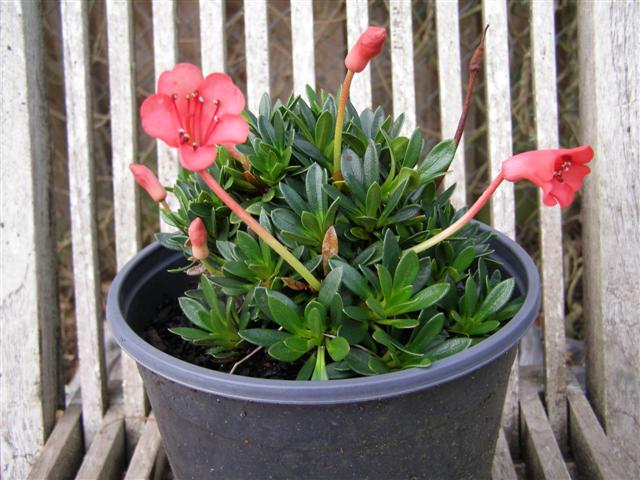
Lest you think I am being grumpy, David, I am already on public record as saying that for us personally, Regional Council making sure that Pukeiti survives is, on balance, a good move. We know what Pukeiti’s standing has been internationally, which is more than many of your ratepayers who just have to take your word for it. We also know which key individuals worked tirelessly to earn Pukeiti that credibility. In fact we know quite a bit about the history of Pukeiti. We just hope that you and your fellow councillors have a pretty good grip on it all too After all, you wouldn’t want history to record that you were the people who were all too ready to spend other people’s money trying to realise a lost dream. The Pukeiti dream of Douglas Cook and the founders has long gone. Now you have a large garden in a cold and damp out-of-the-way position, served by a really bad road, branded with a plant which used to be incredibly popular and of high status but few people want any longer.
Do let me know if you need the reports I mentioned.
Kind regards,
Abbie
Today’s column is but the latest in a series over recent years. Earlier columns on this topic include:
1) A tale of Pukeiti Rhododendron Trust and ratepayer funding Published March this year.
2) Taranaki Regional Gardens Part 1 – first published late 2004
3) Taranaki Regional Gardens Part 2 – first published, apparently January 2005 – the best piece of writing for those who can’t be bothered wading through the lot.
4) And Taranaki Regional Gardens Part 3 – which rather tells about the treatment of an unsolicited submission. When in doubt, levy accusations of self interest.



 Tikorangi The Jury Garden