
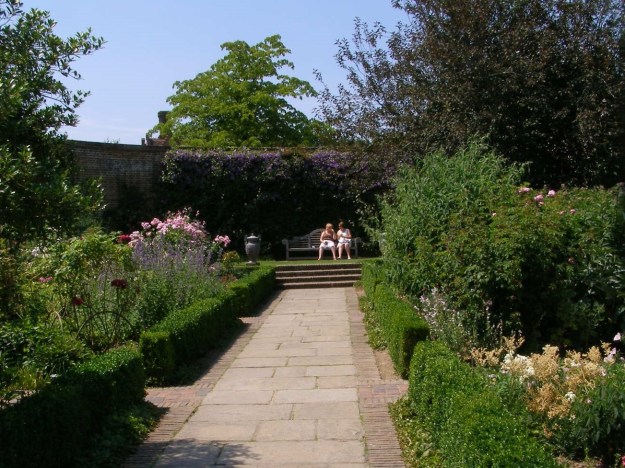
The woman on the left looked a little underwhelmed by Sissinghurst too
I have always felt I needed to whisper rather than shout that, while we enjoyed our one and only visit to Sissinghurst, it did not inspire us to return. Considering the huge influence this English garden has had throughout both the UK and, more surprisingly, little ol’ New Zealand, I have wondered if we were being overly critical, maybe “gardened-out” when we visited it.

The thyme lawn was not a crowning glory when we visited Sissinghurst
It seems not. I was just going to share the link to English landscape designer Dan Pearson’s latest blog on our garden Facebook page but then I thought there is a bigger context for this interesting post of his. Pearson is writing about his advisory work with the head gardener at Sissinghurst to re-personalise that famous garden, restoring some of the energy and also the intimacy of what started out as a very personal garden. Over time, Pearson observes, “The way the garden became was ultimately driven by the need to provide for increasing numbers of visitors and, in so doing, the intimate sense of place was slowly and gradually altered.”
And there is the conundrum when a private garden enters the public domain following the deaths of its creators. If it is successful and well-resourced, the expectations of the visiting public play an ever-larger role in determining how the garden will be presented and maintained.
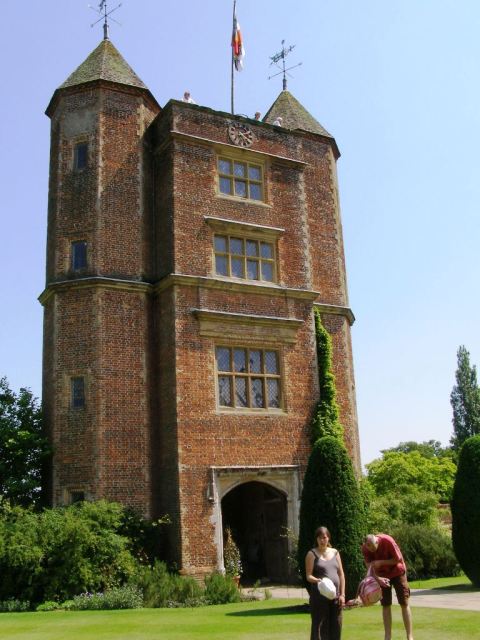
… but the Sissinghurst tower did not disappoint. However, it is structural and therefore a permanent feature
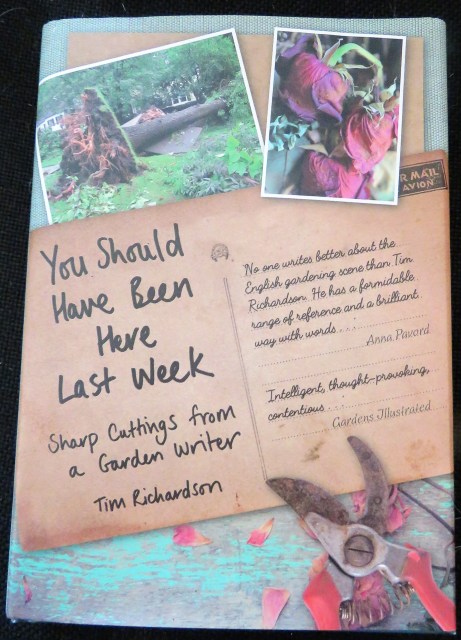
I had been reading some debate about this in the book by Tim Richardson, “You Should Have Been Here Last Week”. As far back as 2004, he was sounding the alarm bells about Sissinghurst. Writing for the Garden Design Journal, he said: “Every day, coachloads of people turn up at Sissinghurst to experience Vita Sackville-West’s garden, yet what they get bears no relation to the original in terms of content or atmosphere”. Further on in the book is his 2015 update, welcoming the appointment of Troy Scott Smith as new head gardener with Dan Pearson in an advisory role.
We have watched with interest the developments of the “regional gardens” in Taranaki – the ratepayer funded gardens of Tupare and Hollards (both created as very personal visions with owners long dead now) and Pukeiti. When the takeover was first being promoted by the regional council, I wrote several strong pieces for the local paper (see below), frankly alarmed at what was being proposed, let alone the budget. In the years since, we have backed off expressing our views publicly about what is happening in these gardens. All I can say is that in my last visit to Hollards, I felt that the originators, Bernard and Rose Hollard, had pretty much disappeared, bar some faded photographic display cut-outs of Bernie.
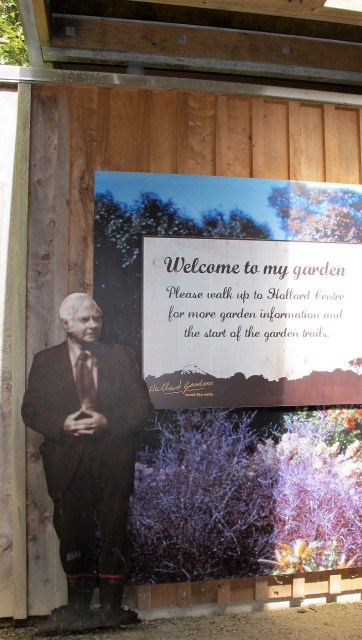
The faded life-size cut-out of Bernard Hollard is a little poignant
I don’t think these gardens are a victim so much of their own success – we simply don’t get enough garden visitors to Taranaki to put extreme pressure on gardens. I think they are a victim of the drive to attract numbers of general visitors to justify the expenditure. If that means sacrificing the original ambience and character of these gardens, then so be it.
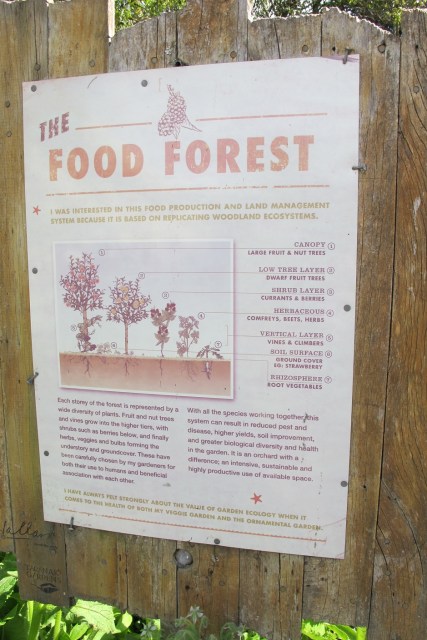
Matched by faded information boards, purportedly written in the first person. Was the term “food forest” even heard of when Bernard Hollard was still alive?
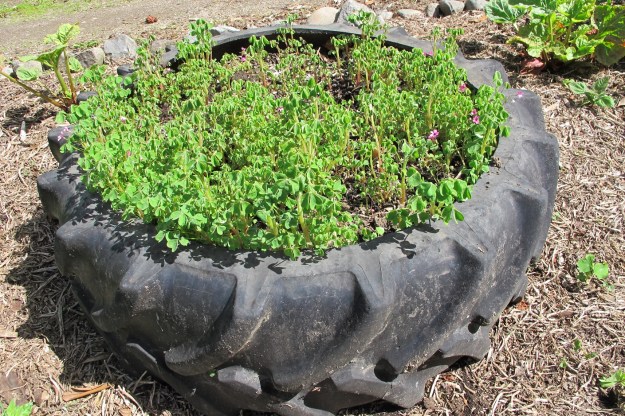
Mark knew Bernie, as he was known to his family and friends, personally and is adamant that he would never have grown yams in an old tractor tyre and indeed his tidy vegetable garden was hidden away from public view
Pearson captures it in a nutshell, when he writes: “Even when the blueprint is strong, gardens can easily assume a different character, for a garden is really the gardener.”

Hollards’ modest home was demolished to make way for a visitor centre, designed in the style I call “Utility Department of Conservation”
Earlier published columns on the topic of regional gardens:
1) A letter from a ratepayer. Published July 2010 I am not sure I would be brave enough to publish this piece in the newspaper these days. I must have been more fearless back then.
2) A tale of Pukeiti Rhododendron Trust and ratepayer funding Published March 2010.
3) Taranaki Regional Gardens Part 1 – first published late 2004
4) Taranaki Regional Gardens Part 2 – first published, apparently January 2005 – the best piece of writing for those who can’t be bothered wading through the lot.
5) And Taranaki Regional Gardens Part 3 – which rather tells about the treatment of an unsolicited submission. (first published 2005). When in doubt, levy accusations of self interest.
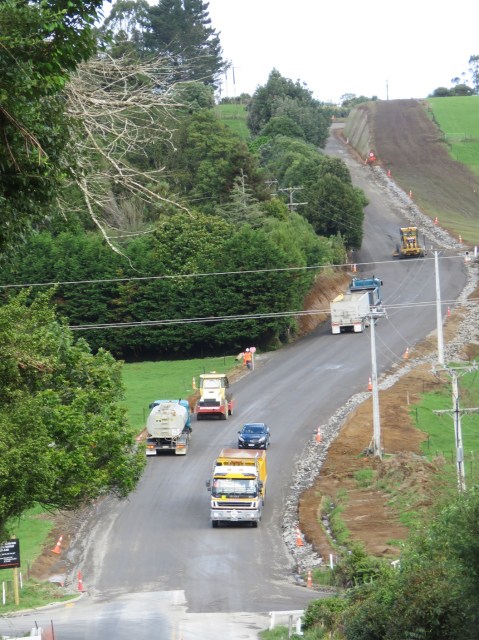 Three years ago, we were
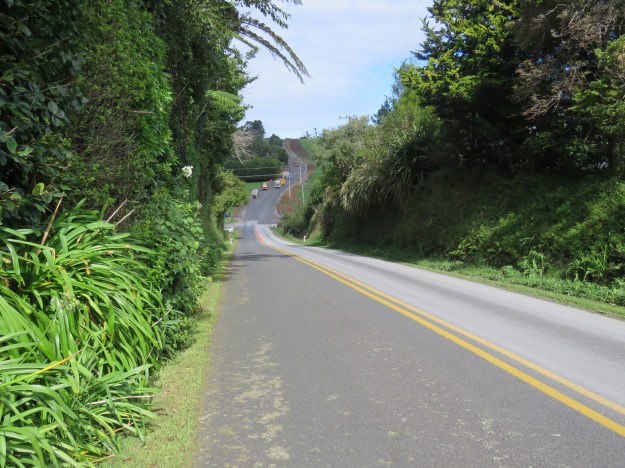
 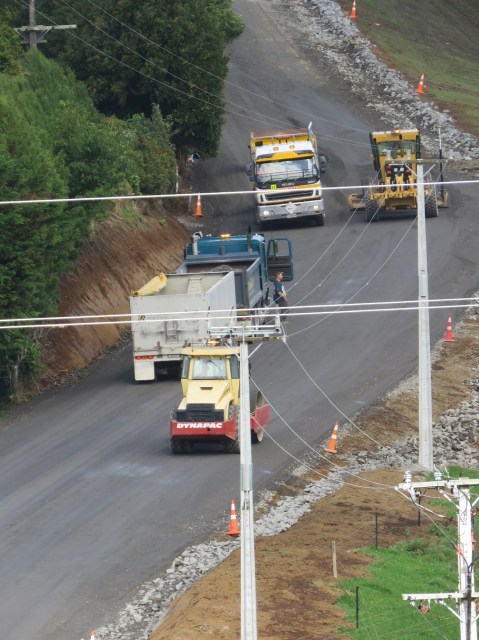 And so this road *improvement* has gone ahead, no doubt at considerable expense. In vain did we plead for rural amenity to be preserved while meeting the roading needs of petrochemical development. Make no mistake about it. The whole purpose of this super-duper rural road is to service the petrochemical industry, not the locals. Sure, some locals will see a wider, faster, heavily cambered road as “progress”. They don’t care about being able to stand on the side of the road and have a chat to a passing neighbour. I bet they don’t get out of their cars long enough to ever want to walk along the road verge. Presumably they don’t have any children who might, in the past, have biked to school. I am also guessing that they have never lost any dogs to speeding traffic. All they want to do is to get in their vehicles and plant foot, to get to their destination as fast as possible. That is how they see the modern world of progress.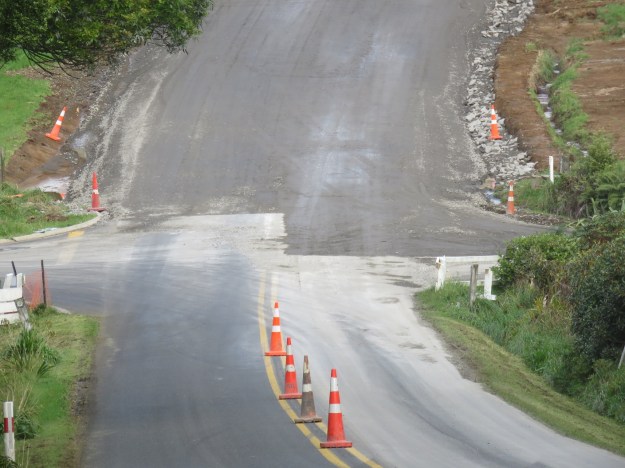
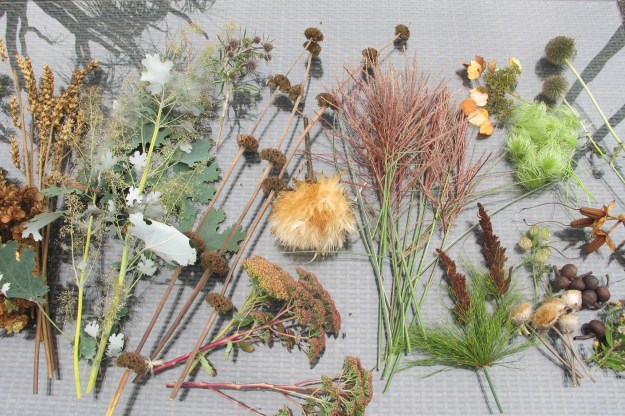 As the nights cool and day length shortens, there is no denying that autumn is here. Coastal Taranaki is not renowned for autumn colour. It is generally drier climates with sharp seasonal changes of temperature that get the showiest displays. The trees we have that do change won’t be showing much until the end of May and into June. In our climate, the shoulder seasons of spring and autumn are extended in time but at least it means the depths of winter are but brief.
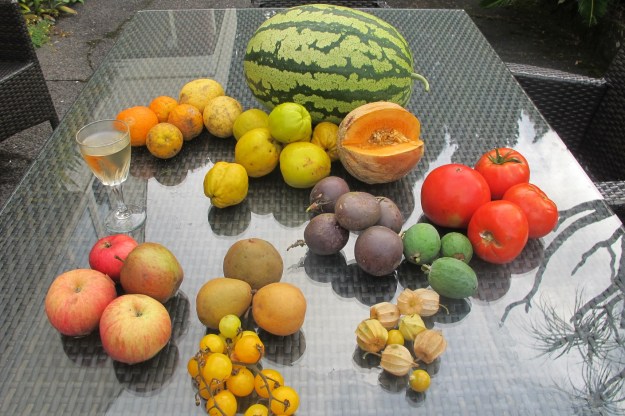 Despite all that, it is a time of year that brings out the Squirrel Nutkin in me. Or is that the Laura Ingalls Wilder of The Little House on the Prairie fame? There is something visceral in preparing for cooler months and achieving a state where I know there is enough firewood to keep us warm and food supplies stockpiled against winter famine. Not that I grow the food crops – that is Mark’s domain. And indeed, the supermarket is only 10 minutes’ drive away but that is never going to be as satisfying as seeing the home produce rolling in. April is all about chestnuts, gathering walnuts, drying beans, sorting the apples and pears, gorging on rock and water melons, freezing tomatoes and corn, harvesting grapes and the like.


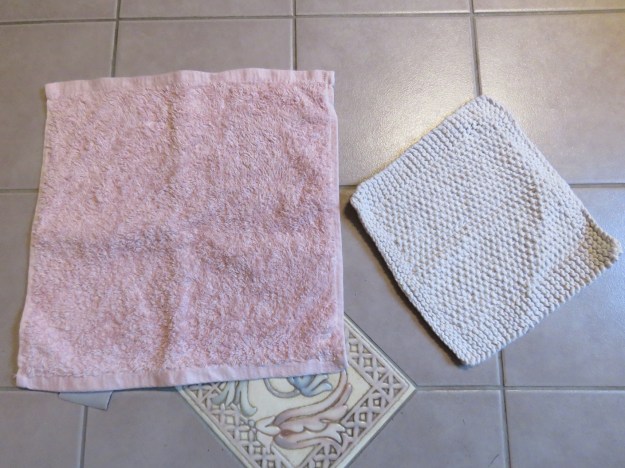 Second daughter had reason to visit South Africa recently so my delightful birthday package contained several items from that trip. Included was the hand knitted cream square above. “I remembered your knitted dishcloths,” she said.
 Tikorangi The Jury Garden