
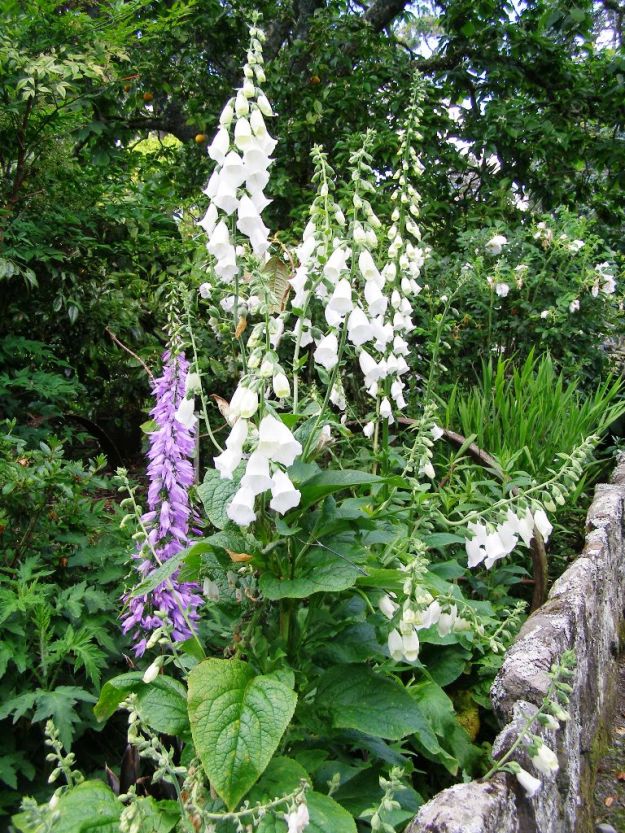
White foxgloves, though at Tikorangi, not Hidcote
An enduring memory of our visit to Hidcote Manor Garden in Gloucestershire was a simple planting of white foxgloves. They stood like grand white sentinels, belying their humble botanical status. A packet of white foxglove seed was top of the list on our next seed order.
Common foxgloves – and the white is just a form of the common Digitalis purpurea – are not difficult to grow. Not at all. We let some pink ones seed down through the park and in outlying garden areas. I think our widespread, dismissive attitude to foxgloves has to do with an earlier rural orientation in this country where such plants are seen as noxious weeds. But we are not farmers, so some seeding wildflowers naturalised on our property are not a problem, adding to biodiversity and providing a food source for insects.

Common Digitalis purpurea seen here with Rhododendron Caroline Allbrook
 The whites I wanted for my rose and perennial garden. After a few years, I am now moving them. They are too big and choke and swamp the smaller perennials I have in that area. I have found a couple of spots which they can have all to themselves. I was amused to see English gardener, Keith Wiley – for whom we have huge respect – on TV talking about growing plants in colonies but noting that some plants are so dominant that they do not want to grow in colonies. He cited foxgloves as an example. They are way too thuggish to co-exist happily with many other plants.
I could have saved myself a lot of trial and error if I had looked to the ground where the Hidcote foxgloves grew and taken note of what else did or did not grow there and how much space each huge rosette of leaves occupied. Instead, I was so enchanted by the summer display at eye level that I failed to observe further.
 Carol Klein on BBC’s Gardeners’ World, once said that she sorted her foxgloves as juvenile plants – the pink ones had pink veining in the leaves and the crown whereas the white ones were all green. I am not convinced she is right though I went through a stage of culling all pink-veined seedlings. I am happy to stand corrected if somebody has been more systematic in assessing this, but I am pretty sure that I have pink-veined ones flowering white and vice versa.
What I can tell you from experience is that foxgloves have very large tops but small root systems so are easy to transplant even when quite large, as long as I reduce the foliage by anything up to 75%. They are tough. I am hoping by next year to have my white Hidcote sentinels flowering in abundance in positions where they can be glorious without smothering other plants.

Seedling variation showing a white centre to the common purple


 Overseas gardeners find our attitude to agapanthus perplexing. These plants are much more prized elsewhere, whereas we largely consign them to roadsides. It is much rarer to see them used as garden plants in New Zealand, even though there are some very good named cultivars which are sterile, so don’t set seed. Their future is sometimes under threat as they are seen by some to be noxious weeds. And they are very difficult to get rid of if you no longer want them.
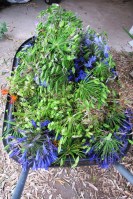 This leaves the problem of what do with the seed heads. While we make a hot compost mix, it is not always hot enough to destroy viable seed. In the past, I have been guilty of putting seed and noxious weeds out for rubbish collection but we now think that sending even very limited amounts of green waste to landfill is not justifiable.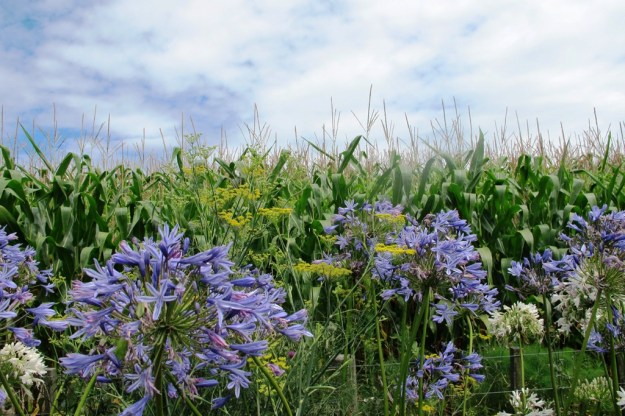
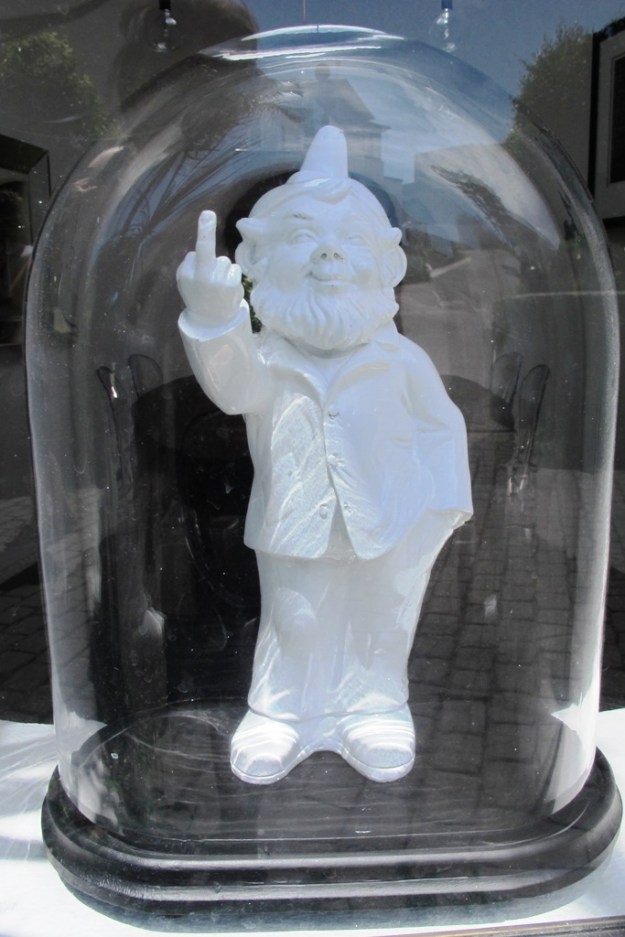
 I find garden ornamentation a source of slightly masochistic fascination. We prefer very little ornamentation in our own garden and even then lean to the natural look. Back when we were university students – way back when – we used to entertain friends and visitors with gnome garden tours as viewable from the streets of both Palmerston North and Dunedin. Caversham was a particularly happy hunting ground. But brightly painted little concrete things in my own garden? I think not.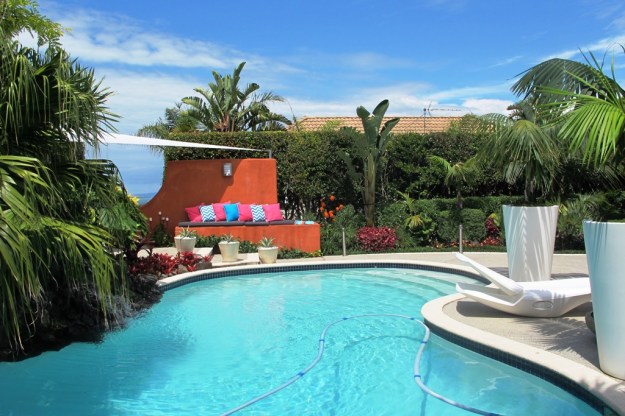

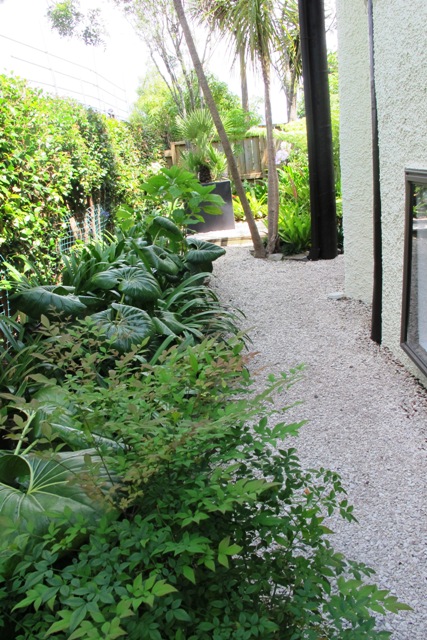 The plantings were fine, but nothing particularly out of the ordinary. The Heroic Garden Festival, for those who don’t know, has its roots in the Auckland gay scene. Gay men, as far as I can see. I have yet to fathom why gay men are such a powerful force in gardening whereas gay women have not made their mark in the same way. There appears to be a secret rule book that says that gay men in Auckland should create tropical gardens (the Ubud hotel-style, I have described it in the past) dominated by bromeliads, palms, cycads, the tractor seat ligularia (L. reniformis), bromeliads, maybe a banana palm. Oh, and have I mentioned bromeliads? After you have been to several gardens, the plantings start to meld in the mind and achieve a certain state of uniformity.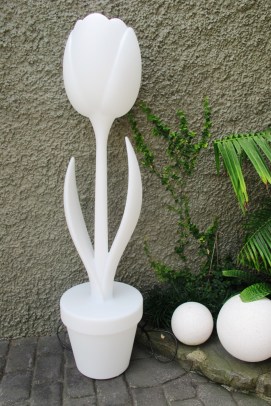

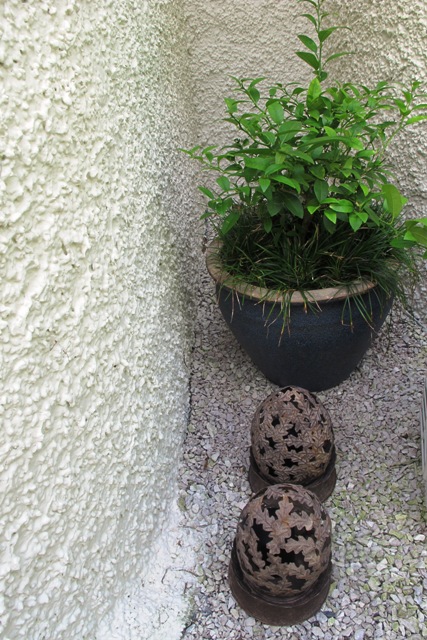 I don’t know much at all about Gaudi and Catalan modernism is beyond my ken. Certainly there was a northern Spanish arts and crafts ambience to the house which was charming. The borrowed view to the sea was also a clever device which did not appear as if it could be built out.
 First published in the February issue of New Zealand Gardener and reprinted here with their permission.
  Tikorangi The Jury Garden