Tag Archives: Crinum moorei var

February bulbs signalling seasonal change

Will my bulbs of February be the month when there are slim pickings, I wondered at the start of the month. But no. I begin to think that there may be no such months, in our garden at least.
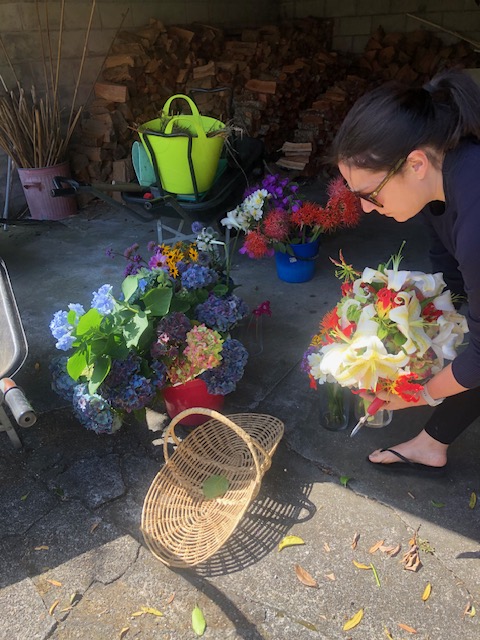
A wedding posy largely comprised of auratums and gloriosas. The bride also chose to wear gloriosas in her hair.

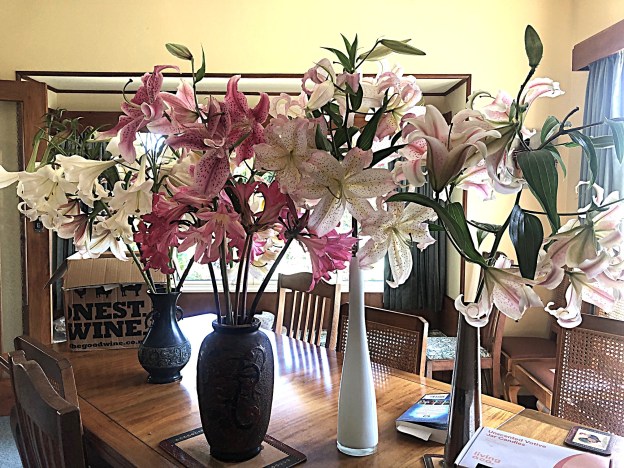
February was marked by a bit of a rollover from January, notably auratum lilies, gloriosas and Scadoxus ssp multiflorus katharinae. All are excellent cut flowers. I knew the lilies were but I have never cut the scadoxus before and they show a remarkably long vase-life. This discovery was made because our middle child came home for a small, intimate wedding in the garden here – an event we never expected to see. In the spirit of this informal occasion where the vows were both heartfelt and a central part of the whole event, she did her own wedding flowers from the garden here. She made her posy and a smaller one for their two year old to carry as well as the vases for the long table while I did the big showy vases of OTT lilies – mostly auratums but with a few Lilium formasanum and belladonnas.
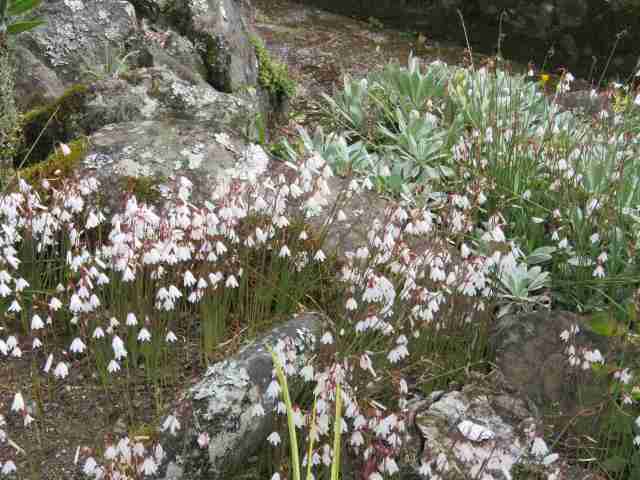
The ephemeral delight of a sea of tiny Leucojum autmnale – autumn snowflakes – in the rockery

Some bulbs are a fleeting delight. The daintiest, tiniest little flowers of the autumn snowflake – Leucojum autumnale – all bloom at once as harbingers of the change in season. The Worsleya procera came and went in the first ten days of the month. No less spectacular, the Paramongaia weberbaueri impressed with its debut performance this very week. I do not think it will have a long season in bloom.  
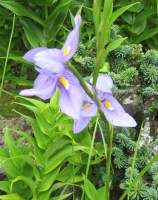
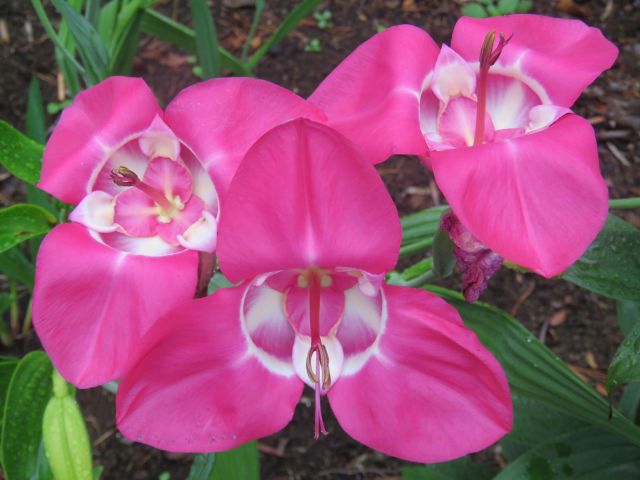
Moraea polystachya

Then I pondered the fact that many of the bulbs that I declare have a long season are in fact bulbs that we have in the garden in abundance, counted in the high hundreds. If we had 500 worsleya, they are likely to flower more in succession and might have me admiring their long season in bloom. That is the case with the blue Moraea polystachya just opening and likely to flower for a good couple of months. But it is not each individual moraea bulb that is flowering that long, although it does set buds that open successively. It is having many bulbs around which open for their weeks to star.
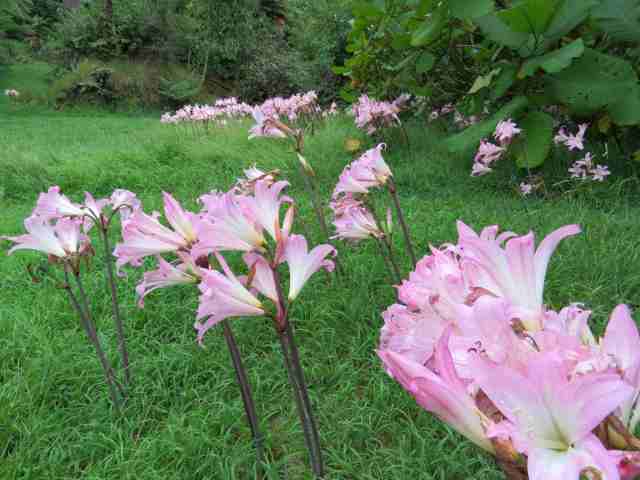
Belladonnas – showy but not choice

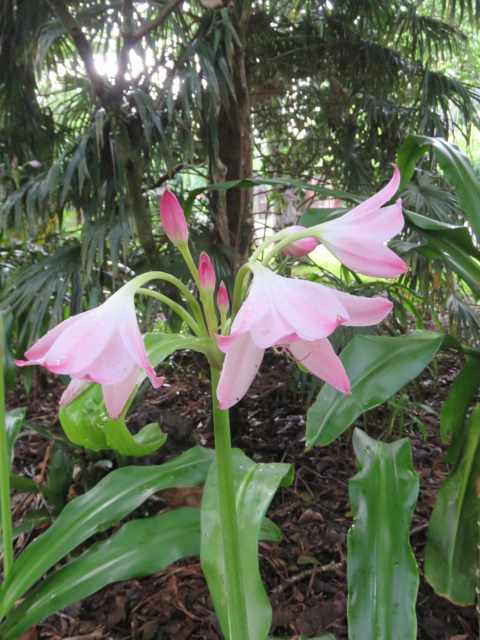
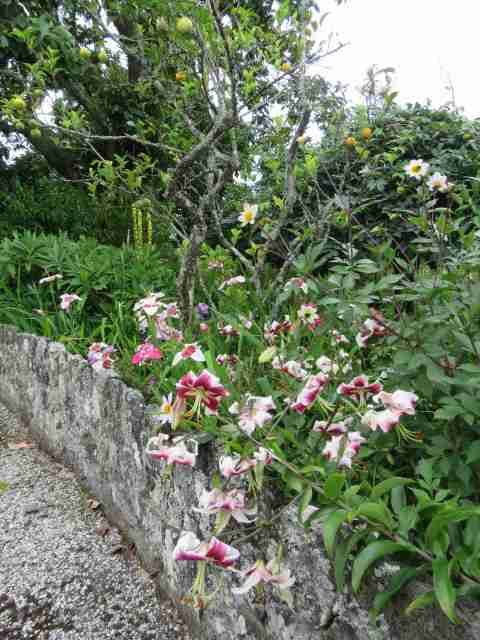
Some are short in season but somewhat glorious. The belladonnas – Amaryllis belladonna  -are more wildflower or roadside plant than one for cultivated garden but that does not diminish their charm on the day. They last well in a vase, too.
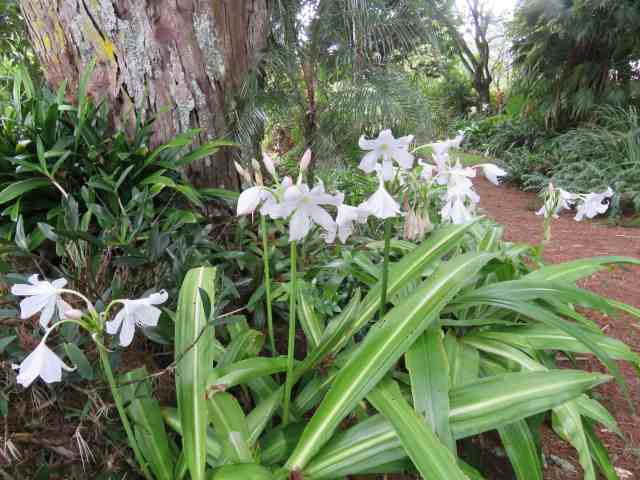
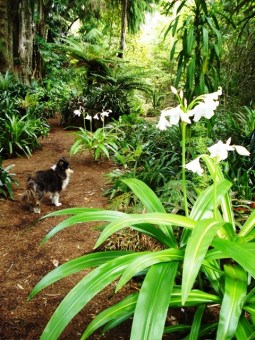
Crinum moorei var. in the woodland gardens

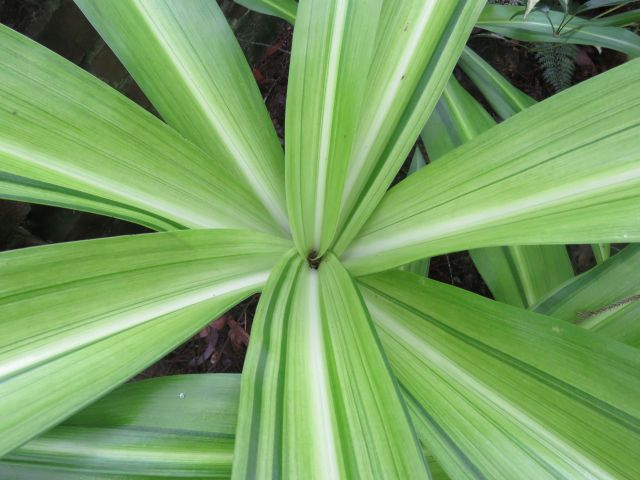
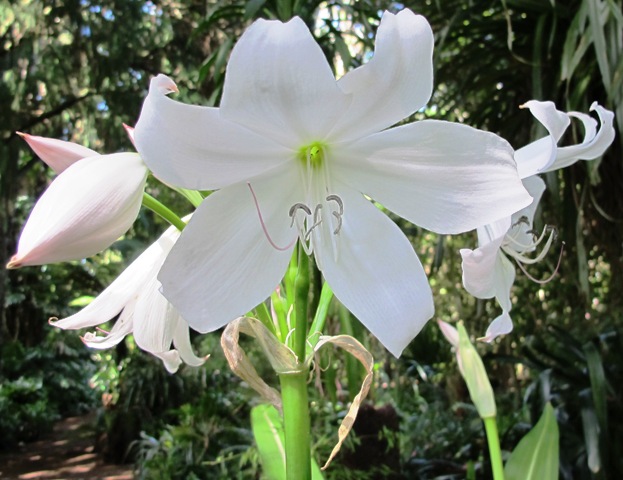
Crinum moorei variegated has spectacular foliage in late spring and early summer but the foliage starts to whiff off a bit, sometimes losing its variegation, as the perfect, white, scented blooms open. I would prefer it to time the foliage and the flowers to perfection but the gardener’s personal preference is irrelevant. It remains an excellent bulb, showy for a long period with the foliar lead-in followed by lovely blooms. We always grow it in the shade gardens because that foliage will burn in our bright summer sun.
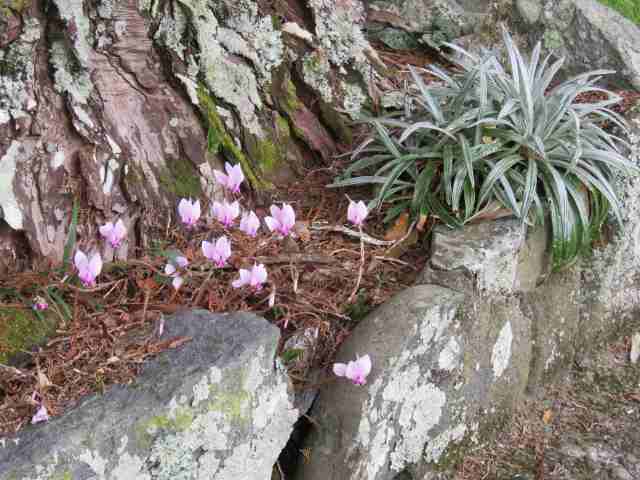
Little Cyclamen hederifolium is all through the rockery and woodland margins – naturalised but never a problem

As the big blowsy bulbs of summer pass over, the autumn snowflakes are joined the by the dainty Cyclamen hederifolium which we have in abundance – decades of letting it gently seed around to naturalise.
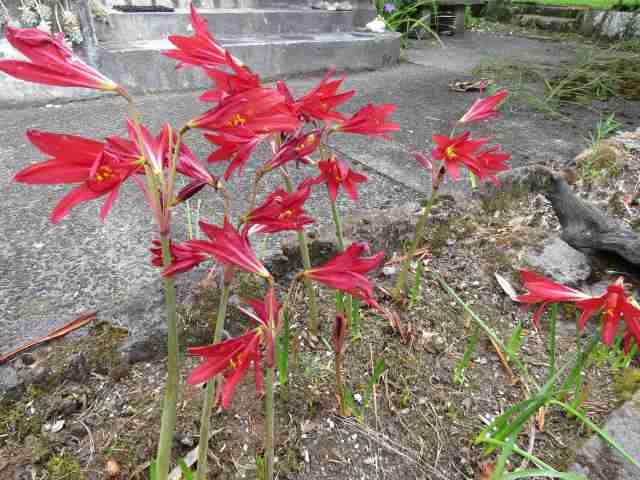
A zephyranthes now, which was news to me. We have it in red and pink.

We have known this plant as Rhodophiala bifida, following on from a period of it being Hippeastrum bifida but apparently it was classed as Habranthus bifida prior to that; now, now it has been moved again to Zephyranthes bifida. I do hope it has found its forever home in the zephyranthes family. It doesn’t have a long season in flower; nor does it increase quickly but it is lovely in its time.
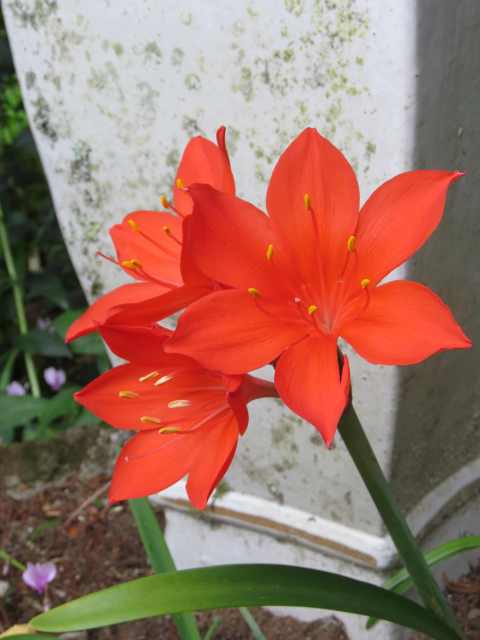
Nothing rare or unusual about this bulb but it is no longer a valotta, now being in the cyrtanthus family

Whereas what we once had as a valotta (and was it also once an habranthus?), is now to be known as Cyrtanthus elatus. I do try to be botanically accurate but it is not always easy to do so. For those railing against name changes, they may be inconvenient but there is scientific data to justify the reclassifications. I would assume it is all DNA-based these days.
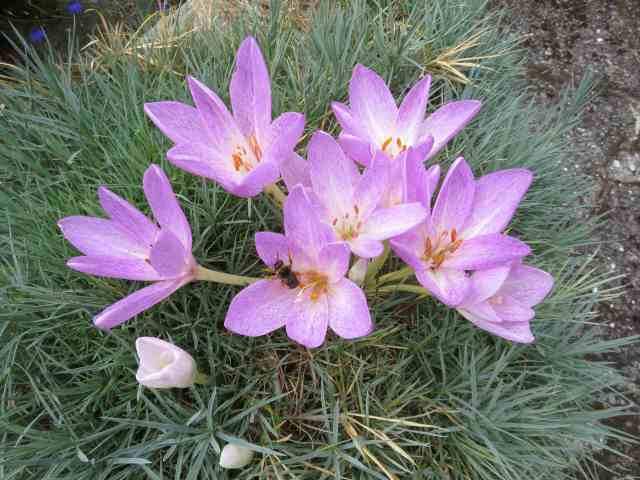
Colchicums! Not autumn crocus, but I am not sure whether this is Colchicum autumnale from northern Europe or Colchicum speciosum from Turkey. I think we have both.

Haemanthus coccineus may be the most fleeting of all the late summer bulbs we grow, but mostly this plant is grown for its spectacular foliage, colloquially known as elephant ears. Colchicums, too, have a brief season but not as brief as the haemanthus. They are oft referred to as autumn crocus but that is not botanically correct at all.

The bulbs are telling us that we are on the cusp of summer turning to autumn.
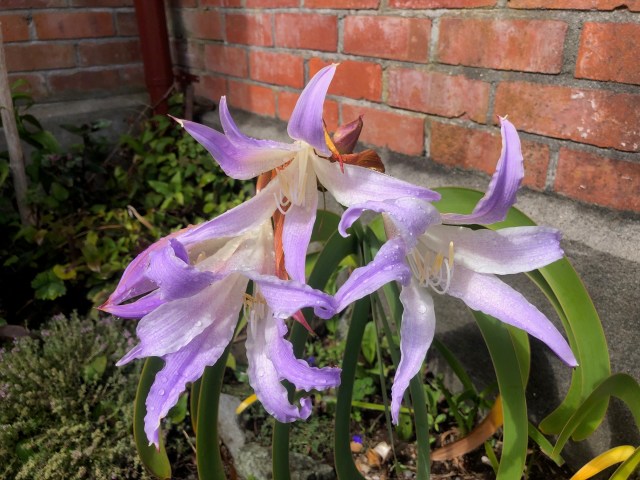
Worsleya procera – choice but not prolific.

Bold Bulbs of January

While I think of early spring and autumn as Peak Bulb Blooming Time here, January must take the crown of Big Show-off Bulb Time. With big bulbs as well as a big display, notably the lilies and scadoxus.

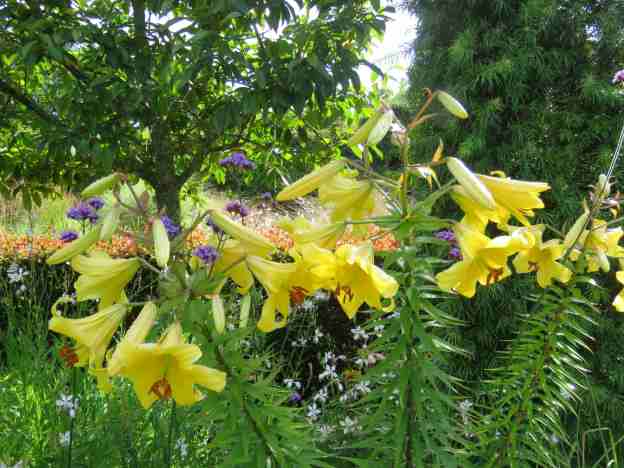
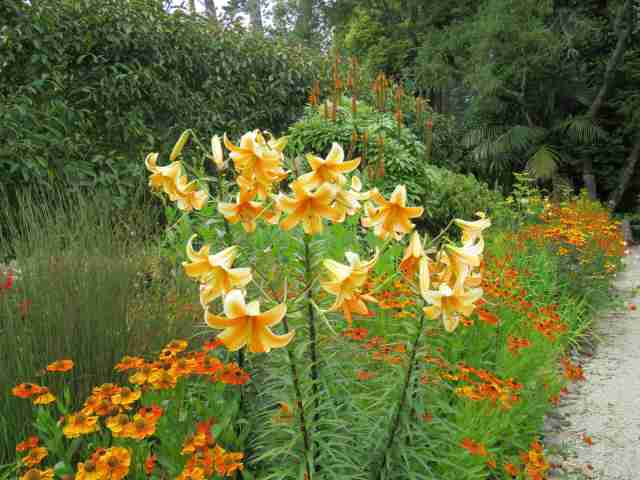
Mark’s Aurelian hybrids in yellow and apricot orange.

Beat the drum to announce lily time. The month starts with the yellow and apricot-orange Aurelians, for which I give full credit to Mark. We have never made them available on the market so any Aurelians you buy won’t look quite look ours and probably will have fewer flowers to the stem. They are truly lovely in their 2 to 3 week season. Nicely scented too.

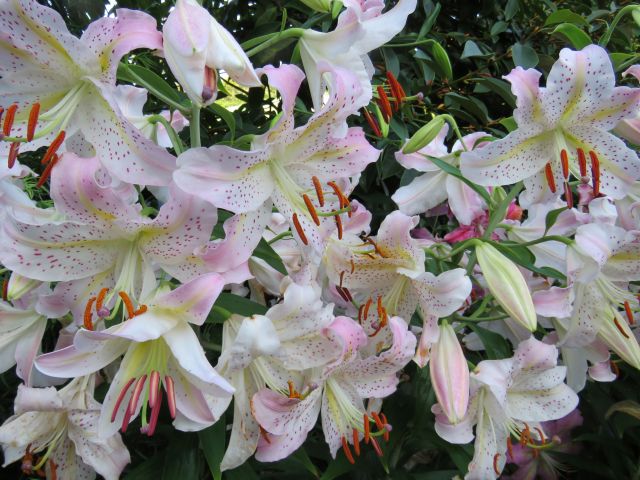
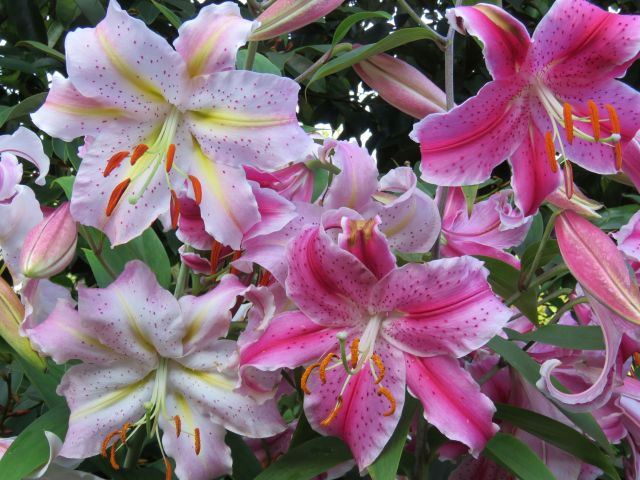
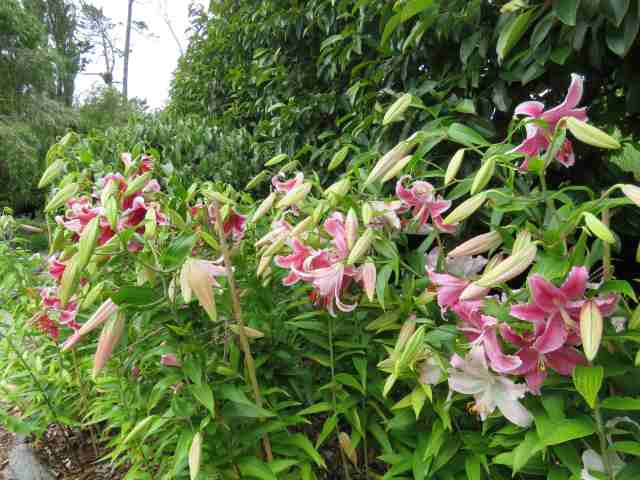
Auratum hybrids – all outward facing

As the Aurelians pass their peak, the auratums hit their stride and they are an astounding sight in full sun and in the open woodland areas of the Avenue Gardens. We have a few, as I say in a major understatement. Some date back to Felix who dabbled with lilies in the 1960s and 70s, and even further to Les Jury (his older brother) selecting for deep red shades amongst others, but particularly for outward-facing flowers. Upward-facing lilies are probably better for florists but they also gather dust and leaves and suffer more from pollen staining so they are not as good as garden plants. We select for plants that perform as garden plants.

A 30 metre border of auratum lilies plus a whole lot more in other areas. Did I mention we have a few?

Back in our mailorder days, we named and sold a few of Felix’s selections but the more recent hybrids from Mark have never been put into commercial production. Pure and simple, he raised many plant from controlled crosses for our garden (by which is meant he chose the parents and manually pollinated rather than harvesting wild pollinated seed). He was after outward-facing blooms, big flowers, strong stems and a range of colours from white through pinks to what passes for red in the auratum family. He succeeded in this endeavour and every year, the auratums are a sensory joy with both looks and heady fragrance.

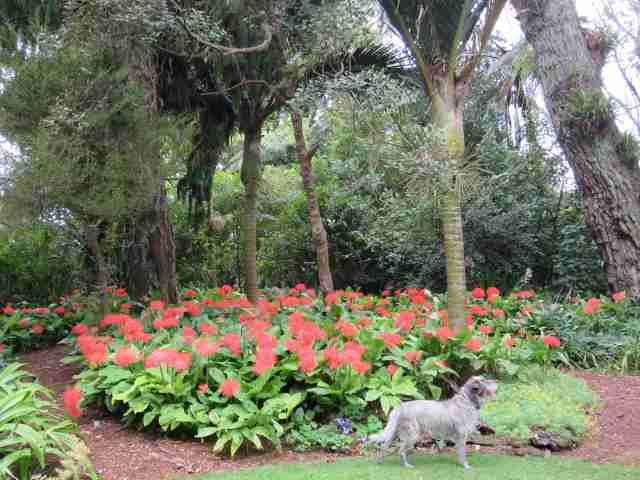
We have a few Scadoxus multiflorus ssp katharinae too.

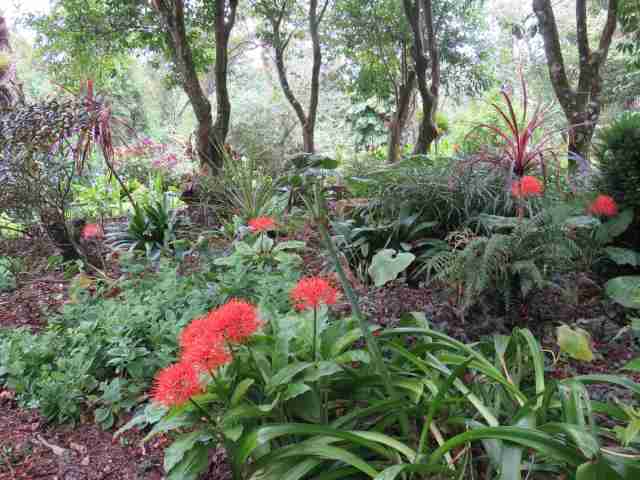
The Scadoxus multiflorus ssp katharinae continue to thrill and delight us with their sheer scale here. I am not sure I have much else to say that I have not said before. This particular patch is one of our unique features. It is more usual for these bulbs to be nurtured as single specimens in a pot. While they have naturalised here, their spread is not on such a scale as to be described ‘invasive’; they are easy to control but we are fine with them gently popping up in nearby areas. As a general rule, we favour complex scenes of mixed plants rather than mass plantings, so much the better if they are choice plants finding their own happy place.

Gently spreading in the woodland
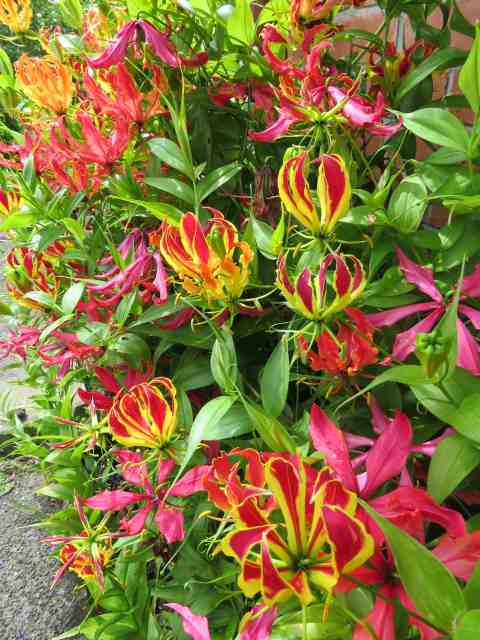
Gloriosa superba in a dry border that never gets watered and the only moisture is runoff from the concrete beside

It is also gloriosa time. While they are commonly referred to as climbing lilies, the lily connection is but distant and the colchicums are much closer relatives. Gloriosas are highly prized by many until they multiply to the point where they become a bit of a weed. We are at that point. They are a handy plant to have in super dry conditions like the narrow, hot, dry border at the front of our house where little else thrives. I am not convinced about them in other areas and am trying to restrict their spread. Also, I feel they ramble as much as climb. I wouldn’t mind if they would climb neighbours to hold themselves up but they are more inclined to sprawl and need staked areas to keep them more upright.

Crinum moorei var rates as a choice bulb for its foliage alone, even before the white flowers appear
It may be C. moorei (non variegated) or it may be one of the other species. Nowhere near as choice but pretty enough in casual woodland

The stars of our crinums are the many bulbs we have of Crinum moorei variegated but they are only just starting to put up their pure white flower spikes this week so they can wait til February’s instalment. We have other crinums flowering soft pink. I have never unravelled the different species; Mark tells me we have two different species, one of which is the common form of moorei (non-variegated) and one of which is a different species that he has forgotten the name of and I never knew so its identity may remain forever a mystery. These all-green foliaged plants are rangy in foliage, utilitarian but useful bulbs for shady areas and pretty in bloom.

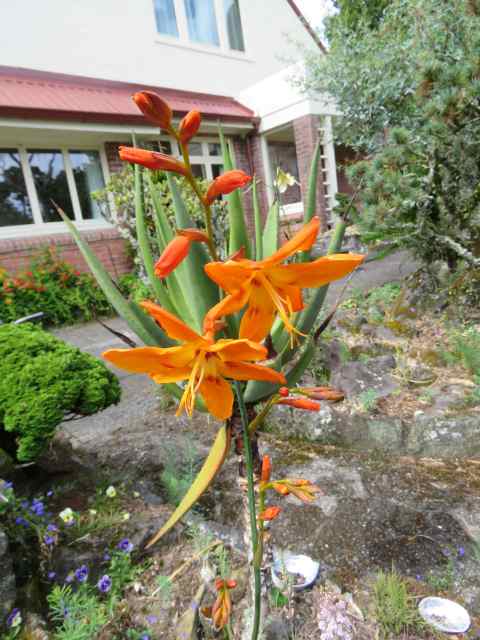
Crocosmias – pretty but most are on the rampant side
Tigridias – we have them with and without spots in white, red, yellow and a variety of pink hues

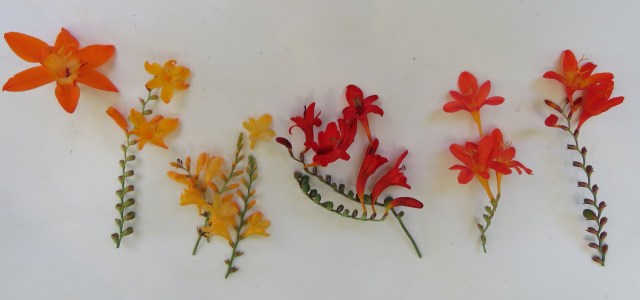
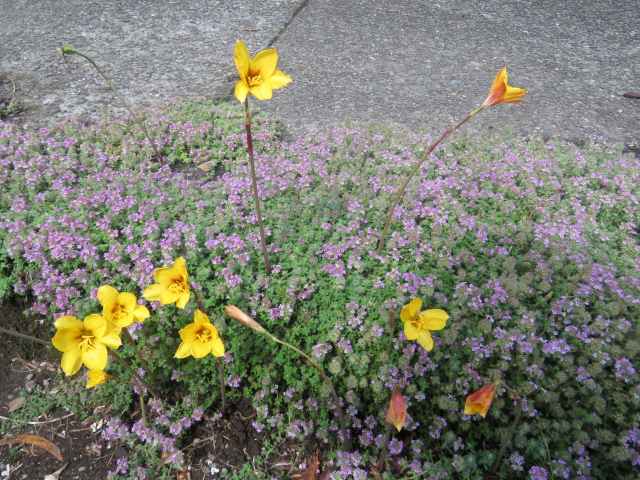
In the showy/utilitarian/potentially weedy category, we are flowering tigridias (jockey caps), crocosmia and zephyranthes. Tigridias hail from central America, Tigridia pavonia which is the common garden species  is from that area around Mexico and Columbia. Crocosmia are a grasslands bulb from southern Africa.

Zephyranthes or habranthus? I was going to say at least we can call them rain lilies but they are not even lilies because they belong to the amaryllis family instead.

The zephyranthes are from the Americas, oft referred to as ‘rain lilies’ because flowering is triggered by rain. Zephyranthes or habranthus, you may ask. As I did. I have no idea now. We have always called them zephyranthes but ten years ago when I wrote this piece they appear to have been reclassified as habranthus. Now, a decade on, it appears that habranthus have been swept up – along with sprekelias – and moved back to zephyranthes.  This is all based on botanical analysis and DNA and who am I to challenge that? I can continue with zephyranthes which is easier for this old brain to remember because we used to have a family dog named Zephyr. These are plants for the casual, sunny areas of the garden – more wildflower than tidy bedding plant.

A casual planting of a smaller flowered auratum and tigridias beside the drive in the Iolanthe Garden

As if the disappointing summer is not bad enough, I see we already have the first flowers opening on Cyclamen hederafolium and even the autumn snowdrop. Sigh.

Special thoughts to those in the north and on the east coast who have been hit hard by extreme weather in the past week. We see you, we hear you, we feel for you even as we know that is about as useful as Trump’s ‘thoughts and prayers’ or, in the rural vernacular, as useful as tits on a bull. May the weather settle soon that you can start the process of recovery.

Crocosmia – possible ‘Star of the East’. Unlike the others we grow, this has exceptionally large flowers, is VERY slow to increase and never in any danger of becoming a weed or wildflower. This is why it is allowed in the rockery.

Plant Collector: Crinum moorei variegated

Fragrant Crinum moorei var.

Fragrant Crinum moorei var.

Crinums are a large family, belonging to the amaryllidaceae group so having some botanical connection to the likes of belladonnas and nerines. But despite there being over 130 different crinum species, not a lot make good garden subjects in this country. Sometimes you will see different crinums being grown in the tropics but the common form in this country is C. moorei which is a South African plant. It has big strappy green leaves, largely evergreen so it can get a bit scruffy, and big, strong spikes of scented flowers in shades of pink. It is a very easy plant, tolerant of woodland shade and near total neglect.

Tall, white punctuation marks in summer along a woodland walk - Crinum moorei var

Tall, white punctuation marks in summer along a woodland walk - Crinum moorei var

This is a variegated form and rather more desirable. It is deciduous which solves the scruffy problems. When the fresh growth comes in mid spring, it lights up a dark area with its bold pale gold and green striping. By mid summer, the variegation has toned down considerably to green which gives a splendid foil for the lovely tall spires of predominantly white scented blooms. These are around 150cm high but so strong, they don’t need staking. They are a wonderful late summer accent plant for shade gardens. The bulbs can reach extremely large proportions and are relatively slow to increase. As with a number of the amaryllis family, the bulbs sit half in the ground with necks exposed. We have never seen this variegated form set seed though the usual green moorei can be grown easily from fresh seed. We have to wait for our plants to form offsets on the bulbs in order to increase them, though enthusiasts could increase them by twin scaling.

First published in the Waikato Times and reproduced here with their permission.