A fortnightly series first published in the Weekend Gardener and reproduced here with their permission.
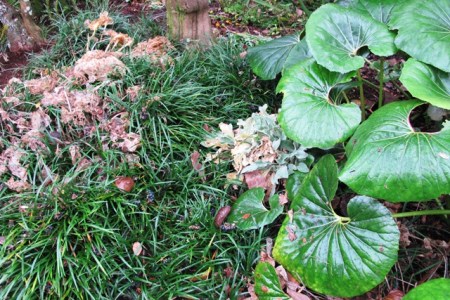
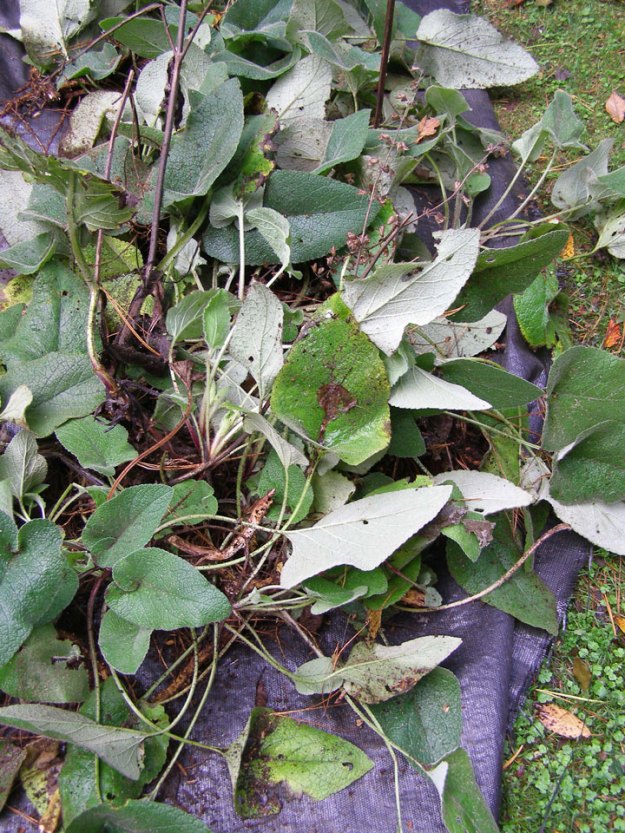
Before – too much mondo grass, not to mention superfluous hostas and Ligularia reniformis needing attention
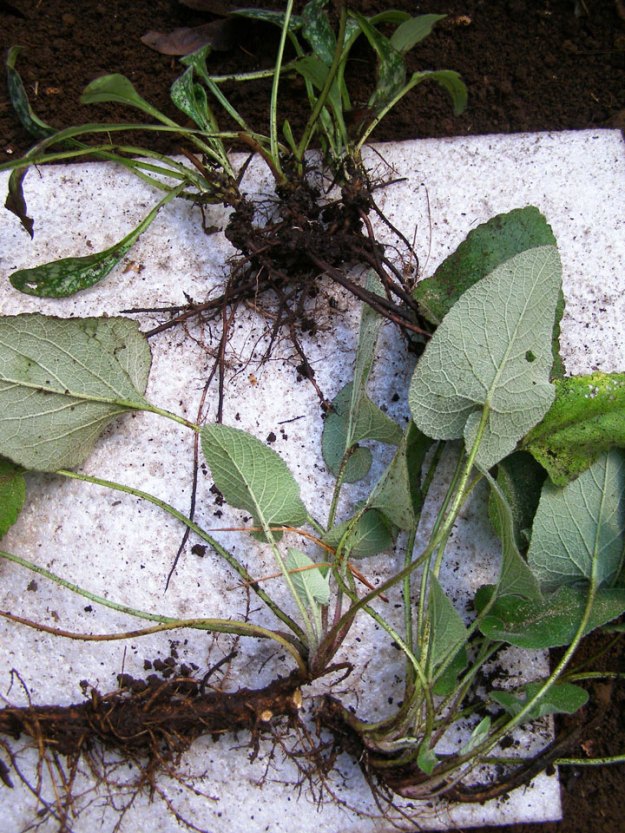
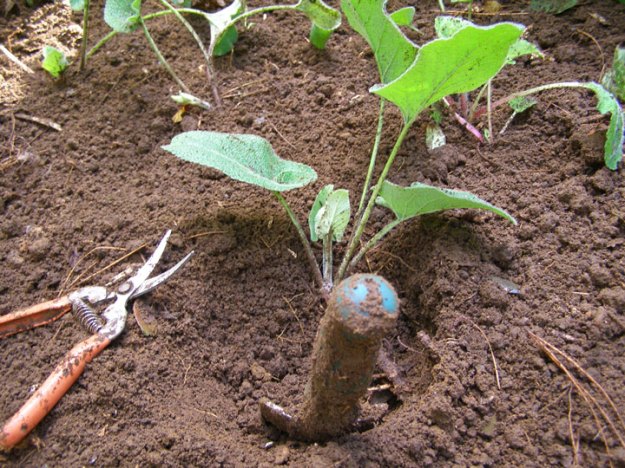
There are times, I admit, when the advice I give as a garden writer is from the do-as-I-say school. Digging and dividing perennials is an example – a recommended activity but not as urgent as other tasks here so rarely gets done. I am reformed, inspired by the dramatic response of plants which I lifted, divided and replanted into well dug soils last year. They romped away. I am working my way through the garden borders, lifting pretty much every perennial (but leaving Helleborus orientalis – the most common hellebore. It doesn’t appreciate being disturbed). As some have been left for well over a decade, it is a major task and takes some physical effort. It also gives the opportunity to clean up the perennial plantings to achieve a more cohesive look. Years of plugging gaps had meant that some were pretty hodge-podge in the selection of plants.
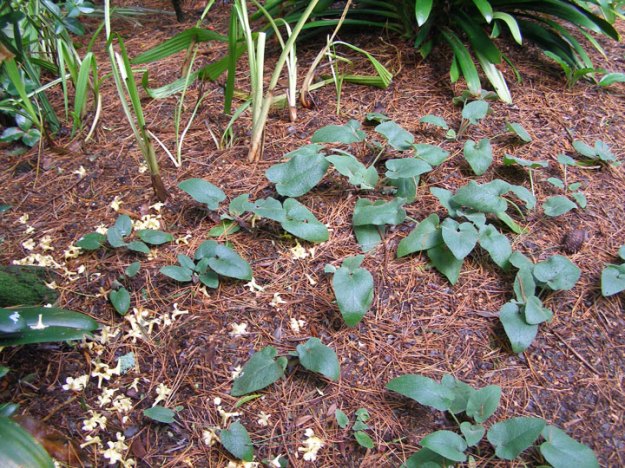
I have carted away two barrowloads of green mondo grass from just one smallish border – too much mondo. A drift of yellow polyanthus will give winter colour, interplanted with bluebells for early spring contrast. The variegated Soloman Seal (Polygonatum multiflorum var.) will give spring and summer detail, all held together by the evergreen tractor seat ligularia (L. reniformis) and the green mondo grass (Ophiopogon japonicus) – but in moderation. All of this is in the lee of a large mandarin tree, which gives wonderful orange winter colour with its abundant fruit. The fun part of gardening is deciding on different combinations for different areas but after the hard work, patience is needed before it all starts growing again.
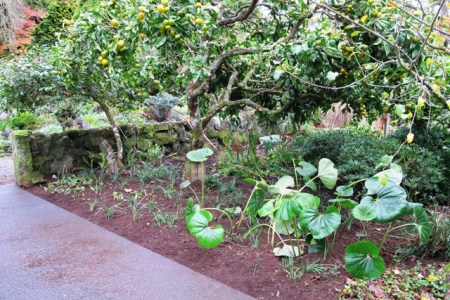
And after – it needs to grow but it is very tidy
TOP TASKS
1) Limit the mondo grass – both the black and green forms. It seems to have quietly spread into too many areas where it is not needed at all.
2) Get a layer of compost mulch onto the borders where I have been working. The compost will feed the plants while stopping dirt splash in rain. It is a fiddly job because it needs to be placed around in each plant by hand.
3) With only two months until spring here, the pressure is on to get winter projects done. This includes my reconstruction of the rose garden. It will make a major mess so once started, it is a case of needing to persevere until it is done. I have not been game to start yet but will run out of time unless I get moving.