Tag Archives: gardening

Plant Collector: Magnolia Athene

Magnolia Athene in her glory

Magnolia Athene in her glory


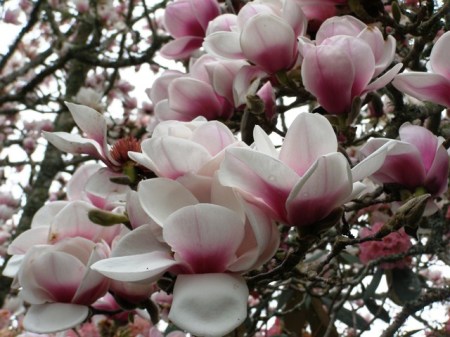
Thank goodness for the mid season magnolias this year. There we were, as usual, admiring the early season ones in flower when a once in a hundred year event hit here – snow followed by a killer frost in late August. The early bloomers did not like it one bit. But the next flush rose to the challenge and their flowering was unaffected. This one is Magnolia Athene, a particularly lovely variety with big ivory white flowers sporting a violet pink base. It is what is called a cup and saucer form. When open, the outer layer of petals drops a little to form the saucer, while the inner petals keep a tight cup form. Botanically, magnolias don’t actually have much in the way of petals, they have tepals which look like petals but that tends to confuse all but the most enthusiastic gardener.

Bred in the early 1960s, Athene is one of a small series from the late Felix Jury in his quest for new plants which would carry the good aspects of the classic campbellii magnolias but flower on young plants and not grow as large. It should flower within a year of planting out. The parents are magnolias lennei alba (which is a very tidy, smaller tree with pure cream flowers) and Mark Jury (which is a large growing tree with very large, heavy textured flowers in lilac tones). Athene was a significant advance on the parents and puts on a magnificent display with its bi-coloured blooms. It will eventually reach about 5 metres with an upright habit and the flowers are pleasantly scented.
Plant Collector: Tropaeolum tricolorum

The dainty climbing delight of Tropaeolum tricolorum

The dainty climbing delight of Tropaeolum tricolorum

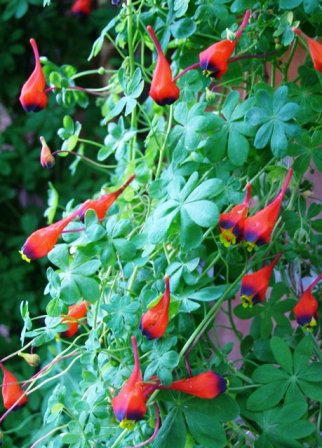
It does not, alas, have a common name but give yourself a huge pat on the back if you immediately identified it as a member of… the nasturtium family. I guess if you took the common nasturtium (Tropaeolum majus) and scaled it down, you might see a faint similarity. Or maybe not. The flowers are tiny but oh so exquisitely detailed and abundant. Shaped perhaps like a 2cm long Chinese lantern with a tail or spur, they are orange red, tipped navy blue with a yellow frill. Tricolorum (or tricolor) means three coloured, of course. The lobed leaves are similarly dainty.

This is a plant from Chile and Bolivia which grows from tubers resembling baby potatoes. It is dormant in summer and autumn, coming into growth in winter and putting on its peak flowering in early to mid spring, after which it dies down very quickly. It is a climber so it needs something to cling to but because it is so light and with a short season, it doesn’t smother any plants it climbs up. We grow it in abundance in two of the narrow beds beside the house which are always problematic because they are so dry beneath the eaves. It has not been as happy in woodland areas so we think it needs good light levels. It certainly does not want to be in wet conditions or it will rot out when dormant. T. tricolorum should not be confused with its thuggish cousin, the red Tropaeolum speciosum which seeds down and is reputed to be a noxious weed in Scotland as well as being a problem in some NZ gardens. Any plant that can be a weed in Scotland and New Zealand is dangerous. We have never seen our tricolorum set seed although there are internet references to growing it from seed. We find it increases gently from the tubers. There are, by the way, over 80 different species in the nasturtium family, all from South America.

First published in the Waikato Times and reproduced here with their permission.

Grow it Yourself: Peas

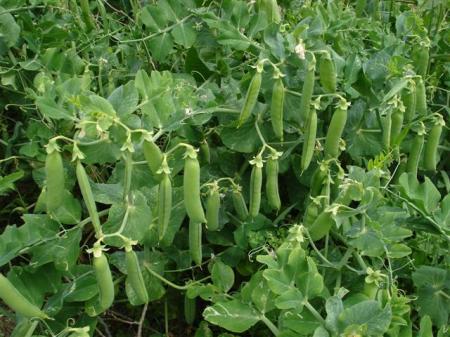
Peas are a marginal crop in mild climates. They tend to be much more reliable and productive in cooler areas. The frozen products in the supermarkets are ridiculously cheap to buy and of very high quality. So the reasons to grow peas at home are less related to quality and volume and more related to life’s simple pleasures. The satisfaction of picking fresh peas to serve with Christmas dinner is an adult pleasure. The opportunity to browse fresh peas in the garden, popping them from the pod straight into the mouth is a delight that every child should experience and one that does not wane with age. Raw, fresh peas don’t last well so are rarely nice if you buy them. You need them straight from the plant.
If you want peas for Christmas, sow them straight away. They take about three months to mature. The seed is the dried pea so they are large and are sown direct into well cultivated soil, about 5cm apart. Cover the area. The birds will destroy the germinating crop as soon as it bravely pokes its shoot above the ground. We use low chicken netting hoops for peas and various other germinating crops. Other people string cotton across the patch, cover with a cloche or even raise in seed trays under cover to stop the ravages of our feathered competitors. Once the plants have reached about 10cm in height, they are generally safe but soon they need some support to cling too. Even dwarf peas benefit from support. We tend to use a length of wire netting with a wooden standard (or post) every few metres. This can be rolled up when not required and used repeatedly. The supports need to be about a metre high. We do not spray peas at all. Ever.

While you may read the advice that peas are predominantly an autumn crop, our experience is that applies best to colder climates. It may be relevant if you live in areas like the King Country with its cooler autumns and winters but in mild, humid areas, autumn sowing is more likely to be a waste of effort as peas are vulnerable to mildew. We have given up on autumn crops but will sow from June to late September. So don’t delay. You will have harvested them by the end of the year and can use the area for a late crop of corn.

First published in the Waikato Times and reproduced here with their permission.

Tikorangi Notes: Friday 23 September, 2011

Looking a little like a froth of pink candy floss this week - our magnificent Iolanthe (again)

Looking a little like a froth of pink candy floss this week - our magnificent Iolanthe (again)

Latest posts: Friday 23 September, 2011

1) Tropaeolum tricolorum, a distinctly refined member of the nasturtium family in Plant Collector this week.
2) Yates Vegetable Garden – yet another NZ gardening book in that folksy-wolksy vein that NZ publishers think is all we can cope with these days.
3) Managing bulb meadows and drifts – Abbie’s column
4) GIY Peas A little introduction to growing peas in warmer climates.
5) Even we can lower our sights – the first of our clearance specials. First up a splendid hedging line of Camellia Jury’s Yellow.

No apologies for continuing to lead with Magnolia Iolanthe this week. In a season which will not rank as memorable for magnolias, Iolanthe has not wavered or faltered and is simply beautiful. The first flowers on Serene are just opening – she is always the last of the season to flower for us. The magnolias will be drawing to a close in a matter of weeks, but the rhododendrons are coming into their own. The camellias battle on, badly affected by petal blight but doing their best. Mark uses the blower vac on them to blast away the blighted blooms which otherwise refuse to fall. It is such a disappointment, is camellia petal blight, but there is no point in railing against something we can not alter.

Tikorangi Notes: Friday 16 September, 2011

Magnolia Athene in our park this week

Magnolia Athene in our park this week


Latest posts:

1) The yellow Camellia chrysantha – looking rather more spectacular in the photo than on the bush. Plant Collector.
2) Trees for small gardens – Abbie’s column.
3) In praise of Bok Choy (aka Pak Choi) (this weeks GIY).
4) Tikorangi Diary with effusive praise for Magnolia Iolanthe and a plaintive complaint about people who can not read the important notes on our website explaining repeatedly that we do not mailorder or courier plants.

Magnolia Iolanthe in all her magnificence this week

Magnolia Iolanthe in all her magnificence this week

Tikorangi Notes: Friday 16 September, 2011

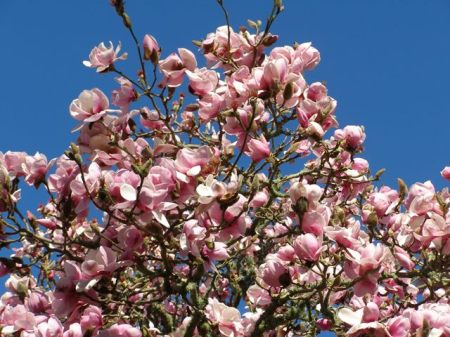
While much of the country is in the grip of rugby world cup fever (save us should the All Blacks fail to deliver the silverware. Elections have been lost on less and the country may plunge into deep depression), it is magnolia time here. I read a colleague advocating planting magnolias at the bottom of a slope so you can look down on them but I disagree. I love looking up through them from below and I prefer my magnolias displayed against a blue sky rather than framed by other greenery. With some of our trees around 60 years old now, they have considerable stature. In fact the original plant of Iolanthe has a diameter of about 10 metres – that is a lot of Iolanthe on show. The other mid season magnolias – Athene, Lotus, Milky Way, Atlas and the like- are all opening and the coming week will be one of the highlights of our gardening year.